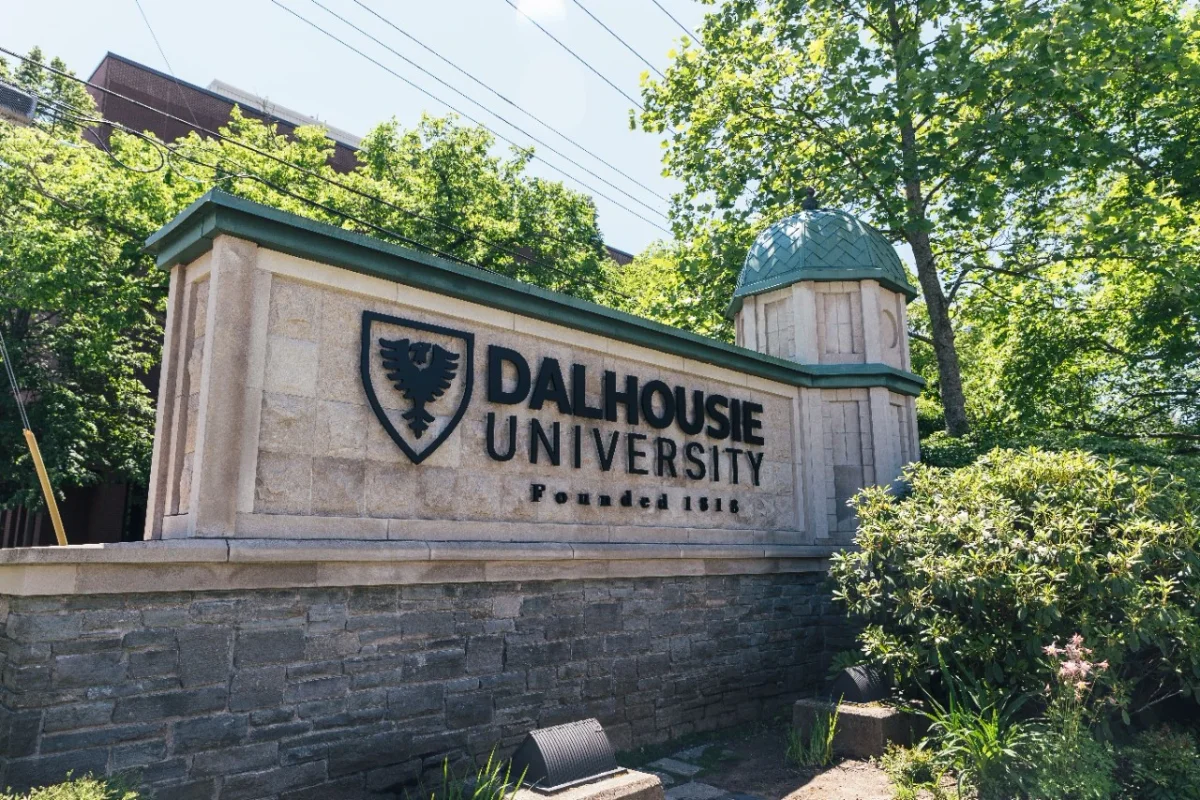
Mineral Resource Engineering (PhD) is a doctorate in General Engineering programme taught at Dalhousie University in Halifax, Canada. The programme runs for 5 years, delivered on campus. Tuition for international students is CAD 7,338 per year (CAD 7,338 per year for local students).
At a glance
Degree:Doctorate
Field:General Engineering
Duration: 5 years
Delivery: On Campus
Local tuition: CAD 7,338 / year
International tuition: CAD 7,338 / year
We have no an application deadline on record for this programme yet — see the official programme page.
— it helps other students.
Last reviewed September 2026 ·
Program details
Overview
The Doctor of Philosophy in Mineral Resource Engineering at Dalhousie University's Faculty of Engineering is a research-focused program examining the technical, environmental, and economic aspects of mineral extraction and processing. Candidates undertake an original research project under faculty supervision, working toward a dissertation that advances knowledge in areas such as mine design, mineral processing, resource economics, and environmental management within the minerals sector. The program is delivered in person on the Halifax campus and offered full-time, with a standard length of five years or longer to completion, including coursework, candidacy requirements, and dissertation research. Graduates are prepared for research, technical, and leadership roles in mining and mineral processing industries, government, and academia. Admission requires applicants to meet Dalhousie's Faculty of Graduate Studies minimum entrance standards as well as the program's own specific admission criteria, which are assessed individually by the department before an offer of admission is made.
Requirements
Minimum GPA:3.00 / 4.0
Admission Requirements: Applicants must meet Dalhousie University's Faculty of Graduate Studies minimum entrance requirements, which include a minimum grade point average of 3.0 (a B average) on a 4.0 scale in the final 60 credit hours of a relevant degree, as well as the program's own specific admission criteria within the Faculty of Engineering. Applicants whose first language is not English must meet Dalhousie's English language proficiency requirements for graduate applicants, such as an IELTS Academic score of 7.0 or a TOEFL iBT score of 92 (or 4.5 on the 1-6 scale used from January 2026).