BA/BS in Sociology
Cleveland, Ohio, United States•QS 2027 #326 =
Official program page (opens in a new tab)
Case Western Reserve University offers BA/BS in Sociology, a bachelor's degree in Social & Cultural Studies programme in Cleveland, United States.
Also offered as: Doctorate
At a glance
We have no tuition fees or an application deadline on record for this programme yet — see the official programme page. — it helps other students.
Last checked October 2026 · Source: bulletin.case.edu ·
Program details
Overview
Requirements
About Case Western Reserve University
“Think Beyond the Possible”
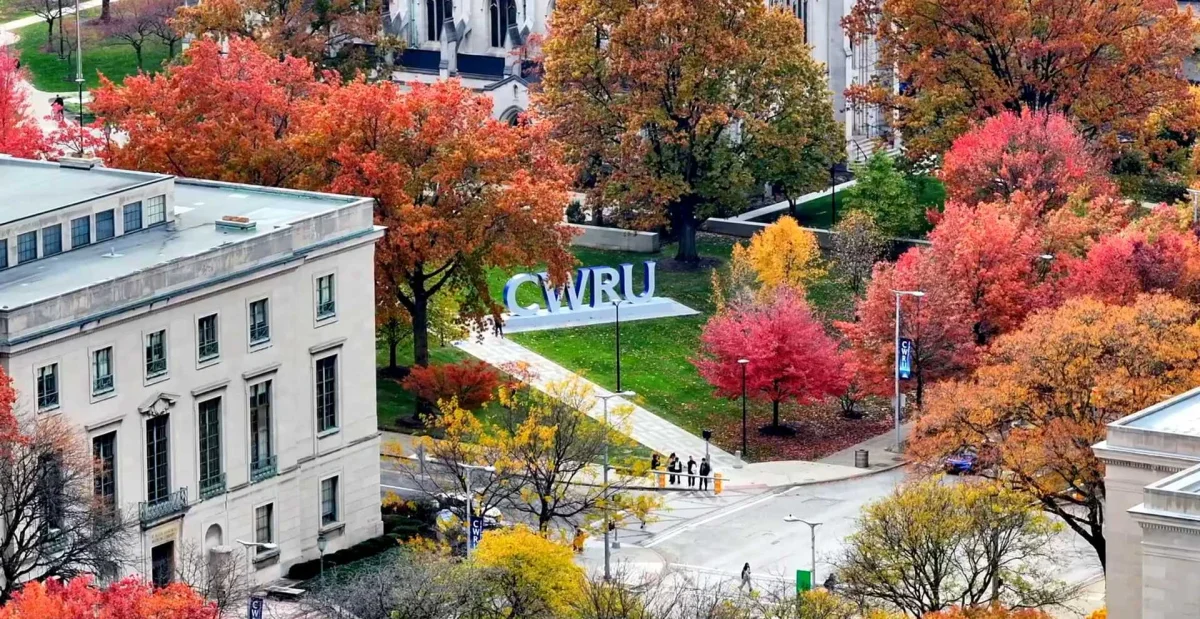

View the full Case Western Reserve University profile
Similar programs in United States


More programs at Case Western Reserve University
Other universities in United States


Scholarships in United States
- A.W. Smith Innovation Scholarship
- Andrew and Eleanor Squire Scholarship
- FIRST Scholarship — USD 10,000
- Phi Theta Kappa Scholarship — USD 25,000
Studying in United States: guides and resources






Spotted something outdated or missing?
Help us keep this page accurate — it takes about 30 seconds.
Save this program and never miss its deadline
Save universities and programs, follow countries, and get deadline reminders by email. Free, takes a few seconds.