INSTN
Gif-sur-Yvette, France
Updated May 2026
Overview

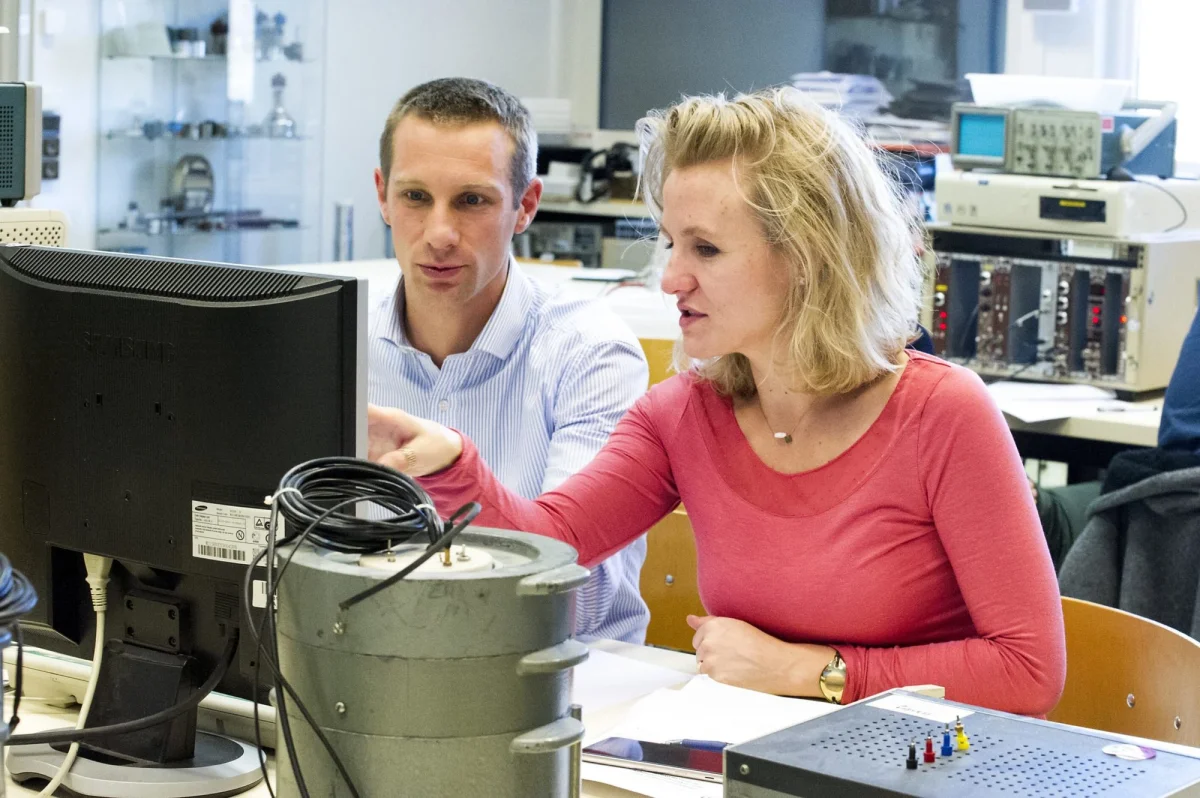
INSTN, a public institution based in Gif-sur-Yvette, France, operates as a higher-education provider contributing to higher-education provision in France.
INSTN's academic offerings include a catalogue of active programmes, structured across master's programmes and delivered through several faculties. Each unit operates with its own admissions criteria within institutional standards.
Institutional scale at INSTN centres on 1,100 students, organised across faculties and academic units. Its campus environment provides the daily context for academic and student life.
Location & Contact
Where INSTN sits geographically, plus the contact channels students use during admissions. Alumni-office inquiries are separate from admissions and have their own contact page.
Academic Details
INSTN's academic structure, enrolment numbers, and accreditation context are gathered below. Together they describe how the institution operates beyond the surface-level overview.
Degrees
Master degree in partnership with Université Paris-Saclay and Université Joseph Fourier, INSTN
Master's 2 programs
Master's programmes develop advanced specialised expertise, suited to senior industry positions and applied research.
- Nuclear Engineering
- Waste Management
Other 2 programs
- Industrial Engineering
- Nuclear Engineering
Faculties & Divisions
INSTN's academic units by subject area. New subject areas (data science, sustainability studies) often emerge as inter-departmental majors before settling into a single faculty.
Applied Physics (Course/Programme) 1 subject offered
Specialisations & Subjects
- Applied Physics
Common Career Paths
- Physicist
- Research Scientist
- Data Analyst
Illustrative career directions for this field; specific outcomes depend on programme and student choices.
Nuclear Engineering (Course/Programme) 2 subjects offered
Specialisations & Subjects
- Applied Physics
- Nuclear Engineering
Common Career Paths
- Engineer
- Project Manager
- Technical Consultant
Illustrative career directions for this field; specific outcomes depend on programme and student choices.
Radiology (Course/Programme) 1 subject offered
Specialisations & Subjects
- Radiology
Programs Offered
Browse INSTN's programmes by level, or filter by name to find a specific course. The grouping helps when you have a target qualification tier but want to compare specific programme content.
6 programmes on record. Compare these on the programs page All programs in France
Master's Degree 6 programmes
How to apply to INSTN
Below is a five-step path through the application process at INSTN, useful for first-time applicants and international students.
-
1
Find a programme that fits your goals
Begin by reviewing the programmes section above. INSTN offers 6 programmes grouped by qualification level. Decide on a target tier (bachelor's, master's, or doctoral) before narrowing by subject.
-
2
Confirm you meet the requirements
Each programme at INSTN has its own entry requirements — academic minimums, language proficiency, supporting documents, and sometimes interviews or portfolios. Check the programme-specific page or contact admissions to confirm eligibility.
-
3
Assemble your application package
Most applications require certified academic records, identification documents, language test certificates (IELTS, TOEFL, or equivalent for English-medium programmes), CV/résumé, and a statement of purpose. Allow extra time for document authentication.
-
4
Submit your application
Apply directly via INSTN's online portal at instn.cea.fr. Complete the application form, upload supporting documents, and pay any application fee. Confirmation emails typically arrive within a few business days.
-
5
Contact admissions and follow up
After submitting, confirm receipt with the admissions office and track your application status through the portal. Reach the institution by phone at 17171 30207. Set reminders for any interview requests, additional document submissions, or admission decision deadlines.
Frequently Asked Questions about INSTN
Quick reference for INSTN: founding, control type, student body, rankings, and recognition status in one place.
Where can I find INSTN?
The institution is located in Gif-sur-Yvette, France.
Is INSTN public or private?
INSTN operates as a public institution.
How many students does INSTN have?
The institution has a student body of 1,100.
What programmes are available at INSTN?
INSTN delivers master's programmes across its academic units.
Who recognises INSTN?
The institution holds recognition from French Atomic Energy Commission (CEA), Ministry of Higher Education, Research and Innovation, Ministry of Economy and Finance, and the Ministry for the Ecological and Inclusive Transition.
What is INSTN's official website?
The institution's website is instn.cea.fr.
Top-Ranked Universities in France
International student mix at France's top universities tends to be higher than at lower-ranked institutions. This affects campus culture and the value of student networks for international students.





Faculties at nearby universities
Climate and seasonal factors apply consistently across universities near INSTN, but campus altitude or coastline exposure can shift the experience meaningfully even within a cluster.

Where Else to Study Chemical Engineering
Practicum and placement requirements vary widely across Chemical Engineering programmes in France. Compulsory placements affect total time commitment but typically improve post-graduation employment outcomes.




Universities Compared with INSTN
Application tier strategy benefits from including peer institutions to INSTN: safety, target, and reach picks within a comparable academic band keep your outcomes diversified.




Studying in France: guides and resources




Spotted something outdated or missing?
Help us keep this page accurate — it takes about 30 seconds.