Christian-Albrechts-Universität zu Kiel
Kiel, Germany • Founded 1665 • World Rank #533
Updated May 2026
Overview
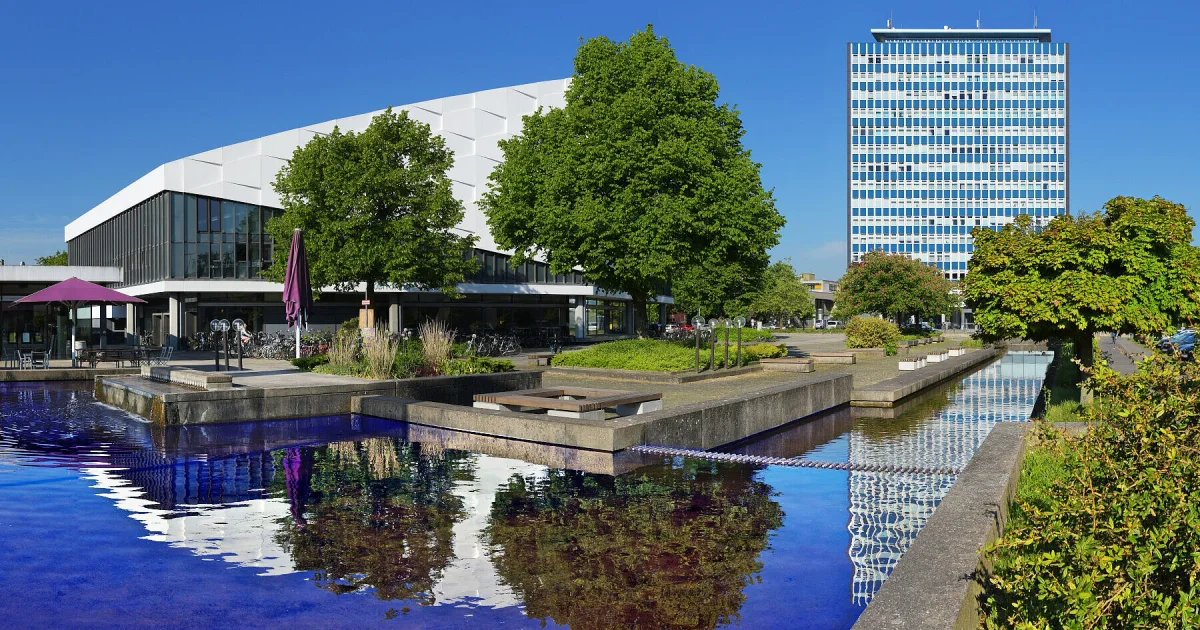
Founded in 1665, the Christian-Albrechts-Universität zu Kiel (Kiel University) is a non-profit public higher education institution located in the urban setting of the small city of Kiel (population range of 50,000-249,999 inhabitants), Schleswig-Holstein.
Officially recognized by the Ministerium für Bildung, Wissenschaft und Kultur des Landes Schleswig-Holstein (Ministry of Education, Science and Culture of Schleswig-Holstein), Christian-Albrechts-Universität zu Kiel (CAU) is a large-sized coeducational German higher education institution. Christian-Albrechts-Universität zu Kiel (CAU) offers courses and programs leading to officially recognized higher education degrees such as bachelor's degrees, master's degrees and doctorate degrees in several areas of study.
The acceptance rate range is 100% making this German higher education organization a non-selective institution. International students are welcome to apply for enrollment.
CAU also provides several academic and non-academic facilities and services to students including a library, housing, sports facilities, financial aids and/or scholarships, study abroad and exchange programs, as well as administrative services.
Location & Contact
Geographic and contact information for Christian-Albrechts-Universität zu Kiel — useful before scheduling visits or sending enquiries. Each channel below routes to a different team, so pick the one matching your question.
Academic Details
Christian-Albrechts-Universität zu Kiel's scale, faculty balance, and academic recognition. Staff-with-doctorate share often signals research culture more reliably than headline research output figures.
Academic Structures
Christian-Albrechts-Universität zu Kiel's academic backbone. Endowed schools (named after donors) may differ from general units in funding levels, scholarships available, and curriculum focus.
Unit 8 items
- Faculty of Agricultural and Nutritional Sciences
- Faculty of Arts and Humanities
- Faculty of Business, Economics and Social Sciences
- Faculty of Engineering
- Faculty of Law
- Faculty of Mathematics and Natural Sciences
- Faculty of Medicine
- Faculty of Theology
Degrees
Also Certificates; One- or Two-subjects Bachelor and Master's Degree Programmes available; Staastexam in Dentistry, Medicine, Pharmacy, Law
Bachelor's 56 programs
Bachelor's programmes build foundational expertise, preparing graduates for entry-level professional roles and further postgraduate study.
- Agriculture
- American Studies
- Archaeology
- Art History
- Biochemistry
- Biology
- Business Administration
- Business Computing
- Chemistry
- Computer Science
- Czech
- Danish
- Earth Sciences
- Economics
- Electronic Engineering
- English Studies
- Ethnology
- Fine Arts
- Folklore
- French
- Geography (Human)
- Geophysics
- German
- Germanic Languages
- Greek (Classical)
- History
- Industrial Chemistry
- Industrial Engineering
- Information Technology
- Islamic Studies
- Italian
- Latin
- Marine Science and Oceanography
- Materials Engineering
- Mathematics
- Meteorology
- Molecular Biology
- Musicology
- Nutrition
- Pedagogy
- Philology
- Philosophy
- Physics
- Polish
- Political Sciences
- Portuguese
- Prehistory
- Protestant Theology
- Psychology
- Religious Studies
- Russian
- Scandinavian Languages
- Slavic Languages
- Sociology
- Spanish
- Sports
Master's 85 programs
Master's programmes develop advanced specialised expertise, suited to senior industry positions and applied research.
- Agriculture
- American Studies
- Applied Mathematics
- Archaeology
- Art History
- Automotive Engineering
- Biochemistry
- Biology
- Business Administration
- Business Computing
- Chemistry
- Computer Science
- Consumer Studies
- Cultural Studies
- Dairy
- Danish
- Demography and Population
- Earth Sciences
- Ecology
- Econometrics
- Economics
- Educational Administration
- Educational Sciences
- Electrical Engineering
- Electronic Engineering
- Engineering
- English
- English Studies
- Environmental Management
- Environmental Studies
- Ethics
- Ethnology
- Finance
- Fine Arts
- Food Science
- French
- Geography
- Geological Engineering
- Geophysics
- German
- Germanic Languages
- Germanic Studies
- Greek (Classical)
- Health Administration
- History
- Industrial Chemistry
- Information Technology
- International Law
- International Relations and Diplomacy
- Islamic Studies
- Italian
- Latin
- Linguistics
- Literature
- Marine Biology
- Marine Science and Oceanography
- Materials Engineering
- Mathematics
- Media Studies
- Meteorology
- Molecular Biology
- Musicology
- Natural Resources
- Nutrition
- Pedagogy
- Pharmacology
- Philology
- Philosophy
- Physics
- Political Sciences
- Prehistory
- Protestant Theology
- Psychology
- Regional Planning
- Religion
- Religious Education
- Romance Languages
- Russian
- Scandinavian Languages
- Slavic Languages
- Sociology
- Spanish
- Sports
- Town Planning
- Vocational Education
Doctoral 11 programs
Doctoral programmes train independent researchers, leading to academic, scientific, and senior advisory careers.
- Agriculture
- Economics
- Engineering
- Food Science
- Law
- Mathematics
- Medicine
- Natural Sciences
- Philosophy
- Social Sciences
- Theology
Other 10 programs
- Agriculture
- Economics
- Food Science
- Law
- Mathematics
- Medicine
- Natural Sciences
- Philosophy
- Social Sciences
- Theology
Faculties & Divisions
All faculties operate under Ministerium für Bildung, Wissenschaft und Kultur des Landes Schleswig-Holstein.
Agriculture and Nutritional Sciences (Faculty) 10 subjects offered
Specialisations & Subjects
- Agricultural Economics
- Agricultural Engineering
- Agriculture
- Animal Husbandry
- Crop Production
- Food Science
- Natural Resources
- Nutrition
- Plant Pathology
- Soil Science
Common Career Paths
- Agricultural Scientist
- Agronomist
- Farm Manager
Illustrative career directions for this field; specific outcomes depend on programme and student choices.
Arts and Humanities (Faculty) 28 subjects offered
Specialisations & Subjects
- American Studies
- Archaeology
- Art History
- Arts and Humanities
- Classical Languages
- Educational Psychology
- Educational Sciences
- English
- English Studies
- Ethnology
- Folklore
- German
- History
- Linguistics
- Literature
- Media Studies
- Music
- Oriental Studies
- Pedagogy
- Philosophy
- Phonetics
- Prehistory
- Psychology
- Romance Languages
- Scandinavian Languages
- Slavic Languages
- Social Sciences
- Sports
Common Career Paths
- Researcher
- Editor
- Cultural Analyst
Illustrative career directions for this field; specific outcomes depend on programme and student choices.
Business, Economics and Social Sciences (Faculty) 5 subjects offered
Specialisations & Subjects
- Business Administration
- Econometrics
- Economics
- Social Sciences
- Statistics
Common Career Paths
- Business Analyst
- Operations Manager
- Strategy Consultant
Illustrative career directions for this field; specific outcomes depend on programme and student choices.
Engineering (Faculty) 4 subjects offered
Specialisations & Subjects
- Computer Science
- Electronic Engineering
- Information Technology
- Materials Engineering
Common Career Paths
- Engineer
- Project Manager
- Technical Consultant
Illustrative career directions for this field; specific outcomes depend on programme and student choices.
Law (Faculty) 8 subjects offered
Specialisations & Subjects
- Commercial Law
- Criminology
- European Union Law
- Fiscal Law
- International Law
- Law
- Private Law
- Public Law
Common Career Paths
- Lawyer
- Legal Consultant
- Compliance Officer
Illustrative career directions for this field; specific outcomes depend on programme and student choices.
Mathematics and Natural Sciences (Faculty) 9 subjects offered
Specialisations & Subjects
- Biology
- Chemistry
- Earth Sciences
- Geography
- Marine Science and Oceanography
- Mathematics
- Natural Sciences
- Pharmacy
- Physics
Common Career Paths
- Data Analyst
- Statistician
- Actuary
Illustrative career directions for this field; specific outcomes depend on programme and student choices.
Medicine (Faculty) 32 subjects offered
Specialisations & Subjects
- Anaesthesiology
- Biomedicine
- Cardiology
- Dental Technology
- Dentistry
- Dermatology
- Endocrinology
- Gastroenterology
- Gerontology
- Health Sciences
- Hepatology
- Medical Technology
- Medicine
- Nephrology
- Neurology
- Nutrition
- Obstetrics and Gynaecology
- Oncology
- Ophthalmology
- Orthopaedics
- Otorhinolaryngology
- Paediatrics
- Periodontics
- Pneumology
- Psychiatry and Mental Health
- Psychotherapy
- Radiology
- Rehabilitation and Therapy
- Rheumatology
- Surgery
- Urology
- Venereology
Common Career Paths
- Physician
- Medical Researcher
- Clinical Specialist
Illustrative career directions for this field; specific outcomes depend on programme and student choices.
Theology (Faculty) 7 subjects offered
Specialisations & Subjects
- Archaeology
- Bible
- History of Religion
- Holy Writings
- New Testament
- Protestant Theology
- Theology
Common Career Paths
- Religious Educator
- Pastoral Counsellor
- Faith Community Leader
Illustrative career directions for this field; specific outcomes depend on programme and student choices.
How to apply to Christian-Albrechts-Universität zu Kiel
Five steps that capture how most applications to Christian-Albrechts-Universität zu Kiel flow, from research through submission to follow-up correspondence.
-
1
Browse the programme catalogue
Begin by checking which programmes are available at Christian-Albrechts-Universität zu Kiel. Match the level to your prior education, then confirm the subject area you want to study.
-
2
Check eligibility for your chosen programme
Each programme at Christian-Albrechts-Universität zu Kiel has its own entry requirements — academic minimums, language proficiency, supporting documents, and sometimes interviews or portfolios. Check the programme-specific page or contact admissions to confirm eligibility.
-
3
Get your documents ready
Most applications require certified academic records, identification documents, language test certificates (IELTS, TOEFL, or equivalent for English-medium programmes), CV/résumé, and a statement of purpose. Allow extra time for document authentication.
-
4
Apply through the official channel
Apply directly via Christian-Albrechts-Universität zu Kiel's online portal at www.uni-kiel.de. Complete the application form, upload supporting documents, and pay any application fee. Confirmation emails typically arrive within a few business days.
-
5
Reach out and track your application
After submitting, confirm receipt with the admissions office and track your application status through the portal. Reach the institution by phone at +49 (431) 880 00. Set reminders for any interview requests, additional document submissions, or admission decision deadlines.
Frequently Asked Questions about Christian-Albrechts-Universität zu Kiel
A short Q&A covering Christian-Albrechts-Universität zu Kiel's essentials — founding, location, scale, ranking, and academic structure.
When was Christian-Albrechts-Universität zu Kiel founded?
Christian-Albrechts-Universität zu Kiel was established in 1665 (approximately 361 years ago).
What city is Christian-Albrechts-Universität zu Kiel in?
Christian-Albrechts-Universität zu Kiel operates from Kiel, Germany.
What is Christian-Albrechts-Universität zu Kiel's control type?
It is a public higher-education institution.
How big is Christian-Albrechts-Universität zu Kiel's student body?
Christian-Albrechts-Universität zu Kiel serves approximately 25,000-29,999 students.
What is Christian-Albrechts-Universität zu Kiel's ranking?
Christian-Albrechts-Universität zu Kiel holds rank #533 globally and #31 in Germany.
What qualification levels does Christian-Albrechts-Universität zu Kiel offer?
Christian-Albrechts-Universität zu Kiel offers bachelor's, master's and doctoral programmes.
How many faculties does Christian-Albrechts-Universität zu Kiel have?
Christian-Albrechts-Universität zu Kiel is organised into 8 academic units across its disciplines.
Is Christian-Albrechts-Universität zu Kiel officially recognised?
Yes, Christian-Albrechts-Universität zu Kiel is recognised by Akkreditierungsrat.
What is Christian-Albrechts-Universität zu Kiel's official website?
The institution's website is www.uni-kiel.de.
Top-Ranked Universities in Germany
Selectivity at the top Germany universities sets admissions baseline expectations for students applying to Christian-Albrechts-Universität zu Kiel. The selectivity gap between Christian-Albrechts-Universität zu Kiel and the leaders below tells you about admissions context.


Members of European University Association (EUA)
European University Association (EUA)-affiliated universities form a network of comparable institutions — Christian-Albrechts-Universität zu Kiel sits among them. Network membership often signals shared values around academic quality and student support.


Faculties at nearby universities
If Christian-Albrechts-Universität zu Kiel's location appeals to you, these nearby universities offer comparable environments and academic breadth. Local clusters tend to share cultural, linguistic, and employment context, which can matter as much as institutional choice itself.

Universities Compared with Christian-Albrechts-Universität zu Kiel
Students considering Christian-Albrechts-Universität zu Kiel frequently compare it against the universities listed below. The comparison set reflects revealed-preference data from how applicants actually build shortlists.


Studying in Germany: guides and resources


Spotted something outdated or missing?
Help us keep this page accurate — it takes about 30 seconds.