University of Oxford
Oxford, United Kingdom • Founded 1096 • QS 2027 #4
Updated Sep 2026 · Source: ox.ac.uk
Overview















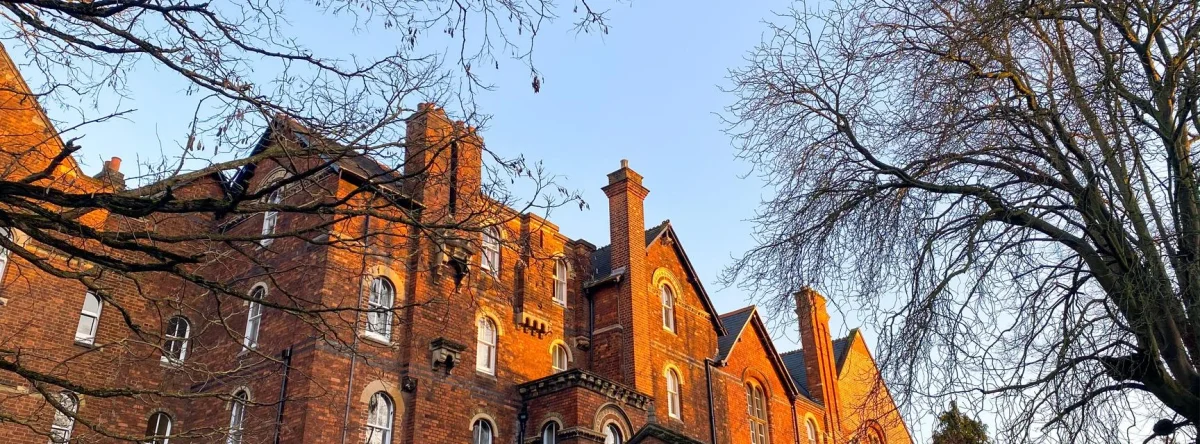


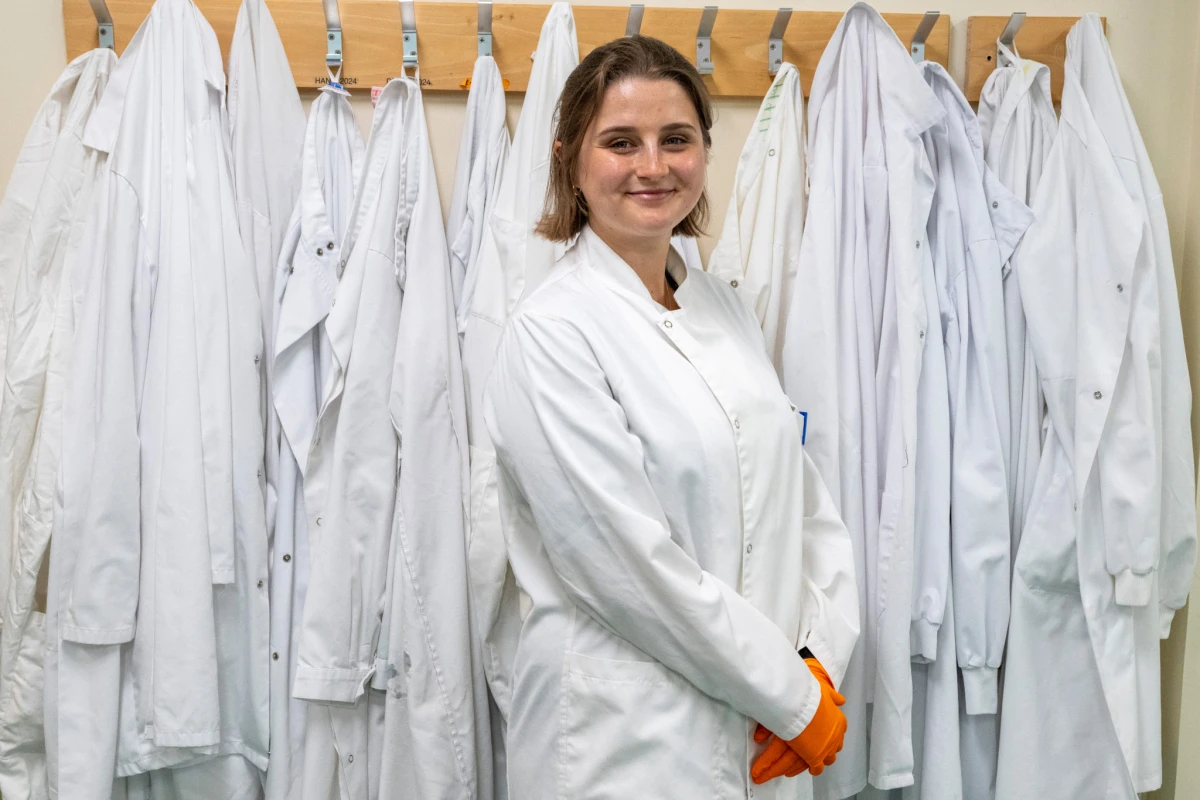




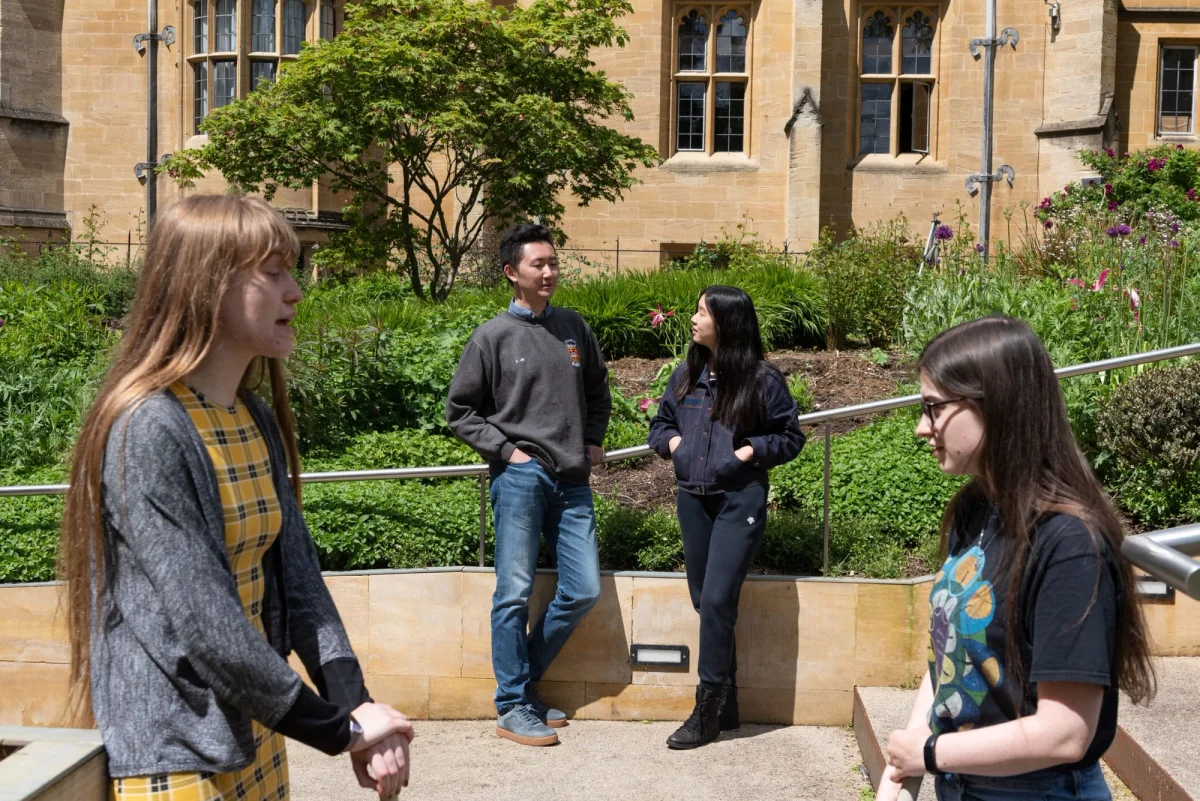















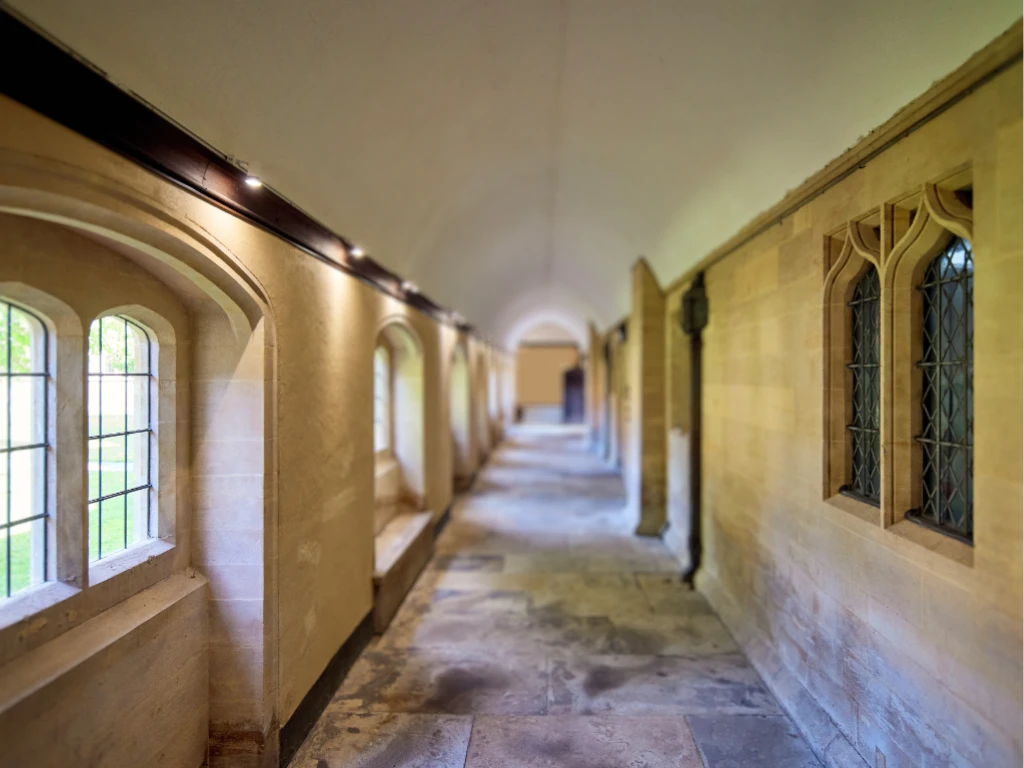


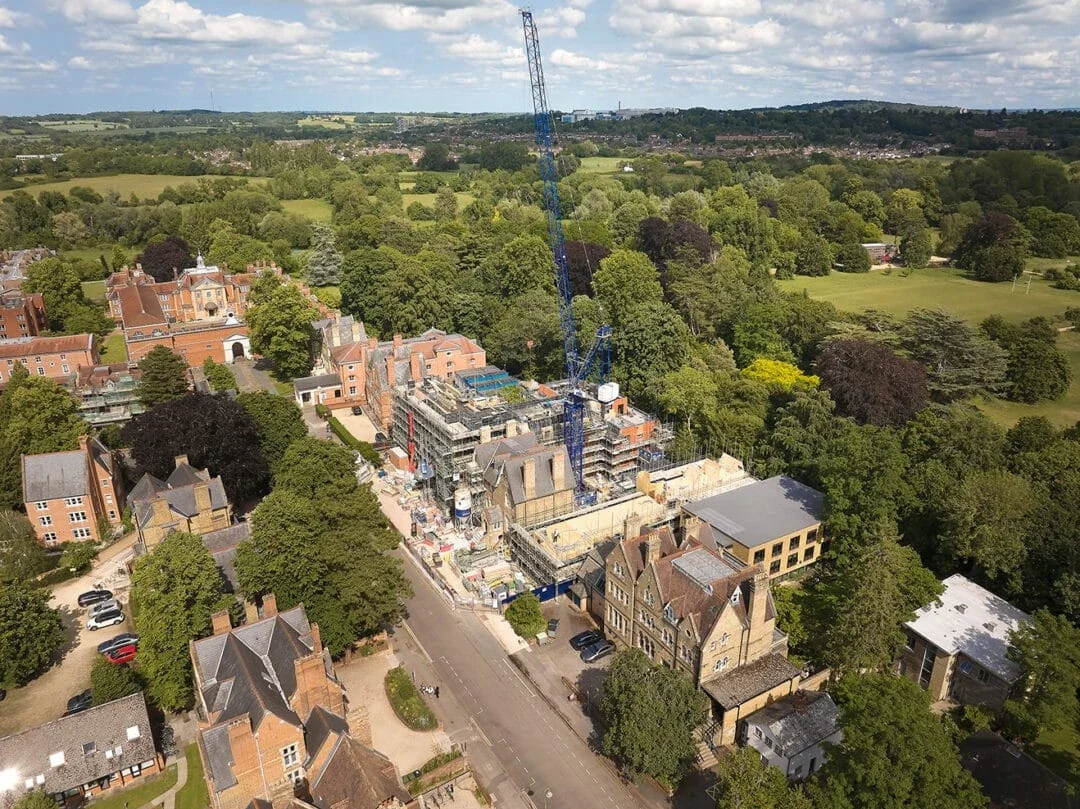






The University of Oxford is a public research university in Oxford, England, with teaching activity documented back to 1096, making it the oldest university in the English-speaking world.
It is organised as a collegiate university made up of more than 30 self-governing colleges, alongside four academic divisions -- Humanities, Mathematical Physical and Life Sciences, Medical Sciences, and Social Sciences -- that group its departments and faculties. Total enrolment exceeds 26,000, split roughly evenly between undergraduates and postgraduates, with international students making up around 43 percent of the student body drawn from more than 170 countries.
Oxford is a member of the Russell Group and holds a strong record in the Research Excellence Framework, reporting the largest volume of world-leading research in the 2021 assessment. The university reports total research income exceeding 700 million pounds annually and estimates its own contribution to the UK economy at close to 17 billion pounds a year.
Undergraduate admission runs through UCAS, with course-specific entrance tests and college-based interviews forming part of the selection process.
Location & Contact
Address, phone, email, and online links for University of Oxford are listed below.
Academic Details
University of Oxford's student body, faculty composition, and recognition framework are below.
Academic Structures
University of Oxford's faculties, schools, institutes, and constituent units are listed below.
Unit 4 items
- Humanities Division
- Mathematical, Physical and Life Sciences Division
- Medical Sciences Division
- Social Sciences Division
Faculties & Divisions
All faculties operate under Privy Council.
Mathematical, Physical and Life Sciences (Department/Division) 9 subjects offered
Specialisations & Subjects
- Botany
- Chemistry
- Computer Science
- Earth Sciences
- Engineering
- Materials Engineering
- Physics
- Statistics
- Zoology
Medical Sciences (Department/Division) 16 subjects offered
Specialisations & Subjects
- Anatomy
- Biochemistry
- Experimental Psychology
- Genetics
- Health Sciences
- Medicine
- Neurosciences
- Obstetrics and Gynaecology
- Oncology
- Orthopaedics
- Paediatrics
- Pathology
- Pharmacology
- Physiology
- Psychiatry and Mental Health
- Surgery
Social Sciences (Department/Division) 16 subjects offered
Specialisations & Subjects
- African Studies
- Anthropology
- Archaeology
- Business Administration
- Development Studies
- Eastern European Studies
- Economics
- Education
- Environmental Studies
- Geography
- International Relations and Diplomacy
- Latin American Studies
- Law
- Middle Eastern Studies
- Political Sciences
- Sociology
Classics (Faculty) 3 subjects offered
Specialisations & Subjects
- Ancient Civilizations
- Archaeology
- Classical Languages
English (Faculty) 2 subjects offered
Specialisations & Subjects
- English
- Literature
History (Faculty) 1 subject offered
Specialisations & Subjects
- History
Linguistics, Philology, and Phonetics (Faculty) 3 subjects offered
Specialisations & Subjects
- Linguistics
- Philology
- Phonetics
Medieval and Modern Languages (Faculty) 13 subjects offered
Specialisations & Subjects
- Catalan
- Celtic Languages and Studies
- Czech
- French
- German
- Greek
- Italian
- Linguistics
- Polish
- Portuguese
- Russian
- Slavic Languages
- Spanish
Music (Faculty) 1 subject offered
Specialisations & Subjects
- Music
Oriental Studies (Faculty) 7 subjects offered
Specialisations & Subjects
- Ancient Civilizations
- Asian Studies
- Christian Religious Studies
- East Asian Studies
- Hebrew
- Islamic Studies
- Jewish Studies
Philosophy (Faculty) 1 subject offered
Specialisations & Subjects
- Philosophy
Theology and Religion (Faculty) 2 subjects offered
Specialisations & Subjects
- Religion
- Theology
American (Institute) 1 subject offered
Specialisations & Subjects
- American Studies
Art (School) 6 subjects offered
Specialisations & Subjects
- Fine Arts
- Painting and Drawing
- Photography
- Printing and Printmaking
- Sculpture
- Video
Programs Offered
Browse University of Oxford's programmes by level, or filter by name.
600 programmes on record. Each level below shows a sample. Compare these on the programs page All programs in United Kingdom
Honours Degree 207 programmes
Showing 10 of 207.
Master of Business Administration 1 programme
Master of Philosophy 58 programmes
Showing 10 of 58.
Master's Degree 195 programmes
Showing 10 of 195.
Doctorate 104 programmes
Showing 10 of 104.
Professional Doctorate 1 programme
Postgraduate Certificate 21 programmes
Showing 10 of 21.
Postgraduate Diploma 13 programmes
Showing 10 of 13.
Scholarships in United Kingdom
the United Kingdom-wide scholarships, relevant to students considering University of Oxford or other institutions there.
How to apply to University of Oxford
Step-by-step guidance for applying to University of Oxford, in five steps.
-
1
Browse the programme catalogue
University of Oxford's catalogue includes 600 programmes. Browse by level, identify candidates matching your prior qualifications, and note their entry requirements for the next step.
-
2
Check eligibility for your chosen programme
Entry requirements vary by programme and degree level. Verify academic minimums, language tests (if international), and any additional documents required for University of Oxford's admissions process.
-
3
Get your documents ready
Typical documents include academic transcripts, identity proof (passport or national ID), language proficiency test scores, a personal statement or motivation letter, and recommendation letters. International applicants should account for translation and notarisation time.
-
4
Apply through UCAS or direct entry
For undergraduate study, apply centrally through UCAS (ucas.com), listing University of Oxford as one of your choices. For postgraduate study, apply directly through University of Oxford's own admissions portal at www.ox.ac.uk.
-
5
Reach out and track your application
Follow up to confirm your application was received and is being processed. You can reach the institution by email at porters@chch.ox.ac.uk or by phone at +44 (1865) 270 000. Admissions teams may request interviews or additional documents — respond promptly to keep your application active.
Frequently Asked Questions about University of Oxford
Frequently asked questions about University of Oxford.
When did University of Oxford open?
University of Oxford traces its founding to 1096 (approximately 930 years ago).
Where can I find University of Oxford?
The institution is located in Oxford, United Kingdom.
What is University of Oxford's control type?
University of Oxford is a public institution.
How many students does University of Oxford have?
The institution has a student body of 26,225.
Where does University of Oxford stand in university rankings?
University of Oxford is ranked QS 2027 #4.
What programmes are available at University of Oxford?
University of Oxford offers bachelor's, master's and doctoral programmes.
How is University of Oxford organised academically?
University of Oxford is organised into 4 academic units across its disciplines.
Is University of Oxford accredited?
Yes, University of Oxford is recognised by Privy Council.
Where can I learn more about University of Oxford?
You can find University of Oxford online at www.ox.ac.uk.
Members of European University Association (EUA)
University of Oxford and the universities below are both members of European University Association (EUA).


Faculties at nearby universities
Universities located near University of Oxford are listed below.


Where Else to Study Humanities & Cultural Studies
Other institutions in the United Kingdom teaching Humanities & Cultural Studies are listed below for comparison with University of Oxford.


Universities Compared with University of Oxford
Comparable universities to University of Oxford are listed below.


Studying in United Kingdom: guides and resources






Spotted something outdated or missing?
Help us keep this page accurate — it takes about 30 seconds.
Save this university to your shortlist
Save universities and programs, follow countries, and get deadline reminders by email. Free, takes a few seconds.