
Technische Universität München
Munich, Germany • Founded 1827 • World Rank #80
Updated May 2026
Overview
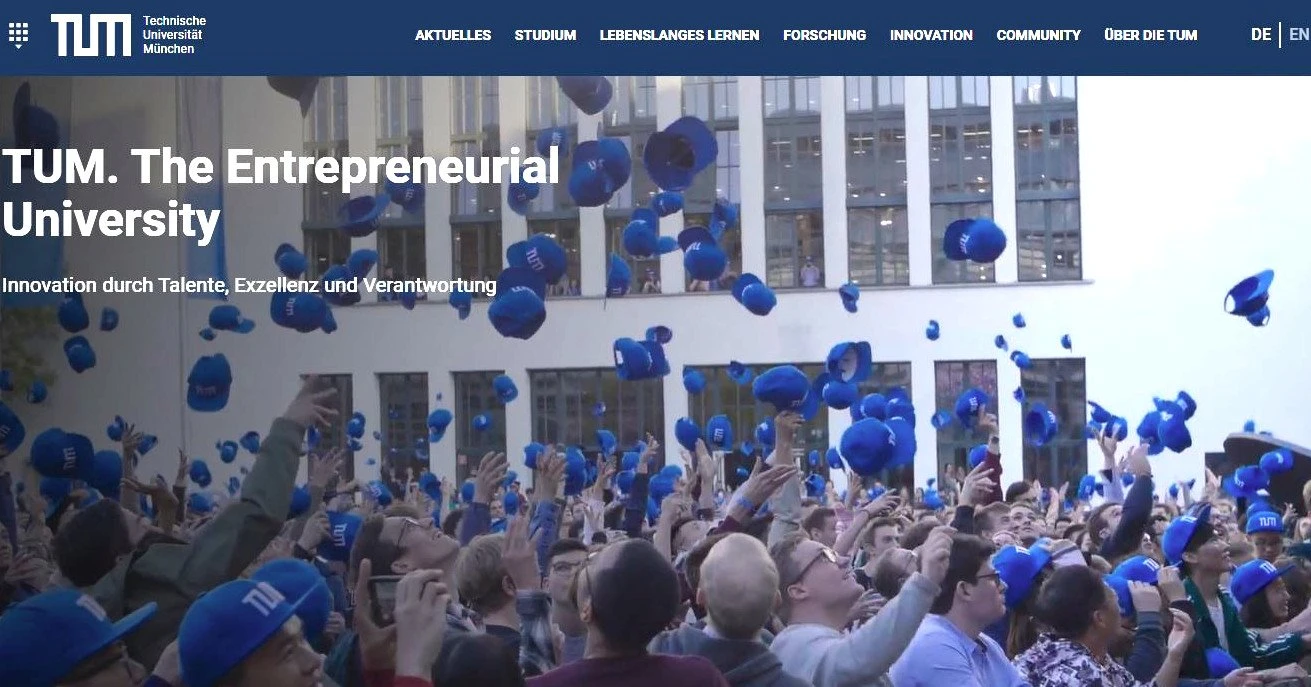
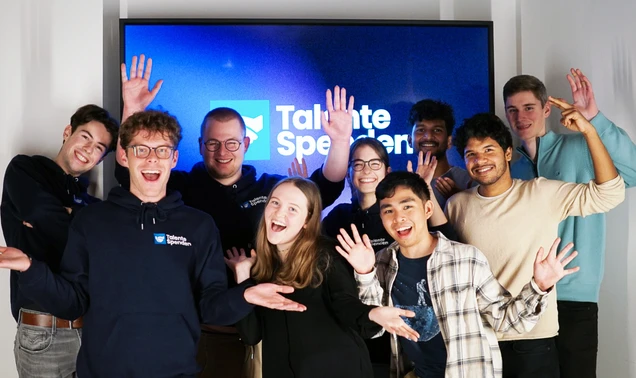
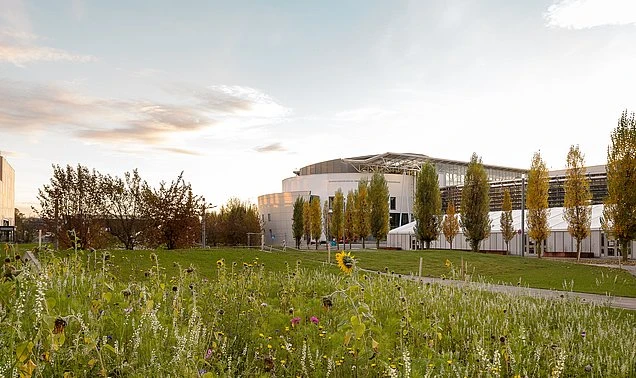
Founded in 1868, the Technische Universität München (Technical University of Munich) is a non-profit public higher education institution located in the urban setting of the metropolis of Munich (population range of 1,000,000-5,000,000 inhabitants), Bavaria.
This institution also has branch campuses in Garching bei München, Freising, Heilbronn, Staubing, Weihenstephan and Singapore. Officially recognized by the Bayerisches Staatsministerium für Wissenschaft und Kunst (Bavarian State Ministry for Science and Art), Technische Universität München (TUM) is a very large-sized coeducational German higher education institution.
Technische Universität München (TUM) offers courses and programs leading to officially recognized higher education degrees such as bachelor's degrees, master's degrees and doctorate degrees in several areas of study. The acceptance rate range is 100% making this German higher education organization a non-selective institution.
International students are welcome to apply for enrollment.
TUM also provides several academic and non-academic facilities and services to students including a library, housing, sports facilities, financial aids and/or scholarships, study abroad and exchange programs, online courses and distance learning opportunities, as well as administrative services.
Location & Contact
The geographic and contact details below cover where Technische Universität München is and how to reach its administrative offices. Campus emergency contact is typically distinct from general inquiries.
Academic Details
Technische Universität München's student body, faculty composition, and recognition framework are summarised below. Use this section to gauge institutional weight before drilling into specific programmes.
Academic Structures
The faculties, schools, and constituent units that make up Technische Universität München's academic architecture are listed below. Knowing which unit hosts your subject helps locate the relevant admissions team.
Unit 14 items
- Center of Life and Food Sciences Weihenstephan
- Faculty of Architecture
- Faculty of Chemistry
- Faculty of Civil Engineering
- Faculty of Electrical Engineering and Information Technology
- Faculty of Informatics
- Faculty of Mathematics
- Faculty of Mechanical Engineering
- Faculty of Medicine
- Faculty of Physics
- Faculty of Sport Sciences
- Munich School of Engineering
- TUM School of Education
- TUM School of Management
Degrees
Also Certificate (Zertifikat) in Computer Science; State Examination Certificate (Staatsexam) in Medicine and Physical Education for Secondary Schools (Lehramt); Alternatively to the individual Doctoral programmes offered, students can also engage in Collective PhD projects in a Cluster of Excellence or in a Collaborative/Transregional Research Centre focused on areas such as: Natural Sciences, Engineering, Biological and Life Sciences, Health Sciences and Interdisciplinary Research Areas
Bachelor's 50 programs
Bachelor's programmes build foundational expertise, preparing graduates for entry-level professional roles and further postgraduate study.
- Agriculture
- Architecture
- Biochemistry
- Biological and Life Sciences
- Biology
- Biotechnology
- Brewing
- Building Technologies
- Business Administration
- Business Computing
- Chemical Engineering
- Chemistry
- Civil Engineering
- Computer Engineering
- Computer Graphics
- Computer Science
- Earth Sciences
- Economics
- Electrical and Electronic Engineering
- Engineering
- Engineering Management
- Environmental Engineering
- Food Science
- Food Technology
- Forest Management
- Forestry
- Health Education
- Health Sciences
- Home Economics Education
- Horticulture
- Household Management
- Industrial Chemistry
- Information Technology
- Landscape Architecture
- Machine Building
- Materials Engineering
- Mathematics
- Metal Techniques
- Mining Engineering
- Molecular Biology
- Natural Resources
- Nutrition
- Pharmacology
- Physics
- Political Sciences
- Science Education
- Sports
- Surveying and Mapping
- Technology Education
- Vocational Education
Master's 86 programs
Master's programmes develop advanced specialised expertise, suited to senior industry positions and applied research.
- Actuarial Science
- Aeronautical and Aerospace Engineering
- Agricultural Education
- Agricultural Management
- Agriculture
- Applied Mathematics
- Applied Physics
- Architectural and Environmental Design
- Architecture
- Astrophysics
- Atomic and Molecular Physics
- Automotive Engineering
- Biochemistry
- Biological and Life Sciences
- Biology
- Biomedicine
- Biotechnology
- Building Technologies
- Business Administration
- Chemical Engineering
- Chemistry
- Civil Engineering
- Computer Engineering
- Computer Science
- Construction Engineering
- Consumer Studies
- Design
- Ecology
- Electrical Engineering
- Electronic Engineering
- Energy Engineering
- Engineering
- Environmental Engineering
- Finance
- Food Technology
- Forestry
- Geological Engineering
- Geology
- Health Education
- Health Sciences
- Home Economics Education
- Horticulture
- Industrial Chemistry
- Industrial Design
- Information Management
- Information Technology
- Landscape Architecture
- Management
- Materials Engineering
- Mathematics
- Mechanical Engineering
- Mechanics
- Medical Technology
- Microelectronics
- Molecular Biology
- Museum Studies
- Nanotechnology
- Natural Resources
- Natural Sciences
- Nuclear Engineering
- Nutrition
- Operations Research
- Pharmacology
- Philosophy
- Physics
- Power Engineering
- Private Law
- Real Estate
- Restoration of Works of Art
- Robotics
- Safety Engineering
- Secondary Education
- Software Engineering
- Soil Conservation
- Solid State Physics
- Sports
- Surveying and Mapping
- Technology
- Technology Education
- Telecommunications Engineering
- Traditional Eastern Medicine
- Transport Management
- Transport and Communications
- Urban Studies
- Vocational Education
- Wood Technology
Doctoral 23 programs
Doctoral programmes train independent researchers, leading to academic, scientific, and senior advisory careers.
- Agriculture
- Architectural Restoration
- Architecture
- Art Criticism
- Art History
- Building Technologies
- Chemistry
- Civil Engineering
- Computer Engineering
- Computer Science
- Education
- Electronic Engineering
- Environmental Studies
- Food Science
- Geological Engineering
- Health Sciences
- Landscape Architecture
- Machine Building
- Mathematics
- Medical Technology
- Medicine
- Physics
- Sports
Other 15 programs
- Agriculture
- Brewing
- Communication Studies
- Computer Education
- Educational Research
- Environmental Studies
- Food Science
- Humanities and Social Science Education
- Mathematics Education
- Pedagogy
- Science Education
- Secondary Education
- Sociology
- Technology
- Technology Education
Faculties & Divisions
All faculties operate under Bayerisches Staatsministerium für Wissenschaft und Kunst.
Architecture (Faculty) 1 subject offered
Specialisations & Subjects
- Architecture
Common Career Paths
- Architect
- Urban Planner
- Interior Designer
Illustrative career directions for this field; specific outcomes depend on programme and student choices.
Chemistry (Faculty) 2 subjects offered
Specialisations & Subjects
- Biochemistry
- Chemistry
Common Career Paths
- Chemist
- Lab Researcher
- Quality Control Specialist
Illustrative career directions for this field; specific outcomes depend on programme and student choices.
Civil, Geo, and Environmental Engineering (Faculty) 2 subjects offered
Specialisations & Subjects
- Civil Engineering
- Surveying and Mapping
Common Career Paths
- Engineer
- Project Manager
- Technical Consultant
Illustrative career directions for this field; specific outcomes depend on programme and student choices.
Electrical, Electronic and Computer Engineering (Faculty) 4 subjects offered
Specialisations & Subjects
- Electrical Engineering
- Electronics and Automation
- Information Technology
- Power Engineering
Common Career Paths
- Software Engineer
- Data Scientist
- Systems Analyst
Illustrative career directions for this field; specific outcomes depend on programme and student choices.
Informatics (Faculty) 1 subject offered
Specialisations & Subjects
- Computer Science
Mathematics (Faculty) 4 subjects offered
Specialisations & Subjects
- Mathematical Physics
- Mathematics
- Mathematics and Computer Science
- Statistics
Common Career Paths
- Data Analyst
- Statistician
- Actuary
Illustrative career directions for this field; specific outcomes depend on programme and student choices.
Mechanical Engineering (Faculty) 1 subject offered
Specialisations & Subjects
- Mechanical Engineering
Common Career Paths
- Mechanical Engineer
- Design Engineer
- Manufacturing Engineer
Illustrative career directions for this field; specific outcomes depend on programme and student choices.
Physics (Faculty) 2 subjects offered
Specialisations & Subjects
- Biophysics
- Physics
Common Career Paths
- Physicist
- Research Scientist
- Data Analyst
Illustrative career directions for this field; specific outcomes depend on programme and student choices.
Sports and Health Sciences (Faculty) 1 subject offered
Specialisations & Subjects
- Sports
Common Career Paths
- Research Scientist
- Lab Technician
- Analyst
Illustrative career directions for this field; specific outcomes depend on programme and student choices.
TUM School of Education (Faculty) 1 subject offered
Specialisations & Subjects
- Education
Common Career Paths
- Teacher
- Educational Administrator
- Curriculum Specialist
Illustrative career directions for this field; specific outcomes depend on programme and student choices.
TUM School of Life Sciences Weihenstephan (Faculty) 2 subjects offered
Specialisations & Subjects
- Biological and Life Sciences
- Food Science
Common Career Paths
- Research Scientist
- Lab Technician
- Analyst
Illustrative career directions for this field; specific outcomes depend on programme and student choices.
TUM School of Management (Faculty) 1 subject offered
Specialisations & Subjects
- Business Administration
Common Career Paths
- Operations Manager
- Project Manager
- HR Manager
Illustrative career directions for this field; specific outcomes depend on programme and student choices.
TUM School of Medicine (Faculty) 1 subject offered
Specialisations & Subjects
- Medicine
Common Career Paths
- Physician
- Medical Researcher
- Clinical Specialist
Illustrative career directions for this field; specific outcomes depend on programme and student choices.
How to apply to Technische Universität München
A practical five-step guide to applying to Technische Universität München, from programme research through submission and follow-up.
-
1
Find a programme that fits your goals
Start by browsing Technische Universität München's available programmes. Match your prior qualifications to a suitable degree level (bachelor's, master's, or doctoral) before narrowing by subject.
-
2
Confirm you meet the requirements
Before applying to Technische Universität München, confirm you meet the academic, language, and document requirements for your chosen programme. International applicants should also check visa eligibility for Germany.
-
3
Assemble your application package
Standard documents: official transcripts, identity proof, language test results, personal statement, and references. Confirm exact requirements with Technische Universität München's admissions office before assembling, as expectations vary by programme.
-
4
Submit your application
Lodge your application through the official website (www.tum.de). Online forms are the standard route. Save your draft frequently and submit before the programme deadline.
-
5
Contact admissions and follow up
Verify your application has been received by the admissions team. Reach the institution by phone at +49 (89) 289 01. Monitor the portal for status updates, interview invitations, or document requests, and respond within the stated deadlines.
Frequently Asked Questions about Technische Universität München
Common questions about Technische Universität München answered concisely, with each answer grounded in the institution's published data.
In what year was Technische Universität München established?
Technische Universität München was founded in 1827 (approximately 199 years ago).
In which city is Technische Universität München?
Technische Universität München is based in Munich, Germany.
Is Technische Universität München a public or private institution?
Technische Universität München is a public institution.
How many students study at Technische Universität München?
Technische Universität München has approximately 30,000-34,999 students.
Where does Technische Universität München stand in university rankings?
Technische Universität München is ranked #80 globally and #1 in Germany.
What programmes are available at Technische Universität München?
Programmes at Technische Universität München cover bachelor's, master's and doctoral programmes.
How is Technische Universität München organised academically?
The institution comprises 14 academic units.
Who recognises Technische Universität München?
Yes, Technische Universität München is recognised by Organ für Akkreditierung und Qualitätssicherung OAQ.
Where can I learn more about Technische Universität München?
The institution's website is www.tum.de.
Members of European University Association (EUA)
If Technische Universität München's European University Association (EUA) membership influenced your interest, these institutions belong to the same network and offer comparable mobility and credential-recognition benefits. Membership shapes everything from exchange access to joint research opportunities.



Faculties at nearby universities
Climate and seasonal factors apply consistently across universities near Technische Universität München, but campus altitude or coastline exposure can shift the experience meaningfully even within a cluster.



Universities Compared with Technische Universität München
Joint research consortia among universities at Technische Universität München's level — shared grants, co-supervision arrangements — make peer institutions natural collaborators rather than just competitors.



Studying in Germany: guides and resources


Spotted something outdated or missing?
Help us keep this page accurate — it takes about 30 seconds.