Universiteit van Amsterdam
Amsterdam, Netherlands • Founded 1632 • World Rank #31
Overview
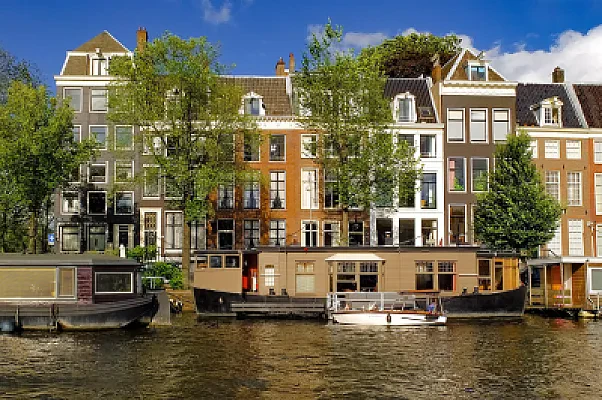
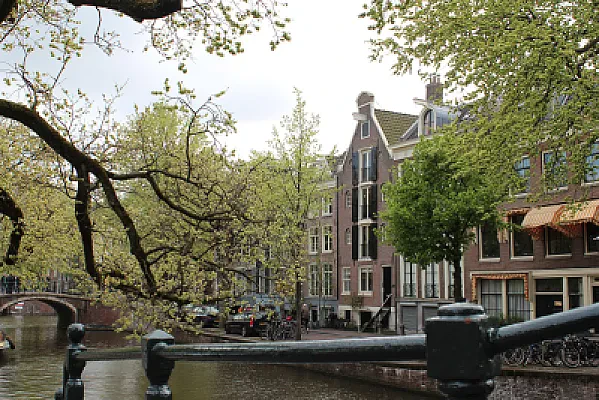
Established in 1632, the Universiteit van Amsterdam (University of Amsterdam) is a non-profit public higher education institution located in the urban setting of the large city of Amsterdam (population range of 500,000-1,000,000 inhabitants), North Holland.
Officially recognized by the Ministerie van Onderwijs, Cultuur en Wetenschap, Nederland (Ministry of Education, Culture and Science of the Netherlands), Universiteit van Amsterdam (UvA) is a large-sized coeducational Dutch higher education institution. Universiteit van Amsterdam (UvA) offers courses and programs leading to officially recognized higher education degrees such as bachelor's degrees, master's degrees and doctorate degrees in several areas of study.
This 392-year-old Dutch higher-education institution has a selective admission policy based on entrance examinations and students' past academic records and grades. International applicants are eligible to apply for enrollment.
UvA also provides several academic and non-academic facilities and services to students including a library, sports facilities, study abroad and exchange programs, as well as administrative services.
Location & Contact
Looking to reach Universiteit van Amsterdam? Address, contact details, and online links below. For finance and tuition payment queries, the bursar or finance office is typically a separate contact point.
Academic Details
A snapshot of Universiteit van Amsterdam's academic profile — enrolment, staffing, and the bodies recognising its work. Useful as a benchmark when comparing against peer institutions or national leaders.
Academic Structures
Universiteit van Amsterdam delivers teaching through the academic units below — useful for orienting yourself before reading individual programmes. Each unit operates with a degree of academic autonomy.
Unit 7 items
- Faculty of Dentistry
- Faculty of Economics and Business
- Faculty of Humanities
- Faculty of Law
- Faculty of Medicine
- Faculty of Science
- Faculty of Social and Behavioral Sciences
Degrees
Degrees offered at Universiteit van Amsterdam, organised by academic level for easy browsing. Levels generally follow international qualification frameworks and inform how credits transfer to other systems.
Bachelor's 6 programs
Bachelor's programmes build foundational expertise, preparing graduates for entry-level professional roles and further postgraduate study.
- Arts and Humanities
- Business Administration
- European Studies
- Media Studies
- Political Sciences
- Social Sciences
Master's 6 programs
Master's programmes develop advanced specialised expertise, suited to senior industry positions and applied research.
- Arts and Humanities
- Business Administration
- Communication Studies
- Natural Sciences
- Political Sciences
- Social Sciences
Faculties & Divisions
All faculties operate under Ministerie van Onderwijs, Cultuur en Wetenschap, Nederland.
Dentistry (Faculty) 1 subject offered
Specialisations & Subjects
- Dentistry
Common Career Paths
- Dentist
- Oral Surgeon
- Dental Researcher
Illustrative career directions for this field; specific outcomes depend on programme and student choices.
Economics and Business (Faculty) 3 subjects offered
Specialisations & Subjects
- Business Administration
- Econometrics
- Economics
Common Career Paths
- Business Analyst
- Operations Manager
- Strategy Consultant
Illustrative career directions for this field; specific outcomes depend on programme and student choices.
Humanities (Faculty) 28 subjects offered
Specialisations & Subjects
- Arabic
- Archaeology
- Art History
- Arts and Humanities
- Cultural Studies
- Dutch
- English
- European Studies
- French
- Greek
- Greek (Classical)
- Hebrew
- History
- Italian
- Latin
- Linguistics
- Literature
- Mass Communication
- Media Studies
- Modern Languages
- Philosophy
- Religious Studies
- Romanian
- Scandinavian Languages
- Slavic Languages
- Sociology
- Spanish
- Theatre
Common Career Paths
- Researcher
- Editor
- Cultural Analyst
Illustrative career directions for this field; specific outcomes depend on programme and student choices.
Law (Faculty) 4 subjects offered
Specialisations & Subjects
- Criminal Law
- Law
- Private Law
- Public Law
Common Career Paths
- Lawyer
- Legal Consultant
- Compliance Officer
Illustrative career directions for this field; specific outcomes depend on programme and student choices.
Medicine (Faculty) 1 subject offered
Specialisations & Subjects
- Medicine
Common Career Paths
- Physician
- Medical Researcher
- Clinical Specialist
Illustrative career directions for this field; specific outcomes depend on programme and student choices.
Science (Faculty) 11 subjects offered
Specialisations & Subjects
- Artificial Intelligence
- Astronomy and Space Science
- Biology
- Chemistry
- Computer Engineering
- Computer Science
- Earth Sciences
- Information Sciences
- Mathematics
- Natural Sciences
- Physics
Common Career Paths
- Research Scientist
- Lab Technician
- Analyst
Illustrative career directions for this field; specific outcomes depend on programme and student choices.
Social and Behavioural Sciences (Faculty) 9 subjects offered
Specialisations & Subjects
- Behavioural Sciences
- Child Care and Development
- Communication Studies
- Geography (Human)
- Mass Communication
- Political Sciences
- Preschool Education
- Psychology
- Social Sciences
Common Career Paths
- Research Scientist
- Lab Technician
- Analyst
Illustrative career directions for this field; specific outcomes depend on programme and student choices.
Academic Center for Dentistry in Amsterdam (Research Division) 1 subject offered
Specialisations & Subjects
- Dentistry
Common Career Paths
- Dentist
- Oral Surgeon
- Dental Researcher
Illustrative career directions for this field; specific outcomes depend on programme and student choices.
Academic Medical Center (Research Division) 2 subjects offered
Specialisations & Subjects
- Medical Technology
- Medicine
Common Career Paths
- Physician
- Clinical Researcher
- Healthcare Specialist
Illustrative career directions for this field; specific outcomes depend on programme and student choices.
Tinbergen Institute (Research Division) 1 subject offered
Specialisations & Subjects
- Business Administration
Programs Offered
Every programme Universiteit van Amsterdam currently runs, grouped by degree level and searchable. Status and intake details vary by programme — verify with the institution before committing to applications.
Bachelor's Degree
19 programmes
There are 19 programmes to choose from at Universiteit van Amsterdam for undergraduates. A bachelor's degree builds the broad disciplinary foundation most employers and postgraduate courses expect.
Linguistics Taalwetenschap Humanities & Cultural Studies 3 years 180 ECTS credits English
Language is present in all aspects of our daily lives and our capacity to use it makes human beings unique as a species.
In the UvA Bachelor's programme in Linguistics, you will explore both the structure and acquisition of language as well as the diversity of language around the world. As a linguist you are interested in the structure and function of language in a broad sense, how we acquire language, how it can be impaired, how it is represented in the brain, how it functions in society, how we deal with 2, 3, or 4 languages at the same time, and how it changes. All of these questions are addressed in this broad Bachelor's programme in Linguistics.
In this programme you are introduced to a number of linguistic subjects, including the study of a modern language of your choice. Alongside the core programme, you specialise by selecting a minor or electives in one or more of your fields of interest. You can also decide to study abroad for a semester or do an internship.
Media and information Media en informatie Humanities & Cultural Studies 3 years 180 ECTS credits English
The Bachelor's in Media and Information is dedicated to the exploration of New Media and the pervasive production, distribution and use of information in today's society. You will analyse specific new media phenomena, including social media platforms, as well as broader contemporary themes, such as surveillance, citizen journalism, locative media, and the monitoring and metrification of everyday life.
This Bachelor's will give you advanced conceptual and practical tools to understand the seismic shifts in culture and society brought about by the constant transformation of media. What happens, for example, when mobile apps monitor our health and recommend music to us? How does our behaviour change when we can locate ourselves on a digital map and others are able to track our movements? Most of us own various devices that are designed to create, access, store and share information. But how does all this work? What is this information? How can we deal with it effectively? And what are the cultural consequences?
As well as established concepts from media studies and information studies, the programme applies and develops new research approaches like Digital Humanities and Digital Methods. This interdisciplinary perspective is crucial to understanding contemporary developments like new political movements, Big Data and privacy, or the emerging sharing economy.
Archaeology Archeologie Humanities & Cultural Studies 3 years 180 ECTS credits English
In the Bachelor’s in Archaeology, you will study past societies and their importance in today’s world. The programme devotes attention to the study of various materials, the relationships between humans and landscape, and the presentation of research results in various media. This programme is unique in the Netherlands in how it focuses on Europe – from the Mediterranean to Middle and Western Europe, including, of course, the Netherlands and Amsterdam.
In this Bachelor’s, you will develop academic skills and insight and will learn that archaeology is connected with many other fields of study, such as heritage, landscape, art and history. Not only will you research and excavate the material remains of human activity, but you will also learn how this translates to knowledge about earlier cultures.
You will learn to use digital, forensic and other modern research techniques, as well as how you can use them to find and analyse archaeological remains. Also, you will examine various remains, such as pottery, coins and bones, in order to discover how humans used to live. With the aid of maps, geological knowledge and computer models, you learn how you can reconstruct a landscape in order to find out what it looked like in the past.
Business Administration (English track, with numerus fixus) 3 years 180 ECTS credits English
Numerus fixus for the English track
The English track of the Bachelor’s in Business Administration has a numerus fixus. This means only 750 places are available in the 1st year. To apply, you are required to participate in the selection procedure. The application deadline is 15 January. Please note: The Dutch track does not have a selection procedure.
Human Geography and Urban and Regional Planning Humanities & Cultural Studies 3 years 180 ECTS credits English
Did you know that more and more people are living in an urban environment? Today, more than 4.3 billion people or 55% of the world’s population live in urban settings and the number is rising. Try to imagine what an impact this has on housing, sustainability, transportation and mobility.
Interested? Then Human Geography and Planning is your programme. In this Bachelor’s programme you will study the relationship between people and their environments, analysing pressing social issues and devising new solutions. Not only by reading books and articles, but also by doing research in the Dutch capital of Amsterdam and abroad.
Cultural Anthropology and Development Sociology Culturele Antropologie en Ontwikkelingssociologie Social Sciences & Education 3 years 180 ECTS credits English
Are you curious about cultures around the world, or eager to understand what’s happening closer to home? As an anthropologist, you’ll immerse yourself in the lives of others to explore why people behave the way they do. From rituals that connect generations to diverse perspectives on themes like gender and migration: you’ll gain insights into how societies work and discover the role you play within them.
Literary Studies: Literary and Cultural Analysis Humanities & Cultural Studies 6 years 180 ECTS credits English
The Bachelor's in Literary and Cultural Analysis highlights philosophical, political, and social perspectives on culture. The programme is perfectly suited to students who have an active and broad interest in contemporary culture, literature and the arts. It offers you the intellectual knowledge and skills to interpret and reflect on literature, art and popular culture. Central to the programme is the hands-on engagement with concrete objects – novels, films, poems, operas, television series, art installations, websites, performances, and so on. The detailed analysis of these objects is combined with wide-ranging philosophical, political and social approaches to culture and the arts. In this way, the programme enables you to interpret and evaluate particular texts, images, and objects in relation to larger philosophical explorations and cultural developments.
Literary and Cultural Analysis at the University of Amsterdam offers you a world-class education: the programme is ranked 3rd in Continental Europe and 41st overall in the QS World University Rankings by Subject 2021. It combines the best of Cultural Studies and Comparative Literature, offering philosophical and political insights into art, literature and popular culture.
English Language and Culture Engelse Taal en Cultuur Humanities & Cultural Studies 3 years 180 ECTS credits English
Studying exclusively in English, you explore the rich and diverse English-speaking world through its literary, linguistic and cultural heritages, from its origins to its global expansion and beyond.
Already in the first year, the Bachelor's English Language and Culture at the UvA stands out thanks to its global focus. Alongside the origins, development and mechanics of the English language, you explore World Englishes (Australian, South African, Indian and Singaporean, to name a few) as well as how these are perceived and represented in literature and the media. You will be studying the traditional canon of English literature, including works by William Shakespeare, Jane Austen, Charles Dickens and the Romantic poets, but also examine the newest forms of contemporary English literature from around the globe, all studied within the appropriate political, social and historical contexts.
The variety of options for elective courses, which may include study abroad and/or an internship, allows you to further customise the study to your interests.
Sociology Sociologie Social Sciences & Education 3 years 180 ECTS credits English
You ask questions. About inequality, identity, climate, technology, and power. You're curious and engaged, but at times you may feel lost in the chaos of all the information and opinions. Sociology helps you make sense of that chaos, uncover patterns, understand systems of power, and recognise where there’s room for change. It doesn’t just teach you what’s happening in society. It shows you how you can make a difference.
Political Science Politicologie Social Sciences & Education 3 years 180 ECTS credits English
Politics is everywhere, and it's about more than governments and political parties. Prepare to delve beneath the surface and explore how societies function, discovering ways to make a positive impact in communities and the world.
Media and Culture Media en Cultuur Humanities & Cultural Studies 3 years 180 ECTS credits English
The Bachelor’s in Media and Culture puts the rapidly changing global media landscape centre stage and trains you to position yourself more critically within it, prepare yourself for careers in the media, at cultural institutions, and in academia. You will explore how and why particular media have certain roles in different cultural contexts and examine how they attract and direct our attention and shape our experiences of the world.
You are invited to develop a more critical engagement with media by teaching you about the history and theory of film, television and cross-media culture. Studying how certain stories or facts are presented and disseminated by media, whose interests they serve, and what worlds they create, is central to this programme. You will also learn how media objects are created, as well as begin to create and use them yourself.
Media and Culture is the ideal programme if you are interested in culture and media in the broadest sense. We expect you to have cultural and creative interests, as well as a critical and investigative attitude, a great passion and intellectual curiosity for film, television, popular culture, global culture, cross-media practices, and the arts. You would like to become a researcher, advise or supervise media makers, work at a media research agency, in the creative industry, in the media, for cultural organisations, or in academia.
Global Arts, Culture and Politics Humanities & Cultural Studies 3 years 180 ECTS credits English
Politics, Psychology, Law and Economics 3 years 180 ECTS credits English
The Bachelor's in Politics, Psychology, Law and Economics offers you a combination of broad, yet integrated knowledge and skills, as well as specialised knowledge of one of these four disciplines.
Are you interested in socio-economic topics and intrigued by complex problems? Do you like to be challenged, and do you feel at home in an international environment? If you are considering enrolling for a Bachelor's in Political Science, Psychology, Law or Economics, then the PPLE programme may be your path to academic achievement.
To fully comprehend the questions raised in these fast-paced times, a 21st century answer can be found in the combination of four classic socio-economic disciplines: Politics, Psychology, Law and Economics. The rapid social and economic changes and growing complexity of today's society require academics and professionals who can integrate different fields of knowledge into new solutions. The Bachelor of Science (BSc) in PPLE at the UvA provides you the necessary tools to address these challenges.
Exploring the interface between the disciplines challenges your know-how and stimulates you to collaborate and share knowledge with other students and lecturers. After your studies, you will be equipped to communicate with specialists from different fields and discuss issues beyond the scope of a single discipline.
European Studies Europese Studies Humanities & Cultural Studies 3 years 180 ECTS credits English
Europe is a continent with a long and turbulent history of cultural, political and economic exchange. The Bachelor’s in European Studies provides you with an overview of the politics, economics, and law of the EU, while also introducing you to Europe’s history, literature, and culture.
Taught in English, the programme offers a broad perspective crucial to making sense of the challenges facing Europe today. It equips you with the knowledge and skills to address contemporary European issues such as the Eurozone crisis, the challenges of multicultural societies, and the role of the EU in, for instance, its relations with post-socialist states.
You will have a choice of 6 focused majors: specialise in European Literature and Culture, European History, East European Studies, European Law, European Politics, or European Economics. Moreover, you will master a foreign language; we offer a broad selection of 16 European languages to choose from.
European Studies at the UvA offers a world-class education: the UvA is ranked one of the highest universities in the Netherlands and overall in the QS World University Rankings. Amsterdam is a European cultural hub with a vibrant, creative and diverse international community.
Sign Language Linguistics Humanities & Cultural Studies 3 years 180 ECTS credits English
Sign languages from all around the world demonstrate interesting similarities, but still they are not mutually intelligible and differ from each other in significant ways. In the BA Sign Language Linguistics, you will explore sign languages, their structure, acquisition and use from the perspective of a linguist, while learning NGT (Sign Language of the Netherlands) yourself. You will examine the key research traditions of linguistics as a whole and sign language linguistics in particular. Alongside the core programme, you specialise by selecting a minor in one of your fields of interest. You can also decide to study abroad for a semester or do an internship.
The first year offers a broad, general overview of the entire discipline of Linguistics. You will take theoretical courses in which you learn all of the basic concepts that are relevant to a linguist. You will be trained in the transcription and glossing of sign languages, and take courses in Morphology and Sociolinguistics. At the end of the first year, you will conduct a small research project exploring the acquisition of a new language. The second and third years build on the foundations laid in the first year, allowing you to specialise in the various aspects of sign language linguistics, while conducting your own linguistic experiments. You will take courses such as Philosophy of Science and 2nd Language Acquisition.
Economics and Business Economics (English track, with numerus fixus) 3 years 180 ECTS credits English
Numerus fixus for the English track
The English track of the Bachelor’s in Economics and Business Economics has a numerus fixus. This means only 850 places are available in the 1st year. To apply, you are required to participate in the selection procedure. The application deadline is 15 January. Please note: The Dutch track does not have a selection procedure.
Literary and cultural analysis Humanities & Cultural Studies 3 years 180 ECTS credits English
The Bachelor's in Literary and Cultural Analysis equips you to analyse texts, images and other cultural objects in relation to larger philosophical questions and sociopolitical developments. The programme is perfectly suited to students who have an active and broad interest in contemporary culture, literature and the arts. By situating cultural objects within their local and global, historical and contemporary contexts, it becomes clear how they can help us reflect on urgent contemporary challenges like climate change, political polarisation, and structural inequalities.
The programme comprises a number of mandatory courses that introduce you to the fields of study, various methods of analysis and interpretation, and key theoretical concepts. You will focus on literary and cultural theories and methods, and will tailor your curriculum to your interest by choosing a minor and electives in a wide range of subjects. You will also have the opportunity to study abroad for a semester or do an internship.
Computational Social Science 3 years 180 ECTS credits English
You are a data idealist: you enjoy working with data, but you want more than just writing code for any tech company. In this Bachelor’s programme, you learn how to use data and computer science to solve real-world problems, such as climate change, inequality, and the impact of AI. From day one, you work on projects for clients and develop practical skills like programming, data analysis, and project management.
Ancient Studies Oudheidwetenschappen Humanities & Cultural Studies 3 years 180 ECTS credits English
Was Caesar the first populist? Can Harry Potter be regarded as a mythological hero? The Bachelor's in Ancient Studies investigates the Classical cultures that lie at the roots of our modern world. You will gain insight in the art, literature, philosophy, history, and mythology of Antiquity. You will learn to conduct solid research into ancient topics and use your historical knowledge to develop a critical outlook on contemporary trends and developments.
You will investigate the Classical cultures that lie at the roots of our modern world. You will be given an overview of the most important works of art, literature, philosophy, history, and mythology of Antiquity. You can think of fascinating topics such as the pyramids, Greek tragedies, Cleopatra, the epics of Gilgamesh, and Hannibal’s conflict with Rome.
You will develop a critical perspective on cultural contact and conflict: between the ancient Greeks, Romans, Persians, and Egyptians, but also between past and present. You will gain insight into the ancient origins of political systems and themes such as identity and migration, which remain relevant far beyond the time of the Persians, Athenians, and Romans. Can our present-day democracy draw any lessons from that of ancient Athens?
No programmes match your filter in this level.
Master's Degree
121 programmes
Universiteit van Amsterdam offers 121 programmes at master's level — postgraduate programmes that deepen a specialism, usually over one to two years after a bachelor's degree.
Chemistry (joint degree) Natural Sciences & Mathematics 2 years 120 ECTS credits English
The Master's programme Chemistry provides you with a highly qualified background of theory and practice in chemistry and sufficient specialisation in a specific field. It exposes you to research at the frontline of this exciting, multifaceted discipline that forms the bridge between biology and physics and mathematics. Globally, chemistry is acknowledged as playing a key role in social and economic progress. Within the Master's programme Chemistry, every student can find an area suited to his or her individual talents and ambitions. There are several different tracks:
- Analytical Sciences, Chemistry of Life
- Molecular Sciences
- Science for Energy and Sustainability
This is a joint degree programme between the UvA and VU.
Conflict Resolution and Governance Social Sciences & Education 1 year 60 ECTS credits English
The Master’s in Conflict Resolution and Governance offers you education on the broad spectrum of conflict resolution theory, research and practice. The causes, characteristics, significance and consequences of conflicts are studied in relation to the dynamics of public governance. You will learn how to analyse conflicts, negotiate their resolution and link conflict research with its practice.
Psychology: Coaching & Vitality in Organisations Humanities & Cultural Studies 1 year 60 ECTS credits English
How do we keep people happy and healthy at work? This Master's empowers you to make a positive impact. Dive into occupational health psychology, mastering evidence-based interventions to foster well-being and motivation at work. Elevate your academic understanding of psychology with practical coaching skills and be the driving force behind thriving employees and organisations.
Archaeology and Heritage (research) Humanities & Cultural Studies 2 years 120 ECTS credits English
The innovative two-year Research Master's in Archaeology and Heritage explores the ways in which we deal with tangible and intangible remnants of the past, and how we construct history in the present. The programme trains you to think critically about how human societies have dealt with the past in pre-modern times, as well as the diverse and conflicting ways in which the past is interpreted and put to use in the world today. Whether you choose to specialise in Heritage and Memory Studies, or in Archaeology, this innovative programme offers a unique combination of scientific traditions, and will give you a strong theoretical foundation in the fields of Heritage Studies, Memory Studies, and Archaeology, and their intersections.
ACASA: Archaeology in Amsterdam
The Research Master's in Archaeology and Heritage offered by the Amsterdam Centre for Ancient Studies and Archaeology (ACASA), a joint venture of the University of Amsterdam and the Vrije Universiteit Amsterdam. ACASA enables you to benefit from the expertise of two universities, and allows you to choose from a wide range of courses, interest fields and specialisations.
Biomedical Sciences: Medical Biology Medicine & Health 2 years 120 ECTS credits English
Medical Biology is a study for those who are fascinated by acquiring in-depth fundamental knowledge of the biochemical and molecular biological background of medical phenomena.
You are are interested in unravelling the secrets of life, enjoy doing experiments and wish to specialise in one or multiple areas of this field of research.
Tracks within the programme:
Medical Biochemistry and Biotechnology
Cell Biology and Advanced Microscopy
Infection and Immunity
Developmental and Therapeutic Biology
Experimental Internal Medicine
Oncology
Cardiovascular Sciences
Why UvA?
Biomedical Sciences at the UvA is closely affiliated with the University of Amsterdam Academic Medical Center (AMC-UvA), the Swammerdam Institute for Life Sciences (SILS), the Netherlands Cancer Institute (NKI) and the Sanquin Blood Supply Foundation. This provides a unique and exciting science-dense area in which the strengths of the participating institutes are combined, from fundamental to applied research. The cooperation with these prominent institutes ensures students a broad range of expertises and excellent internship opportunities.
Theology and Religious Studies: Religious Studies (research MA) Humanities & Cultural Studies 2 years 120 ECTS credits English
The two-year Research Master's in Religious Studies offers an inspiring research environment in which you develop the research skills to conduct your own research project in the field of religious studies. You will explore key issues, theoretical perspectives and methodological questions in the field of religious studies and engage in ongoing research with faculty members. It focuses on the history and presence of religious and spiritual diversity in Europe and in its wider Mediterranean, Eurasian and Transatlantic context.
The programme emphasises the processes of religious diversification in different socio-cultural contexts. It trains you in both the historical as well as the empirical study of religious cultures, countercultures and spiritualities, including the interdisciplinary study of ideas, narratives, practices, institutions and their interactions.
The Research Master’s programme offers several specialisations in the field of religious studies. You can choose to focus on Spirituality and Esotericism in Western Culture, Religion and Spirituality in Contemporary Societies or Spirituality and Religion in Islam. You will also have the opportunity to study with leading specialists in the field of religious studies.
International Development Studies (research) International Development Studies (research) Social Sciences & Education 2 years 120 ECTS credits English
The two-year Research Master in International Development Studies critically and constructively focuses on development debates, issues and processes in the Global North and the Global South with an emphasis on social and ecological justice.
Medical Biology: Infection and Immunity 2 years 120 ECTS credits English
The master track Infection and Immunity has been designed to integrate the advanced knowledge in two interlinked disciplines.
This programme will suit you if you:
- have successfully attended bachelor courses in Immunology and Medical Biology, or equivalent training;
- are interested in studying molecular processes in cells, the way that cells in complex organisms cooperate to defend themselves against infectious microbes and tumour cells, vaccine development, evolutionary processes;
- want to understand the basis of diseases such as rheumatoid arthritis, asthma and AIDS
- enjoy doing laboratorial experiments in a fundamental research lab or in a (pre)clinical setting,;
- are interested in patient-oriented research and/or in vivo-oriented research involving animal models and;
- have a curiosity about biological systems in the world.
Political Economy (Political Science) Humanities & Cultural Studies 1 year English
How do global economic and political forces shape the lives and future of citizens, business, and civil society? The Master's programme Political Economy covers the ground from ‘economics for non-economists’ to understanding how the ‘rules of the game’ are shaped, to thinking about ‘winners’ and ‘losers’ of an open global economy and how that gives rise to ‘new’ conflicts.
Business Information Technology Management Business & Management 1 year 60 ECTS credits English
In today's rapidly evolving business landscape, disruptive technologies such as Artificial Intelligence (AI), blockchain, cloud and big data are transforming every industry. Companies need skilled professionals with an understanding of these technologies and their impact on business strategies, who can lead companies through the transformations. Starting Sept 2025, this programme offers students a path to leadership roles in this exciting area.
Medical Biology: Developmental and Therapeutic Biology 2 years 120 ECTS credits English
This track focuses on all aspects of developmental biology and their clinical applications.
The programme is looking for students who:
- are interested in all aspects of human cell, tissue and organ development and differentiation
- like to explore the clinical applications of developmental and reproductive science
- would like to understand better how fundamental research can be translated into cellular therapy
- are not afraid to face the ethical implications of genetic modification
- like to improve both their oral and written communication skills
- are fascinated by the miracle of life!
Latin American Studies Humanities & Cultural Studies 1 year 60 ECTS credits English
In the Master’s in Latin American Studies, you will study social transformations in Latin America from geographic, historical, economic, cultural, social, political and ecological perspectives. You will design your own research plan, do field research in this exciting region and become a critical academic.
The Master’s in Latin American Studies offers a research-driven, small-scale and internationally oriented programme. During the classes you will study current developments in the region such as the new wave of economic, social and political crises. Recent trends aggravate problems of inequality, insecurity and unsustainability; yet new hope for change comes from the indigenous and other social movements, the renegotiation of gender and ethnic relations and the rise of the new urban middle classes. To understand the complexity of these current-day social transformations, a historical perspective is crucial.
The programme provides you with critical knowledge, academic skills and an in-depth understanding of the academic literature. You are trained to become a researcher who is able to conduct research out in the field, in Latin America, and whose research will contribute to our knowledge of currents trends in that area.
Neurobiology: Molecular Neurosciences 2 years 120 ECTS credits English
In the Molecular Neurosciences track you get an understanding of the molecular principles that hold the key towards unique treatment paradigms for psychiatric and neurological diseases.
The goals of the track are to:
- provide an essential theoretical framework in molecular neurosciences;
- prepare the student to be a critical researcher;
- prepare the student to work independently in a molecular neuroscience lab;
- prepare the student to report on his/her results in written and spoken form;
- train the student in the research process: research question> design experiment> interpret results> define following research question(s);
- train the student in applying for research funding.
Finance Business & Management 1 year 60 ECTS credits English
Start your career in finance with the Master's Finance at the Amsterdam Business School. This programme will provide a deep understanding of financial markets and decision-making. We will train you in a broad range of quantitative and soft skills to take to your first employer. Our faculty follow personalized teaching approaches. The goal is to foster teaching innovation and capitalize on comparative advantages. Choose one of our tracks and focus on the field that interests you most.
Cultural and Social Anthropology: Visual Anthropology 1 year English
What becomes of anthropology when it is practiced in other media than the written word like photography or film?
As anthropologists you will do fieldwork for three months on a topic (and in a locale) of your choice. Yet the primary material you will bring home from the field will be visual. How this visual material can be made to speak to anthropological debates about your research topic is what you will discover. This track requires a critical engagement with the expressive powers of still and moving images and sound; a willingness to experiment; and a thorough understanding of anthropology as a practice of mediation.
Linguistics: Linguistics and Communication (research MA) Humanities & Cultural Studies 2 years 120 ECTS credits English
The two-year Research Master's in Linguistics and Communication brings together linguistic theory and data from experimental and corpus studies, and has a strong emphasis on methodology. In this Master’s programme, you will study language and communication from various theoretical perspectives, including generative grammar, functional discourse grammar, optimality theory, neural networks, argumentation theory, rhetoric and discourse theory.
You will be taught to understand the value of these different theoretical approaches in analysing linguistic problems. The programme boasts an open, constructive atmosphere, in which you are trained to look beyond your own particular field of expertise.
This Research Master’s is coordinated by the Amsterdam Center for Language and Communication (ACLC), the large and thriving linguistics community at the University of Amsterdam that will be your academic home during your studies.
Linguistics: General Linguistics Humanities & Cultural Studies 1 year 60 ECTS credits English
Literary Studies: Literature, Culture and Society Humanities & Cultural Studies 1 year 60 ECTS credits English
The Master's in Literature, Culture and Society has a unique focus on the ways in which contemporary literature, culture, and society are interlinked and inform and influence each other. You can specialise in English, French, German, Greek, Italian, Scandinavian, Slavic, or Spanish studies, thus significantly enhancing your language skills as well as your expertise in literary and cultural analysis to prepare you for professions in cultural industries or education, among others. For students interested in Modern Greek literature, culture, and society, the English language specialisation programme offers the possibility to follow a course in this area.
The aim of the programme is for you to become an expert at analysing and querying how literature and culture respond to wider socio-political issues, and how, on the other hand, society may be affected and impacted by literary and cultural products. You will develop key skills in researching and writing about literary studies, specifically in reporting on the dynamics of the interplay and interface between literature and society. You will take courses in your target language and significantly improve your language skills while enhancing your expertise regarding a particular language region.
Psychology: Brain and Cognition in Society Humanities & Cultural Studies 1 year 60 ECTS credits English
Apply your knowledge about human behaviour and how the brain works to solve societal issues (such as climate change and inequality) or problems in businesses, politics, work, and life in general. The teachers have experience in both business and academia, providing you with hands-on experience in using behavioural science to influence what people think, say and do.
Arts and Culture: Theatre Studies Humanities & Cultural Studies 1 year 60 ECTS credits English
The Master's programme Theatre Studies at the University of Amsterdam provides opportunities to acquire insight into the processes of theatrical creation and perception.
Aspects of theatre and performance are omnipresent in today's global community. Students of this programme study theatre in the broadest sense of the word, as a cultural phenomenon currently undergoing a process of globalisation.
Theatre Studies provides a wide range of opportunities for acquiring insight into processes of theatrical creation and perception, as well as aspects of theatricality both within and across cultures. The courses are organised around five themes: Theatre and Globalization, Theatre and History, Theatre and Society, Theatre Analysis, and Performance and Performativity.
Students can also prepare a performance together with students of the Professional Master's in Dramaturgy. In this practical course, students cooperate with fellow students on staging a play. This project enables students to acquire first‑hand experience regarding what happens when a text becomes a performance (including the potential problems associated with this process).
Theatre Studies is an accredited degree programme. After successful completion of this programme, you will receive a legally accredited Master's degree in Arts and Culture and the title Master of Arts (MA).
European Studies: East European Studies Humanities & Cultural Studies 1 year 60 ECTS credits English
In the one-year Master's East European Studies you will develop a thorough understanding of the history of Eastern European countries (including Russia), and insight into recent developments in the region. You will explore the relationship between East and West, popular culture and everyday life and the interplay between power centres and peripheries. You will zoom in on nation building and conflicts in sub-regions like the Caucasus, Ukraine/Crimea, or the Balkans, and on the relationship between nationalism and political Islam or Christian Orthodoxy.
Founded in 1948, European Studies is now welcoming international students and offers a unique opportunity for rigorous interdisciplinary training in East European studies:
* Explore political and cultural complexities of the region while following a comprehensive curriculum, combined with staff-led tutorials tailored to your regional and thematic interests.
* Benefit from our international staff and its broad interdisciplinary expertise
* Engage with new, cutting-edge research projects in the field through weekly spotlight seminars with staff members and guest lectures by leading scholars from around the world.
* Gain practical experience through an internship in NGOs, academic institutions, or the diplomatic sector.
* Live and work at the heart of a cosmopolitan capital, and study at one of Europe's top-rated universities.
Media Studies: Television and Cross-Media Culture Humanities & Cultural Studies 1 year English
If you are interested in studying contemporary media culture from a critical perspective, then the Master's programme Television and Cross-Media Culture is what you're looking for. The Master's in Television and Cross-Media Culture offers the tools to understand and to evaluate the ongoing transformation of media culture and its impact on culture, politics and everyday life. It also takes television as a starting point to map the conceptual, social and cultural challenges that come with digital, mobile and social media.
Television and Cross-Media Culture provides students with an in-depth knowledge in contemporary cross-media culture, viewed from historical, theoretical and critical perspectives, and applied to such topics as:
* relationship between private and public;
* political agency of audiences and users;
* economic and technological contexts of cultural production;
* aesthetic forms between story-telling and interface;
* popular and professional knowledge production through media.
The programme does not train you in producing media content. It will instead teach you how to identify the most important dynamics of our media culture and how to conceptualise them in a critical and meaningful way. This will allow you to participate in ongoing debates and to give relevant input to cultural, political or industrial endeavors concerning media culture.
Comparative Politics (Political Science) Humanities & Cultural Studies 1 year English
Would you like to better understand the rapidly changing character of politics? Our Comparative Politics programme provides you with insight into political processes, and political institutions and actors. It studies state-building and democratization, and analyses the role of parliaments and governments, political parties and politicians, social movements and lobby groups, the media, and individual citizens in contemporary developments across the globe.
Biological Sciences: Ecology and Evolution Natural Sciences & Mathematics 2 years 120 ECTS credits English
The two-year track Ecology and Evolution in the Master's programme Biological Sciences promotes understanding of the relationships between living organisms, the evolution of species and the function of ecosystems, in order to contribute to more sustainability on earth.
Here's why you want to study Ecology and Evolution (track) at the UvA
Biological research at the UvA is carried out at the Institute for Biodiversity and Ecosystem Dynamics (IBED) and the Swammerdam Institute for Life Sciences (SILS).
We aim to unravel how organisms and ecosystems function in all their complexity, and how they change because of natural processes and human influence.
Specialised tracks
There are four specialised study tracks, each with its own focus within the larger field of biology research, and one more general track.
Ecology and Evolution will suit you, if you...
- Are looking for expert training to thoroughly understand how plant and animal species originate and together shape communities that inhabit the ecosystems on our planet.
- Want to explore the options to improve and protect the earth's biodiversity.
- Are interested in a wide choice of courses and internships in the Netherlands, Europe or anywhere in the world.
Psychology: Health Promotion & Behaviour Change Humanities & Cultural Studies 1 year 60 ECTS credits English
Addiction, overeating, stress, and unprotected sex are major health issues in today's western society. In the Health Promotion & Behaviour Change track, you'll gain the knowledge and skills to prevent and address unhealthy behaviours, while promoting healthier lifestyles through effective strategies.
Neurobiology: Physiology of Synapses and Networks 2 years 120 ECTS credits English
The main focus of the Physiology of Synapses and Networks (PSN) master track is how our brain is capable of encoding and storing information. During the programme, you will meet the new challenges in neuroscience in a unique interdisciplinary training environment at the interface between cellular, network and behavioral neuroscience.
Media Studies: Film Studies Humanities & Cultural Studies 1 year 60 ECTS credits English
The Master's in Film Studies at the University of Amsterdam is a unique one-year programme that offers a theoretically rigorous engagement with the field of film studies and visual culture.
Film Studies is situated within the internationally ranked Department of Media Studies at the University of Amsterdam, which brings together renowned scholars from a variety of media and theoretical perspectives.The programme approaches the study of film as a multi-faceted phenomenon, one that plays a vital and ever-changing role in contemporary digital media culture.
The programme invites students to engage critically and creatively with the field through a series of core courses in film-philosophy, media archaeology, and (trans)national and global audiovisual practices. Students also take part in intensive research seminars that explore specialized topics related to the expertise of the core film faculty. These seminars address both classic and cutting-edge subjects, ranging from neuro-aesthetics, ethics, affect, fashion, body, and the politics of gender and identity, to classical film theory, multimodal metaphor, and the cinematic city.
With its many festivals, its rich cinematic tradition, its archives, museums and cultural institutions, Amsterdam offers the perfect setting for this programme. Please note, the Master's in Film Studies is not a Master's in Film Production.
European Politics and External Relations (Political Science) Humanities & Cultural Studies 1 year English
During our European Politics and External Relations Masters programme you will analyse politics, governance and power in Europe. The programme focuses on the European challenges as part of an increasingly globalized world.
Literary Studies: Comparative Literature Humanities & Cultural Studies 1 year 60 ECTS credits English
Grounded in literature and literary theory, the one-year Master's in Comparative Literature trains you to analyse cultural phenomena (both Western and non-Western) within an interdisciplinary theoretical framework and a globalised context. This programme suits students who want to gain a better understanding of the dynamics between literature and politics and who want to do more than examining literature only: media such as film, art and music, and cultural objects and practices in the broadest sense, will also be considered.
Comparative Literature has a distinct interdisciplinary and theoretical character: from cultural studies to queer theory, from political philosophy to post/de-colonial theory, the specialisation emphasises methodological reflection. In this Master's programme we analyse and critically reflect on texts, films, works of art and cultural practices at large. This is reflected in the programme's curriculum, which engages with issues of gender, race, the posthuman, politics, contemporary philosophy, globalisation, global literacy and the state of the humanities in the 21st century.
Earth Sciences Natural Sciences & Mathematics 2 years 120 ECTS credits English
Are you passionate about the environment? The Master Earth Sciences provides you with the opportunity to specialise in your area of interest and gain practical experience through international field work. Examine the interaction between man and earth from different perspectives and use this interdisciplinary approach to develop solutions to real-world challenges. This Master’s programme is strongly linked to ecology and offers two tracks: Environmental Management (how to manage environments in which Earth, Nature and People all meet their needs) and Earth System Science (gain systemic insights on how the Earth, Nature and People develop and affect each other over time).
Archival and Information Studies Humanities & Cultural Studies 2 years 90 ECTS credits English
The computational turn has fundamentally changed the way people and institutions produce, use, collect, share, and keep information. Data is the vital fuel for a growing number of applications in daily life and has become a fundamental human resource, similar to food, energy or transportation. The result is a fragmentation and personalisation of data-creation and data-use.
What are the implications of these developments for information management and record-keeping? How is this data used and reused in bureaucratic practices, decision-making processes, or information-processing activities? What is needed to optimise accountability and enable reconstruction of present activities in the future? How to keep relevant information accessible in time? How does the data driven culture transform societal values such as transparency and privacy? How do we keep the archives of the past connected to the needs of the present? These questions are central to the Master's programme Archival and Information Studies.
Communication Science (research MSc) Humanities & Cultural Studies 2 years English
You’re curious and eager to find answers to the communication science topics you care about. In the Research Master’s in Communication Science, you’ll work alongside world-class scholars, deepen your knowledge of the field, master research methods, and get practical skills to conduct meaningful studies of your own. You’ll learn how to use your research to drive social change, and prepare for a research-based career in academia or beyond. In this two-year programme, you have the opportunity to combine research methods with specialised courses in political, persuasive, corporate, or entertainment communication. Unique about this Research Master's programme, is the internship which you will do at either a company or organisation (professional track) or in academia (academic track). Combining your studies with an internship will make you stand out when you enter the job market.
Psychology: Sport and Performance Psychology Humanities & Cultural Studies 1 year 60 ECTS credits English
History: American Studies Humanities & Cultural Studies 1 year 60 ECTS credits English
In American Studies, we study the USA historically and with an eye toward the present. We explore politics and foreign policy, but also the culture that has influenced and reflected the world.
American Studies at the UvA has always been interdisciplinary, and it has always encouraged a view of the United States from transnational and comparative perspectives. This has expanded in recent years to a global perspective. Our courses explore the political, cultural, economic and military presence of the United States abroad - both historically and with an eye toward America in the world today. Our field of inquiry spans high culture and mass culture, from intellectual history to the presence of America in popular media.
For these reasons, doing American Studies in Europe is an asset and not a drawback. European views of the US have long been central to American Studies as a field, and the often contrapuntal relationship of Europe and America is a central theme of Atlantic history. Amsterdam - where one encounters American-style modernity in a major European cultural center - is an ideal vantage point.The lecturers come from an extremely broad range of academic backgrounds, thereby ensuring that the courses are highly interdisciplinary. Guided directly by the academic staff, students will write an original thesis, drawing on their own interests and expertise.
European Studies: European Policy Humanities & Cultural Studies 2 years 60 ECTS credits English
In the one-year Master's programme European Policy you study contemporary European and EU policies and learn to apply your knowledge and skills in a policymaking environment.
The programme is aimed at students who are interested in understanding and contributing to European and EU affairs. It enables you to unravel the various political, legal and economic patterns that affect contemporary international policies in Europe and the EU and its border regions. The programme provides you with the knowledge and analytical skills that are essential in research or policy environments.
The European Studies programme European Policy offers:
- Deep understanding of policymaking and international relations in contemporary Europe and the European Union.
- A unique combination of Politics, Law, Economics and practical skills.
- Analytical and communication skills that are essential in a professional research and policy environment, both at home and abroad.
- Intensive training in policy environments, in dedicated skills courses and an internship.
Philosophy Filosofie Humanities & Cultural Studies 1 year 60 ECTS credits English
In the one-year Master's programme Philosophy, you will acquire the skills to formulate, analyse and discuss philosophical problems. It enables you to explore one or more sub-areas of philosophy, studying both Anglo-Saxon and European philosophy.
The one-year Master's in Philosophy familiarises students with one or more sub-areas of philosophy, and explores both Anglo-Saxon and European philosophy. Students acquire the skills to formulate, analyse and discuss philosophical problems, as well as to formulate and present targeted research questions within a broader research plan.
The UvA's Philosophy programme is the most inclusive of its kind in the Netherlands. Students can choose courses in philosophy from the wide selection of courses offered by the Department of Philosophy. Courses are grouped under the following topics: The Philosophical Tradition in Context; Critical Cultural Theory: Art, Culture and Media; Philosophy and Public Affairs; Logic and Language: Mind, Body and Behaviour.
Philosophy at the UvA is highly regarded in terms of research and teaching quality, and has been voted the best in the Netherlands for several years now in the QS World University Rankings by Subject.
Philosophy is an accredited degree programme. After successful completion of this programme, you will receive a legally accredited Master's degree in Philosophy.
Artificial Intelligence Natural Sciences & Mathematics 2 years 120 ECTS credits English
Self-driving cars, robotic manufacturing and machine translations: examples of how AI has become integrated in society. With this Master’s programme you become an expert in a rapidly evolving discipline.
Here's why you want to study Artificial Intelligence at the UvA
- Technical and scientific approach to AI research
- A wide range of topics in AI
You’ll learn about Machine Learning, Natural Language Processing, Deep Learning and more. - Taught by the top
Lecturers are world-renowned researchers and foremost experts in their field. - International and congenial
Informal teaching environment and students with many nationalities.
Artificial Intelligence will suit you, if you...
- Gain a deep academic understanding of AI and its real-world applications.
- Customise your studies to suit your interests by choosing from several in-depth courses.
- Study together with highly skilled and motivated students in a very competitive programme.
Chemistry: Analytical Sciences Natural Sciences & Mathematics 2 years 120 ECTS credits English
In the track Analytical Sciences of the Master's programme Chemistry you will focus on aspects of analytical chemistry, such as modern analytical techniques, general analysis and application fields.
Analytical chemistry plays a crucial role in many areas of science and society. Chemical compounds in a variety of materials and environments must be identified and quantified. Analytical chemistry provides the methods and techniques that make this possible. Its impact is not restricted to chemistry alone: progress in medicine, biology, environmental and material sciences is strongly dependent on the availability of new analytical tools as well. This Master's track is unique in the Netherlands, in that it focuses purely on (all aspects of) analytical chemistry - a specialisation for which there is currently a great demand on the labour market.
Joint degree programme with VU Amsterdam
Analytical Sciences is a track in the Master's programme Chemistry, a joint degree programme of the University of Amsterdam and Vrije Universiteit Amsterdam. Courses are taught at locations of both universities. UvA and VU jointly issue a degree certificate to graduates. As a Chemistry student in Amsterdam you benefit from expertise, networks and research projects at both universities and affiliated research institutes.
Heritage Studies: Preservation and Presentation of the Moving Image Humanities & Cultural Studies 2 years 90 ECTS credits English
Moving images are part of our most cherished but also fleeting cultural heritage. As well as capturing time and place, memory and history, they carry a myriad of other important data. How is this audiovisual material preserved for future generations and how is it best presented today as a source of information to a general or specialised audience? The Professional Master's in Preservation and Presentation of the Moving Image addresses these questions in theory and practice. Students spend the first year acquiring critical knowledge, which is put into practice during an internship during the second year.
The city of Amsterdam provides an ideal location for this academic programme, and for an internship. It is affiliated with various local and regional audiovisual institutes (e.g. Eye Fim Institute) to highlight the role of preserving and presenting moving images as key activity of archives, film museums, festivals, distributors, broadcasting companies and film studios. Archives and festival organisers not only supervise student interns, but are also in charge of some of the academic courses, contributing with a professional background to the development of an effective curriculum.
International Development Studies Social Sciences & Education 1 year 60 ECTS credits English
In this Master’s programme you will examine global inequalities, ranging from their causes, characteristics and possible solutions. International Development Studies is concerned with a broad range of topics like poverty, conflict, security, social and gender inequality, sustainability, education, the environment and the relationship between local, national and global processes.
Security and Network Engineering Natural Sciences & Mathematics 1 year 60 ECTS credits English
The Master's programme Security and Network Engineering is a time-intensive one-year programme at the University of Amsterdam. You can specialise in Security and Network Engineering on a more theoretical level. With security as a focal point of the programme, it also prepares you for realistic situations outside of academia.
Security and Network Engineering will suit you, if you...
Are ambitious and want to develop your knowledge and skills in the area of Security or Networking.
Are looking for a technically challenging, top-rated Master’s programme, which is also available in part-time.
Want to be part of a small team of students and staff, who are permanently available for any questions that may arise.
Heritage and Memory Studies Humanities & Cultural Studies 2 years 90 ECTS credits English
Taught by cultural historians, art historians, architectural historians, archaeologists, and sociologists, the Dual Master's in Heritage and Memory Studies offers a professional, interdisciplinary programme in which you study heritage and memory from a critical, cultural-historic and spatial perspective.
In this programme, you will research the various meanings attached to heritage in a museological and educational context (i.e. listed buildings, theme parks, visual media and tourism) as well as its political use. Looking at, for example, the heritage and memory of the Second World War or of the colonial past, you will deal with the inherent frictions that come with historical 'layering', the quest for authenticity in the digital age, museological preservation, public and private management of heritage artefacts and the tourist experience. You are encouraged to shape the programme to suit your own specific interests in the field. As a Dual Master's programme, the Master's in Heritage and Memory Studies offers a unique combination of practical experience, specialist knowledge and theoretical reflection, and an internship as a central component of the programme.
Arts and Culture: International Dramaturgy Humanities & Cultural Studies 2 years 90 ECTS credits English
The professional Master's in International Dramaturgy at the UvA is geared at training future generations of dramaturges who will work across cultural, linguistic, social or national boundaries.
The University of Amsterdam's Theatre Studies department offers an international oriented programme in Dramaturgy. This professional Master's in International Dramaturgy has been developed in reaction to the internationalisation of the professional field and handles accordingly as its main objective the formation of internationally operating dramaturges.
Students of this programme receive training in those aspects of cultural interpretation, adaptation and mediation that are essential to working in a wide range of international, cross-cultural contexts, whether in experimental small-scale production processes or in international theatre and performance venues and groups.
Graduates will be in a position to work in diverse cultural, artistic and/or academic sectors. This ranges from a dramaturgical position in theatre and performance companies and organisations, to being art critics or cultural commentators, to programming and coordinating functions or academic research.
After successful completion of this programme, you will receive a legally accredited Master's degree in Arts and Culture and the title Master of Arts (MA).
Medical Biology: Cardiovascular Research 2 years 120 ECTS credits English
Cardiovascular diseases continue to be a principal cause of hospitalizations and death globally. This track is designed around the research themes investigated at the Amsterdam Cardiovascular Sciences institute (ACS) of the Amsterdam UMC, the internationally leading institute in this field. The programme is taught at the location AMC, by fundamental and clinical ACS scientists and will set you on a course for a career in cardiovascular research.
Media Studies: New Media and Digital Culture Humanities & Cultural Studies 1 year 60 ECTS credits English
The Master's programme New Media and Digital Culture is meant for students who are interested in contributing to timely discourse surrounding critical media theory.
The Master's in New Media and Digital Media at the University of Amsterdam builds upon the pioneering new media scene. Students gain an in-depth knowledge of new media theory, viewed from the perspectives of media archaeology, materialist and other critical traditions, and applied to such topics as blogging, locative media, networks and protocol.
The UvA is known for its pioneering new media scene, with its emphasis on Internet culture. Students are trained in the areas of info-aesthetics and visualisation, with its emphasis on how to read, understand and critique information graphics, interfaces and online interactivity.
Among the expertise available to students is the emerging area of digital methods; Internet research approaches and techniques that are specific to the new medium and the study of natively digital objects. Depending on interests and skills, students may participate in research projects that concern Amsterdam new media events, festivals, exhibitions and installations, as well as international new media issues, such as Internet censorship.
New Media and Digital Culture is an accredited degree programme in Media Studies.
Earth Sciences: Environmental Management Natural Sciences & Mathematics 2 years 120 ECTS credits English
Are you passionate about how we can live sustainably within the Earth System? In the Environmental Management track, you learn to combine knowledge on hydro- and geo-ecological systems with interdisciplinary approaches aiming for the sustainable management of the environment. Examples include the management of nature reserves, urban blue-green spaces, and the revitalisation of degraded landscapes.
Philosophy (research MA) Humanities & Cultural Studies 2 years 120 ECTS credits English
The Research Master's in Philosophy familiarises students with one or more sub-areas of philosophy, and offers an excellent opportunity to students who are interested in pursuing a PhD in Philosophy.
The programme covers a wide range of topics and perspectives, and has a strong international focus. Both Anglo-Saxon and European philosophy are studied. Students can choose to specialise in one of the following areas:
* Philosophical Tradition in Context
* Critical Cultural Theory
* Philosophy and Public Affairs
* Logic and Language
Students acquire the skills to formulate, analyse and discuss philosophical problems, as well as to formulate and present targeted research questions within a broader research plan.
The University of Amsterdam's Philosophy programme (research) is the most extensive of its kind in the Netherlands and has the largest student body. The programme is also highly regarded in terms of research and teaching quality, and has been voted the best in the Netherlands for several years now in the QS World University Rankings by Subject.
The Research Master's programme Philosophy is an accredited degree programme. After successful completion of this programme, you will receive a legally accredited Master's degree in Philosophy and the title Master of Arts (MA).
Neurobiology: Psychopharmacology and Pathophysiology 2 years 120 ECTS credits English
The aim of the track is to give insight into: the neurobiological substrate of human brain disorders; current pharmaca and their mechanisms of action; and research to develop and test new drugs.
The main aim of this track is to provide you with detailed and up-to-date information about:
1) the neurobiological mechanisms thought to underlie some of the main human brain disorders, e.g. Alzheimer's/Parkinson's disease, depression, anxiety, eating disorders, addiction, epilepsy and MS.
2) the current animal models available to study these diseases and/or test effects of (novel) pharmaca.
3) the development, selection and testing of drugs to treat brain diseases (validity, efficacy, safety). This is done with experts from the pharma industry. As risk factors for later psychopathology, focus is also on the early life period and on stress. Other key topics are nutrition, plasticity and stem cells.
Psychology: Behavioural Data Science Humanities & Cultural Studies 1 year 60 ECTS credits English
During this track, you will learn to analyse data about human behaviour, which is an important and valuable skill in today's society. The police use data to predict the risk of burglary by area and week of the year, whereas insurance companies adjust their prices based on client data. Schools adjust educational programmes based on what is known about student progress. Companies, public institutions and governmental organisations: they all use the continuous stream of big data to describe and predict human behaviour.
Training & Development Humanities & Cultural Studies 1 year 60 ECTS credits English
The Training & Development track unites theories and applications from Social, Clinical and Work and Organisational Psychology. This track within the Master of Psychology is suitable for you if you are looking for a broad professional field as a trainer within psychology. In Training & Development, you will use a variety of theoretical and practical approaches. The track starts once a year in September.
Biological Sciences Natural Sciences & Mathematics 2 years 120 ECTS credits English
Biological Sciences at the UvA is a challenging Master's programme with world-renowned research on plant and animal species and the ecosystems to which they belong. It invites you to explore the options to sustainably use and protect the earth's biodiversity. Your Master's diploma qualifies for excellent positions both in- and outside the academia, anywhere in the world.
Here's why you want to study Biological Sciences at the UvA
- Word-renowned research
Biological research at the UvA is carried out at the Institute for Biodiversity and Ecosystem Dynamics (IBED) and the Swammerdam Institute for Life Sciences (SILS). - Unravel
We aim to unravel how organisms and ecosystems function in all their complexity, and how they change because of natural processes and human influence. - Be part of our community
As a student you participate actively in increasing our understanding of the diversity and dynamics of ecosystems, from the level of molecules and genes to entire ecosystems. - Specialised tracks
There are four specialised study tracks, each with its own focus within the larger field of biology research, and one more general track.
Discover your programme
The Master's programme in Biological Sciences at the UvA offers specialised tracks in:
- Ecology and Evolution
- Freshwater & Marine Biology
- Green Life Sciences
- General Biology
- Evolution of Behaviour and Mind
Information Studies: Information Systems Natural Sciences & Mathematics 1 year 120 ECTS credits English
In Information Studies’ track Information Systems you learn to conceptualise, build and evaluate complex technical systems in a techno-social context. Through applied and research-based education and experimentation you become an expert in emerging and future technology in information systems. You’ll encounter themes like sensor technology, semantic web technology, mobile systems, information retrieval and privacy.
Logic Natural Sciences & Mathematics 2 years 120 ECTS credits English
Logic is an interdisciplinary and international two-year Master's programme that focuses on the central role of logic as mediator between the sciences and the humanities.
The MSc Logic enjoys a strong international reputation as an excellent research training programme. Graduates of the programme frequently move on to become key players in the international logical research community.
Why the UvA?
The MSc Logic is a research-oriented programme for highly motivated students with an excellent academic record. The programme is open to students from all over the world and is based on a scheme known as the 3-system: Interdisciplinarity, Internationality and Individuality.
Child Development and Education (research master) Humanities & Cultural Studies 2 years 120 ECTS credits English
A unique blend of research skills and expertise in both Child Development and Education, along with the freedom to pursue your individual interests, defines this two-year, smallscale research Master's programme.
The Research Master's programme trains students to do research into the nature, development and explanation of children's attributes. While topics vary, they share the bioecological model as a common theoretical framework. Students conduct two projects to apply the knowledge and technical skills that they will acquire throughout the programme. After the programme, students are qualified for research positions in fundamental or applied research.
The Faculty of Social and Behavioural Sciences at the University of Amsterdam has a strong tradition in empirical research and in connecting the teaching with the practice of research. In learning to develop their research skills, students will benefit from the department's extensive experimental research facilities, among which video-monitored observation rooms, a baby lab and an ERP research lab equipped with facilities for taking electro-physiological measurements. Students may also participate in observational and interventional research in families or classrooms, in large-scale skills-testing research on children and adults, or in conducting educational surveys using questionnaires for different target groups.
Information Studies Natural Sciences & Mathematics 1 year 60 ECTS credits English
Information studies is a broad and interdisciplinary field, primarily concerned with the analysis, collection, classification, manipulation, storage, retrieval and dissemination of information.
Information studies tackles systemic problems first rather than individual pieces of technology within that system: it focuses on understanding information problems from the perspective of the stakeholders involved, and then applying technologies as needed. Not only aspects of computer science are incorporated, but also aspects of research fields like cognitive science, commerce, communications, management, philosophy, public policy, and the social sciences.
The Master's programme in Information Studies at the UvA offers two tracks, Data Science and Information Systems. In the one year Data Science Master's track, you will acquire knowledge of the theories and tools used in data science. We will teach you how to use these tools for working with data in different domains. The Information Systems track is designed to give you the tools to analyse and create systems for the supply, storage and communication of information. Information Systems is based on the intelligent communication between humans and information systems.
Spatial Sustainability Studies (Urban and Regional Planning) 1 year English
The world faces large environmental and social challenges that need to be addressed to create a sustainable future for generations to come. Issues such as climate change, biodiversity, poverty and inequality are interconnected and context specific. The Master's programme in Spatial Sustainability Studies takes a spatial perspective to understand the interlinkages between these challenges, identify the main drivers and develop interventions to address them.
Political Theory (Political Science) Humanities & Cultural Studies 1 year English
The Master's programme in Political Theory will teach you political theory and applied philosophy in a theoretical, practical and analytical way. You are challenged to critically analyse and reflect on current political contexts and social and political thought.
Physics and Astronomy: General Physics and Astronomy 2 years 120 ECTS credits English
The two-year track General Physics and Astronomy in the Master's programme Physics and Astronomy is a comprehensive, flexible programme. It offers challenging courses and the option to take electives from the specialistic Physics and Astronomy tracks. This is a joint degree programme with the Vrije Universiteit Amsterdam.
Here's why you want to study General Physics and Astronomy in Amsterdam
- Computational Physics of Complex System Routes
- This programme is easily combined with a major in, for example, Education
- You can combine course from all specialist tracks
General Physics and Astronomy will suit you, if you...
- Want to solve fundamental, curiosity-driven scientific questions, which bear clear relevance to societal problems and technological/industrial challenges.
- Are curious about neutrinos, the physics of low temperatures or DNA repair, physical constants, and much, much more.
- Want to work side by side with leading researchers.
Linguistics: Language, Literature and Education Humanities & Cultural Studies 1 year 60 ECTS credits English
The Master's in Language, Literature and Education responds to educational needs in our contemporary multilingual society, where specialised knowledge of more than one culture or language is increasingly important. The programme is designed for students who wish to pursue advanced studies in one of the major European languages from an acquisitional, pragmatic, and educational perspective. It provides you with knowledge and skills in the fields of institutional language learning and cultural education, and prepares you for enrolment in a grade-one teacher qualification programme. We offer specialisations in the following languages and literatures: English, French, German, Italian, Scandinavian, Slavonic, and Spanish.
Language, Literature and Education is a career-oriented programme that prepares you for a job in education through courses such as 'Cultural Literacies' and 'L2 in the Classroom' that help you explore how literature can be mobilised for educative purposes. It has strong ties with the Teacher Training programme: once you complete your specialisation, you can apply to the Graduate School of Child Development and Education's post-Master teacher training programme in order to obtain a grade-one teacher qualification in the language of your choice.
Medical Biology: Medical Biochemistry and Biotechnology 2 years 120 ECTS credits English
During the past century unprecedented advances have been made in the area of biochemistry and metabolic diseases.
The programme is looking for students who:
- are interested in metabolic disorders and human functioning at the molecular and cellular level in the maintenance of health and development of disease.
- have a keen interest on how (micro) organisms interact with their environment and when which genes are expressed to deal with changing environmental conditions.
- want to cover topics ranging from prevention of metabolic disorders to microbial food safety, medical infections and obesity development with linked chronic disorders such as diabetes type 2 and atherosclerosis.
- enjoy doing laboratorial experiments,
- are enthusiastic, creative and accurate.
Psychology: Consultancy & Organisational Development Humanities & Cultural Studies 1 year 60 ECTS credits English
Urban Geography (Human Geography) Humanities & Cultural Studies 1 year English
In an interconnected world, cities are vital hubs of social life, culture, and innovation. Urban Geography offers a unique lens to explore their complexities, addressing the opportunities they provide for some, and the exclusion faced by others. Get the tools to tackle global and local issues of inequality and quality of life in cities, shaping a better future for urban communities worldwide.
Digital Economic Geography (Human Geography) Humanities & Cultural Studies 1 year English
The Master Economic Geography focuses on how the globalised economy has affected the lives of people in different parts of the world. Processes of globalisation are deeply intertwined with changes in communication and transport technologies as well as with policies of de- and re-regulation. We will not only explore economic aspects of increasingly globalised production networks, but also their social impact.
Cultural and Social Anthropology: Applied Anthropology 1 year English
For students who wish to conduct research that has an applied character aimed at solving problems or contributing understanding where this is directly needed, we offer the possibility to specialize in Applied Anthropology.
Psychology: Social Influence Humanities & Cultural Studies 1 year 60 ECTS credits English
Arts and Culture: Art and Performance Research Studies (research MA) Humanities & Cultural Studies 2 years 120 ECTS credits English
Urban Studies (research) Social Sciences & Education 2 years 120 ECTS credits English
In a rapidly urbanising world, cities are places of increasing opportunities, and also of complex social, economic, political and cultural challenges. As urban populations grow, the world needs skilled researchers to address inequality, sustainability, security and other concerns. Discover urban research and help to shape the cities of tomorrow.
Medical Biology: Cell Biology and Advanced Microscopy 2 years 120 ECTS credits English
Cell Biology is the discipline that studies the function of cells in the complexity of tissues and organs in the human body in order to understand mechanisms of disease.
The programme is looking for students who:
• are interested in the molecular and cellular mechanisms underlying disease
• are excited about visualizing cells in action using live cell microscopy
• have an interest to learn state-of-the-art single cell microscopy
• are creative and want to design their own genetically encoded biosensors to probe molecular disorders responsible for diseases such as cancer, infection, sterility and problems related to aging
• enjoy labwork and working in a dynamic research team using sophisticated microscopical techniques
• may want to develop novel state-of-the-art image analysis software or microscopy driver software (optional)
• want to persue a scientific career in top life sciences research departments
Mathematics Natural Sciences & Mathematics 2 years 120 ECTS credits English
The objective of the MSc programme in Mathematics centres on the study and development of techniques to tackle pure and applied mathematical questions.
Why UvA?
This Master's programme reflects the versatility of mathematics: it gives you the opportunity to specialise in a particular mathematical area of your interest, while expanding your knowledge of the whole discipline in general. Specifically, you choose one of the following four specialisations:
- Algebra and Geometry
- Analysis and Dynamical Systems
- Discrete Mathematics and Quantum Information
- Stochastics
You can incorporate interdisciplinarity into your programme, either by choosing one or more interdisciplinary courses or by following a well described minor or major. Unique at the UvA are the challenging double Master's degree programmes: Mathematics and Econometrics (150 EC) and Mathematics and Theoretical Physics (180 EC).
Public Policy and Governance (Political Science) Humanities & Cultural Studies 1 year English
In the Master’s in Public Policy and Governance you will learn to critically analyse public policies in often controversial political settings. The programme focuses on both research and practice and links theory and practice by looking into interesting cases and inviting inspiring guest speakers.
Chemistry: Molecular Sciences Natural Sciences & Mathematics 2 years 120 ECTS credits English
The Molecular Sciences in the Chemistry Master's programme covers areas in chemistry that are associated with organic and inorganic chemistry, catalysis, physical chemistry and theoretical chemistry.
Organic chemistry, biochemistry, and organometallic chemistry are the foundation for a fundamental understanding of the relationship between molecular structure and performance. This field supplies society with the molecules and materials we need for our health, transportation, energy, agriculture and communication. Understanding how molecules function is one of the most important worldwide challenges in chemistry.
Joint degree programme with VU Amsterdam
Molecular Sciences is a track in the Master's programme Chemistry, a joint degree programme of the University of Amsterdam and Vrije Universiteit Amsterdam. Courses are taught at locations of both universities. UvA and VU jointly issue a degree certificate to graduates. As a Chemistry student in Amsterdam you benefit from expertise, networks and research projects at both universities and affiliated research institutes.
Literary Studies (research MA) Humanities & Cultural Studies 2 years 120 ECTS credits English
Literature offers critique and provides creative answers to new and old questions. In this research-intensive programme, you will study literature as a cultural practice that is capable of (re)shaping the world. You will examine literary texts and literary culture from a transnational, theoretical and historical perspective. The programme rooted in cutting-edge literary studies research and the tools offered by this field. It explores the cultural relevance of metaphors, symbols, aesthetic experience, narrative and perspective. You will analyse how literature operates in society and investigate why meanings with particular social and political implications are attributed to literary texts. We focus on the dynamic cultural processes in which people negotiate key issues such as identity, morality, justice and belonging, and you will study how these processes produce new connections between different literatures and discourses. While the core courses provide a clear grounding in both literary theory and cultural history, the programme encourages you to set out your own research path. We offer a broad selection of electives and our tutorial set-up allows you to explore topics in-depth and in close collaboration with a small group of students and a Faculty member. The specialisation the programme provides makes for excellent preparation for a PhD trajectory upon graduation.
Physics and Astronomy: Gravitation, Astro- and Particle Physics Amsterdam Natural Sciences & Mathematics 2 years 120 ECTS credits English
Gravitation, Astro-, and Particle Physics is a two-year track in the Master's programme Physics and Astronomy. It stands at the intersection of theoretical physics, experimental (astro)particle physics and astrophysics. There’s a highly collaborative international research environment, and students may work on gravitational waves, collider-based particle physics experiments and dark matter detection, among other things. This is a joint degree programme with VU Amsterdam.
Complex Systems and Policy 2 years 120 ECTS credits English
Actuarial Science and Mathematical Finance Business & Management 1 year 60 ECTS credits English
In the Master's Actuarial Science and Mathematical Finance you learn about financial and mathematical analysis of complex risk management and insurance topics. If your mind is on mathematics and finance and if you would like to help companies gain insight into the financial consequences of risks, this programme could be for you.
Physics and Astronomy: Astronomy and Astrophysics Natural Sciences & Mathematics 2 years 120 ECTS credits English
In the two-year MSc Physics and Astronomy track Astronomy and Astrophysics you master the observational and theoretical aspects of modern astronomy and astrophysics. With new generations of instruments, on the earth's surface and in space, we study the origin, structure and evolution of planets, stars, star systems, and the universe in a more profound way than ever before. This is a joint degree with VU Amsterdam.
Astronomy and Astrophysics will suit you, if you...
- Are eager to explore how the laws of physics play out in the universe.
- Have a strong interest in the birth of planetary systems and stars.
- Want to know the origin and nature of (extreme physical processes occurring around) black holes and neutron stars.
- Are curious for the history of the universe.
Business Economics Business & Management 1 year 60 ECTS credits English
Our 1-year academic Master’s programme in Business Economics teaches you to conduct research in business economics subjects. Choose from our top-level tracks: Managerial Economics and Strategy, Sustainability or Neuroeconomics.
Stochastics and Financial Mathematics Natural Sciences & Mathematics 2 years 120 ECTS credits English
Stochastics and Financial Mathematics (SFM) is a research oriented two-year Master's programme in mathematics offering courses at a high mathematics level. Its close ties with the financial and consultancy sector in Amsterdam are unique in the Netherlands. SFM is highly valued by the professional field for its top-level theoretical education in areas ranging from Data Analysis and Statistics, Financial Mathematics and Probability and Decision Making.
Here’s why you want to study Stochastics and Financial Mathematics at UvA:
- Unique Master of its kind in the Netherlands
- Top-level programme
- Small, international classroom
- Double-degree programme SFM and econometrics
Stochastics and Financial Mathematics will suit you, if you...
- Want to learn to address issues in Data Science and Statistics, Applied Probability and Operations Research, or Mathematical Finance.
- Are eager to expand your knowledge and skills in the disciplines Stochastics and/or Financial Mathematics.
- Have a solid background in mathematics.
- Are looking for the freedom to compile your own programme.
- Specialisations
- Data Analysis and Statistics
- Financial Mathematics
- Probability and Decision Making
Philosophy of the Humanities and Social Sciences Humanities & Cultural Studies 2 years 120 ECTS credits English
In the Philosophy of the Humanities and the Social Sciences programme, students gain philosophical insights in conjunction with another academic discipline. In the Philosophy of the Humanities and the Social Sciences programme, you will study philosophy for two years in conjunction with another field of study. There are two specialisations:
• philosophy of the social sciences
• philosophy of the humanities
In the first specialisation, you will learn to look philosophically at subjects such as sociology, political science, anthropology, economics or public administration. In the specialisation Philosophy of the Humanities, you will study philosophy in conjunction with disciplines such as history, literary studies, art history, etcetera.
You can enrol in the Master’s programme Philosophy of the Humanities and the Social Sciences if you have completed a Bachelor’s programme in one of the social sciences or the humanities, including a minor in Philosophy (such as the minor Praktische filosofie at the UvA) and a Philosophy of Science course. Students with a Bachelor’s in Philosophy may also enter the programme, as long as their degree enables them access to a Master’s in the social sciences or humanities. In most cases, this will mean that they must have done a minor or pre-Master’s programme.
Media Studies: Cultural Data & AI Humanities & Cultural Studies 1 year 60 ECTS credits English
Big data, artificial intelligence and automation are leading to a fundamental reorganisation of the media industries, the cultural heritage sector and public government. Responding to this transformation, Cultural Data & AI prepares you for work in these sectors by teaching you essential computational techniques, in tandem with the necessary critical reflection that accompanies these techniques and their consequences.
Cultural and Social Anthropology Culturele Antropologie en Sociologie der Niet-Westerse Samenlevingen Social Sciences & Education 1 year 60 ECTS credits English
The Master's Cultural and Social Anthropology allows you to design and conduct your own ethnographic project. During your research you will conduct in-depth fieldwork and engage with current anthropological debates to think critically about social and cultural phenomena. The anthropology department is characterised by a broad research agenda with a great variety of regions and themes.
Physics and Astronomy: Science for Energy and Sustainability Natural Sciences & Mathematics 2 years English
The two-year track Science for Energy and Sustainability in the Chemistry Master's programme combines 'hard' scientific research with the analysis of societal issues, business and regulations.
The track Science for Energy and Sustainability is an outward-looking programme, geared towards the cutting edge of energy and sustainability research. It gives you the skills and knowledge to move from understanding the state-of-the-art, to actually developing new sustainable technologies that can be implemented in society.
Joint degree programme with VU Amsterdam
Science for Energy and Sustainability is a track in the Master's programme Chemistry, a joint degree programme of the University of Amsterdam and Vrije Universiteit Amsterdam. Courses are taught at locations of both universities. UvA and VU jointly issue a degree certificate to graduates. As a Chemistry student in Amsterdam you benefit from expertise, networks and research projects at both universities and affiliated research institutes.
Earth Sciences: Earth System Science Natural Sciences & Mathematics 2 years 120 ECTS credits English
Are you interested in the functioning of the Earth System across diverse spatial and temporal scales, from global to local and from millions of years to the present? In the Earth System Science track you will investigate the interplay between earth surface processes, such as erosion, river dynamics, and ecosystems. You also will have the opportunity to explore the impact of human activities, including mining, deforestation, and the effects of nature-based solutions.
Communication and Information Studies Humanities & Cultural Studies 2 years 90 ECTS credits English
The Master’s Communication and Information provides students with a solid theoretical and methodological foundation for understanding the way in which language is used for informative and argumentative purposes. The programme offers insight into verbal communication in a range of practical settings, including parliamentary debate, political speeches, legal decisions, legislative debates, drug advertisements, doctor-to-patient consultation, mediation, negotiations and academic research papers, and allows you to specialise in one specific communicative genre.
Medical Biology: Experimental Internal Medicine 2 years English
The track Experimental Internal Medicine is a collaborative effort by the University of Amsterdam (UvA) Faculty of Science and the Academic Medical Centre (AMC). Choosing this track means that you will learn about a broad range of basic and applied clinical research subjects in the heart of an academic hospital.
The programme is looking for students who:
- want a broad view of biomedical science at an academic hospital;
- are interested in functioning of internal organs at the molecular and organismal level in health and disease;
- have a keen interest in the physiology and pathophysiology of major diseases;
- enjoy doing laboratory experiments;
- are enthusiastic, creative and accurate.
Theology and Religious Studies: Spirituality and Religion Humanities & Cultural Studies 1 year 60 ECTS credits English
In the Religious Studies Master’s programme you will study the changing role of religion and spirituality in contemporary societies and their historical roots. The programme trains students to use historical methods in tandem with social-scientific ones. Within the programme, you choose to specialise in Spirituality and Esotericism in Western Culture or in the study of Religion and Spirituality in Contemporary Societies. There is also the possibility to specialise in Spirituality and Religion in Islam.
You will learn to conduct research from a critical perspective, to work with archival and other primary sources, and to present your results in an elaborate, coherent way. Upon completion of the programme, you will have a firm grasp of the historical roots of spirituality and the changing role of religion in society. You can use this in your future careers in such fields as research, policy, education, or in the cultural sector.
The Master’s in Spirituality and Religion at the University of Amsterdam is unique in the world in its exclusive focus on spirituality and religion. It offers, among others, courses on Western esotericism and on the changing place of spirituality and religion in contemporary society. This one-year programme is taught in English, and welcomes both Dutch and international students from a broad range of disciplines.
Economics Business & Management 1 year 60 ECTS credits English
Are you ready to push the boundaries of your intellectual capabilities? This Master’s programme ensures that you gain profound insights and practical skills, equipping you to excel in the ever-evolving economic landscape. Our Master’s Economics offers several challenging specialization tracks, each combining coursework with advanced research methods. Expect a significant workload and complex theoretical concepts, but also an unparalleled learning experience that prepares you for high-level careers.
Social Sciences (research) Social Sciences & Education 2 years 120 ECTS credits English
Are you interested in social scientific research, and do you want to pursue a career in academic or non-academic research environments? The Research Master's Social Sciences (RMSS) is designed for highly motivated students with an interest in research from various social scientific perspectives.
Physics and Astronomy (joint degree) Natural Sciences & Mathematics 2 years 120 ECTS credits English
The Physics and Astronomy joint degree Master's program of the UvA and VU lets you explore profound questions about the physical world. It bridges the gap between fundamental research and real-world applications, emphasising a world-class academic and social environment. The curriculum includes testing and developing physical theories, evaluating experiments and astronomical observations, and problem-solving using advanced analytical, empirical and computational methods. It offers specialized knowledge in various physics areas, such as complex systems, cellular processes, material properties for energy challenges, and astroparticle physics.
Here's why you want to study Physics and Astronomy in Amsterdam
- Benefit from studying at Amsterdam’s research institutes
- Internationally renowned
- Analytical thinking and problem solving skills
- Specialise in more theoretical or more experimental directions
Physics and Astronomy will suit you, if you want to...
- Analyse and solve the physical world’s most pressing scientific challenges and explain physical phenomena with the latest theories and experiments.
- Engage in ground-breaking fundamental and applied research.
- Find a specialism across the entire domain of Physics & Astronomy.
- Be part of our community, feel the sense of belonging in our institutes, classrooms and research groups, and are stimulated to learn.
Jewish studies Humanities & Cultural Studies 1 year 60 ECTS credits English
The one-year Master's in Jewish Studies focuses on Jewish culture and intellectual life from antiquity to the present. The programme covers a broad range of subjects, periods and approaches: Second Temple period and ancient rabbinic Judaism, medieval culture, with particular emphasis on philosophy and history of the sciences, early modern and modern cultural and intellectual history (including Amsterdam's Jewish past), book history, Modern Hebrew and Israeli literature and culture, and Yiddish studies.
Jewish Studies is situated in a city rich in Jewish life and infrastructure. Local institutions include the Bibliotheca Rosenthaliana, the Ets Haim/Livraria Montezinos, the Jewish Historical Museum, and the Municipal Archive. Together the University of Amsterdam and these institutions host extensive collections, ranging from primary sources to contemporary scholarly literature and material objects. We maintain excellent connections with other departments within the university as well as other academic and Jewish institutes, where students can find additional expertise. Thanks to the staff's national and international networks, most graduates find jobs in their area of expertise.
Chemistry: Chemistry of Life Natural Sciences & Mathematics 2 years 120 ECTS credits English
In the two-year track Chemistry of Life of the Master's programme Chemistry, you will focus on aspects of chemistry related to living systems, such as the role of enzymes in organic chemistry, biomolecular simulations, and biotechnological approaches in industry.
This Master's track integrates the study of chemistry and biology, but at its core is still chemistry-focused. Courses cover how chemical knowledge can enrich biological studies, how biological techniques can be used in the production of molecules, and how biomolecules can be better understood with a firm chemical foundation. Integration of chemical and biological/biochemical knowledge is a highly sought after combination for which there is currently a great demand in the labour market.
Joint degree programme with VU Amsterdam
Chemistry of Life is a track in the Master's programme Chemistry, a joint degree programme of the University of Amsterdam and Vrije Universiteit Amsterdam. Courses are taught at locations of both universities. UvA and VU jointly issue a degree certificate to graduates. As a Chemistry student in Amsterdam you benefit from expertise, networks and research projects at both universities and affiliated research institutes.
Arts and Culture: Comparative Cultural Analysis Humanities & Cultural Studies 1 year English
The Master's programme Comparative Cultural Analysis is dedicated to exploring how globalisation has increased across intercultural forms of literatures and arts. What a culture identifies as a dialogue with another culture is a sometimes fruitful and sometimes conflictual but always productive moment that reveals that no “culture” is a self-contained historical or geographical entity. Using interdisciplinary concepts and objects, the course proposes to explore the dialogues between and therefore (self-)redefinition of cultural phenomena, with a special emphasis on issues of mobility and identity construction.
The professors and researchers who form part of this programme all have very diverse research areas. Questions concerning the programme literature are combined with a broader perspective from various subjects such as cultural history, psychoanalysis and esthetics, philosophy and esthetics, anthropology and intercultural awareness, intermediality, and gender studies.
Econometrics Business & Management 1 year 60 ECTS credits English
Prepare for a career in one of the most sought-after professions in the world today. The Master's in Econometrics (MSc) deals with statistical modelling, estimation and testing of economic models using economic and financial time series data. Through experience-based learning, you'll engage in practical projects and real-world data analysis. Unravel economic complexities in data, theories and markets. Become fluent in the application of advanced mathematical and statistical methods. This hands-on approach ensures you gain both theoretical knowledge and practical skills essential for your future career.
Heritage Studies: Museum Studies Humanities & Cultural Studies 2 years 90 ECTS credits English
The two-year Dual Master's in Museum Studies is the only university programme in the Netherlands that focuses on the multidisciplinary museological field, and includes six-month internship at a museum.
The UvA Master's in Museum Studies emphasises the public face of the museum: where the visitors enter and where the collections tell their stories. It prepares you for a position in the wider field of museum professions. You will gain first-hand experience of the sector during your studies when you complete an intensive internship at a Dutch or foreign museum.
Museums arrange their collections to reflect the story they wish to tell. The question of which stories are being told by which objects is constantly subject to change. Museum Studies investigates the dynamics and raisons d'être of heritage museums, such as those focusing on antiquities, archaeology, ethnology, and history and art museums. This is always done from a solid cultural-history basis and in an international context.
Whether you would like to organise exhibitions, devise educational projects, manage museums, create policy, conduct scientific research or write reviews: it all starts with a solid basis of knowledge, creative thinking and a critical attitude. Our alumni are currently working as exhibition organisers, curators, educational employees, policy officers, project managers, researchers and directors.
Urban and Regional Planning Planologie Social Sciences & Education 1 year 60 ECTS credits English
Learn to analyse, understand and address the social, ecological and economic challenges of contemporary cities. The Master's programme in Urban and Regional Planning will teach you the skills, tools and approaches to reinvent urban futures.
Psychology: Cultural Psychology Humanities & Cultural Studies 1 year 60 ECTS credits English
With increased diversity, migration, and intercultural relationships, the demand for a psychological perspective on culture is higher than ever. Learn how culture shapes our minds, and how to create and evaluate culturally sensitive interventions. Combine cultural and cross-cultural psychology to make a meaningful impact in organisations, research, and people's lives.
Linguistics: Language and Society Humanities & Cultural Studies 1 year English
In the one-year Master’s programme Language and Society, you will develop the knowledge and skills to analyse your target language within its unique social context. Providing real-world examples of core linguistics concepts and theory, the programme focuses on the analysis of language use and variation. You will explore how and why languages vary within particular communities, differences in language use and policy, and the influence of issues such as multilingualism and computer-mediated communication.
This Master’s offers you the unique opportunity to specialise in one of seven European language communities. With experts in English, French, German, Italian, Scandinavian, Slavonic and Spanish, you will be able to develop your own expertise in the linguistics of your language of choice, all the while improving your own productive and receptive proficiency. The programme is designed to help you untangle the complexity of language in concrete ways. You will develop analytical skills that prepare you for your own research and learn to work with linguistic data, in particular collecting, processing, analysing and interpreting. You will also gain effective communicative competence, spoken and written, in both your language of choice and English. Moreover, you will be able to tailor the programme to your own interests through a broad range of complementary electives.
Business Administration Business & Management 1 year 60 ECTS credits English
Are you ambitious as well as entrepreneurial and do you have a global mindset? Are you a Bachelor’s graduate with excellent marks? Choose one of the tracks of our Master's Business Administration and gain all the necessary knowledge and skills to start your international career in business. You can start the programme in September or February.
Arts and Culture: Cultural Analysis (research MA) Humanities & Cultural Studies 2 years 120 ECTS credits English
The two-year Research Master's programme Cultural Analysis is dedicated to the interdisciplinary analysis of culture at large, including art, literature, cinema, and new media.
Since its beginnings in 2001, the Research Master's programme Cultural Analysis has rapidly gained a leading reputation in the field and is constantly attracting growing numbers of high-level applicants from around the world. Cultural phenomena such as works of art and literature, cinema and new media, popular culture, as well as social belief and value systems are examined and analysed.
Emphasis is placed on textual, visual and historical details in the context of the social, political or aesthetic movements that underpin them. Their implied normativity and the ways in which identity, difference and otherness are negotiated across the cultural spectrum are questioned.
The Research Master's programme Cultural Analysis prepares participants for entry into a related PhD programme. It seeks to enhance analytical skills and to train students to explore a field of study and an object of inquiry that is not necessarily deducible from or reducible to disciplinary traditions.
The University of Amsterdam's Cultural Analysis research programme is unique in the Netherlands and one of the leading programmes of its kind worldwide.
Neurobiology: Cognitive Neurobiology and Clinical Neurophysiology 2 years 120 ECTS credits English
The core goal of this Master's track can be captured by the questions: How does the brain mediate cognitive processes? How can we measure and quantify this? And: how can we utilize this knowledge to help people with brain disorders and cognitive impairments?
The focus of this track lies, first, in the challenge to connect different aggregate levels at which brain function can be studied: from single neurons, via circuits and networks, to behaviour and cognition. Second, we focus on brain disorders: how are their symptoms manifested neurophysiologically, and which techniques can be used for treatment. These connections will be studied by relating single-neuron operations to activity at the mesoscopic level (e.g. electroencephalography, EEG) and behaviour.
Psychology: Human Resource & Career Management Humanities & Cultural Studies 1 year 60 ECTS credits English
Psychology (research) Social Sciences & Education 2 years 120 ECTS credits English
The University of Amsterdam offers an outstanding two-year Research Master’s programme in Psychology. The Research Master’s programme aims to educate students as critical and analytic professionals who are able to deal with ever-changing knowledge in a scientifically responsible manner, build bridges between subdisciplines in psychology, and contribute to the formation of cutting-edge scientific insights. This programme is designed for motivated students with a strong interest in psychological research, who are interested in a career as academic or applied researcher in psychology.
Classics and Ancient Civilizations Humanities & Cultural Studies 1 year 60 ECTS credits English
Classics and Ancient Civilizations challenges students to become experts in the classical languages or in the cultures and religions of Ancient Greece, Rome or the Near East.
This Master's degree programme is offered jointly by two universities. The University of Amsterdam and VU Amsterdam have combined their expertise in the fields of Classics, Ancient History and Archaeology in the Amsterdam Centre for Ancient Studies and Archaeology (ACASA). This merging of specialisations creates a stimulating environment for collaboration and study and extends your options for the supervision of your Master's thesis.
The Master's programme in Classics and Ancient Civilizations sees students as partners in research, among others giving them the chance to participate in the research of staff members. It offers a well-defined opportunity to specialise in either Classics or Ancient Studies. At the same time, the programme provides training in interdisciplinary thinking for which there is an increasing demand on the job market.
Medical Biology: Oncology 2 years 120 ECTS credits English
The Master's programme in Oncology provides training for biomedical life science students to become qualified researchers, capable of making distinctive contributions to the improved diagnosis and treatment of cancer in the near future.
The programme is looking for students who:
- are interested in the molecular basis of cancer development and in learning how to identify aberrant molecules that drive this process.
- are fascinated by biological processes and enjoy doing laboratory work on the molecular and cellular level.
- are able to contemplate new experimental approaches and ask the right questions.
- have the ability to quickly absorb and integrate novel concepts
- have a feeling for biological variability
- are eager to work with two top institutes in the world of cancer research, the AMC and NKI
Data Science and Business Analytics Business & Management 1 year 60 ECTS credits English
Learn how to solve business-related problems using computational approaches and techniques, advanced analytics and data science; a highly sought-after combination on the job market. As a graduate of the Master's Data Science and Business Analytics you will acquire a unique combination of skills and the latest techniques for the first steps in your professional career.
Biomedical Sciences: Neurobiology Medicine & Health 2 years 120 ECTS credits English
Neurobiology is a relative young field of study on the cutting edge of multiple disciplines such as biology, psychology, philosophy and computer science.
The Master's programme Neurobiology is for those students who are fascinated by the functioning of the human brain. There are four specifically designed tracks. All four of them are organised by UvA research groups specialised in exactly these topics, creating an atmosphere of research based education.
These tracks are:
Molecular Neurosciences
Physiology of Synapses and Networks
Psychopharmacology and Pathophysiology
Cognitive Neurobiology and Clinical Neurophysiology
Why UvA?
The cluster Neurobiology at the University of Amsterdam is part of the Master's programme Biomedical Sciences. Consequently, the brain is approached from a biomedical point of view, from the molecule to the mind. The support of several university institutes such as the Swammerdam Institute of Life Sciences (SILS-CNS) and other neurobiological institutes like the Netherlands Institute for Neuroscience (NIN) and the AMC guarantee excellent courses and internships.
Physics and Astronomy: Theoretical Physics 2 years English
Einstein, Bohr, Feynman, Hawking... Theoretical physics has captured the imagination for many generations. The two-year track Theoretical Physics in the Master’s programme Physics and Astronomy, a joint degree with the Vrije Universiteit Amsterdam, offers education and training from researchers of one of Europe's leading institutes in this challenging and exciting field. Requiring a high level of conceptual and technical sophistication, it seeks to answer deeply fundamental questions such as: What is matter made of? What is the nature of space and time?
In the Theoretical Physics track you will seek answers to deeply fundamental questions and topics such as string theory, condensed matter theory, cosmology and theoretical particle physics.
Theoretical Physics is a track in the Master's programme Physics and Astronomy, a joint degree programme of the University of Amsterdam and Vrije Universiteit Amsterdam. Courses are taught at locations of both universities. UvA and VU jointly issue a degree certificate in Physics and Astronomy to graduates. As a Physics and Astronomy student in Amsterdam you benefit from expertise, networks and research projects at both universities and affiliated research institutes.
Biomedical Sciences Medicine & Health 2 years 120 ECTS credits English
The Master's programme in Biomedical Sciences is closely affiliated with the University of Amsterdam Academic Medical Center (AMC-UvA) and the Swammerdam Institute for Life Sciences (SILS). The programme also cooperates with institutes both within and outside the UvA, including the Dutch Cancer Institute and Sanquin.
The UvA Biomedical Sciences programme is accredited as 'Good' by the independent accreditation committee NVAO, meaning that it exceeds the standards of Biomedical Sciences programmes in The Netherlands and Belgium.
The Master's programme in Biomedical Sciences is a two-year programme. It offers two clusters.
Medical Biology: with the following tracks to choose from:
1. Medical Biochemistry and Biotechnology
2. Cell Biology and Advanced Microscopy
3. Developmental and Therapeutic Biology
4. Experimental Internal Medicine
5. Infection and Immunity
6. Oncology
7. Cardiovascular Research
and second: Neurobiology:
1. Molecular Neurosciences
2. Physiology of Synapses and Networks
3. Psychopharmacology and Pathophysiology
4. Cognitive Neurobiology and Clinical Neurophysiology
Physics and Astronomy: Advanced Matter and Energy Physics 2 years 120 ECTS credits English
The two-year track Advanced Matter and Energy Physics in the Master's programme Physics and Astronomy, a joint degree with the Vrije Universiteit Amsterdam, is among the best experimental physics programmes in the world. It offers you challenging courses and research opportunities in hot topics in laboratories around the world and prepares you for an exciting career in research.
Advanced Matter and Energy Physics will suit you, if you...
Want to work in a leading research laboratory in the Netherlands or abroad – or work on a project in an industrial research setting.
Enjoy working in a team while being the driving force and hands-on 'principle investigator' of your own experiments.
Have a well-founded, Bachelor-level knowledge of quantum mechanics, statistical physics and electrodynamics (knowledge of condensed matter physics is an advantage).
Like to get to the bottom of things, are not afraid of complexity and have a well-developed understanding of the art of doing (experimental) science.
Software Engineering Natural Sciences & Mathematics 1 year 60 ECTS credits English
Software Engineering is a programme about methods and processes of software development.
You want to take your qualities as a software engineer to the next level. To work with other software engineers on realistic, complicated issues. To solve isolated technical problems, but also to operate within the whole dynamic and extensive field that software engineering is. To not just know the how, but to understand the why.
Why study at the UvA?
The programme concerns the broad field of software engineering, a field that is in constant movement due to innovations in technology, design patterns and techniques. Software engineering distinguishes itself from classical computer science by its focus on human factors, system size and complexity of requirements. We believe a good software engineer is comparable to a good researcher, we teach you how to acquire relevant knowledge and how to reflect on your assumptions and ideas.
International Relations (Political Science) Humanities & Cultural Studies 1 year English
Our International Relations programme provides you with insight into fundamental questions about war and peace, the global economy, but also about justice and identity throughout the world. It analyses interactions between states, international organizations, citizens and other non-state actors at local, national, and supranational levels.
Heritage Studies: Curating Art and Cultures Humanities & Cultural Studies 2 years 120 ECTS credits English
Curating Art and Cultures is a unique, two-year programme offered jointly by the University of Amsterdam, Vrije Universiteit Amsterdam, and leading museums and cultural institutions in the Netherlands.
The programme is designed to train the curators of the future. Taking place in both the lecture hall and the exhibition space, it prepares you for a career as a professional curator by strengthening your disciplinary and theoretical foundations, and equipping you with the necessary research skills and practical experience.
The programme responds to the growing demand for academically-grounded curatorial professionals with excellent (inter)disciplinary and theoretical backgrounds. It teaches you to engage with crucial theoretical concepts and contemporary issues regarding the collection and display of art objects and cultural artefacts. It also encourages you to deepen your own disciplinary knowledge and develop your research practices, culminating in the Master's thesis.
In addition to developing your theoretical foundations, you will also have the opportunity to work as a 'curator in training' during the year-long, curatorial internship at one of the programme's partnering museums and cultural institutions. During the internship, you will receive hands-on training in all aspects of professional museum practice, from research for publications to organising exhibitions.
European Studies: Identity and Integration Humanities & Cultural Studies 1 year 60 ECTS credits English
In the one-year Master’s Identity and Integration, you will study contemporary challenges in Europe and the EU from the perspectives of history, arts and culture, media and politics. You will approach the study of European identity and cultural diversity within the disciplines of historiography, and cultural and literary studies. You will gain the in-depth theoretical knowledge on European history and culture necessary to study tensions and conflicts in Europe, and to understand contemporary debates about European integration and identity. You will explore intersections of culture and politics by focusing mainly on four topics: nationalism and national identities, transnational manifestations of European culture, the changing idea of Europe and European identity, and the employment of culture in community-building policies and practices in the EU.
You will further develop your writing, presentation and research skills, and you will train your organisational skills in the preparation and execution of a study trip to a European Capital of Culture. As part of an international classroom, you will be trained in intercultural and interlingual skills.
Gender and Sexuality (Sociology) 1 year English
Arts and Culture: Music Studies Humanities & Cultural Studies 1 year English
The one-year Master's programme Music Studies enables you to specialise in historical, cultural or cognitive musicology, or a combination of the three. The University of Amsterdam offers a rich combination of musicological approaches with strong links to other scholarly disciplines. Functioning within the realm of the humanities, the sciences and the social sciences, the Master's in Music Studies highlights the multifaceted ways in which music can be perceived and understood, cherishing the manifold historical, cultural and cognitive musical experiences that staff and students bring with them from many different parts of the world.
The Master's in Music Studies is unique in enabling its students to familiarise themselves with historiography, cognitive science, postcolonial theory, computation, ethnography, or philosophy, and relate or combine these intellectual frameworks in their studies of music. The academic staff's research areas encompass a wide range of musics of the world, including musical traditions from the Middle East, European and North American art music traditions of the past two centuries, South African music, Indonesian music, and jazz worldwide.
Accountancy and Control Business & Management 1 year 60 ECTS credits English
Our 1-year Master's in Accountancy and Control prepares you for a successful career in accountancy or financial management. The programme offers you a challenging combination of academic training and the practical application of accounting and financial management related topics, like International Financial and Reporting Standards (IFRS), to complex real-life business cases. You will develop your intellectual skills, professional knowledge and gain the latest insights to take with you to your first employer.
Information Studies: Data Science Natural Sciences & Mathematics 1 year 120 ECTS credits English
In a data-rich world, data science’ value for businesses, science and society is increasing. Data scientists are needed to give meaning to the sea of data that surrounds us. With the innovative and interdisciplinary Data Science track in the Information Studies Master's Programme, the UvA makes it possible for you to become a skilful expert in this field.
Data Science will suit you, if you...
- Translate scientific, societal and business challenges into data related solutions.
- Learn to explore and analyse data.
- Use your unique background for data science projects in various domains.
- Understand how to conduct, assess and evaluate data science projects.
Youth at Risk (Pedagogical Sciences) (track) Humanities & Cultural Studies 1 year 60 ECTS credits English
The Master's track Youth at Risk will give you the opportunity to work on preventative youth care in a professional way and teaches you to solve pedagogic issues in various professional fields in an academically sound way. Special attention is paid to situations in which action has to be taken by educators, institutions or authorities to increase young people's opportunities for development and to prevent, identify or solve problems faced by children and young people.
During the programme, you will learn to develop professional recommendations on both policy and practical levels. These recommendations will actually be implemented in practice. This will enable you to ensure that problems such as educational disadvantage, child abuse and juvenile delinquency are identified and dealt with in good time.
Key topics are:
- individual susceptibility to risk (genes, neurobiology, personality and cognitive ability)
- oppositional, defiant, and antisocial or delinquent behaviour in youths
- psychosocial problems, (social) anxiety and depressive moods
- child abuse, and foster and adoption family constellations
- learning disabilities, truancy, dropout, and school and teacher support factors
- intervention (induced) effects, effective elements, and implementation practices
University of Amsterdam is the only Dutch university that offers this international Master's track.
Media Studies (research MA) Humanities & Cultural Studies 2 years 120 ECTS credits English
The two-year Media Studies Research MA programme offers an interdisciplinary, humanities-oriented approach to media. It considers media as cultural discourses and practices, technological infrastructures, as well as powerful political-economic actors. With roots in philosophy, history, and literary studies, as well as science and technology studies, sociology, and political science, this discipline has developed pertinent theoretical approaches to the study of media in contemporary culture. The programme teaches students to engage with crucial theoretical concepts and current issues and to develop their own research practices culminating in the Master's thesis.
Closely connected with the one-year Master's in Media Studies, the Research Master's allows students to specialise in Film Studies, Television and Cross-Media Studies, New Media and Digital Culture, or Archival and Information Studies. In addition, the programme gives students ample opportunity to develop their own customised programme by taking electives, master classes, summer and winter schools, and, most prominently, tutorials, which are taught in small groups and are focused on specific areas of research.
Research Master's students are encouraged to profit from Amsterdam’s pioneering art and media scene, with its many festivals, exhibitions and installations, as well as conferences, lectures, and workshops.
Physics and Astronomy: Biophysics and Biophotonics Natural Sciences & Mathematics 2 years 120 ECTS credits English
In the two-year track Biophysics and Biophotonics in the Master's programme Physics and Astronomy, a joint degree with VU Amsterdam, you will use the language of physics to explore the secrets of life processes.
Here's why you want to study Biophysics and Biophotonics in Amsterdam
- Delve into DNO unfolding, protein function, cell mechanics, tissue engineering and organ function
- Tailor your own programme
- Work with people in the field
- Obtain practical experience
Biophysics and Biophotonics will suit you, if you...
- Enjoy working in a multidisciplinary environment where you are challenged to bridge fundamental physics and life sciences.
- Want to combine your previous knowledge in mechanics, electromagnetism, optics, quantum mechanics, and mathematics.
- Want to work side by side with leading research professionals.
Literary Studies: English Literature and Culture Humanities & Cultural Studies 1 year 60 ECTS credits English
The Master's programme Literary Studies: English Literature and Culture caters to students whose interests and academic backgrounds are in literary studies and European culture in the broad sense.
But in particular it caters to students whose interests and academic backgrounds are in English Literature and Culture, as well as World Literature in English. In the one-year Master's programme English Literature and Culture, they will explore the history and theory of literature in English, and study its relationship with other media, while engaging key issues of intellectual concern in society, politics and culture. Furthermore, the programme also gives participating students the opportunity to explore the interrelations of literature with other kinds of cultural objects, such as films, digital media and the visual arts.
No programmes match your filter in this level.
How to apply to Universiteit van Amsterdam
A practical five-step guide to applying to Universiteit van Amsterdam, from programme research through submission and follow-up.
- 1 Browse the programme catalogue
Start by exploring the programmes section on this page. Universiteit van Amsterdam runs 140 active programmes across multiple degree levels. Narrow by qualification tier and read each programme description before shortlisting.
- 2 Check eligibility for your chosen programme
Before applying to Universiteit van Amsterdam, confirm you meet the academic, language, and document requirements for your chosen programme. International applicants should also check visa eligibility for Netherlands.
- 3 Get your documents ready
Standard documents: official transcripts, identity proof, language test results, personal statement, and references. Confirm exact requirements with Universiteit van Amsterdam's admissions office before assembling, as expectations vary by programme.
- 4 Apply through the official channel
Lodge your application through the official website (www.uva.nl). Online forms are the standard route. Save your draft frequently and submit before the programme deadline.
- 5 Reach out and track your application
Verify your application has been received by the admissions team. Reach the institution by phone at +31 (20) 525 9111. Monitor the portal for status updates, interview invitations, or document requests, and respond within the stated deadlines.
Frequently Asked Questions about Universiteit van Amsterdam
Below are the key facts most prospective students ask about Universiteit van Amsterdam, drawn directly from institutional records.
How old is Universiteit van Amsterdam?
The institution opened in 1632 (approximately 394 years ago).
In which city is Universiteit van Amsterdam?
Universiteit van Amsterdam is based in Amsterdam, Netherlands.
Is Universiteit van Amsterdam public or private?
Universiteit van Amsterdam operates as a public institution.
How many students study at Universiteit van Amsterdam?
Universiteit van Amsterdam has approximately 25,000-29,999 students.
How is Universiteit van Amsterdam ranked?
It ranks #31 globally and #1 in Netherlands.
What degrees does Universiteit van Amsterdam offer?
Universiteit van Amsterdam offers bachelor's, master's and doctoral programmes.
What is Universiteit van Amsterdam's academic structure?
Universiteit van Amsterdam is organised into 7 academic units across its disciplines.
Is Universiteit van Amsterdam officially recognised?
Universiteit van Amsterdam is accredited by Nederlands-Vlaamse Accreditatie Organisatie (NVAO).
How do I find Universiteit van Amsterdam online?
The institution's website is www.uva.nl.
Members of European University Association (EUA)
European University Association (EUA)-affiliated universities form a network of comparable institutions — Universiteit van Amsterdam sits among them. Network membership often signals shared values around academic quality and student support.
Faculties at Nearby Universities
If you're weighing Universiteit van Amsterdam against other institutions in the area, these neighbouring universities offer overlapping faculties and similar admissions cycles. They are useful for shortlisting based on travel distance or campus environment.
Where Else to Study Humanities & Cultural Studies
Industry partnership exclusives on Humanities & Cultural Studies programmes vary — some the Netherlands institutions hold sponsored chairs, others run rotating industry guest-teaching arrangements.

Universities Often Compared with Universiteit van Amsterdam
Joint research consortia among universities at Universiteit van Amsterdam's level — shared grants, co-supervision arrangements — make peer institutions natural collaborators rather than just competitors.