Institut Pertanian Malang
Malang, Indonesia • Founded 1985
Updated Jun 2026
Overview

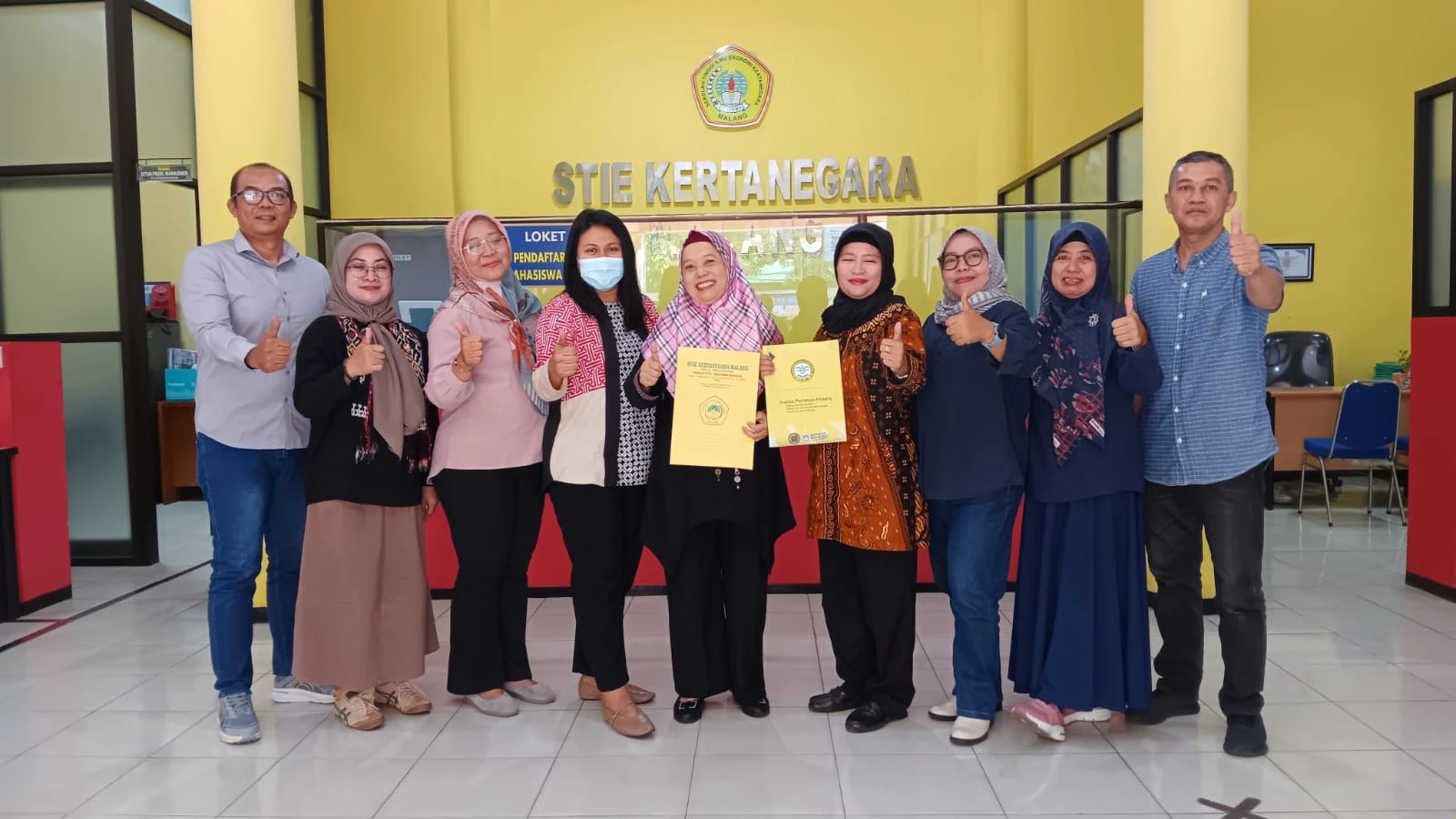

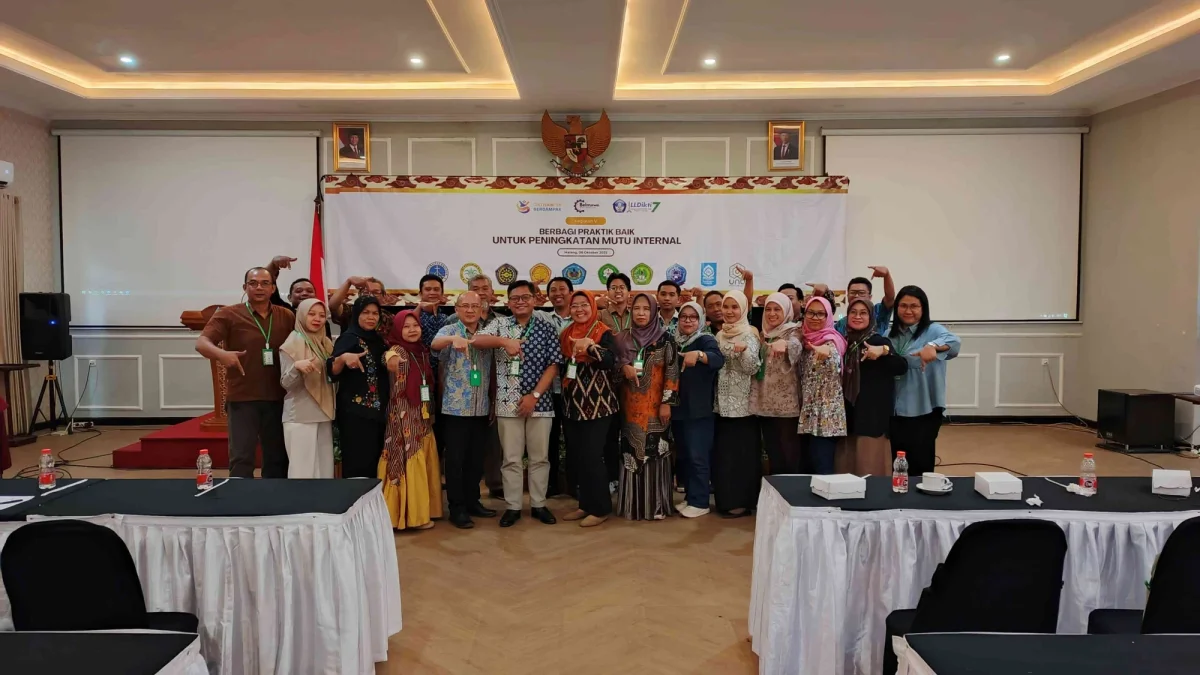


Founded in 1985, Institut Pertanian Malang is a higher-education institution based in Malang, Indonesia. The institution operates as a higher-education provider, providing higher-education access in Indonesia.
Location & Contact
Institut Pertanian Malang's on-the-ground location and digital channels to engage with the institution. Library access for prospective students is often arranged separately through the main library team.
Programs Offered
Institut Pertanian Malang's degree-level programme breakdown, with search. Industry-sponsored programmes often have bonded service or employment commitments — read the terms before accepting any sponsored place.
3 programmes on record. Compare these on the programs page All programs in Indonesia
How to apply to Institut Pertanian Malang
Step-by-step guidance for applying to Institut Pertanian Malang, covering the typical sequence from programme selection to admissions follow-up.
-
1
Find a programme that fits your goals
Begin by reviewing the programmes section above. Institut Pertanian Malang offers 3 programmes grouped by qualification level. Decide on a target tier (bachelor's, master's, or doctoral) before narrowing by subject.
-
2
Confirm you meet the requirements
Each programme at Institut Pertanian Malang has its own entry requirements — academic minimums, language proficiency, supporting documents, and sometimes interviews or portfolios. Check the programme-specific page or contact admissions to confirm eligibility.
-
3
Assemble your application package
Most applications require certified academic records, identification documents, language test certificates (IELTS, TOEFL, or equivalent for English-medium programmes), CV/résumé, and a statement of purpose. Allow extra time for document authentication.
-
4
Submit your application
Apply directly via Institut Pertanian Malang's online portal at ipm.ac.id. Complete the application form, upload supporting documents, and pay any application fee. Confirmation emails typically arrive within a few business days.
-
5
Contact admissions and follow up
After submitting, confirm receipt with the admissions office and track your application status through the portal. Set reminders for any interview requests, additional document submissions, or admission decision deadlines.
Frequently Asked Questions about Institut Pertanian Malang
Common questions students ask about Institut Pertanian Malang — answers pulled straight from the institution's published profile.
In what year was Institut Pertanian Malang established?
Institut Pertanian Malang was founded in 1985 (approximately 41 years ago).
Where is Institut Pertanian Malang located?
Institut Pertanian Malang is located in Malang, Indonesia.
Is Institut Pertanian Malang public or private?
Institut Pertanian Malang is a private institution.
How do I find Institut Pertanian Malang online?
The institution's website is ipm.ac.id.
Top-Ranked Universities in Indonesia
Faculty awards and national-leader status concentrate at the top Indonesia universities. Institut Pertanian Malang's faculty distinctions compared to leaders signal where the institution sits in academic networks.





Faculties at nearby universities
Below are universities in the same area as Institut Pertanian Malang.



Where Else to Study Agribusiness
Universities in Indonesia with Agribusiness programmes appear below, alongside Institut Pertanian Malang.





Universities Compared with Institut Pertanian Malang
These universities are of a comparable scale to Institut Pertanian Malang.




Studying in Indonesia: guides and resources





Spotted something outdated or missing?
Help us keep this page accurate — it takes about 30 seconds.