École Polytechnique Fédérale de Lausanne
Lausanne, Switzerland • Founded 1853 • World Rank #156
Updated May 2026
Overview
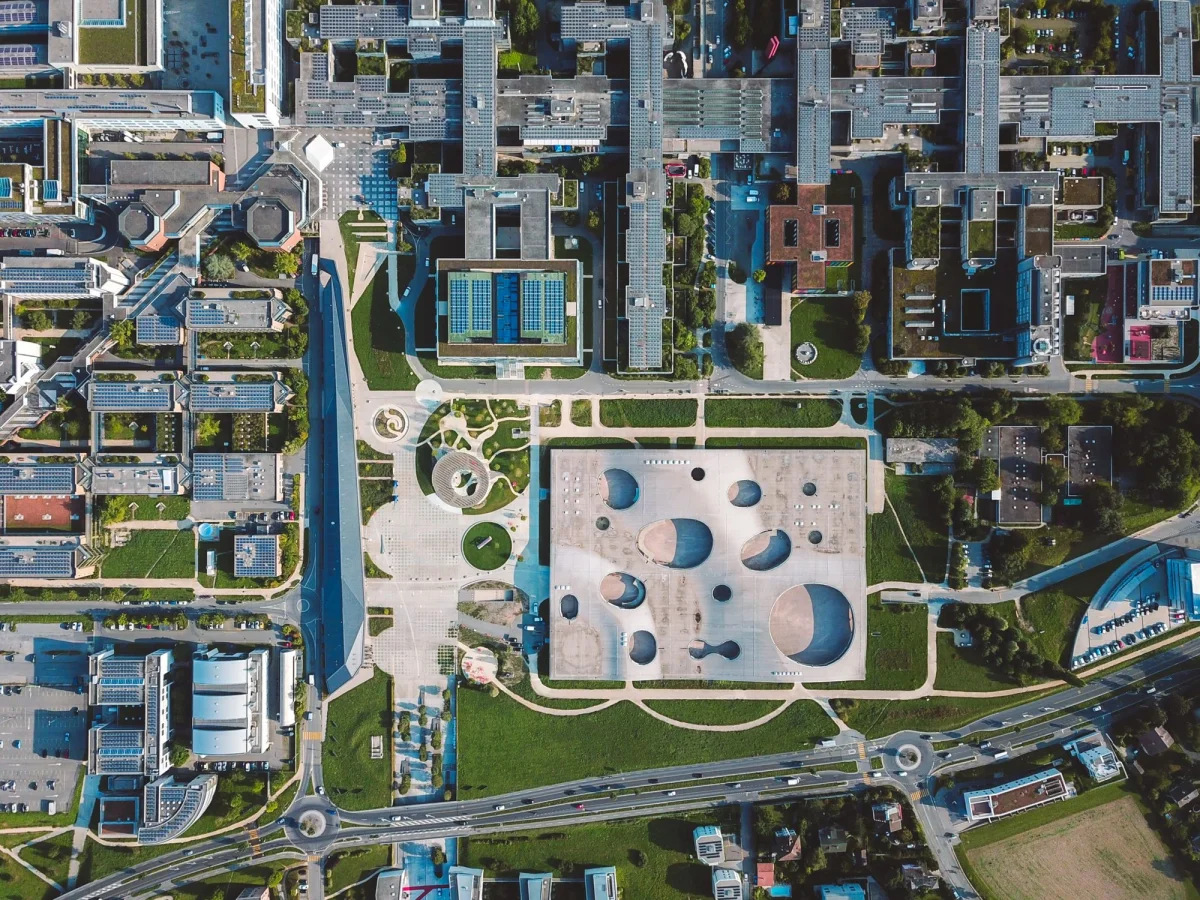

Founded in 1969, the École Polytechnique Fédérale de Lausanne (Swiss Federal Institute of Technology Lausanne) is a non-profit public higher education institution located in the suburban setting of the small city of Lausanne (population range of 50,000-249,999 inhabitants), Vaud.
This institution also has branch campuses in Sion, Neuchâtel, Geneva, Fribourg and Ras al-Khaimah. Officially recognized by the Staatssekretariat für Bildung, Forschung und Innovation, Schweiz (State Secretariat for Education, Research and Innovation of Switzerland), École Polytechnique Fédérale de Lausanne (EPFL) is a large-sized coeducational Swiss higher education institution.
École Polytechnique Fédérale de Lausanne (EPFL) offers courses and programs leading to officially recognized higher education degrees such as bachelor's degrees, master's degrees and doctorate degrees in several areas of study. This 55-year-old Swiss higher-education institution has a selective admission policy based on students' past academic records and grades.
International students are welcome to apply for enrollment.
EPFL also provides several academic and non-academic facilities and services to students including a library, housing, sports facilities, financial aids and/or scholarships, study abroad and exchange programs, online courses and distance learning opportunities, as well as administrative services.
Location & Contact
Below are École Polytechnique Fédérale de Lausanne's address, location data, and primary contact channels. These are the basics you'll want before scheduling a campus visit or sending a formal admissions enquiry.
Academic Details
Below are the institutional metrics for École Polytechnique Fédérale de Lausanne: scale, staffing balance, and accreditation context. These shape the academic experience more than headline rankings often suggest.
Academic Structures
École Polytechnique Fédérale de Lausanne's internal academic units — faculties, schools, and institutes — are grouped below. The breakdown helps when navigating departmental websites and specific contact points.
Unit 9 items
- College of Human Sciences
- College of Management of Technology
- EPFL Middle East
- Interfaculty Institute of Bioengineering
- School of Architecture, Civil and Environmental Engineering
- School of Basic Sciences
- School of Computer and Communication Sciences
- School of Engineering
- School of Life Sciences
Degrees
Also Double Diplomas, Joint Master’s Degrees and 1:1 Master’s Degrees
Bachelor's 17 programs
Bachelor's programmes build foundational expertise, preparing graduates for entry-level professional roles and further postgraduate study.
- Architecture
- Bioengineering
- Biological and Life Sciences
- Chemical Engineering
- Chemistry
- Civil Engineering
- Computer Science
- Electrical and Electronic Engineering
- Engineering
- Environmental Engineering
- Environmental Studies
- Materials Engineering
- Mathematics
- Mechanical Engineering
- Physics
- Robotics
- Telecommunications Engineering
Master's 26 programs
Master's programmes develop advanced specialised expertise, suited to senior industry positions and applied research.
- Applied Mathematics
- Applied Physics
- Architecture
- Arts and Humanities
- Biochemistry
- Bioengineering
- Biotechnology
- Chemical Engineering
- Civil Engineering
- Computer Engineering
- Computer Science
- Data Processing
- Energy Engineering
- Engineering
- Environmental Engineering
- Environmental Studies
- Finance
- Management
- Materials Engineering
- Mathematics
- Mechanical Engineering
- Molecular Biology
- Nuclear Engineering
- Physics
- Robotics
- Telecommunications Engineering
Doctoral 24 programs
Doctoral programmes train independent researchers, leading to academic, scientific, and senior advisory careers.
- Architecture
- Arts and Humanities
- Asian Studies
- Atomic and Molecular Physics
- Bioengineering
- Biological and Life Sciences
- Chemical Engineering
- Civil Engineering
- Computer Science
- Electrical Engineering
- Environmental Engineering
- Finance
- Industrial Engineering
- Management
- Materials Engineering
- Mathematics
- Mechanical Engineering
- Molecular Biology
- Neurosciences
- Physics
- Robotics
- Social Sciences
- Structural Architecture
- Technology
Faculties & Divisions
All faculties operate under Staatssekretariat für Bildung, Forschung und Innovation, Schweiz.
Humanities (College) 21 subjects offered
Specialisations & Subjects
- Ancient Religions
- Cinema and Television
- Communication Studies
- Contemporary History
- Cultural Studies
- East Asian Studies
- Environmental Studies
- Ethics
- Graphic Design
- Human Rights
- Industrial Design
- Media Studies
- Mediterranean Studies
- Music
- Performing Arts
- Philosophy
- Psychology
- Religious Studies
- Social Psychology
- Social Sciences
- Writing
Common Career Paths
- Researcher
- Editor
- Cultural Analyst
Illustrative career directions for this field; specific outcomes depend on programme and student choices.
Technology Management (College) 5 subjects offered
Specialisations & Subjects
- Econometrics
- Economics
- Finance
- Management
- Technology
Common Career Paths
- Operations Manager
- Project Manager
- HR Manager
Illustrative career directions for this field; specific outcomes depend on programme and student choices.
Architecture, Civil and Environmental Engineering (Faculty) 4 subjects offered
Specialisations & Subjects
- Architecture
- Civil Engineering
- Environmental Engineering
- Town Planning
Common Career Paths
- Engineer
- Project Manager
- Technical Consultant
Illustrative career directions for this field; specific outcomes depend on programme and student choices.
Basic Sciences (Faculty) 9 subjects offered
Specialisations & Subjects
- Applied Chemistry
- Astrophysics
- Biochemistry
- Biophysics
- Chemical Engineering
- Chemistry
- Mathematics and Computer Science
- Nanotechnology
- Physics
Common Career Paths
- Research Scientist
- Lab Technician
- Analyst
Illustrative career directions for this field; specific outcomes depend on programme and student choices.
Computer and Communication Sciences (Faculty) 4 subjects offered
Specialisations & Subjects
- Computer Networks
- Computer Science
- Multimedia
- Telecommunications Engineering
Common Career Paths
- Software Engineer
- Data Scientist
- Systems Analyst
Illustrative career directions for this field; specific outcomes depend on programme and student choices.
Engineering (Faculty) 6 subjects offered
Specialisations & Subjects
- Bioengineering
- Electrical Engineering
- Engineering
- Materials Engineering
- Mechanical Engineering
- Microelectronics
Common Career Paths
- Engineer
- Project Manager
- Technical Consultant
Illustrative career directions for this field; specific outcomes depend on programme and student choices.
Life Sciences (Faculty) 6 subjects offered
Specialisations & Subjects
- Bioengineering
- Biological and Life Sciences
- Biotechnology
- Health Sciences
- Neurosciences
- Oncology
Common Career Paths
- Research Scientist
- Lab Technician
- Analyst
Illustrative career directions for this field; specific outcomes depend on programme and student choices.
Programs Offered
The programmes you can apply for at École Polytechnique Fédérale de Lausanne are grouped by degree level. Programme-level accreditation (separate from institutional) matters for regulated professions like law, medicine, and engineering.
64 programmes on record. Each level below shows a sample. Compare these on the programs page All programs in Switzerland
Bachelor's Degree 13 programmes
Showing 10 of 13.
Master's Degree 29 programmes
Showing 10 of 29.
Doctorate 22 programmes
Showing 10 of 22.
How to apply to École Polytechnique Fédérale de Lausanne
How to apply to École Polytechnique Fédérale de Lausanne — a five-step structure with notes on documents, channels, and timing for each phase.
-
1
Find a programme that fits your goals
École Polytechnique Fédérale de Lausanne's catalogue includes 64 programmes. Browse by level, identify candidates matching your prior qualifications, and note their entry requirements for the next step.
-
2
Confirm you meet the requirements
Entry requirements vary by programme and degree level. Verify academic minimums, language tests (if international), and any additional documents required for École Polytechnique Fédérale de Lausanne's admissions process.
-
3
Assemble your application package
Typical documents include academic transcripts, identity proof (passport or national ID), language proficiency test scores, a personal statement or motivation letter, and recommendation letters. International applicants should account for translation and notarisation time.
-
4
Submit your application
Submit your completed application through École Polytechnique Fédérale de Lausanne's official website at www.epfl.ch. Most institutions use an online portal — register an account, complete the application form, and upload your prepared documents. Keep copies of all submissions and confirmation receipts.
-
5
Contact admissions and follow up
Follow up to confirm your application was received and is being processed. Reach the institution by phone at +41 (21) 693 1111. Admissions teams may request interviews or additional documents — respond promptly to keep your application active.
Frequently Asked Questions about École Polytechnique Fédérale de Lausanne
Quick answers to the most common questions about École Polytechnique Fédérale de Lausanne — covering location, founding, ranking, programmes, and admissions context.
When was École Polytechnique Fédérale de Lausanne founded?
École Polytechnique Fédérale de Lausanne was established in 1853 (approximately 173 years ago).
Where can I find École Polytechnique Fédérale de Lausanne?
The institution is located in Lausanne, Switzerland.
Is École Polytechnique Fédérale de Lausanne a public or private institution?
It is a public higher-education institution.
How many students does École Polytechnique Fédérale de Lausanne have?
The institution has a student body of 10,000-14,999.
How is École Polytechnique Fédérale de Lausanne ranked?
It ranks #156 globally and #3 in Switzerland.
What programmes are available at École Polytechnique Fédérale de Lausanne?
Programmes at École Polytechnique Fédérale de Lausanne cover bachelor's, master's and doctoral programmes.
How is École Polytechnique Fédérale de Lausanne organised academically?
École Polytechnique Fédérale de Lausanne has 9 academic units.
Who recognises École Polytechnique Fédérale de Lausanne?
École Polytechnique Fédérale de Lausanne is accredited by OAQ; CTI.
Where can I learn more about École Polytechnique Fédérale de Lausanne?
The institution's website is www.epfl.ch.
Members of Agence universitaire de la Francophonie (AUF)
Joint research grants among Agence universitaire de la Francophonie (AUF) members create funded collaborations that often extend to graduate-student opportunities. The network listed below collaborates regularly with École Polytechnique Fédérale de Lausanne.




Faculties at nearby universities
Nearby institutions to École Polytechnique Fédérale de Lausanne often share sports, residence, and student-life facilities through regional consortia. The shared infrastructure can shape your day-to-day experience meaningfully.

Where Else to Study Physics & Astronomy
Programme-led research opportunities for Physics & Astronomy students differ. Research-active programmes give undergraduates access to active labs; teaching-only programmes do not.




Universities Compared with École Polytechnique Fédérale de Lausanne
Peer cohort diversity — gender, nationality, socioeconomic background — varies more than rankings might suggest. Diversity affects classroom dynamics and post-grad networks.





Studying in Switzerland: guides and resources




Spotted something outdated or missing?
Help us keep this page accurate — it takes about 30 seconds.