Wageningen Universiteit crest

Wageningen Universiteit

Wageningen, Netherlands Founded 1876 World Rank #171

Overview

English Name: Wageningen University and Research
Local Name: Wageningen University and Research
Acronyms: WUR
Founded: 1876
Control Type: Public
Entity Type: Non-profit
World Rank: #171
Rank in Netherlands: #8
Motto: For quality of life
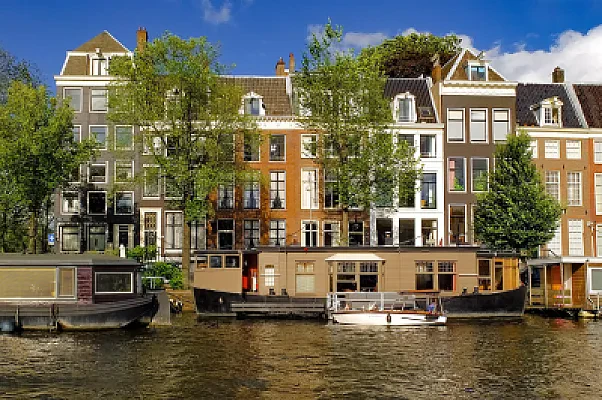
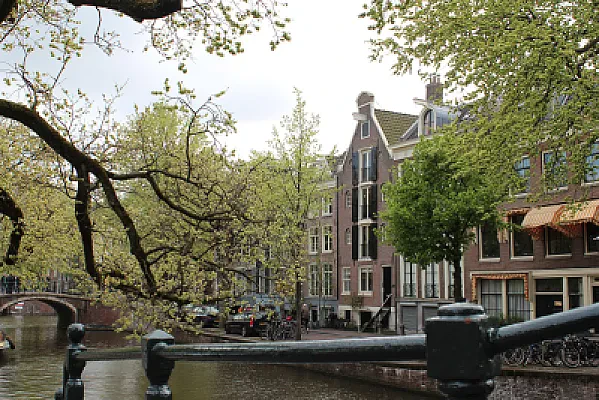
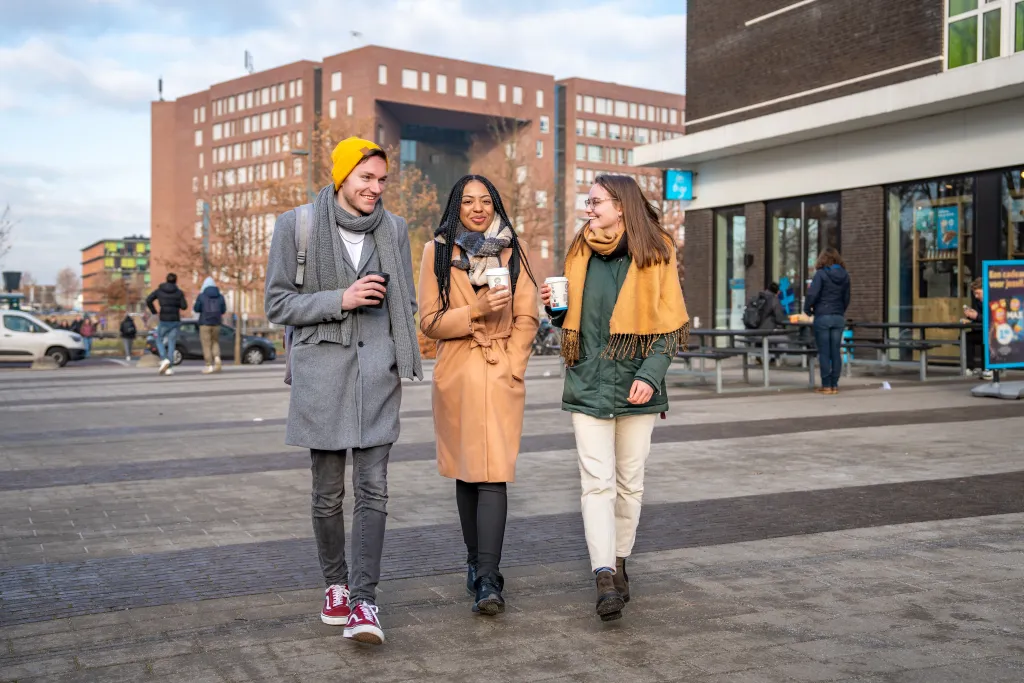
Wageningen Universiteit learning environment
1 / 2

Founded in 1918, the Wageningen Universiteit (Wageningen University and Research) is a non-profit public higher education institution located in the large town of Wageningen (population range of 10,000-49,999 inhabitants), Gelderland.

Officially recognized by the Ministerie van Onderwijs, Cultuur en Wetenschap, Nederland (Ministry of Education, Culture and Science of the Netherlands), Wageningen Universiteit (WUR) is a large-sized coeducational Dutch higher education institution. Wageningen Universiteit (WUR) offers courses and programs leading to officially recognized higher education degrees such as bachelor's degrees and master's degrees in several areas of study.

International students are welcome to apply for enrollment. WUR also provides several academic and non-academic facilities and services to students including a library, sports facilities, study abroad and exchange programs, as well as administrative services.

Location & Contact

Need to mail, call, or visit Wageningen Universiteit? Address, phone, and digital contact options below. Religious and cultural accommodation queries route through specific student services.

Address: Droevendaalsesteeg 4 P.O. Box 9101
Postal Code: 6700 HB
Other Sites: Also branch in Leeuwarden and Breda
Phone: +31 (317) 484 848
Fax: +31 (317) 485 123
Social Media:

Academic Details

Wageningen Universiteit at the institutional level: enrolment, staffing, and accreditation summary. Accreditation has expiry and renewal cycles worth checking on the awarding body site for currency.

Academic Year: September to July (September-October; October-December; January-February; March-April; May-July)
Accrediting Agency: Accreditation Organisation of the Netherlands and Flanders (NVAO)
Admission Requirements: Secondary school certificate in appropriate subjects (diploma VWO) or equivalent
Student Enrollment: 15
Academic Staff Range: 800-899
Memberships & Networks
European University Association (EUA)

Degrees

Each qualification level at Wageningen Universiteit appears below with its degrees. Research-by-thesis versus taught master's programmes differ in structure, assessment, and graduate-school positioning.

Bachelor's 6 programs

Bachelor's programmes build foundational expertise, preparing graduates for entry-level professional roles and further postgraduate study.

  • Animal Husbandry
  • Environmental Studies
  • Food Technology
  • Soil Science
  • Tourism
  • Water Management
Master's 11 programs

Master's programmes develop advanced specialised expertise, suited to senior industry positions and applied research.

  • Agriculture
  • Agronomy
  • Architecture and Planning
  • Biology
  • Biotechnology
  • Environmental Studies
  • Food Technology
  • Leisure Studies
  • Natural Sciences
  • Tourism
  • Water Science
Doctoral 2 programs

Doctoral programmes train independent researchers, leading to academic, scientific, and senior advisory careers.

  • Animal Husbandry
  • Genetics

Faculties & Divisions

All faculties operate under Ministerie van Onderwijs, Cultuur en Wetenschap, Nederland.

Agro-technology and Food Sciences (Department/Division) 14 subjects offered

Specialisations & Subjects

  • Agricultural Engineering
  • Biochemistry
  • Biophysics
  • Environmental Engineering
  • Food Science
  • Food Technology
  • Microbiology
  • Nutrition
  • Organic Chemistry
  • Physical Chemistry
  • Physics
  • Production Engineering
  • Safety Engineering
  • Toxicology

Common Career Paths

  • Research Scientist
  • Lab Technician
  • Analyst

Illustrative career directions for this field; specific outcomes depend on programme and student choices.

Animal Sciences (Department/Division) 11 subjects offered

Specialisations & Subjects

  • Animal Husbandry
  • Cell Biology
  • Epidemiology
  • Fishery
  • Genetics
  • Immunology
  • Nutrition
  • Physiology
  • Production Engineering
  • Veterinary Science
  • Zoology

Common Career Paths

  • Research Scientist
  • Lab Technician
  • Analyst

Illustrative career directions for this field; specific outcomes depend on programme and student choices.

Environmental Sciences (Department/Division) 15 subjects offered

Specialisations & Subjects

  • Ecology
  • Environmental Studies
  • Forest Management
  • Geology
  • Hydraulic Engineering
  • Information Sciences
  • Irrigation
  • Landscape Architecture
  • Meteorology
  • Natural Resources
  • Soil Management
  • Soil Science
  • Surveying and Mapping
  • Water Management
  • Water Science

Common Career Paths

  • Environmental Consultant
  • Sustainability Officer
  • Climate Analyst

Illustrative career directions for this field; specific outcomes depend on programme and student choices.

Plant Sciences (Department/Division) 17 subjects offered

Specialisations & Subjects

  • Bioengineering
  • Biotechnology
  • Botany
  • Cell Biology
  • Crop Production
  • Ecology
  • Entomology
  • Genetics
  • Horticulture
  • Mathematics
  • Molecular Biology
  • Physiology
  • Plant and Crop Protection
  • Plant Pathology
  • Production Engineering
  • Statistics
  • Virology

Common Career Paths

  • Research Scientist
  • Lab Technician
  • Analyst

Illustrative career directions for this field; specific outcomes depend on programme and student choices.

Social Sciences (Department/Division) 25 subjects offered

Specialisations & Subjects

  • Agricultural Economics
  • Agriculture
  • Business and Commerce
  • Communication Studies
  • Development Studies
  • Economics
  • Education
  • Environmental Management
  • Environmental Studies
  • Gender Studies
  • Government
  • History
  • Household Management
  • Information Technology
  • Law
  • Management
  • Marketing
  • Natural Resources
  • Philosophy
  • Rural Planning
  • Rural Studies
  • Social Sciences
  • Sociology
  • Technology
  • Transport Management

Common Career Paths

  • Researcher
  • Policy Analyst
  • Social Worker

Illustrative career directions for this field; specific outcomes depend on programme and student choices.

Agro-technology and Food Innovations (Institute) 1 subject offered

Specialisations & Subjects

  • Agronomy
Animal Disease Control (Institute) 1 subject offered

Specialisations & Subjects

  • Animal Husbandry
Food Safety (Institute) 2 subjects offered

Specialisations & Subjects

  • Food Science
  • Safety Engineering
International Agricultural Centre (Institute) 1 subject offered

Specialisations & Subjects

  • Agriculture
Plant Research (Institute) 1 subject offered

Specialisations & Subjects

  • Plant and Crop Protection
Agricultural Economics (Research Division) 1 subject offered

Specialisations & Subjects

  • Agricultural Economics

Common Career Paths

  • Economist
  • Policy Analyst
  • Financial Consultant

Illustrative career directions for this field; specific outcomes depend on programme and student choices.

Green World (Research Division) 1 subject offered

Specialisations & Subjects

  • Ecology
Business (School) 2 subjects offered

Specialisations & Subjects

  • Business Administration
  • Business and Commerce

Common Career Paths

  • Business Analyst
  • Operations Manager
  • Strategy Consultant

Illustrative career directions for this field; specific outcomes depend on programme and student choices.

Programs Offered

Wageningen Universiteit's teaching programmes are listed below — search or scan by level. International student eligibility varies by programme — some require additional language or visa-pathway checks.

Bachelor's Degree

5 programmes

Browse 5 programmes at Wageningen Universiteit for undergraduate entry. Each combines core theory with the credits needed to progress toward honours or a master's.

Earth System Sciences Agriculture & Environmental Sciences 3 years 180 ECTS credits English

The international bachelor's programme Earth System Sciences brings together hydrology, meteorology, and soil science. This natural sciences study programme, about the Earth system, focusses on the Earth’s surface and atmosphere, the environment in which we live.

You learn to describe and quantify physical, chemical and biological processes and their interactions from molecular to global scale.

Your knowledge will be essential in finding solutions to environmental challenges such as climate change, droughts and floods, sustainable land use, environmental pollution and the energy transition.

Do you have a broad interest in the Earth system and an affinity with mathematics, physics and chemistry? Are are curious and adventurous, and you want to make a difference? Then join the Wageningen Earth Sciences programme: Earth System Sciences!

Duration: 3 years
Credits: 180 ECTS credits
Local tuition: 2,694 EUR/year
International tuition: 18,300 EUR/year
Tourism (joint degree) 3 years 180 ECTS credits English

The Bachelor Tourism is an English-taught academic programme offered jointly by Breda University of Applied Sciences and Wageningen University & Research. As the first of its kind in the Netherlands, this scientific programme deals with developments in tourism and the interrelationships between tourism, the economy, society and the environment. You will learn how to study tourism from different scientific perspectives. After graduation of the Bachelor in tourism, you can apply your knowledge to the sustainable development of tourism, or continue your education with a master's programme.

Why this programme?

  • Interdisciplinary study of tourism combining social, economic and environmental sciences.
  • Joint academic degree of WUR and Breda University of Applied Sciences.
  • Conclusion of the second year with an international field project.
Duration: 3 years
Credits: 180 ECTS credits
Local tuition: 2,694 EUR/year
International tuition: 18,300 EUR/year
Environmental Sciences Agriculture & Environmental Sciences 3 years 180 ECTS credits English

How to ensure a healthy living environment with seven billion people on our planet? This is what the interdisciplinary bachelor's programme Environmental Sciences is about.
You can learn how to investigate environmental issues like pollution, climate change and depletion of natural resources from a natural and social scientific perspective, and explore innovative sustainable solutions.

Duration: 3 years
Credits: 180 ECTS credits
Local tuition: 2,694 EUR/year
International tuition: 18,300 EUR/year
Marine Sciences Agriculture & Environmental Sciences 3 years 180 ECTS credits English

What do you think about the Ocean Clean-up Project? Do you see offshore wind farms as a good alternative to obtaining renewable energy? Do you follow social media accounts about oceans and marine animals? Dive deeper into these topics with the Marine Sciences bachelor’s programme.

The way we use the seas is changing. For food, mineral extraction, transport, wind energy and tourism. Warming seawaters, overfishing, pollution, and rising sea levels have deep effects on ecological processes and the communities living by and from the sea.

In the English-taught Marine Sciences bachelor’s programme, you learn to understand marine systems. Study the sea from an ecological perspective, but also focus on the importance of the ocean for food and society. For example, dive into the causes and consequences of ocean pollution and opportunities for sustainable food supply.

Change the future with sustainable, inclusive solutions for nature, food, and society

Why this programme?

  • Marine Sciences is unique in the Netherlands. There are no other scientific bachelor’s programmes in this field in the country.
  • Since you learn about the sea from the perspectives of nature, food, and society, you soon gain enough experience to work in a collaborative, multidisciplinary way.
  • Innovative, sustainable solutions for the sea are sorely needed. This field is waiting for professionals like you.
Duration: 3 years
Credits: 180 ECTS credits
Local tuition: 2,694 EUR/year
International tuition: 18,300 EUR/year
Animal Sciences Agriculture & Environmental Sciences 3 years 180 ECTS credits English

Do you love animals and want to make a difference in their lives? From pets to livestock and fisheries, you’ll explore the biology of animals and learn how to manage their health, improve sustainability, and promote responsible practices. Whether it’s food production, companionship, sports, or nature conservation, you’ll study how animals contribute to our society and well-being. Ready to turn your passion into impact? Join the BSc Animal Sciences programme!

Duration: 3 years
Credits: 180 ECTS credits
Local tuition: 2,694 EUR/year
International tuition: 18,300 EUR/year

Master's Degree

47 programmes

At postgraduate taught level, Wageningen Universiteit runs 47 programmes. These master's degrees suit applicants ready to concentrate on a narrower field than their bachelor's covered.

Biology Agriculture & Environmental Sciences 2 years 120 ECTS credits English

Do you want to understand living systems? Help preserve biodiversity, our environment or human and animal health? Then the master's Biology is the right fit for you.
Biological issues are at the forefront of technological advances in today’s society. They are central to global concerns about how we affect our environment, and how our environment affects us. It is a unique intellectual challenge to understand the complexity of biological systems at scales ranging from single molecules to whole ecosystems and from single generations to evolutionary timescales.

You will obtain a broad overview of the latest developments in the field, ranging from genes to ecosystems. You will learn to critically discuss and reflect on current scientific advances.

What makes the master's Biology unique?

  • You will learn about cutting edge research and techniques from teachers who are experts in the field
  • You can construct your own tailor made study programme, supported by study advisors
  • Attention for personal growth, development and skills training
  • Internationally oriented

Specialisations

Within the master's programme you can choose one of the following specialisations to meet your personal interests.

  • Cell Biology and Molecular Interactions
  • Development and Adaptation
  • Health and Disease
  • Ecology
Duration: 2 years
Credits: 120 ECTS credits
Local tuition: 2,694 EUR/year
International tuition: 21,900 EUR/year
Tourism, Society and Environment Agriculture & Environmental Sciences 2 years 120 ECTS credits English

The MSc Tourism, Society and Environment is a two year programme, starting every year in September. In total the programme comprises 120 credits (ECTS = European Credits Transfer System), 60 credits per year. The programme consists of course work, an internship and a thesis research. Generally the first year is entirely dedicated to course work and the second year is split between internship and thesis.

Why this programme?

  • Rated as an excellent education and research programme by the NVAO (Dutch-Flemish Accreditation Organisation).
  • The only MSc tourism programme with a sustainable focus.
  • Practical experience through internships, consultancy assignments and fieldwork.
Duration: 2 years
Credits: 120 ECTS credits
Local tuition: 2,694 EUR/year
International tuition: 21,900 EUR/year
Management, Economics and Consumer Studies Agriculture & Environmental Sciences 2 years 120 ECTS credits English

The Master Management, Economics and Consumer Studies in Wageningen, analysis the interrelationships between consumers, supply chain, producers, and society-at-large.
During the master, you will study managerial, economic, sociological and environmental aspects of households and businesses.

Duration: 2 years
Credits: 120 ECTS credits
Local tuition: 2,694 EUR/year
International tuition: 21,900 EUR/year
Resilient Farming and Food Systems Agriculture & Environmental Sciences 2 years 120 ECTS credits English

The ever increasing demand for organically produced foods requires new and different production systems.
In order to create such sustainable organic production systems a fresh scientific approach is needed. The university has created a programme to train academic professionals who want to work in this field.

Duration: 2 years
Credits: 120 ECTS credits
Local tuition: 2,694 EUR/year
International tuition: 21,900 EUR/year
Biobased Sciences Agriculture & Environmental Sciences 2 years 120 ECTS credits English

MSc Biobased Sciences focuses on the transition from a petrochemical to a biobased and circular economy.
The masterprogramme Biobased Sciences teaches interdisciplinary design of biobased production chains including biomass production, bioconversion, biorefinery and societal, logistic and economic transition processes. Thus, technical, economic, social and environmental aspects are integrated to come to a transition to a biobased and circular economy.

Duration: 2 years
Credits: 120 ECTS credits
Local tuition: 2,694 EUR/year
International tuition: 21,900 EUR/year
Urban Environmental Management Agriculture & Environmental Sciences 2 years 120 ECTS credits English

The world we live in is an increasingly urban one as cities currently account for half the world's population.
By 2030, it is expected that three out of every five people will live in an urban environment. Sustainable management of the urban environment has become one of the major challenges of the 21st century as you will learn during the two-year Master Urban Environmental Management programme at the university. This development calls for control of the environmental impacts of urbanisation like growing traffic, increasing waste emissions, deteriorating air and water quality, and growth in energy and resource consumption.

Duration: 2 years
Credits: 120 ECTS credits
Local tuition: 2,694 EUR/year
International tuition: 21,900 EUR/year
Health and Disease Natural Sciences & Mathematics 2 years 120 ECTS credits English

You will focus on the prevention of health problems and the functioning of healthy organisms. Therefore, you will learn about molecular, immunological, virological, physiological and disease ecological approaches.

Thesis examples

  • Transmission of white spot syndrome virus improved-extensive and semi-intensive shrimp production systems: a molecular epidemiology study
  • Characterization of a wheat HSP70 gene and its expression in response to stripe rust infection and abiotic stress
  • The role of opioids in protective immune responses of carp
Duration: 2 years
Credits: 120 ECTS credits
Local tuition: 2,695 EUR/year
International tuition: 21,900 EUR/year
Metropolitan Analysis, Design and Engineering 2 years English

The master's Metropolitan Analysis, Design and Engineering (MSc MADE) is a master's with a focus on sustainable development.
You learn to create innovative solutions for the challenges that metropolitan regions are facing in securing environmental change, urban sustainability and the quality of life in cities.

MSc MADE is an interdisciplinary programme of both Wageningen University & Research and Delft University of Technolgy. In this master's you tackle particularly complex problems deriving from urbanisation. These issues include mobility and logistics, water and waste management, and energy and food security.

Duration: 2 years
Local tuition: 2,694 EUR/year
International tuition: 21,900 EUR/year
Bioinformatics and Systems Biology Agriculture & Environmental Sciences 2 years 120 ECTS credits English

Bioinformatics and Systems Biology are scientific disciplines with roots in computer science, statistics and molecular biology. Bioinformatics was developed to cope with the output of genome sequencing initiatives, that resulted in large amount of data available about DNA, RNA, derived proteins and metabolomics. Bioinformaticians and systems biologists apply information technology to store, retrieve and manipulate these data and employ statistical methods capable of analysing large amounts of biological data to predict gene functions and to demonstrate the relationship between genes, proteins, and metabolites.

Duration: 2 years
Credits: 120 ECTS credits
Local tuition: 2,694 EUR/year
International tuition: 21,900 EUR/year
Geo-information Science Agriculture & Environmental Sciences 2 years 120 ECTS credits English

Do you want to contribute to solving multidisciplinary and complex issues using Geo- information science, geo-informatics and remote sensing?
Then the master Geo- Information Science is a perfect match for you! The increasing complexity of our society demands for specialists who can collect, manage, analyse and present spatial data using state-of-the-art methods and tools. At Wageningen University & Research we offer a unique, top-quality programme that blends geo-information science methods, technologies and applications within environmental and life sciences for a changing world. Our Geo-information Science graduates usually have a job waiting for them on graduation.

Duration: 2 years
Credits: 120 ECTS credits
Local tuition: 2,694 EUR/year
International tuition: 21,900 EUR/year
Sustainable Supply Chain Analytics Business & Management 2 years English

Are you business-minded and eager to use data analytics to tackle supply chain complexities in a sustainable way? Then this programme is designed for you! You will learn quantitative methods and tools to deal with the complexity of modern business decision making in sustainable supply chains. As a graduate, you understand supply chain processes and their key trade-offs, you can envision how new developments can be applied in businesses to make an impact, and you are able to analyse and solve complex business and supply chain decision problems in practice using quantitative tools.

Duration: 2 years
Local tuition: 2,694 EUR/year
International tuition: 21,900 EUR/year
Water Technology (joint degree) Engineering & Technology 2 years 120 ECTS credits English

Solving global water problems requires a multidisciplinary approach of knowledge and skills. That is why the Wetsus Institute and three Dutch universities offer a joint degree in Water Technology.
The Water Technology Master's degree programme is a two-year programme offered jointly by Wageningen University, University Twente and University of Groningen with all education being provided at Wetsus, European Centre of Excellence for sustainable water technology, in Leeuwarden.In the field of water technology, breakthrough technological developments are required. Not only to enable the export ambitions of the water sector but also to solve global threats and challenges in society. The main added value of the course lies in the multidisciplinary study of biotechnology and separation technology. Such a combined technological approach may offer a solution to global developments within business and society and have a worldwide impact on the demand for and use of water. This programme will qualify you as the expert who is able to participate in resolving worldwide water issues. It enables students to complement their Bachelor of Science degree with scientific knowledge and capabilities that they need for a successful career in the dynamic international setting of business and research. To apply for this programme, please visit the website of Wageningen University. Detailed information

Duration: 2 years
Credits: 120 ECTS credits
Local tuition: 2,694 EUR/year
International tuition: 21,700 EUR/year
Marine Resources and Ecology Agriculture & Environmental Sciences 2 years 120 ECTS credits English

Do you see the value of the many services the ocean offers us? Want to ensure that we use these resources sustainably, in such a way that ecosystems are protected or even restored? Then choose the specialisation Marine Resources and Ecology.

You learn to contribute to sustainable solutions on topics like fisheries, climate change and pollution. You can follow courses on marine ecology, water quality, fisheries and socio-ecological systems.

Thesis examples

Some thesis examples for the specialisation Marine Resources and Ecology:

  • Effect of floating solar panels on water quality.
  • Introduction of European flat oyster to the North Sea, facilitation of the native by the invasive oyster?
  • Invasive seagrass expansion in the Caribbean and impacts of temperature, eutrophication and grazing.
  • Analysing effects of Nature Friendly Banks on aquatic organisms.
Duration: 2 years
Credits: 120 ECTS credits
Local tuition: 2,695 EUR/year
International tuition: 21,900 EUR/year
Health Management in Aquaculture (double degree) Agriculture & Environmental Sciences 2 years English

The international master's Health Management in Aquaculture Management is a joint programme between leading research institutes Wageningen University & Research, NTNU (Norway), Ghent University (Belgium) and Universitat Autonoma Barcelona (Spain).

Duration: 2 years
Local tuition: 2,694 EUR/year
International tuition: 21,900 EUR/year
Food Technology Agriculture & Environmental Sciences 2 years 120 ECTS credits English

Wageningen University & Research is one of the leading universities in Food Science and Technology in Europe and the world. The MSc Food Technology is considered to be one of the best and most innovative programmes in its field and has a academic history of more than 50 years. In this programme, the characteristics of food products and their production process are central. Does your interest lie in sustainable food production, or in innovation and management? Or do you want to focus on product design, or the production of food using micro-organisms and enzymes? With a solid technological background, you will further specialize in any of these directions within two years, at a top program with many options and excellent career prospects

Duration: 2 years
Credits: 120 ECTS credits
Local tuition: 2,694 EUR/year
International tuition: 21,900 EUR/year
Online Master's Nutritional Epidemiology and Public Health Medicine & Health 2 years 120 ECTS credits English

This part time online MSc programme in English in the field of nutritional epidemiology and public health aims at elucidating the relationships between dietary intake, nutritional status and health outcomes.
We train future epidemiologists in observational and intervention studies, with the aim of finding novel ways to prevent disease and promote health. This will be based on studying the aetiology of diet related diseases (from a biomedical perspective), the strategies for prevention in the community setting (from a behavioural and environmental perspective) and treatment in the curative setting (from a clinical perspective). In this way, epidemiology strengthens the understanding of maintaining good health and disease aetiology, and helps quantify the impact of public health interventions on individual and environmental outcomes.

Duration: 2 years
Credits: 120 ECTS credits
Local tuition: 2,695 EUR/year
International tuition: 12,045 EUR/year
Food Quality Management Agriculture & Environmental Sciences 2 years 120 ECTS credits English

The two year Food Quality Management Master of Science study programme offers an integrated approach to the study and assessment of quality processes in the agrifood chain.
Combining the life and the social sciences, the exclusively developed techno-managerial approach allows students to study the whole supply chain from the primary sector to the final consumer. The programme offers the following specialisations:

A) Quality Control and Assurance

B) Quality and Food Logistics

C) User oriented Food Quality

D) Quality Managment and Entrepeneurship.

Students with a background in food, nutrition, management sciences and or/logistics are welcome to apply!

Duration: 2 years
Credits: 120 ECTS credits
Local tuition: 2,694 EUR/year
International tuition: 21,900 EUR/year
International Development Studies Agriculture & Environmental Sciences 2 years 120 ECTS credits English

Do you often wonder why it remains so hard to tackle global challenges such as poverty, inequality and environmental degradation? Are you intrigued by topics like migration, climate justice and social unrest? If so, join the MSc in International Development Studies and learn how to contribute to a more just and sustainable future. The world around us is constantly evolving, and so is our understanding of development and processes of change. In this two-year MSc programme, you learn to study these processes in a critical and reflexive manner, acknowledging the dilemmas and complexities that are inherently part of development theories and policies. Tailor your programme to your personal interests and delve into themes like political change, food security, disasters, natural resource depletion, and inclusive development.

Duration: 2 years
Credits: 120 ECTS credits
Local tuition: 2,694 EUR/year
International tuition: 21,900 EUR/year
Biotechnology Agriculture & Environmental Sciences 2 years 120 ECTS credits English

Biotechnology is defined as the industrial exploitation of living organisms or the exploitation of components derived from these organisms. Its practical applications include age-old techniques such as brewing and fermentation, which are still important today. In the past decades, gene modification has revolutionized the biotechnology industry, spawning countless new products and improving established processes. More and more types of fermentation are being used, and most new medicines or vaccines are products of biotechnology. Modern biotechnology has become an applied area of science with a multidisciplinary approach embracing recombinant DNA technology, cellular biology, microbiology, biochemistry, as well as process design, engineering, and modelling.

Duration: 2 years
Credits: 120 ECTS credits
Local tuition: 2,694 EUR/year
International tuition: 21,900 EUR/year
Plant Sciences Agriculture & Environmental Sciences 2 years 120 ECTS credits English

Plants form the basis of life as they convert sunlight into an inexhaustible source of food and renewable raw materials.
Plants also have a stabilising effect in (agro) ecosystems, a landscape function and ornamental value. In a nutshell, we cannot do without plants.

Duration: 2 years
Credits: 120 ECTS credits
Local tuition: 2,694 EUR/year
International tuition: 21,900 EUR/year
Climate Studies Agriculture & Environmental Sciences 2 years 120 ECTS credits English

The question is no longer if our climate will change, but how it will change and how we will adapt to these changes. As challenges crystallise, the demand for scientists able to understand and investigate them rises.

The MSc Climate Studies programme focuses on an improved understanding of climate change across the earth and its impact on ecosystems and society. It does not only cover the most important geophysical and biogeochemical processes involved in climate change (the mechanisms), but it also covers the socio-economic aspects of causes and effects, as well as adaptation and mitigation as the main categories of societal response. It combines and integrates the knowledge and expertise from three domains: Earth Sciences, Life Sciences, and Social Sciences.

Duration: 2 years
Credits: 120 ECTS credits
Local tuition: 2,694 EUR/year
International tuition: 21,900 EUR/year
Nutrition and Health Agriculture & Environmental Sciences 2 years 120 ECTS credits English

Are you interested in nutrition and health? Then this is the right place for you.
Learn more about the MSc Nutrition and Health at Wageningen University & Research. The full time on campus master programme and the part time online master programme give you the chance to study an important concept of our lives nowadays, that is the impact of nutrition on our health.

Duration: 2 years
Credits: 120 ECTS credits
Local tuition: 2,694 EUR/year
International tuition: 21,900 EUR/year
Online Master's Food Technology Engineering & Technology 2 years 120 ECTS credits English

The online master specialisation Food Technology focuses on the core of food technology: ingredient functionality, sustainable food process engineering and product design.
The online specialisation is part of the master Food Technology, which is one of the best and most innovative programmes in Europe and worldwide. You will learn how to perform food science research, design food products and improve food production processes. Since the programme includes input from different disciplines: food chemistry, food physics, food microbiology, food process engineering and food quality & design, you will be able to work in different branches of the food industry.

Duration: 2 years
Credits: 120 ECTS credits
Local tuition: 2,695 EUR/year
International tuition: 12,045 EUR/year
Food Safety Agriculture & Environmental Sciences 2 years 120 ECTS credits English

Wageningen University & Research is one of the leading centres in the Food Sciences globally, moreover, the Food Safety programme at WUR was the first MSc in Food Safety
worldwide. This programme offers three unique specialisations:

(A) Applied Food safety
(B) Food Law and Regulatory Affairs
(C) Supply Chain Safety

Students with a background in Law, supply chain management and or a logistical background and an interest in food related topics are therefore also welcome to apply for this programme!

Where other programmes in this field may focus solely on the technological aspects of food safety or focus on the interaction of food safety and food quality, this programme

at Wageningen University with its three unique specialisations offers a more integrated, multidisciplinary approach to Food Safety. Alumni find jobs in research, consultancy, as

a food safety officer, regulatory affairs officer, PhD student, Microbiologist, QA manager, etcetera.

Duration: 2 years
Credits: 120 ECTS credits
Local tuition: 2,694 EUR/year
International tuition: 21,900 EUR/year
Marine Resources and Society 2 years 120 ECTS credits English

Interested in the human dimension of marine resource management? Convinced that knowledge on economics, law and governance is crucial in order to sustainably use marine resources? Then choose the specialisation Marine Resources and Society.

You will learn which social and economic strategies can help protect, restore and sustainably use the oceans. From local to national and international levels, taking into account social and cultural norms, values, rules and knowledge.

You can follow courses on Environmental Policy, Globalization, Politics, International Environmental Law and Environmental Economics.

Thesis examples

Some thesis examples for the specialisation Marine Resources and Society:

  • Does MSC certification make fisheries more sustainable?
  • The economics of overfishing and poverty traps
  • Bottom-up sustainability standards for South East Asian aquaculture
  • The evolution of social norms for cooperative resource harvesting
  • Options for an International Environmental Agreement to combat marine plastic litter
Duration: 2 years
Credits: 120 ECTS credits
Local tuition: 2,695 EUR/year
International tuition: 21,900 EUR/year
Consumer Studies Business & Management 2 years English

Why do consumers behave the way they do? What are their needs, desires and practices? How does this relate to society, where health and sustainability are seen as increasingly important?

Consumer Studies offers a unique approach to study consumers in an ever changing society. This two-year program provides you the knowledge and skills to analyse consumers. You will understand how consumers take rational and emotional decisions, in the short and the long-run. As a graduate in Consumer Studies you can find employment in businesses, NGO’s or governmental advisory roles or research and education.

Duration: 2 years
Local tuition: 2,694 EUR/year
International tuition: 21,900 EUR/year
Molecular Life Sciences Agriculture & Environmental Sciences 2 years 120 ECTS credits English

From the discovery of new energy sources to the design of enzymes to produce new medicines, most cutting-edge research requires knowledge of molecular processes.
The two year MSc Molecular Life Sciences study programme focuses on the molecular aspects within the fields of nutrition, health, nature and the living environment.
This MSc programme consists of four specialisations that are based upon a unique combination of three main disciplines: biology, chemistry and physics. Research is an important part of the programme and there is a wide variety of research subjects to choose from in order to carry out your thesis and internship during your second year. The combination of chemistry, physics and biology is especially appealing to many employers.

Duration: 2 years
Credits: 120 ECTS credits
Local tuition: 2,694 EUR/year
International tuition: 21,900 EUR/year
Cell Biology and Molecular Interactions Natural Sciences & Mathematics 2 years 120 ECTS credits English

You will study processes at a molecular and cellular level using modern, state of the art research techniques. This will help you understand complex biological processes and phenomena such as evolution, aging, symbiosis, bio-interactions, physiology and immunology.

Thesis examples

  • Applying whole genome engineering techniques for the manipulation of Pseudomonas putida
  • Exploring microbial diversity of marine sponges using 16S rRNA high-throughput methods
  • Synthetic microbes on the loose: a series of biocontainment strategies for cell factories
Duration: 2 years
Credits: 120 ECTS credits
Local tuition: 2,695 EUR/year
International tuition: 21,900 EUR/year
Online Master's Plant Breeding Agriculture & Environmental Sciences 2 years English

Plant Breeding plays an important role in the development of plant varieties for food, feed and industrial uses.
New varieties have to meet current demands regarding yield, disease resistance, quality characteristics, salt or drought tolerance and suitability for sustainable plant production systems. Plant Breeding involves a variety of aspects, ranging from the molecular level to the population level and requires knowledge on the physiology, ecology and genetics of cultivated plants. The use of various molecular techniques contributes enormously to the rapid identification of genes for natural resistance and is essential for accelerating the selection process by marker-assisted breeding.

Duration: 2 years
Local tuition: 2,695 EUR/year
International tuition: 12,045 EUR/year
Information and Communication Technologies for Development (double degree) Humanities & Cultural Studies 2 years English

The Double Degree (DD) Information & Communication Technologies for Development (ICT4D) aims at international students (especially non-EU students) with a strong interest in the role of ICTs in development processes.

Duration: 2 years
Local tuition: 2,694 EUR/year
International tuition: 21,900 EUR/year
Governance of Sustainability Transformations Business & Management 2 years English

To address sustainability challenges related to climate, water, energy, food and biodiversity, transformative changes are needed in the way we think, organise, decide and act. But how to bring such fundamental changes about? Can governments, businesses and civil society organise or steer these transformations? If so, how? What are the types of resistance and barriers to change? How is governance embedded in a turbulent, multi-level and polycentric world?

These are several of the big governance questions that are at the core of this exciting social science programme, which aims to educate future leaders and change-makers in governments, NGOs and academia. You will develop in-depth understanding of the sociological, political and legal dimensions of transformative governance and put this to work through future scenario-building exercises, individual and group-based skill and personal development sessions, an internship, a thesis and more. Small-scale collaborative learning is at the centre of this program in which the constructive dialogue between students and teachers is key. The programme’s embeddedness in one of the world’s leading life sciences university creates ample opportunities for the development of true interdisciplinary skills and science for impact, which are needed to address today’s and future grand sustainability challenges.

Duration: 2 years
Local tuition: 2,694 EUR/year
International tuition: 21,900 EUR/year
Agroecology (double degree) Agriculture & Environmental Sciences 2 years English

When you choose the double degree programme Agroecology you will complete your first year in Wageningen.

Duration: 2 years
Local tuition: 2,694 EUR/year
International tuition: 21,900 EUR/year
Aquaculture Agriculture & Environmental Sciences 2 years 120 ECTS credits English

Are you interested in fish biology and technology? Convinced that fish and algae are vital for feeding the world and curious how to do this in a sustainable way? Then choose the specialisation Aquaculture.

You will learn to design sustainable production systems for fish, shellfish, shrimp, corals, sponges and seaweed. The options are numerous: from sea-enclosures to semi-extensive ponds and high-tech recirculation systems.

You can follow courses on aquaculture production system design, fish and algal biology and economic and social aspects of aquaculture.

Thesis examples

Some thesis examples for the specialisation Aquaculture:

  • Using the microbial food web in a pond to utilize non-conventional products, food waste and agricultural by-products as feed ingredients.
  • Improving the attachment of seaweeds to substrates by adjusting the culture conditions
  • The regulation of gametogenesis and the evolution of different reproductive modes in fish.
  • Unravelling how feed additives modulate the immune system and improve fish health.
  • Understanding patterns of variation during evolution or domestication of fish using whole-genome bioinformatics approaches.
Duration: 2 years
Credits: 120 ECTS credits
Local tuition: 2,695 EUR/year
International tuition: 21,900 EUR/year
Agroecology 2 years English

Due to concerns about the sustainability of conventional farming practices, food safety issues and pollution of the environment,

Duration: 2 years
Sustainable Business and Innovation Business & Management 2 years 120 ECTS credits English

The world faces enormous sustainability challenges and must rely for an important part on innovative businesses to address these. To become a part of sustainable solutions, firms and markets need to transform, realising organisational renewal and sustainable value propositions, making effective use of data‐driven and smart innovations, and re‐aligning with partners in global and local value chains. In this Master programme, you will acquire knowledge, skills and competencies from both, business science and marketing, to become a manager, marketer or entrepreneur who can lead a sustainable business, contributing to a sustainable future.

Duration: 2 years
Credits: 120 ECTS credits
Local tuition: 2,694 EUR/year
International tuition: 21,900 EUR/year
Plant Biotechnology Agriculture & Environmental Sciences 2 years 120 ECTS credits English

Plants form the basis of life as they convert sunlight into an inexhaustible source of food and renewable raw materials
Plants also have a stabilising effect in (agro) ecosystems, a landscape function and ornamental value. In a nutshell, we can't do without plants. Modern molecular biology has opened up a whole new range of techniques and possibilities to scientists working in the different fields of the classical plant sciences (e.g. plant physiology, plant breeding, plant pathology). The combination of these disciplines forms a challenging domain: Plant Biotechnology.

Duration: 2 years
Credits: 120 ECTS credits
Local tuition: 2,694 EUR/year
International tuition: 21,900 EUR/year
Forest and Nature Conservation Agriculture & Environmental Sciences 2 years 120 ECTS credits English

The Master Forest and Nature Conservation focuses on policy, sustainable management and conservation of forest and nature,
i.e. understanding and predicting the effect of phenomena such as deforestation, biodiversity loss, ecotourism, timber production and animal reintroduction. Insights into all aspects of forest and nature conservation are required to address these issues. The study programme represents an integrated approach to natural resource management that can be applied at different scales, to diverse ecosystems and in varying political and social contexts. An outstanding research environment and three comprehensive specialisations contribute to making the programme challenging for undergraduates from both the natural and social sciences.

Duration: 2 years
Credits: 120 ECTS credits
Local tuition: 2,694 EUR/year
International tuition: 21,900 EUR/year
International Land and Water Management Agriculture & Environmental Sciences 2 years 120 ECTS credits English

The two-year Master International Land and Water Management programme focuses on the scientific analysis of land and water management issues at different scales.
An integration of physical, technical, socio-economic and political dimensions in various approaches is sought in order to critically analyse, understand and tackle land and water management problems. Students will develop a comparative insight into the development of land and water management, take an academic approach to various research paradigms, and acquire a problem-oriented, interdisciplinary attitude towards land and water management and rural development issues.

Duration: 2 years
Credits: 120 ECTS credits
Local tuition: 2,694 EUR/year
International tuition: 21,900 EUR/year
Development and Rural Innovation Agriculture & Environmental Sciences 2 years 120 ECTS credits English

Societal problems cannot be solved by technology alone. Innovation processes like the transition towards more sustainability and better food security are essentially also social processes. That is why students of the master's Development and Rural Innovation learn to look at the whole picture.

The MSc Development and Rural Innovation is a two-year social sciences programme designed especially for students with a technical, life sciences or relevant management background and an interest in international development. You will learn to understand social aspects of transformation and deal with knowledge processes in dynamic contexts worldwide.

Duration: 2 years
Credits: 120 ECTS credits
Local tuition: 2,694 EUR/year
International tuition: 21,900 EUR/year
Landscape Architecture and Planning Agriculture & Environmental Sciences 2 years 120 ECTS credits English

Landscapes form our living environment. Most of the landscapes we live in are the result of our complex interaction with the natural world. Landscape architects and spatial planners who graduate from this master’s understand the challenges we face when shaping and creating the landscapes that form our living environment.

Why this programme?

  • Learn to develop sustainable solutions for key landscape challenges such as climate change, energy needs, health, food security and urbanisation.
  • Unique in the Netherlands with its interaction between spatial planning and landscape architecture.
  • You learn to integrate knowledge from the social and natural sciences and to translate this knowledge into visionary ideas for landscape transformation.
  • You will learn to look into spatial problems on a national, regional and local scale and to switch easily between these scales.
Duration: 2 years
Credits: 120 ECTS credits
Local tuition: 2,694 EUR/year
International tuition: 21,900 EUR/year
Aquaculture and Marine Resource Management Agriculture & Environmental Sciences 2 years 120 ECTS credits English

Do you have a passion for the oceans? Want to become a specialist in marine governance, ecology or aquaculture, and learn to find solutions for the oceans in an interdisciplinary way? Then this is the master’s programme for you.

The oceans are of enormous value for humans and nature. They provide food, coastal protection, opportunities for tourism, energy production, transport, climate mitigation and so on. How can we use marine resources and conserve and restore marine ecosystems at the same time?

Why this programme?

- Combine natural and social sciences to find integrative solutions

- Students from many different nationalities and disciplines come together in this master’s: a great opportunity to exchange ideas.

- A lot of personal contact between teachers and students

- WUR has many connections and opportunities in the marine field of work

The MSc Aquaculture and Marine Resource Management (MAM) is a two-year programme (120 ECTS). In the first year you will follow interdisciplinary courses, specialisation courses and electives. In the second year you will do your thesis and internship.

You can specialize in:

  • Aquaculture
  • Marine Resources and Ecology
  • Marine Resources and Society
Duration: 2 years
Credits: 120 ECTS credits
Local tuition: 2,694 EUR/year
International tuition: 21,900 EUR/year
Development and Adaptation Natural Sciences & Mathematics 2 years 120 ECTS credits English

You will learn to use biomechanics, behavioural observations, genetic principles, biochemical analysis, molecular and physiological techniques. This will help you understand how individual organisms, particularly plants and animals, adapt to their biotic and abiotic environment, both during development and in adult life.

Thesis examples

  • What chemicals are induced in plants by herbivory, what is their effect on arthropod behaviour, and how do the cues affect interactions in the community?
  • A ribosomal DNA-based framework for the detection and quantification of stress-sensitive nematode families in terrestrial habitats
  • Arabidopsis natural variation: functional analysis of genes controlling adaption
Duration: 2 years
Credits: 120 ECTS credits
Local tuition: 2,695 EUR/year
International tuition: 21,900 EUR/year
Data Science for Food and Health 2 years 120 ECTS credits English

Data is everywhere: from sensors and trackers to apps that measure people's behaviour. The use of data science offers new opportunities in the domains of health, nutrition, lifestyle, and consumer behaviour. Over the course of this master's programme you will learn how to integrate these domains to address complex food and health questions using data science.

Duration: 2 years
Credits: 120 ECTS credits
Local tuition: 2,694 EUR/year
International tuition: 21,900 EUR/year
Communication, Health and Life Sciences Agriculture & Environmental Sciences 2 years 120 ECTS credits English

In the master's Communication, Health and Life Sciences in Wageningen you will study complex social challenges around health or life sciences from various perspectives. These life sciences can be for example climate, nature, evironment, water, sustainability, biotechnology and food production. You will learn what the role of communication is in addressing these social challenges. Before you start with the master, you can choose the specialisation Communication and Innovation about the role of communication in several fields of the life sciences. Or you can choose the specialisation Health and Society if the social and behavioral aspects of health and health promotion interests you more.

Duration: 2 years
Credits: 120 ECTS credits
Local tuition: 2,694 EUR/year
International tuition: 21,900 EUR/year
Ecology Natural Sciences & Mathematics 2 years 120 ECTS credits English

The main theme in the Ecology specialisation is the conservation of biodiversity and ecosystem functioning in changing terrestrial and marine environments. Field research, molecular techniques, modelling and quantitative analysis of large datasets form an integral part of this specialisation.

Thesis examples

  • Hunting tactics of Peregrines and other falcons
  • Mechanisms of small scale foraging by large herbivores
  • How does the melting of permafrost affect tree seedling establishment in subarctic peatlands?
Duration: 2 years
Credits: 120 ECTS credits
Local tuition: 2,695 EUR/year
International tuition: 21,900 EUR/year
Economics of Sustainability Business & Management 2 years English

In recent decades the world economy has undergone profound transitions in terms of globalisation, industrialisation, and economic development. However, major environmental problems such as climate change and biodiversity losses, threaten the global welfare. This Master program focuses on the interactions between economic actors and the natural environment.

You are trained as a quantitative economist who is able to analyze real-world problems in food systems, natural resources and the living environment, and to provide economic solutions that promote transitions to a sustainable future. Besides a strong training in quantitative economic techniques, you are confronted with relevant economic theories at micro, behavioral, and institutional level to help you understand the nature of these problems and solutions. Topics include environmental degradation and pollution, climate change, sustainable markets, the bio-economy, and urban and rural development in light of pressing issues such as environmental tipping points, unequal access to resources, and rising inequality.

Duration: 2 years
Local tuition: 2,694 EUR/year
International tuition: 21,900 EUR/year
European Master's in Animal Biodiversity and Genomics Agriculture & Environmental Sciences 2 years English

The EM-ABG concentrates on use of quantitative and molecular genetics for animal breeding purposes. This involves the following concepts:
* Understanding of and measuring genetic variation (Statistical Genetics)
* Molecular genetics and bioinformatics (Genomics)
* Design and evaluation of breeding programmes (Animal Breeding)
* Understanding of intra-animal biological relationships (other)

Duration: 2 years
Local tuition: 2,694 EUR/year

How to apply to Wageningen Universiteit

Step-by-step guidance for applying to Wageningen Universiteit, covering the typical sequence from programme selection to admissions follow-up.

  1. 1
    Identify the right programme

    Begin by reviewing the programmes section above. Wageningen Universiteit offers 52 programmes grouped by qualification level. Decide on a target tier (bachelor's, master's, or doctoral) before narrowing by subject.

  2. 2
    Check entry requirements

    Each programme at Wageningen Universiteit has its own entry requirements — academic minimums, language proficiency, supporting documents, and sometimes interviews or portfolios. Check the programme-specific page or contact admissions to confirm eligibility.

  3. 3
    Prepare your application documents

    Most applications require certified academic records, identification documents, language test certificates (IELTS, TOEFL, or equivalent for English-medium programmes), CV/résumé, and a statement of purpose. Allow extra time for document authentication.

  4. 4
    Submit via the institution

    Apply directly via Wageningen Universiteit's online portal at www.wur.nl. Complete the application form, upload supporting documents, and pay any application fee. Confirmation emails typically arrive within a few business days.

  5. 5
    Get in touch with admissions

    After submitting, confirm receipt with the admissions office and track your application status through the portal. Reach the institution by phone at +31 (317) 484 848. Set reminders for any interview requests, additional document submissions, or admission decision deadlines.

Frequently Asked Questions about Wageningen Universiteit

Quick reference for Wageningen Universiteit: founding, control type, student body, rankings, and recognition status in one place.

In what year was Wageningen Universiteit established?

Wageningen Universiteit was founded in 1876 (approximately 150 years ago).

What city is Wageningen Universiteit in?

Wageningen Universiteit operates from Wageningen, Netherlands.

What is Wageningen Universiteit's control type?

It is a public higher-education institution.

How big is Wageningen Universiteit's student body?

Wageningen Universiteit serves approximately 15,000-19,999 students.

How is Wageningen Universiteit ranked?

Wageningen Universiteit holds rank #171 globally and #8 in Netherlands.

What degrees does Wageningen Universiteit offer?

Programmes at Wageningen Universiteit cover bachelor's, master's and doctoral programmes.

Is Wageningen Universiteit accredited?

The institution holds recognition from Accreditation Organisation of the Netherlands and Flanders (NVAO).

What is Wageningen Universiteit's official website?

You can find Wageningen Universiteit online at www.wur.nl.

Top-Ranked Universities in the Netherlands

The leading universities in the Netherlands are listed below — useful for sizing Wageningen Universiteit against the country's top tier. Top-tier institutions in the Netherlands typically set admissions standards that downstream universities track.


Members of European University Association (EUA)

Membership in European University Association (EUA) signals a shared commitment to academic quality and cross-institutional exchange. These other members of the same network sit alongside Wageningen Universiteit in that ecosystem, and may offer mobility benefits or programme partnerships.

Faculties at Nearby Universities

Geographic neighbours to Wageningen Universiteit appear below — each worth considering if location is part of your decision. Nearby institutions tend to share academic calendars, making cross-applications less complex.

Where Else to Study Agriculture & Environmental Sciences

If Wageningen Universiteit is on your shortlist for studying Agriculture & Environmental Sciences, these peer institutions in the Netherlands offer comparable academic depth, industry links, and graduate outcomes. Cross-applying to multiple is common practice in this discipline.

Universities Often Compared with Wageningen Universiteit

Students considering Wageningen Universiteit frequently compare it against the universities listed below. The comparison set reflects revealed-preference data from how applicants actually build shortlists.

Explore More Universities in Netherlands

Free calculators and converters to plan your study-abroad journey.

Latest Articles

Fresh guides and advice for studying abroad.

View all →
System Share
Copy Link
More Share Options