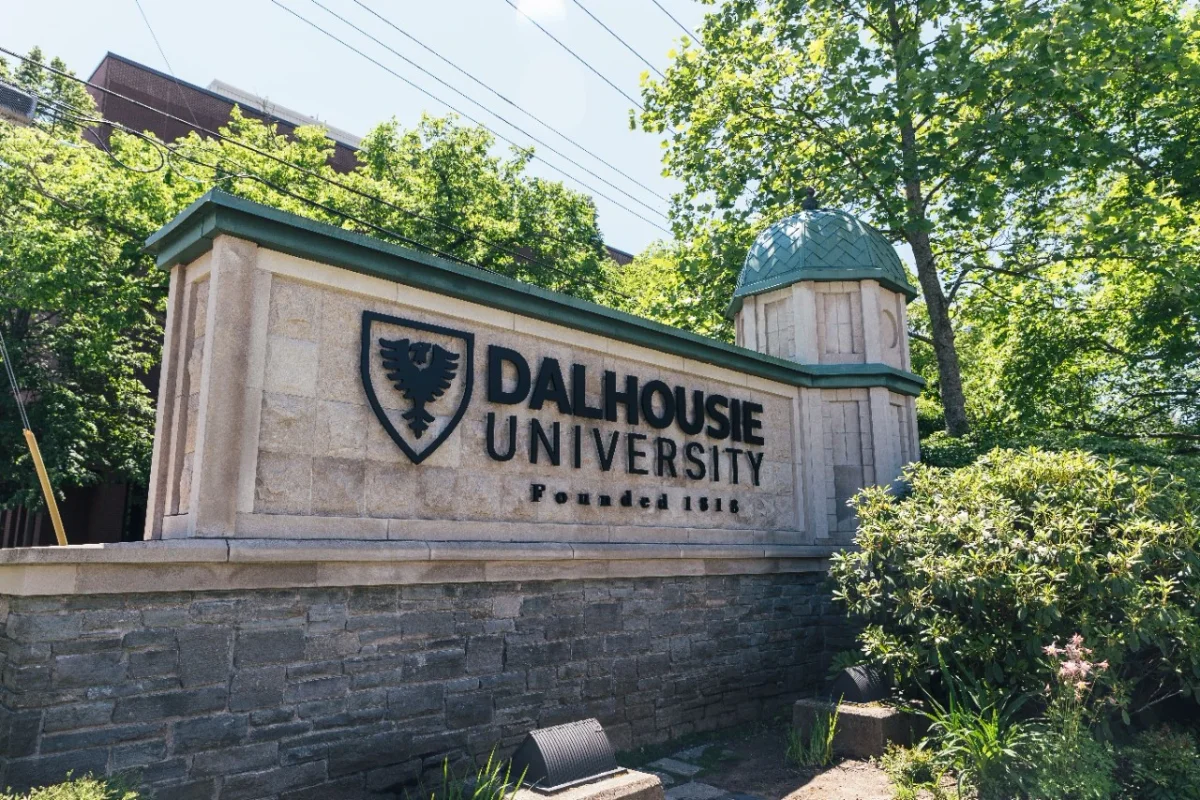
Industrial Engineering (PhD) is a doctorate in Industrial & Systems Engineering programme offered by Dalhousie University in Halifax, Canada. The programme runs for 5 years, delivered on campus. Tuition for international students is CAD 7,338 per year (CAD 7,338 per year for local students).
At a glance
Degree:Doctorate
Field:Industrial & Systems Engineering
Duration: 5 years
Delivery: On Campus
Local tuition: CAD 7,338 / year
International tuition: CAD 7,338 / year
We have no an application deadline on record for this programme yet — see the official programme page.
— it helps other students.
The Doctor of Philosophy in Industrial Engineering at Dalhousie University is a research-based doctoral program in the Faculty of Engineering focused on optimizing complex systems and processes. Students carry out independent research addressing manufacturing, logistics, transportation, healthcare, aerospace, automotive, telecommunications, technology, and e-commerce applications, working in dedicated research spaces with laboratory and computational resources. The program is delivered on campus, and its nominal full-time length is five years. Three intakes are offered each year, in September, January, and May, each with its own application deadline for domestic and international applicants. Doctoral candidates receive guaranteed funding support for the duration of their studies. Admission requires a thesis-based master's degree, and applicants must secure a supervisor willing to direct their research before a formal application is considered. Graduates are prepared for research and applied roles in engineering-driven industries that require advanced analytical and systems-optimization expertise.
Requirements
Minimum GPA:3.00 / 4.3
Admission Requirements: Applicants must meet the Faculty of Graduate Studies minimum requirements, including a thesis-based master's degree (or its equivalent) from a recognized university and a minimum grade point average of 3.0 (B average) in the last 60 credit hours of study, along with any Department of Industrial Engineering program-specific requirements. Applicants must secure a supervisor willing to direct their research before applying. Three intakes are offered each year (September, January, and May), each with its own domestic and international application deadline.