Universität Leipzig
Leipzig, Germany • Founded 1409 • World Rank #374
Updated May 2026
Overview
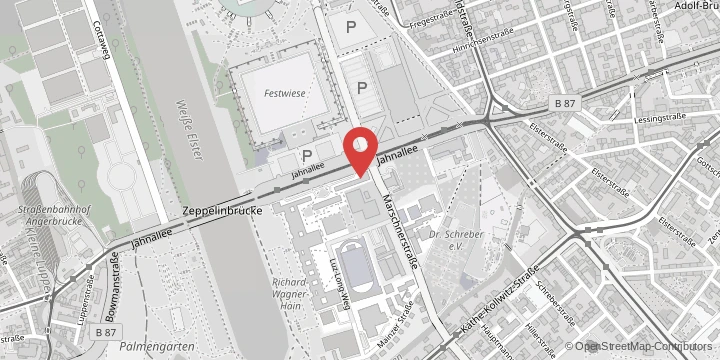
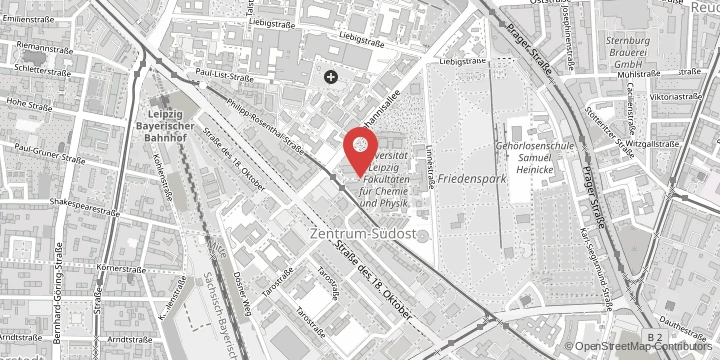
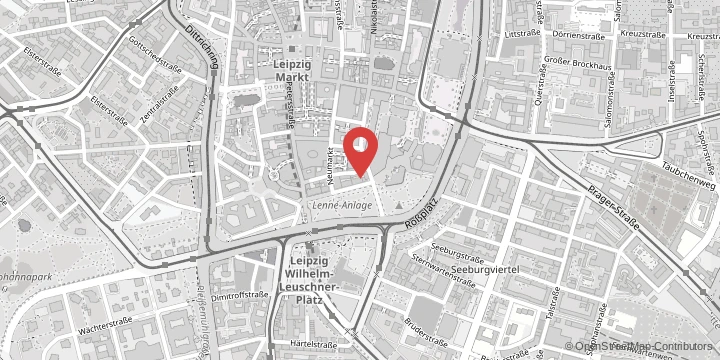
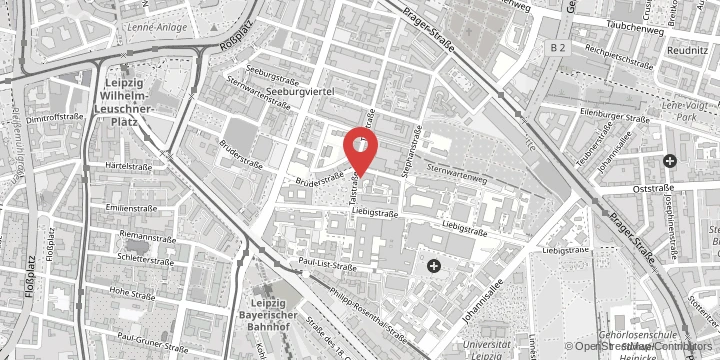
Established in 1409, the Universität Leipzig (Leipzig University) is a non-profit public higher education institution located in the urban setting of the large city of Leipzig (population range of 500,000-1,000,000 inhabitants), Saxony.
Officially recognized by the Sächsisches Staatsministerium für Wissenschaft und Kunst (Saxon State Ministry of Science and Culture), Universität Leipzig is a large-sized coeducational German higher education institution. Universität Leipzig offers courses and programs leading to officially recognized higher education degrees such as bachelor's degrees, master's degrees and doctorate degrees in several areas of study.
This 614-year-old German higher-education institution has a selective admission policy based on students' past academic records and grades. International applicants are eligible to apply for enrollment.
Universität Leipzig also provides several academic and non-academic facilities and services to students including a library, sports facilities, study abroad and exchange programs, as well as administrative services.
Location & Contact
Need to get in touch with Universität Leipzig or find your way to campus? Address, phone, email, and online links are below. These reflect what the institution publishes on its official channels.
Academic Details
These figures give a quick read on Universität Leipzig's scale, staffing levels, and academic standing. Use them to ground decisions about programme fit and institutional capacity.
Academic Structures
Universität Leipzig delivers teaching through the academic units below — useful for orienting yourself before reading individual programmes. Each unit operates with a degree of academic autonomy.
Unit 14 items
- Faculty of Biosciences, Pharmacy and Psychology
- Faculty of Chemistry and Mineralogy
- Faculty of Economics and Management
- Faculty of Education
- Faculty of History, Art and Oriental Studies
- Faculty of Law
- Faculty of Mathematics and Computer Science
- Faculty of Medicine
- Faculty of Philology
- Faculty of Physics and Earth Science
- Faculty of Social Sciences and Philosophy
- Faculty of Sports Science
- Faculty of Theology
- Faculty of Veterinary Medicine
Degrees
Also Certificate; State Examination (Staatsexam) in Pharmacy and Teacher Training (Lehramt)
Bachelor's 57 programs
Bachelor's programmes build foundational expertise, preparing graduates for entry-level professional roles and further postgraduate study.
- African Languages
- African Studies
- American Studies
- Ancient Civilizations
- Arabic
- Archaeology
- Art Education
- Art History
- Arts and Humanities
- Asian Studies
- Biochemistry
- Biology
- Business Computing
- Business Education
- Chemistry
- Chinese
- Communication Studies
- Computer Science
- Cultural Studies
- Czech
- East Asian Studies
- Eastern European Studies
- Economics
- English
- English Studies
- Ethnology
- European Studies
- Geography
- German
- Germanic Studies
- Greek (Classical)
- Hindi
- History
- History of Religion
- Islamic Studies
- Japanese
- Latin
- Linguistics
- Literature
- Media Studies
- Meteorology
- Mongolian
- Music
- Oriental Studies
- Philosophy
- Physics
- Political Sciences
- Psychology
- Religious Studies
- Romance Languages
- Slavic Languages
- South Asian Studies
- Sports
- Sports Management
- Theatre
- Tibetan
- Translation and Interpretation
Master's 82 programs
Master's programmes develop advanced specialised expertise, suited to senior industry positions and applied research.
- African Studies
- American Studies
- Ancient Civilizations
- Arabic
- Archaeology
- Art Education
- Art History
- Arts and Humanities
- Asian Studies
- Bilingual and Bicultural Education
- Biochemistry
- Biological and Life Sciences
- Biology
- Biotechnology
- Business Administration
- Business Computing
- Business Education
- Chemistry
- Classical Languages
- Communication Studies
- Computer Science
- Cultural Studies
- Data Processing
- Earth Sciences
- East Asian Studies
- Eastern European Studies
- Ecology
- Economics
- English
- English Studies
- Environmental Studies
- Ethnology
- European Studies
- European Union Law
- Geography
- Geography (Human)
- German
- Germanic Studies
- Hindi
- History
- History of Religion
- Insurance
- International Economics
- International Studies
- Islamic Studies
- Japanese
- Journalism
- Law
- Linguistics
- Literature
- Logic
- Management
- Mass Communication
- Mathematics
- Media Studies
- Medicine
- Meteorology
- Mineralogy
- Mongolian
- Musicology
- Oriental Studies
- Philosophy
- Physics
- Political Sciences
- Preschool Education
- Private Law
- Psychology
- Public Administration
- Rehabilitation and Therapy
- Religion
- Romanian
- Slavic Languages
- Small Business
- Sociology
- South Asian Studies
- Sports
- Sports Management
- Theatre
- Theology
- Tibetan
- Translation and Interpretation
- Writing
Doctoral 22 programs
Doctoral programmes train independent researchers, leading to academic, scientific, and senior advisory careers.
- Arts and Humanities
- Biological and Life Sciences
- Chemistry
- Earth Sciences
- Economics
- Education
- Educational Sciences
- History
- Law
- Mathematics and Computer Science
- Medicine
- Mineralogy
- Oriental Studies
- Pharmacy
- Philology
- Philosophy
- Physics
- Psychology
- Social Sciences
- Sports
- Theology
- Veterinary Science
Other 3 programs
- Business and Commerce
- Mathematics
- Protestant Theology
Faculties & Divisions
All faculties operate under Sächsisches Staatsministerium für Wissenschaft und Kunst.
Biology, Pharmacy and Psychology (Faculty) 6 subjects offered
Specialisations & Subjects
- Biochemistry
- Biological and Life Sciences
- Biology
- Pharmacology
- Pharmacy
- Psychology
Common Career Paths
- Pharmacist
- Clinical Pharmacist
- Pharmaceutical Researcher
Illustrative career directions for this field; specific outcomes depend on programme and student choices.
Chemistry and Mineralogy (Faculty) 3 subjects offered
Specialisations & Subjects
- Chemistry
- Crystallography
- Mineralogy
Common Career Paths
- Chemist
- Lab Researcher
- Quality Control Specialist
Illustrative career directions for this field; specific outcomes depend on programme and student choices.
Economics and Management (including Civil Engineering) (Faculty) 13 subjects offered
Specialisations & Subjects
- Accountancy
- Building Technologies
- Business Administration
- Business and Commerce
- Business Computing
- Civil Engineering
- Construction Engineering
- Economics
- Finance
- Industrial Engineering
- Management
- Real Estate
- Statistics
Common Career Paths
- Civil Engineer
- Construction Project Manager
- Structural Engineer
Illustrative career directions for this field; specific outcomes depend on programme and student choices.
Education (Faculty) 9 subjects offered
Specialisations & Subjects
- Adult Education
- Curriculum
- Education
- Education of the Handicapped
- Educational Psychology
- Educational Sciences
- Primary Education
- Secondary Education
- Special Education
Common Career Paths
- Teacher
- Educational Administrator
- Curriculum Specialist
Illustrative career directions for this field; specific outcomes depend on programme and student choices.
History, Art and Oriental Studies (Faculty) 14 subjects offered
Specialisations & Subjects
- African Studies
- Arabic
- Archaeology
- Art History
- Asian Studies
- Cultural Studies
- Ethnology
- Fine Arts
- History
- Music
- Musicology
- Oriental Studies
- Religious Studies
- Theatre
Law (Faculty) 1 subject offered
Specialisations & Subjects
- Law
Common Career Paths
- Lawyer
- Legal Consultant
- Compliance Officer
Illustrative career directions for this field; specific outcomes depend on programme and student choices.
Mathematics and Computer Science (Faculty) 2 subjects offered
Specialisations & Subjects
- Computer Science
- Mathematics
Common Career Paths
- Software Engineer
- Data Scientist
- Systems Analyst
Illustrative career directions for this field; specific outcomes depend on programme and student choices.
Medicine (Faculty) 8 subjects offered
Specialisations & Subjects
- Biochemistry
- Epidemiology
- Forensic Medicine and Dentistry
- Genetics
- Medicine
- Occupational Health
- Physiology
- Virology
Common Career Paths
- Physician
- Medical Researcher
- Clinical Specialist
Illustrative career directions for this field; specific outcomes depend on programme and student choices.
Philology (Faculty) 12 subjects offered
Specialisations & Subjects
- American Studies
- Classical Languages
- Comparative Literature
- English Studies
- German
- Germanic Studies
- Linguistics
- Modern Languages
- Philology
- Romance Languages
- Slavic Languages
- Translation and Interpretation
Physics and Earth Sciences (Faculty) 7 subjects offered
Specialisations & Subjects
- Earth Sciences
- Geography
- Geology
- Geophysics
- Meteorology
- Paleontology
- Physics
Common Career Paths
- Physicist
- Research Scientist
- Data Analyst
Illustrative career directions for this field; specific outcomes depend on programme and student choices.
Social Sciences and Philosophy (Faculty) 8 subjects offered
Specialisations & Subjects
- Ethics
- Journalism
- Logic
- Media Studies
- Philosophy
- Political Sciences
- Social Sciences
- Sociology
Common Career Paths
- Researcher
- Policy Analyst
- Social Worker
Illustrative career directions for this field; specific outcomes depend on programme and student choices.
Sports Science (Faculty) 3 subjects offered
Specialisations & Subjects
- Physical Education
- Rehabilitation and Therapy
- Sports
Common Career Paths
- Research Scientist
- Lab Technician
- Analyst
Illustrative career directions for this field; specific outcomes depend on programme and student choices.
Theology (Faculty) 2 subjects offered
Specialisations & Subjects
- Religious Education
- Theology
Common Career Paths
- Religious Educator
- Pastoral Counsellor
- Faith Community Leader
Illustrative career directions for this field; specific outcomes depend on programme and student choices.
Veterinary Science (Faculty) 1 subject offered
Specialisations & Subjects
- Veterinary Science
Common Career Paths
- Veterinarian
- Animal Health Specialist
- Wildlife Researcher
Illustrative career directions for this field; specific outcomes depend on programme and student choices.
Programs Offered
Universität Leipzig's current programme offering broken down by degree level. Curriculum revisions happen periodically; check the version year on each programme page if accreditation portability matters.
199 programmes on record. Each level below shows a sample. Compare these on the programs page All programs in Germany
Bachelor's Degree 56 programmes
Showing 10 of 56.
Master's Degree 143 programmes
Showing 10 of 143.
How to apply to Universität Leipzig
Below is a five-step path through the application process at Universität Leipzig, useful for first-time applicants and international students.
-
1
Find a programme that fits your goals
Begin by reviewing the programmes section above. Universität Leipzig offers 199 programmes grouped by qualification level. Decide on a target tier (bachelor's, master's, or doctoral) before narrowing by subject.
-
2
Confirm you meet the requirements
Each programme at Universität Leipzig has its own entry requirements — academic minimums, language proficiency, supporting documents, and sometimes interviews or portfolios. Check the programme-specific page or contact admissions to confirm eligibility.
-
3
Assemble your application package
Most applications require certified academic records, identification documents, language test certificates (IELTS, TOEFL, or equivalent for English-medium programmes), CV/résumé, and a statement of purpose. Allow extra time for document authentication.
-
4
Submit your application
Apply directly via Universität Leipzig's online portal at www.uni-leipzig.de. Complete the application form, upload supporting documents, and pay any application fee. Confirmation emails typically arrive within a few business days.
-
5
Contact admissions and follow up
After submitting, confirm receipt with the admissions office and track your application status through the portal. Reach the institution by phone at +49 (341) 97 108. Set reminders for any interview requests, additional document submissions, or admission decision deadlines.
Frequently Asked Questions about Universität Leipzig
Quick reference for Universität Leipzig: founding, control type, student body, rankings, and recognition status in one place.
When was Universität Leipzig founded?
Universität Leipzig was established in 1409 (approximately 617 years ago).
In which city is Universität Leipzig?
Universität Leipzig is based in Leipzig, Germany.
Is Universität Leipzig public or private?
It is a public higher-education institution.
How many students study at Universität Leipzig?
Universität Leipzig has approximately 25,000-29,999 students.
What is Universität Leipzig's ranking?
Universität Leipzig is ranked #374 globally and #20 in Germany.
What programmes are available at Universität Leipzig?
Universität Leipzig delivers bachelor's, master's and doctoral programmes across its academic units.
How many faculties does Universität Leipzig have?
The institution comprises 14 academic units.
Who recognises Universität Leipzig?
Yes, Universität Leipzig is recognised by Sächsisches Staatsministerium für Wissenschaft und Kunst.
Where can I learn more about Universität Leipzig?
The institution's website is www.uni-leipzig.de.
Top-Ranked Universities in Germany
Some Germany systems publish government rating frameworks (NIRF, QS Stars, regulatory grading) alongside rankings. These add independent signals beyond commercial ranking tables.




Members of European University Association (EUA)
Fellow European University Association (EUA) members alongside Universität Leipzig are gathered below — useful if institutional networks matter to your decision. Networks shape exchange opportunities, joint degrees, and credential recognition across borders.



Faculties at nearby universities
Nearby institutions to Universität Leipzig often share sports, residence, and student-life facilities through regional consortia. The shared infrastructure can shape your day-to-day experience meaningfully.


Where Else to Study Education & Teaching
Below: institutions across Germany that offer Education & Teaching, providing comparison points for Universität Leipzig's programme. Variations in elective range, placement support, and credential portability are worth examining carefully.
Universities Compared with Universität Leipzig
The institutions below sit at a comparable academic standing to Universität Leipzig, often shortlisted together. Same-tier comparison helps when you have a target level but want to weigh non-ranking factors like culture or specialism.



Studying in Germany: guides and resources


Spotted something outdated or missing?
Help us keep this page accurate — it takes about 30 seconds.