University College Dublin
Dublin, Ireland • Founded 1854 • QS 2027 #100 =
Updated May 2026 · Source: ucd.ie · How we collect data
Overview
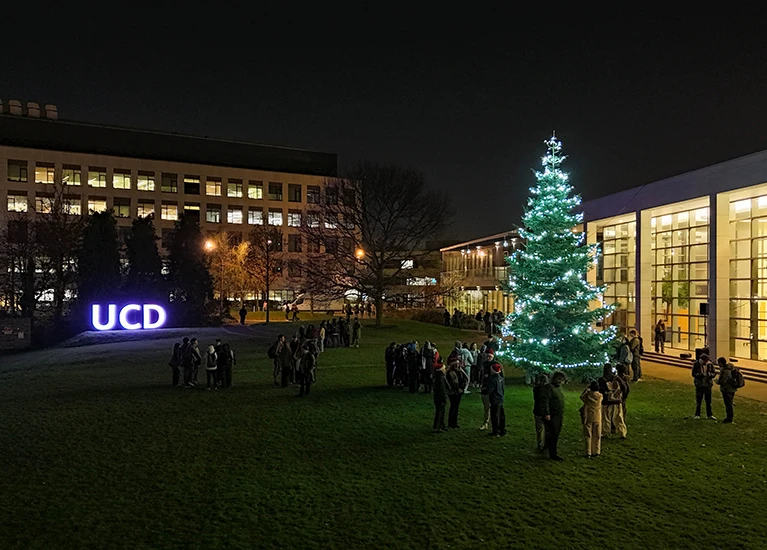


Established in 1854, the University College Dublin is a non-profit public higher education institution located in the suburban setting of the large city of Dublin (population range of 500,000-1,000,000 inhabitants), County Dublin.
Officially recognized by the Department of Education and Skills of Ireland, University College Dublin (UCD) is a large-sized coeducational Irish higher education institution. University College Dublin (UCD) offers courses and programs leading to officially recognized higher education degrees such as pre-bachelor's degrees (i.e. certificates, diplomas, associate or foundation), bachelor's degrees, master's degrees and doctorate degrees in several areas of study.
This 170-year-old Irish higher-education institution has a selective admission policy based on students' past academic records and grades. The acceptance rate range is 20-29% making this Irish higher education organization a very selective institution.
International applicants are eligible to apply for enrollment.
UCD also provides several academic and non-academic facilities and services to students including a library, housing, sports facilities, financial aids and/or scholarships, study abroad and exchange programs, as well as administrative services.
Location & Contact
Where to find University College Dublin, plus its phone, email, website, and social media links.
Academic Details
University College Dublin's student body, faculty composition, and recognition framework are below.
Academic Structures
The faculties, schools, and constituent units that make up University College Dublin are listed below.
Unit 6 items
- College of Arts and Humanities
- College of Business
- College of Engineering and Architecture
- College of Health and Agricultural Sciences
- College of Science
- College of Social Sciences and Law
Degrees
Also Undergraduate Certificates and Diplomas, 1-2 yrs; Professional Certificates and Diplomas (Architecture); Graduates Diplomas; MBA Programmes
Master's 22 programs
- Accountancy
- Architecture
- Biomedical Engineering
- Civil Engineering
- Computer Engineering
- Design
- Education
- Electrical Engineering
- Electronic Engineering
- Energy Engineering
- Engineering Management
- Information Sciences
- Landscape Architecture
- Law
- Library Science
- Literature
- Materials Engineering
- Mechanical Engineering
- Musicology
- Optical Technology
- Power Engineering
- Regional Planning
Doctoral 51 programs
- Agriculture
- Archaeology
- Architecture
- Archiving
- Art History
- Biology
- Biomedicine
- Business Administration
- Celtic Languages and Studies
- Chemical Engineering
- Chemistry
- Civil Engineering
- Classical Languages
- Computer Science
- Economics
- Education
- Electrical and Electronic Engineering
- English
- Environmental Engineering
- Environmental Studies
- Epidemiology
- Film
- Food Science
- Geography
- Geology
- Health Sciences
- History
- Information Sciences
- International Relations and Diplomacy
- Law
- Library Science
- Linguistics
- Literature
- Mathematics
- Medicine
- Midwifery
- Modern Languages
- Music
- Nursing
- Philosophy
- Physical Therapy
- Physics
- Political Sciences
- Psychology
- Public Health
- Social Policy
- Social Work
- Sociology
- Software Engineering
- Theatre
- Veterinary Science
Diploma & Certificate 7 programs
- Biology
- Economics
- Engineering
- Folklore
- Food Science
- Food Technology
- Irish
Faculties & Divisions
All faculties operate under Department of Education and Skills of Ireland.
Innovation (Academy) Faculty details available
Specialisations & Subjects
No specified subjects listed.
Teaching and Learning (Academy) 1 subject offered
Specialisations & Subjects
- Education
Applied language (Centre) 3 subjects offered
Specialisations & Subjects
- English
- English Studies
- Foreigners Education
Agriculture, Food Science & Veterinary Science (College) 11 subjects offered
Specialisations & Subjects
- Agricultural Business
- Agricultural Management
- Agriculture
- Animal Husbandry
- Crop Production
- Dairy
- Food Science
- Forestry
- Horticulture
- Nutrition
- Veterinary Science
Arts & Humanities (College) 24 subjects offered
Specialisations & Subjects
- Archaeology
- Archiving
- Art History
- Arts and Humanities
- Celtic Languages and Studies
- Classical Languages
- Cultural Studies
- English
- Film
- Folklore
- French
- French Studies
- German
- Germanic Studies
- History
- Irish
- Italian
- Linguistics
- Literature
- Modern Languages
- Music
- Portuguese
- Spanish
- Theatre
Business (College) 17 subjects offered
Specialisations & Subjects
- Accountancy
- Business Administration
- Business and Commerce
- Commercial Law
- Economics
- European Union Law
- Finance
- French
- History
- Human Rights
- International Business
- International Law
- Law
- Management
- Marketing
- Philosophy
- Political Sciences
Engineering & Architecture (College) 19 subjects offered
Specialisations & Subjects
- Architecture
- Architecture and Planning
- Bioengineering
- Chemical Engineering
- Civil Engineering
- Electrical and Electronic Engineering
- Electrical Engineering
- Electronic Engineering
- Engineering
- Environmental Engineering
- Food Science
- Food Technology
- Landscape Architecture
- Materials Engineering
- Mathematics
- Mechanical Engineering
- Physics
- Structural Architecture
- Telecommunications Engineering
Health Sciences & Agricultural Sciences (College) 29 subjects offered
Specialisations & Subjects
- Agricultural Business
- Agricultural Economics
- Agricultural Engineering
- Agricultural Management
- Agriculture
- Art Therapy
- Artificial Intelligence
- Biology
- Demography and Population
- Diabetology
- Environmental Studies
- Epidemiology
- Food Science
- Food Technology
- Forensic Medicine and Dentistry
- Health Sciences
- Horticulture
- Medicine
- Midwifery
- Nursing
- Occupational Health
- Physical Therapy
- Psychiatry and Mental Health
- Psychotherapy
- Public Health
- Radiology
- Rehabilitation and Therapy
- Sports Medicine
- Veterinary Science
Science (College) 15 subjects offered
Specialisations & Subjects
- Biological and Life Sciences
- Biology
- Biomedical Engineering
- Biomedicine
- Biotechnology
- Chemistry
- Computer Science
- Earth Sciences
- Environmental Studies
- Geology
- Mathematics
- Molecular Biology
- Physics
- Statistics
- Toxicology
Social Sciences & Law (College) 20 subjects offered
Specialisations & Subjects
- Archaeology
- Communication Studies
- Economics
- Education
- Educational Psychology
- Environmental Management
- European Union Law
- Geography
- Information Sciences
- Information Technology
- International Relations and Diplomacy
- Law
- Library Science
- Philosophy
- Political Sciences
- Psychology
- Social Policy
- Social Sciences
- Social Welfare
- Sociology
Claude Shannon (Institute) 1 subject offered
Specialisations & Subjects
- Mathematics
Clinton (Institute) 1 subject offered
Specialisations & Subjects
- American Studies
Confucius/Irish Institute for Chinese Studies (Institute) 1 subject offered
Specialisations & Subjects
- Chinese
Earth (Institute) 1 subject offered
Specialisations & Subjects
- Earth Sciences
Food and Health (Institute) 2 subjects offered
Specialisations & Subjects
- Food Science
- Health Sciences
Global Irish (Institute) 1 subject offered
Specialisations & Subjects
- Irish
Humanities of Ireland (Institute) Faculty details available
Specialisations & Subjects
No specified subjects listed.
Micheál Ó’Cléirigh (Institute) 2 subjects offered
Specialisations & Subjects
- Cultural Studies
- History
Sport and Health (Institute) 2 subjects offered
Specialisations & Subjects
- Health Sciences
- Sports
Study of Social Change (Institute) 1 subject offered
Specialisations & Subjects
- Social Studies
The Charles (Institute) 1 subject offered
Specialisations & Subjects
- Dermatology
Complex and Adaptive Systems (Laboratory) 6 subjects offered
Specialisations & Subjects
- Biology
- Computer Science
- Mathematics
- Meteorology
- Nanotechnology
- Statistics
National Virus Reference (Laboratory) 1 subject offered
Specialisations & Subjects
- Virology
Bioresources (Research Division) 2 subjects offered
Specialisations & Subjects
- Energy Engineering
- Environmental Engineering
Electricity (Research Division) 1 subject offered
Specialisations & Subjects
- Electrical Engineering
Irish Social Science Data Archive (Research Division) 1 subject offered
Specialisations & Subjects
- Social Sciences
Irish Virtual Research Library and Archive (Research Division) 1 subject offered
Specialisations & Subjects
- IVRLA
James Joyce (Research Division) 1 subject offered
Specialisations & Subjects
- Literature
Programs Offered
University College Dublin's programme catalogue is grouped by level below.
177 programmes on record. Each level below shows a sample. Compare these on the programs page All programs in Ireland
Honours Degree 68 programmes
Showing 10 of 68.
Master's Degree 107 programmes
Showing 10 of 107.
Postgraduate Diploma 2 programmes
How to apply to University College Dublin
The application path for University College Dublin, in five steps.
-
1
Identify the right programme
University College Dublin's catalogue includes 177 programmes. Browse by level, identify candidates matching your prior qualifications, and note their entry requirements for the next step.
-
2
Check entry requirements
Entry requirements vary by programme and degree level. Verify academic minimums, language tests (if international), and any additional documents required for University College Dublin's admissions process.
-
3
Prepare your application documents
Typical documents include academic transcripts, identity proof (passport or national ID), language proficiency test scores, a personal statement or motivation letter, and recommendation letters. International applicants should account for translation and notarisation time.
-
4
Submit via the institution
Submit your completed application through University College Dublin's official website at www.ucd.ie. Most institutions use an online portal — register an account, complete the application form, and upload your prepared documents. Keep copies of all submissions and confirmation receipts.
-
5
Get in touch with admissions
Follow up to confirm your application was received and is being processed. Reach the institution by phone at +353 (1) 716 7777. Admissions teams may request interviews or additional documents — respond promptly to keep your application active.
Frequently Asked Questions about University College Dublin
Common questions about University College Dublin — answers from its published profile.
How old is University College Dublin?
The institution opened in 1854 (approximately 172 years ago).
In which city is University College Dublin?
University College Dublin is based in Dublin, Ireland.
Is University College Dublin public or private?
It is a public higher-education institution.
How many students study at University College Dublin?
University College Dublin has approximately 20,000-24,999 students.
What is University College Dublin's ranking?
It ranks QS 2027 #100 =.
What degrees does University College Dublin offer?
University College Dublin offers bachelor's, master's and doctoral programmes.
What is University College Dublin's academic structure?
University College Dublin has 6 academic units.
Is University College Dublin officially recognised?
Yes, University College Dublin is recognised by Quality and Qualifications Ireland - QQI (Dearbhú Cáilíochta agus Cáilíochtaí Éireann).
How do I find University College Dublin online?
You can find University College Dublin online at www.ucd.ie.
Members of European University Association (EUA)
Below: other European University Association (EUA) member institutions, alongside University College Dublin.




Faculties at nearby universities
The institutions below are geographically close to University College Dublin.

Universities Compared with University College Dublin
The institutions below are of a similar academic scale to University College Dublin.



Studying in Ireland: guides and resources




Spotted something outdated or missing?
Help us keep this page accurate — it takes about 30 seconds.