University of Health Sciences of Dakar
Dakar, Senegal • Founded 2016
Overview
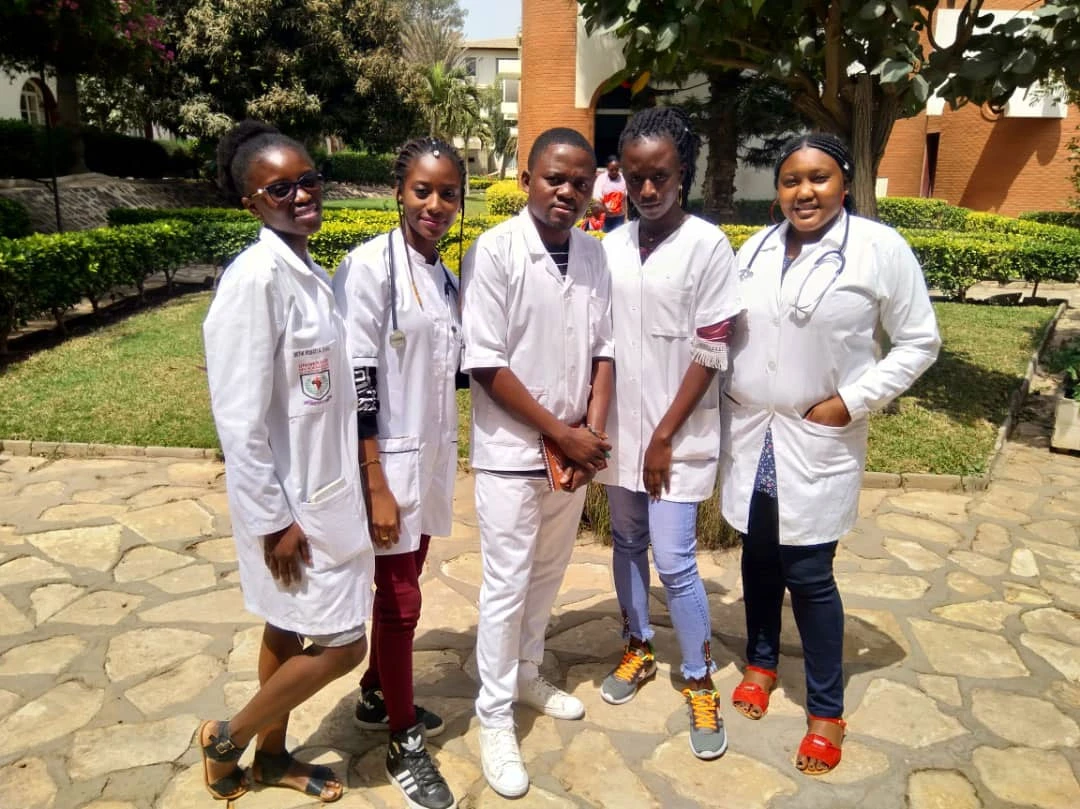
Based in Dakar, Senegal, University of Health Sciences of Dakar is a private institution that traces its founding to 2016. It functions as a higher-education provider within Senegal's higher-education sector.
The institution offers programmes across multiple qualification levels. University of Health Sciences of Dakar's academic structure spans several faculties, supporting a catalogue of active programmes.
Location & Contact
Address, contact details, and online presence for University of Health Sciences of Dakar are summarised below. Cross-check with the official website if you intend to send documents or financial information.
Academic Details
Below are the institutional metrics for University of Health Sciences of Dakar: scale, staffing balance, and accreditation context. These shape the academic experience more than headline rankings often suggest.
Degrees
University of Health Sciences of Dakar's qualifications are listed below by level, so you can quickly find the route that matches your study stage. Some levels feed naturally into the next, while others stand alone.
Other 4 programs
- Medicine
- Midwifery
- Nursing
- Pharmacy
Faculties & Divisions
Below is how University of Health Sciences of Dakar divides teaching by faculty and subject. Dual-major pathways spanning two faculties exist at some universities but require coordination between departments.
Medicine (Faculty) 1 subject offered
Specialisations & Subjects
- Medicine
Common Career Paths
- Physician
- Medical Researcher
- Clinical Specialist
Illustrative career directions for this field; specific outcomes depend on programme and student choices.
Odontology (Faculty) 1 subject offered
Specialisations & Subjects
- Odontology
Pharmacy (Faculty) 1 subject offered
Specialisations & Subjects
- Pharmacy
Common Career Paths
- Pharmacist
- Clinical Pharmacist
- Pharmaceutical Researcher
Illustrative career directions for this field; specific outcomes depend on programme and student choices.
Programs Offered
Below are University of Health Sciences of Dakar's active programmes grouped by degree level, with search. Use the filter to narrow by keyword and the level groupings to compare options at the same qualification tier.
Associate, Certificate & Other Qualifications
2 programmes
This group collects University of Health Sciences of Dakar's 2 programmes of certificates, diplomas, and foundation or associate programmes — practical entry points or stepping stones toward a degree.
Doctor of Medicine Diplôme d'État de Docteur en Médecine Medicine
Doctor of Pharmacy Diplôme d'État de Docteur en Pharmacie Pharmacy
No programmes match your filter in this level.
How to apply to University of Health Sciences of Dakar
How to apply to University of Health Sciences of Dakar — a five-step structure with notes on documents, channels, and timing for each phase.
- 1 Identify the right programme
Use the programme finder to browse University of Health Sciences of Dakar's 2 active programmes. Filter by keyword or scan by degree level. Read curriculum details on each programme's dedicated page if available.
- 2 Check entry requirements
Programme-level requirements at University of Health Sciences of Dakar typically include academic transcripts, language proficiency proof, identity documents, and a personal statement or interview. Confirm specific requirements with the admissions office.
- 3 Prepare your application documents
Prepare academic transcripts, ID/passport copies, language proficiency proof, a personal statement, and reference letters. International candidates may need apostilled or notarised translations — start early to avoid deadline pressure.
- 4 Submit via the institution
University of Health Sciences of Dakar processes applications through www.ussd.sn. Create an account, fill out the application form, and submit your documents. Note application deadlines, which vary by intake and programme.
- 5 Get in touch with admissions
Confirm receipt of your application with the admissions office and keep an eye on your portal for status changes. Quick responses to any follow-up requests keep your application moving smoothly through the review process.
Frequently Asked Questions about University of Health Sciences of Dakar
A short Q&A covering University of Health Sciences of Dakar's essentials — founding, location, scale, ranking, and academic structure.
When did University of Health Sciences of Dakar open?
University of Health Sciences of Dakar traces its founding to 2016 (approximately 10 years ago).
What city is University of Health Sciences of Dakar in?
University of Health Sciences of Dakar operates from Dakar, Senegal.
What is University of Health Sciences of Dakar's control type?
It is a private higher-education institution.
Is University of Health Sciences of Dakar officially recognised?
Yes, University of Health Sciences of Dakar is recognised by Autorité nationale d'Assurance Qualité de l'Enseignement supérieur (ANAQ-Sup).
What is University of Health Sciences of Dakar's official website?
University of Health Sciences of Dakar's official website is www.ussd.sn.
Top-Ranked Universities in Senegal
Industry partnerships of Senegal's top universities signal employer engagement at the apex of the system. Lower-ranked institutions including University of Health Sciences of Dakar may still partner with strong employers locally.
Faculties at Nearby Universities
Nearby institutions to University of Health Sciences of Dakar often share sports, residence, and student-life facilities through regional consortia. The shared infrastructure can shape your day-to-day experience meaningfully.



Where Else to Study Medicine
Below: institutions across Senegal that offer Medicine, providing comparison points for University of Health Sciences of Dakar's programme. Variations in elective range, placement support, and credential portability are worth examining carefully.

Universities Often Compared with University of Health Sciences of Dakar
Faculty mobility between University of Health Sciences of Dakar and peer institutions is common — academics often move within a comparable tier. This signals shared academic standards and salary structures.