Ravensbourne University London
London, United Kingdom • Founded 1962
Updated May 2026
Overview
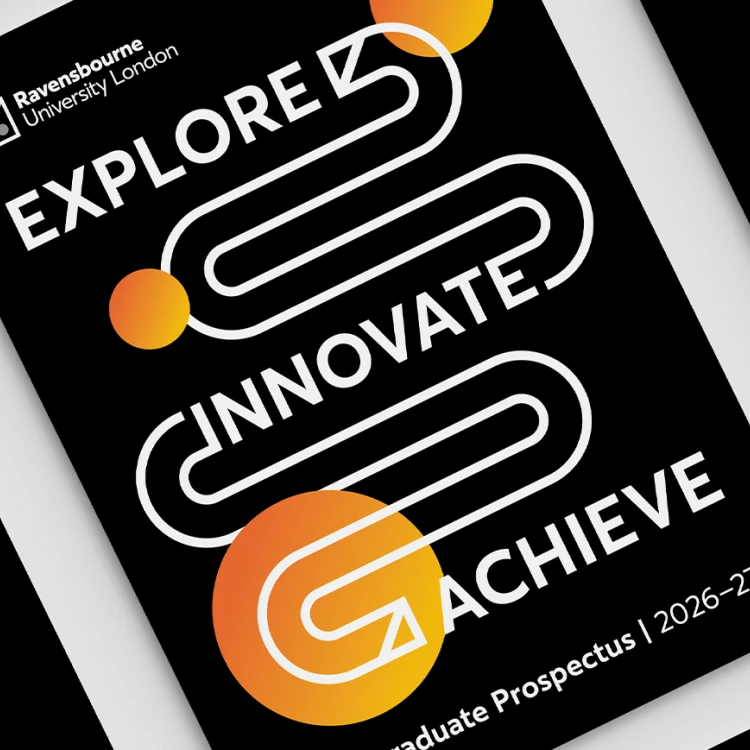


Within the United Kingdom's higher-education landscape, Ravensbourne University London stands as a public university founded in 1962. It operates from London, United Kingdom as a higher-education provider.
Programmes at Ravensbourne University London cover bachelor's and master's programmes, structured through several faculties. The institution administers a catalogue of active programmes across its academic units.
Ravensbourne University London's academic community includes 2,400 students alongside faculty and support staff. Academic staff support teaching and research activities, with day-to-day operations situated within its campus environment.
Location & Contact
Need to get in touch with Ravensbourne University London or find your way to campus? Address, phone, email, and online links are below. These reflect what the institution publishes on its official channels.
Academic Details
The numbers behind Ravensbourne University London: student body, academic staff, and the recognising bodies validating its work. A baseline read for assessing institutional capacity and rigour.
Faculties & Divisions
Browse Ravensbourne University London's faculties and divisions, along with the subjects they specialise in. Each faculty typically runs its own open days, application support, and student services.
Design (Faculty) 4 subjects offered
Specialisations & Subjects
- Architecture
- Design
- Fashion Design
- Interior Design
Common Career Paths
- Designer
- Creative Director
- UX Researcher
Illustrative career directions for this field; specific outcomes depend on programme and student choices.
Media Communications (Faculty) 1 subject offered
Specialisations & Subjects
- Media Studies
Common Career Paths
- Journalist
- Public Relations Specialist
- Content Strategist
Illustrative career directions for this field; specific outcomes depend on programme and student choices.
Programs Offered
Ravensbourne University London's programmes, with filter and level-based grouping. The combination of search and tier view makes shortlisting faster across large catalogues.
78 programmes on record. Each level below shows a sample. Compare these on the programs page All programs in United Kingdom
Honours Degree 47 programmes
Showing 10 of 47.
Master of Business Administration 3 programmes
Master's Degree 28 programmes
Showing 10 of 28.
How to apply to Ravensbourne University London
Five steps that capture how most applications to Ravensbourne University London flow, from research through submission to follow-up correspondence.
-
1
Find a programme that fits your goals
Begin by reviewing the programmes section above. Ravensbourne University London offers 78 programmes grouped by qualification level. Decide on a target tier (bachelor's, master's, or doctoral) before narrowing by subject.
-
2
Confirm you meet the requirements
Each programme at Ravensbourne University London has its own entry requirements — academic minimums, language proficiency, supporting documents, and sometimes interviews or portfolios. Check the programme-specific page or contact admissions to confirm eligibility.
-
3
Assemble your application package
Most applications require certified academic records, identification documents, language test certificates (IELTS, TOEFL, or equivalent for English-medium programmes), CV/résumé, and a statement of purpose. Allow extra time for document authentication.
-
4
Submit your application
Apply directly via Ravensbourne University London's online portal at www.ravensbourne.ac.uk. Complete the application form, upload supporting documents, and pay any application fee. Confirmation emails typically arrive within a few business days.
-
5
Contact admissions and follow up
After submitting, confirm receipt with the admissions office and track your application status through the portal. Reach the institution by phone at +44 (0) 20 3040 3500. Set reminders for any interview requests, additional document submissions, or admission decision deadlines.
Frequently Asked Questions about Ravensbourne University London
Frequently asked questions about Ravensbourne University London, covering the institutional basics most prospective applicants want to confirm first.
In what year was Ravensbourne University London established?
Ravensbourne University London was founded in 1962 (approximately 64 years ago).
Where can I find Ravensbourne University London?
The institution is located in London, United Kingdom.
Is Ravensbourne University London public or private?
Ravensbourne University London operates as a public institution.
How many students does Ravensbourne University London have?
The institution has a student body of 2,400.
What degrees does Ravensbourne University London offer?
Programmes at Ravensbourne University London cover bachelor's and master's programmes.
How do I find Ravensbourne University London online?
The institution's website is www.ravensbourne.ac.uk.
Top-Ranked Universities in the United Kingdom
Selectivity at the top the United Kingdom universities sets admissions baseline expectations for students applying to Ravensbourne University London. The selectivity gap between Ravensbourne University London and the leaders below tells you about admissions context.




Faculties at nearby universities
The universities below sit close to Ravensbourne University London geographically and may suit students who want to stay within the same region for study. Proximity affects commuting cost, family contact, and the ease of switching institutions if circumstances change.




Where Else to Study Arts, Design & Architecture
If Ravensbourne University London is on your shortlist for studying Arts, Design & Architecture, these peer institutions in the United Kingdom offer comparable academic depth, industry links, and graduate outcomes. Cross-applying to multiple is common practice in this discipline.


Universities Compared with Ravensbourne University London
The institutions below sit at a comparable academic standing to Ravensbourne University London, often shortlisted together. Same-tier comparison helps when you have a target level but want to weigh non-ranking factors like culture or specialism.


Studying in United Kingdom: guides and resources





Spotted something outdated or missing?
Help us keep this page accurate — it takes about 30 seconds.