
Technische Universität Chemnitz
Chemnitz, Germany • Founded 1836 • World Rank #1569
Updated May 2026
Overview
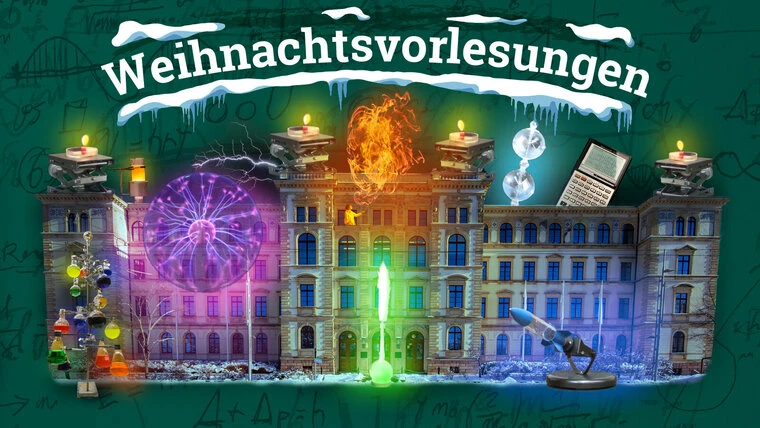
Founded in 1836, the Technische Universität Chemnitz (Chemnitz University of Technology) is a non-profit public higher education institution located in the urban setting of the small city of Chemnitz (population range of 50,000-249,999 inhabitants), Saxony.
Officially recognized by the Sächsisches Staatsministerium für Wissenschaft und Kunst (Saxon State Ministry of Science and Culture), Technische Universität Chemnitz (TU Chemnitz) is a large-sized coeducational German higher education institution. Technische Universität Chemnitz (TU Chemnitz) offers courses and programs leading to officially recognized higher education degrees such as pre-bachelor's degrees (i.e. certificates, diplomas, associate or foundation), bachelor's degrees, master's degrees and doctorate degrees in several areas of study.
The acceptance rate range is 100% making this German higher education organization a non-selective institution. International students are welcome to apply for enrollment.
TU Chemnitz also provides several academic and non-academic facilities and services to students including a library, sports facilities, study abroad and exchange programs, as well as administrative services.
Location & Contact
Where to find Technische Universität Chemnitz, plus its phone, email, website, and social media links. Confirm the published channels here are current before sending application materials.
Academic Details
A quick read on Technische Universität Chemnitz's academic vitals — enrolment counts, faculty makeup, and recognition status. The combination determines class sizes, faculty access, and credential portability.
Academic Structures
How Technische Universität Chemnitz structures its academic side — by faculty, school, and unit — is detailed below. The structure affects everything from credit transfer to cross-faculty modules.
Unit 8 items
- Faculty of Behavioral and Social Sciences
- Faculty of Computer Science
- Faculty of Economics and Business Administration
- Faculty of Electrical Engineering and Information Technology
- Faculty of Humanities
- Faculty of Mathematics
- Faculty of Mechanical Engineering
- Faculty of Natural Sciences
Degrees
Also Combined Degrees; Teacher Training State Examination Certificate (Lehramt)
Bachelor's 32 programs
Bachelor's programmes build foundational expertise, preparing graduates for entry-level professional roles and further postgraduate study.
- American Studies
- Applied Mathematics
- Automotive Engineering
- Biomedical Engineering
- Business Computing
- Chemistry
- Communication Studies
- Computer Science
- Cultural Studies
- Economics
- Electrical and Electronic Engineering
- Electronic Engineering
- Energy Engineering
- Engineering
- English Studies
- European Studies
- Germanic Studies
- History
- Industrial Engineering
- Information Technology
- Mathematics
- Mechanical Engineering
- Medical Technology
- Microelectronics
- Natural Sciences
- Pedagogy
- Physics
- Production Engineering
- Psychology
- Social Sciences
- Sociology
- Sports
Master's 51 programs
Master's programmes develop advanced specialised expertise, suited to senior industry positions and applied research.
- Accountancy
- American Studies
- Automotive Engineering
- Biomedical Engineering
- Business Administration
- Business Education
- Chemistry
- Cognitive Sciences
- Communication Studies
- Computer Science
- Consumer Studies
- Data Processing
- Economics
- Electrical and Electronic Engineering
- Electronics and Automation
- Energy Engineering
- Engineering
- English Studies
- European Studies
- Finance
- Germanic Studies
- Health Sciences
- History
- Industrial Engineering
- Industrial Management
- Management
- Mass Communication
- Materials Engineering
- Mathematics
- Mechanical Engineering
- Media Studies
- Medical Technology
- Microelectronics
- Nanotechnology
- Pedagogy
- Physics
- Political Sciences
- Production Engineering
- Psychology
- Public Health
- Rehabilitation and Therapy
- Robotics
- Social Sciences
- Social and Preventive Medicine
- Sociology
- Software Engineering
- Sports
- Taxation
- Telecommunications Engineering
- Textile Technology
- Vocational Education
Doctoral 17 programs
Doctoral programmes train independent researchers, leading to academic, scientific, and senior advisory careers.
- Arts and Humanities
- Computer Science
- Economics
- Electrical and Electronic Engineering
- European Studies
- German
- History
- Linguistics
- Literature
- Mathematics
- Mechanical Engineering
- Modern Languages
- Natural Sciences
- Philosophy
- Political Sciences
- Social Sciences
- Telecommunications Services
Other 2 programs
- Mathematics
- Mechanical Engineering
Faculties & Divisions
All faculties operate under Sächsisches Staatsministerium für Wissenschaft und Kunst.
Computer Science (Faculty) 1 subject offered
Specialisations & Subjects
- Computer Science
Common Career Paths
- Software Engineer
- Data Scientist
- Systems Analyst
Illustrative career directions for this field; specific outcomes depend on programme and student choices.
Economics and Business Administration (Faculty) 5 subjects offered
Specialisations & Subjects
- Business Administration
- Economics
- Finance
- Management
- Marketing
Common Career Paths
- Business Analyst
- Operations Manager
- Strategy Consultant
Illustrative career directions for this field; specific outcomes depend on programme and student choices.
Electrical Engineering and Information Technology (Faculty) 3 subjects offered
Specialisations & Subjects
- Electrical Engineering
- Information Technology
- Microelectronics
Common Career Paths
- Electrical Engineer
- Power Systems Engineer
- Automation Specialist
Illustrative career directions for this field; specific outcomes depend on programme and student choices.
Humanities and Social Sciences (Faculty) 21 subjects offered
Specialisations & Subjects
- Adult Education
- American Studies
- Arts and Humanities
- Communication Studies
- Economics
- Educational Sciences
- English Studies
- European Studies
- Geography
- Germanic Studies
- History
- International Studies
- Linguistics
- Literature
- Media Studies
- Philosophy
- Political Sciences
- Psychology
- Romance Languages
- Sociology
- Sports
Common Career Paths
- Researcher
- Policy Analyst
- Social Worker
Illustrative career directions for this field; specific outcomes depend on programme and student choices.
Mathematics (Faculty) 2 subjects offered
Specialisations & Subjects
- Finance
- Mathematics
Common Career Paths
- Data Analyst
- Statistician
- Actuary
Illustrative career directions for this field; specific outcomes depend on programme and student choices.
Mechanical Engineering (Faculty) 5 subjects offered
Specialisations & Subjects
- Construction Engineering
- Industrial Engineering
- Mechanical Engineering
- Natural Sciences
- Production Engineering
Common Career Paths
- Mechanical Engineer
- Design Engineer
- Manufacturing Engineer
Illustrative career directions for this field; specific outcomes depend on programme and student choices.
Natural Sciences (Faculty) 5 subjects offered
Specialisations & Subjects
- Chemistry
- Computer Science
- Materials Engineering
- Natural Sciences
- Physics
Common Career Paths
- Research Scientist
- Lab Technician
- Analyst
Illustrative career directions for this field; specific outcomes depend on programme and student choices.
Philosophy (Faculty) 1 subject offered
Specialisations & Subjects
- Philosophy
How to apply to Technische Universität Chemnitz
Five steps that capture how most applications to Technische Universität Chemnitz flow, from research through submission to follow-up correspondence.
-
1
Identify the right programme
Begin by checking which programmes are available at Technische Universität Chemnitz. Match the level to your prior education, then confirm the subject area you want to study.
-
2
Check entry requirements
Each programme at Technische Universität Chemnitz has its own entry requirements — academic minimums, language proficiency, supporting documents, and sometimes interviews or portfolios. Check the programme-specific page or contact admissions to confirm eligibility.
-
3
Prepare your application documents
Most applications require certified academic records, identification documents, language test certificates (IELTS, TOEFL, or equivalent for English-medium programmes), CV/résumé, and a statement of purpose. Allow extra time for document authentication.
-
4
Submit via the institution
Apply directly via Technische Universität Chemnitz's online portal at www.tu-chemnitz.de. Complete the application form, upload supporting documents, and pay any application fee. Confirmation emails typically arrive within a few business days.
-
5
Get in touch with admissions
After submitting, confirm receipt with the admissions office and track your application status through the portal. Reach the institution by phone at +49 (371) 5310. Set reminders for any interview requests, additional document submissions, or admission decision deadlines.
Frequently Asked Questions about Technische Universität Chemnitz
Concise answers to the most-searched questions about Technische Universität Chemnitz, useful as a quick orientation before exploring the rest of the profile.
How old is Technische Universität Chemnitz?
The institution opened in 1836 (approximately 190 years ago).
What city is Technische Universität Chemnitz in?
Technische Universität Chemnitz operates from Chemnitz, Germany.
What is Technische Universität Chemnitz's control type?
Technische Universität Chemnitz operates as a public institution.
How big is Technische Universität Chemnitz's student body?
Technische Universität Chemnitz serves approximately 10,000-14,999 students.
Where does Technische Universität Chemnitz stand in university rankings?
Technische Universität Chemnitz holds rank #1569 globally and #62 in Germany.
What qualification levels does Technische Universität Chemnitz offer?
Programmes at Technische Universität Chemnitz cover bachelor's, master's and doctoral programmes.
How many faculties does Technische Universität Chemnitz have?
Technische Universität Chemnitz is organised into 8 academic units across its disciplines.
Who recognises Technische Universität Chemnitz?
Yes, Technische Universität Chemnitz is recognised by Sächsisches Staatsministerium für Wissenschaft und Kunst.
What is Technische Universität Chemnitz's official website?
You can find Technische Universität Chemnitz online at www.tu-chemnitz.de.
Top-Ranked Universities in Germany
Faculty awards and national-leader status concentrate at the top Germany universities. Technische Universität Chemnitz's faculty distinctions compared to leaders signal where the institution sits in academic networks.





Members of European University Association (EUA)
Network reputation can differ from individual institutional reputation. European University Association (EUA) membership may enhance or moderate the perceived standing of Technische Universität Chemnitz depending on how the network is regarded.





Faculties at nearby universities
Regional industry partnerships shape career outcomes across the cluster near Technische Universität Chemnitz. Comparable employer networks often persist whether you choose Technische Universität Chemnitz or a neighbour.





Universities Compared with Technische Universität Chemnitz
Mid-career outcome data (5–10 year post-graduation) is harder to source but more revealing than starting-salary data. Where available for peer institutions, it is worth comparing.

Studying in Germany: guides and resources


Spotted something outdated or missing?
Help us keep this page accurate — it takes about 30 seconds.