Ndejje University
Kampala, Uganda • Founded 1992
Updated May 2026
Overview
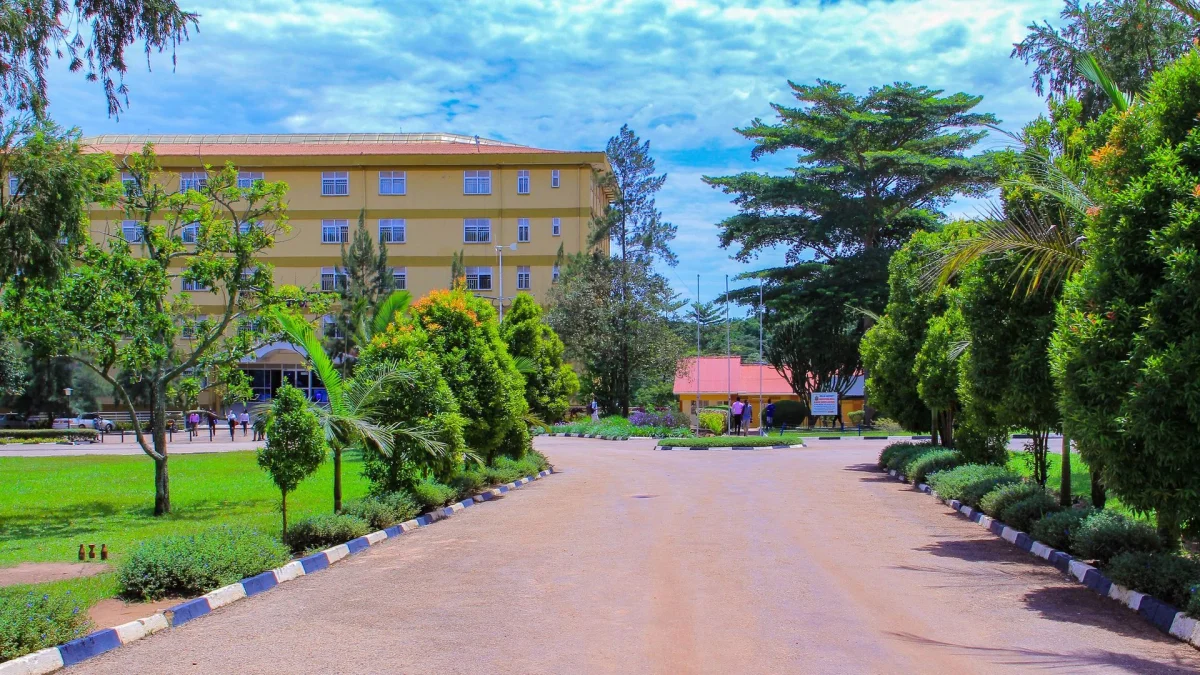

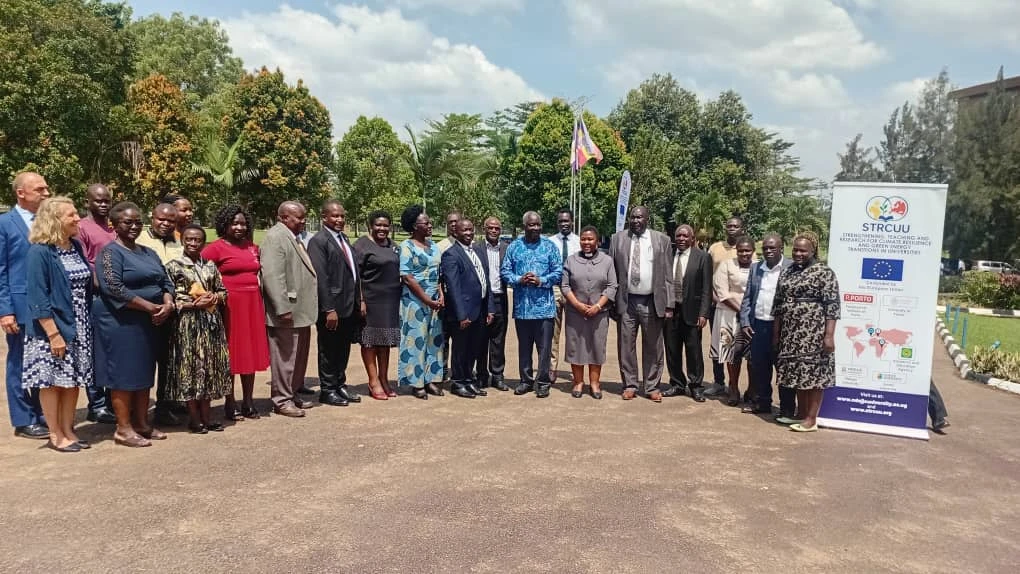
Established in 1992, the Ndejje University is a non-profit private higher education institution located in the rural setting of the small city of Ndejje (population range of 50,000-249,999 inhabitants), Central Region.
This institution also has a branch campus in Kampala. Officially recognized by the The National Council for Higher Education of Uganda, Ndejje University (NU) is a medium-sized coeducational Ugandan higher education institution formally affiliated with the Christian-Anglican religion.
Ndejje University (NU) offers courses and programs leading to officially recognized higher education degrees such as pre-bachelor's degrees (i.e. certificates, diplomas, associate or foundation), bachelor's degrees and master's degrees in several areas of study. This 32-year-old Ugandan higher-education institution has a selective admission policy based on entrance examinations.
The acceptance rate range is 40-49% making this Ugandan higher education organization an averagely selective institution.
International applicants are eligible to apply for enrollment. NU also provides several academic and non-academic facilities and services to students including a library, housing, sports facilities, financial aids and/or scholarships, online courses and distance learning opportunities, as well as administrative services.
Location & Contact
Address, contact details, and online presence for Ndejje University are summarised below. Cross-check with the official website if you intend to send documents or financial information.
Academic Details
The numbers behind Ndejje University: student body, academic staff, and the recognising bodies validating its work. A baseline read for assessing institutional capacity and rigour.
Academic Structures
The internal academic structure of Ndejje University — by faculty, school, and unit. Research-only units exist alongside teaching units; their function and student involvement differ.
Unit 6 items
- Faculty of Basic and Social Sciences
- Faculty of Business Administration
- Faculty of Education
- Faculty of Forestry
- Faculty of Science and Technology
- School of Postgraduate Studies
Degrees
Also Diplomas; MBA
Bachelor's 47 programs
Bachelor's programmes build foundational expertise, preparing graduates for entry-level professional roles and further postgraduate study.
- Accountancy
- Agricultural Business
- Agricultural Education
- Agriculture
- Banking
- Bible
- Business Administration
- Business and Commerce
- Christian Religious Studies
- Civil Engineering
- Community Development
- Computer Science
- Design
- Development Studies
- Economics
- Education
- Electrical Engineering
- Engineering
- Entrepreneurship
- Environmental Management
- Finance
- Forestry
- Hotel Management
- Human Resources
- Industrial Design
- Information Management
- Information Sciences
- Information Technology
- Insurance
- Journalism
- Library Science
- Logistics Management
- Management
- Marketing
- Mass Communication
- Natural Sciences
- Public Administration
- Secondary Education
- Secretarial Studies
- Social Sciences
- Social Work
- Software Engineering
- Sports
- Statistics
- Surveying and Mapping
- Theology
- Tourism
Master's 34 programs
Master's programmes develop advanced specialised expertise, suited to senior industry positions and applied research.
- Accountancy
- Agriculture
- Business Administration
- Computer Science
- Construction Engineering
- Curriculum
- Development Studies
- Economics
- Education
- Educational Administration
- Educational Psychology
- Educational and Student Counselling
- Finance
- Gender Studies
- Human Resources
- Human Rights
- Information Technology
- Journalism
- Logistics Management
- Management
- Marketing
- Multimedia
- Nutrition
- Peace and Disarmament
- Pedagogy
- Physical Education
- Preschool Education
- Psychology
- Public Administration
- Public Relations
- Rural Planning
- Sports
- Sports Management
- Transport Management
Doctoral 2 programs
Doctoral programmes train independent researchers, leading to academic, scientific, and senior advisory careers.
- Business Administration
- Management
Faculties & Divisions
All faculties operate under The National Council for Higher Education of Uganda.
Arts (Faculty) 14 subjects offered
Specialisations & Subjects
- Business Administration
- Ceramic Art
- Design
- Development Studies
- Economics
- Finance
- Fine Arts
- Gender Studies
- Industrial Arts Education
- Industrial Design
- Information Sciences
- Library Science
- Management
- Performing Arts
Basic Sciences and IT (Faculty) 15 subjects offered
Specialisations & Subjects
- Archiving
- Biology
- Chemistry
- Computer Science
- Demography and Population
- Economics
- Information Management
- Information Sciences
- Information Technology
- Mathematics
- Physics
- Software Engineering
- Sports
- Sports Management
- Statistics
Common Career Paths
- Research Scientist
- Lab Technician
- Analyst
Illustrative career directions for this field; specific outcomes depend on programme and student choices.
Business Administration and Management (Faculty) 16 subjects offered
Specialisations & Subjects
- Accountancy
- Agricultural Business
- Agricultural Management
- Banking
- Business Administration
- Business and Commerce
- Business Computing
- Finance
- Hotel Management
- Human Resources
- Information Management
- Insurance
- Management
- Marketing
- Public Relations
- Transport Management
Common Career Paths
- Business Analyst
- Operations Manager
- Strategy Consultant
Illustrative career directions for this field; specific outcomes depend on programme and student choices.
Education (Faculty) 11 subjects offered
Specialisations & Subjects
- Agricultural Education
- Art Education
- Bible
- Business Education
- Christian Religious Studies
- Computer Education
- Education
- Educational and Student Counselling
- Physical Education
- Preschool Education
- Science Education
Common Career Paths
- Teacher
- Educational Administrator
- Curriculum Specialist
Illustrative career directions for this field; specific outcomes depend on programme and student choices.
Engineering (Faculty) 5 subjects offered
Specialisations & Subjects
- Chemical Engineering
- Civil Engineering
- Electrical Engineering
- Mechanical Engineering
- Surveying and Mapping
Common Career Paths
- Engineer
- Project Manager
- Technical Consultant
Illustrative career directions for this field; specific outcomes depend on programme and student choices.
Environmental and Agricultural Sciences (Faculty) 8 subjects offered
Specialisations & Subjects
- Agricultural Business
- Agricultural Management
- Agriculture
- Environmental Management
- Farm Management
- Forest Management
- Forestry
- Natural Resources
Common Career Paths
- Environmental Consultant
- Sustainability Officer
- Climate Analyst
Illustrative career directions for this field; specific outcomes depend on programme and student choices.
Professional Studies (Faculty) 2 subjects offered
Specialisations & Subjects
- Accountancy
- Information Technology
Social Sciences (Faculty) 2 subjects offered
Specialisations & Subjects
- Development Studies
- Social Work
Common Career Paths
- Researcher
- Policy Analyst
- Social Worker
Illustrative career directions for this field; specific outcomes depend on programme and student choices.
Graduate Studies (Graduate School) 6 subjects offered
Specialisations & Subjects
- Agriculture
- Business Administration
- Educational Administration
- Information Technology
- Management
- Social Sciences
Programs Offered
Every programme Ndejje University offers, searchable by name and grouped by level. Pathway programmes leading from foundation to bachelor entry are sometimes listed separately from full degree programmes.
62 programmes on record. Each level below shows a sample. Compare these on the programs page All programs in Uganda
Bachelor's Degree 36 programmes
Showing 10 of 36.
Master's Degree 16 programmes
Showing 10 of 16.
Diploma 10 programmes
How to apply to Ndejje University
A practical five-step guide to applying to Ndejje University, from programme research through submission and follow-up.
-
1
Find a programme that fits your goals
Begin by reviewing the programmes section above. Ndejje University offers 62 programmes grouped by qualification level. Decide on a target tier (bachelor's, master's, or doctoral) before narrowing by subject.
-
2
Confirm you meet the requirements
Each programme at Ndejje University has its own entry requirements — academic minimums, language proficiency, supporting documents, and sometimes interviews or portfolios. Check the programme-specific page or contact admissions to confirm eligibility.
-
3
Assemble your application package
Most applications require certified academic records, identification documents, language test certificates (IELTS, TOEFL, or equivalent for English-medium programmes), CV/résumé, and a statement of purpose. Allow extra time for document authentication.
-
4
Submit your application
Apply directly via Ndejje University's online portal at www.ndejjeuniversity.ac.ug. Complete the application form, upload supporting documents, and pay any application fee. Confirmation emails typically arrive within a few business days.
-
5
Contact admissions and follow up
After submitting, confirm receipt with the admissions office and track your application status through the portal. You can reach the institution by email at [email protected] or by phone at +256 (39) 273 0321. Set reminders for any interview requests, additional document submissions, or admission decision deadlines.
Frequently Asked Questions about Ndejje University
Quick reference for Ndejje University: founding, control type, student body, rankings, and recognition status in one place.
When was Ndejje University founded?
Ndejje University was established in 1992 (approximately 34 years ago).
What city is Ndejje University in?
Ndejje University operates from Kampala, Uganda.
Is Ndejje University public or private?
Ndejje University operates as a private institution.
How big is Ndejje University's student body?
Ndejje University serves approximately 8,000-8,999 students.
What qualification levels does Ndejje University offer?
Ndejje University delivers bachelor's, master's and doctoral programmes across its academic units.
Does Ndejje University have a religious affiliation?
Yes, Ndejje University is affiliated with Christian-Anglican.
What is Ndejje University's academic structure?
Ndejje University has 6 academic units.
Who recognises Ndejje University?
Yes, Ndejje University is recognised by National Council for Higher Education (NCHE).
What is Ndejje University's official website?
The institution's website is www.ndejjeuniversity.ac.ug.
Top-Ranked Universities in Uganda
Faculty awards and national-leader status concentrate at the top Uganda universities. Ndejje University's faculty distinctions compared to leaders signal where the institution sits in academic networks.




Other Ugandan Universities Affiliated with Christian-Anglican
Faith-based scholarships exist at most Christian-Anglican institutions, sometimes restricted to coreligionists, sometimes open to all. The peers below often run parallel funding programmes.




Faculties at nearby universities
Regional industry partnerships shape career outcomes across the cluster near Ndejje University. Comparable employer networks often persist whether you choose Ndejje University or a neighbour.



Where Else to Study Business & Management
Beyond Ndejje University, several other universities in Uganda deliver focused Business & Management programmes worth exploring before you commit to a single application. Programme depth and elective range vary significantly between institutions.




Universities Compared with Ndejje University
Yield rates (proportion of admitted students who enroll) cluster among peer institutions. High-yield universities signal strong applicant preference compared to peers at the same selectivity level.


Studying in Uganda: guides and resources





Spotted something outdated or missing?
Help us keep this page accurate — it takes about 30 seconds.