National Circus School
Montréal, Canada • Founded 1981
Updated Sep 2026 · Source: ecolenationaledecirque.ca
Overview


The National Circus School (Ecole nationale de cirque) is a specialized post-secondary institution in Montreal dedicated exclusively to training professional circus artists.
Founded in 1981 by Guy Caron as part of the wave of institutions that grew out of Cirque du Soleil's home province, it is one of the few schools in the world offering a full academic pathway in circus arts, from preparatory training through a three-year Diploma of Collegial Studies (DEC 561.D0) recognized by Quebec's ministere de l'Enseignement superieur. Students train across disciplines including acrobatics, aerial work, balancing, juggling, and clowning, choosing generalist or specialist profiles as they progress.
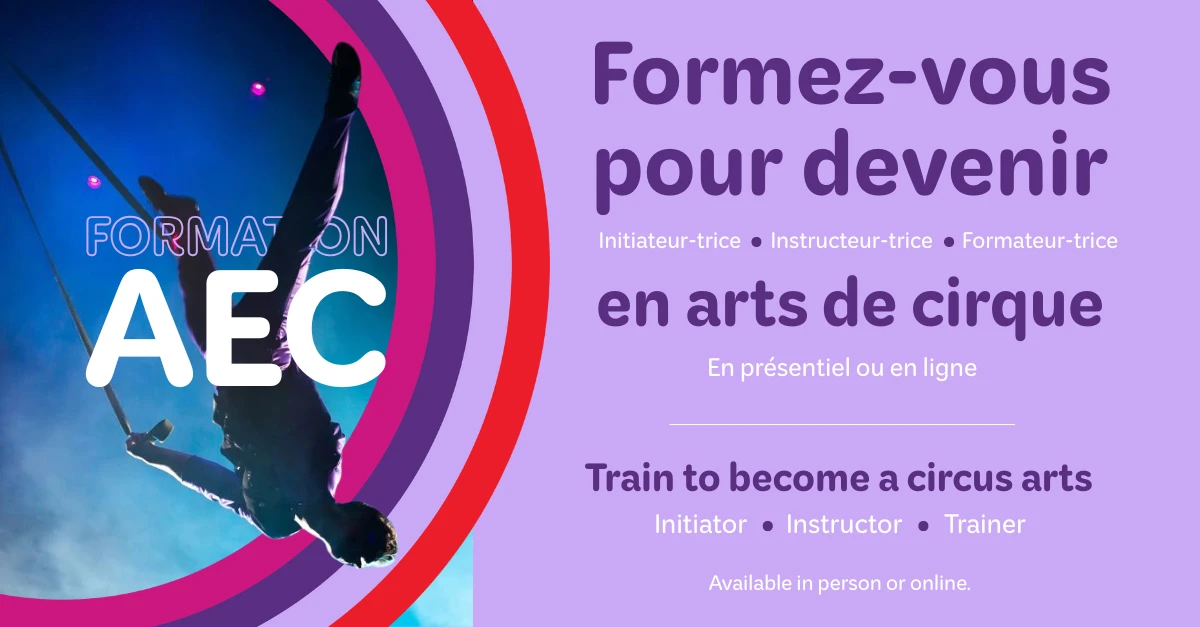
Beyond artist training, the school runs teacher-training programs (AEC) that prepare initiators, instructors, and trainers to teach circus arts safely to others, along with a circus-and-high-school-studies track and recreational classes and camps for youth. The school shares its Montreal campus, La TOHU district, with Cirque du Soleil and other circus organizations, giving students exposure to a working professional ecosystem.
Graduates have gone on to perform with major circus companies worldwide, reflecting the school's reputation as one of the leading circus arts training institutions internationally.
Location & Contact
Where to find National Circus School, plus its phone, email, website, and social media links.
Academic Details
National Circus School's student body, faculty composition, and recognition framework are below.
Programs Offered
Search and filter National Circus School's available programmes by degree level.
4 programmes on record. Compare these on the programs page All programs in Canada
Certificate 3 programmes
How to apply to National Circus School
A five-step guide to applying to National Circus School.
-
1
Identify the right programme
Start by exploring the programmes section on this page. National Circus School runs 4 active programmes across multiple degree levels. Narrow by qualification tier and read each programme description before shortlisting.
-
2
Check entry requirements
Before applying to National Circus School, confirm you meet the academic, language, and document requirements for your chosen programme. International applicants should also check visa eligibility for Canada.
-
3
Prepare your application documents
Standard documents: official transcripts, identity proof, language test results, personal statement, and references. Confirm exact requirements with National Circus School's admissions office before assembling, as expectations vary by programme.
-
4
Submit via the institution
Lodge your application through the official website (ecolenationaledecirque.ca). Online forms are the standard route. Save your draft frequently and submit before the programme deadline.
-
5
Get in touch with admissions
Verify your application has been received by the admissions team. Monitor the portal for status updates, interview invitations, or document requests, and respond within the stated deadlines.
Frequently Asked Questions about National Circus School
Quick reference for National Circus School: founding, control type, and recognition status.
When did National Circus School open?
National Circus School traces its founding to 1981 (approximately 45 years ago).
What city is National Circus School in?
National Circus School operates from Montréal, Canada.
What is National Circus School's control type?
National Circus School operates as a public institution.
How big is National Circus School's student body?
National Circus School serves approximately 150 students.
How do I find National Circus School online?
National Circus School's official website is ecolenationaledecirque.ca.
Top-Ranked Universities in Canada
National rankings in Canada often weight different signals than international rankings. The leaders below typically top both, but the order can differ meaningfully.


Faculties at nearby universities
The institutions below are geographically close to National Circus School.


Universities Compared with National Circus School
Comparable universities to National Circus School are listed below.


Studying in Canada: guides and resources



Spotted something outdated or missing?
Help us keep this page accurate — it takes about 30 seconds.
Save this university to your shortlist
Save universities and programs, follow countries, and get deadline reminders by email. Free, takes a few seconds.