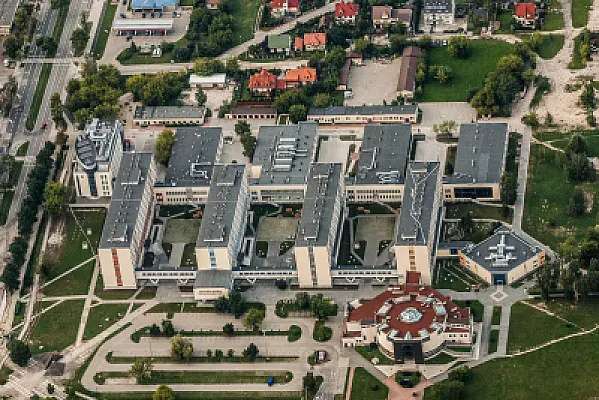
At British Columbia Institute of Technology in Burnaby, Canada, Electrical and Computer Engineering Technology (Automation and Instrumentation Option) Diploma is offered as a diploma in Computer Sciences programme. The programme runs for 2 years, delivered on campus.
At a glance
Degree:Diploma
Field:Computer Sciences
Duration: 2 years
Delivery: On Campus
We have no tuition fees or an application deadline on record for this programme yet — see the official programme page.
— it helps other students.
The Electrical and Computer Engineering Technology Automation and Instrumentation Option is a two-year, full-time diploma delivered in person at BCIT, with intakes in September and January and an optional paid co-op component. Building on the program's common first year, students study control strategies, measurement techniques, communications systems, and the electronic and computer systems used to automate commercial and industrial equipment. Students develop practical skills working with industrial equipment in dedicated labs, gaining a foundation in automatic measurement and control systems. Graduates may pursue careers designing and maintaining systems that measure and control processes across industries such as manufacturing, material handling, and building automation, or apply to continue into BCIT's Bachelor of Engineering in Electrical Engineering, or obtain a dual diploma in another Electrical and Computer Engineering Technology option.
Requirements
Admission Requirements: Applicants need Category 2 English language proficiency (English Studies 12 at 67% or equivalent), one of Pre-Calculus 12 or MATH 0001 - Technical Mathematics (each at 73%) or another acceptable BC/Yukon math course, Chemistry 11 at 67%, and one of Physics 12 or PHYS 0312 - Technology Entry Physics 2 (each at 67%). Midway through the second term of first year, students select their first and second choice for the next stage of the program, choosing between the Bachelor of Engineering degree (three additional years) or a one-year diploma option - Automation and Instrumentation, Telecommunications and Networks, or Electrical Power and Industrial Control. Entry to each diploma option and to the BEng degree is competitive by GPA, and students may be placed in their alternate choice where space is limited. The program is open to international students.