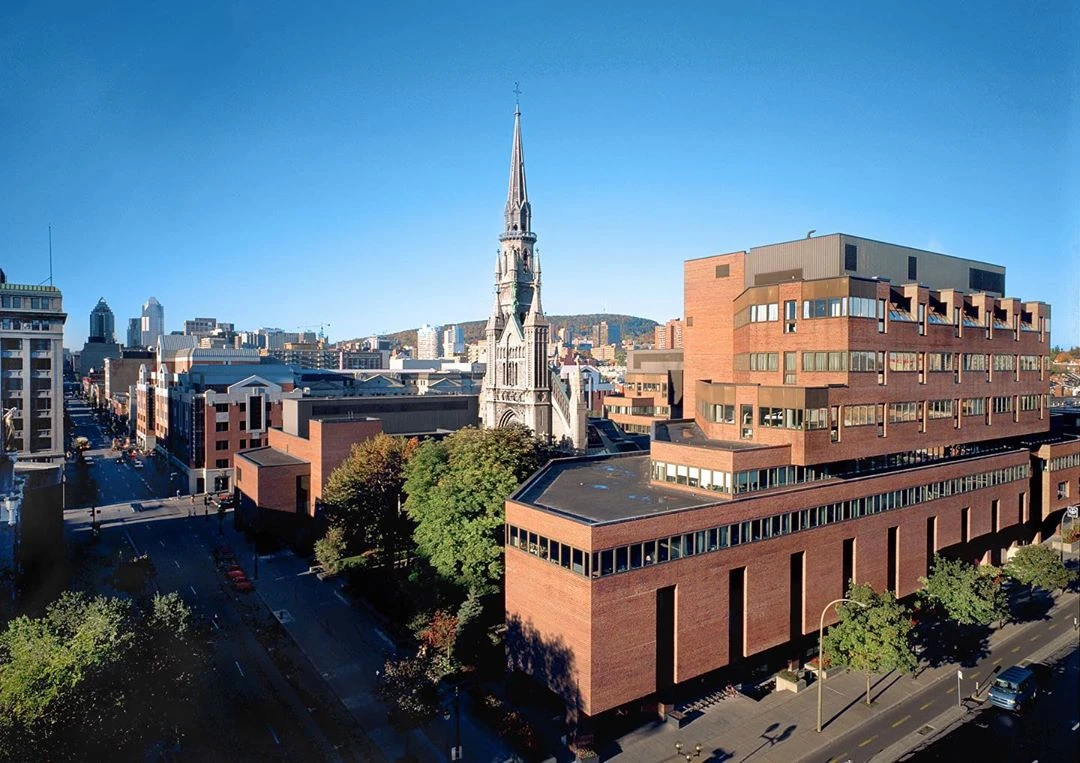
PGDip in Finance at Université du Québec à Montréal in Montréal, Canada is a postgraduate diploma in Finance, Banking & Insurance programme. The programme runs for 3 semesters, delivered in a hybrid format. Tuition for international students is CAD 852 per credit (CAD 104 per credit for local students).
Also offered as: Certificate
At a glance
Degree:Postgraduate Diploma
Field:Finance, Banking & Insurance
Duration: 3 semesters
Delivery: Hybrid
Local tuition: CAD 104 / credit
International tuition: CAD 852 / credit
We have no an application deadline on record for this programme yet — see the official programme page.
— it helps other students.
This 30-credit Diplome d'etudes superieures specialisees (DESS) trains finance professionals in portfolio management and financial analysis. Coursework is organized around six themes: portfolio management, professional ethics in finance, advanced financial-statement analysis, quantitative and statistical methods, economic analysis, and financial-asset valuation. Students gain hands-on experience using UQAM's trading-floor simulation facility and industry tools including Bloomberg and Morningstar. The program can be completed full-time in 3 trimesters or part-time in 6 trimesters, with courses offered in person, during the day and evening on weekdays, and some courses offering an online option. Admission is offered in the fall and winter terms. It suits bachelor's graduates in management sciences, economics, accounting, actuarial science, mathematics, or engineering who want specialized, practice-oriented training in finance.
Requirements
Minimum GPA:3.20 / 4.3
Admission Requirements: Applicants must hold a specialized bachelor's degree, or the equivalent, in management sciences, economics, accounting, actuarial science, mathematics, or engineering, with a minimum cumulative average of 3.2 on a 4.3 scale; averages between 2.8 and 3.2 may be admitted following committee review. Applicants must have completed prior coursework in calculus and statistics, and must demonstrate proficiency in word-processing, spreadsheet, and presentation software. Candidates must have sufficient spoken and written French and a functional level of written English. Admission is offered in the fall and winter terms.