University of Northern British Columbia institutional logo

Land Reclamation Certificate

University of Northern British Columbia

Prince George, British Columbia, Canada•QS 2027 #1201-1400

Official program page (opens in a new tab)

Land Reclamation Certificate is a certificate in Environmental Sciences programme taught at University of Northern British Columbia in Prince George, Canada. The programme is delivered on campus. Teaching is in English. Tuition for international students is CAD 2,200 per total (CAD 2,200 per total for local students).

At a glance

Degree: Certificate
Field: Environmental Sciences
Delivery: On Campus
Language: English
Local tuition: CAD 2,200 / total
International tuition: CAD 2,200 / total

Last reviewed September 2026 ·

Program details

Overview

The Land Reclamation Certificate through UNBC Continuing Studies is an entry-level, five-day course combining classroom instruction with hands-on field work for learners new to ecological restoration. Participants build a working knowledge of ecosystem ecology and restoration fundamentals before applying reclamation planning, remediation techniques, and current technologies during an on-site field exercise in Prince George that doubles as a skills and competency assessment. No prior post-secondary background in ecology is assumed, making the course accessible to industry staff moving into reclamation-adjacent roles. UNBC also offers the course as a custom booking for employer groups who arrange their own date and location with Continuing Studies.

Requirements

Admission Requirements: The Land Reclamation Certificate is an entry-level course; UNBC states it targets students who are new to land reclamation and who may not have a post-secondary level understanding of ecosystem ecology, so no prior post-secondary background in ecology is assumed. No GPA, English-proficiency test score, or other formal academic prerequisite is published for admission.

Application Details

Application Deadline: UNBC's general-entry Bachelor's programs (BA, BComm, BPl, BSc) accept domestic (Canadian/PR) applications continuously with no fixed closing date for either the September or January semester. International applicants face undated, recurring cutoffs that UNBC prints without a specific year: 11 July for September-semester entry and 8 November for January-semester entry; applying later risks missing the documentation needed to study in Canada before the semester begins. Competitive-entry programs (Engineering, Nursing, Health Sciences, Education, Social Work) and individual graduate programs set their own dates each cycle -- see the programme-specific entries below for this institution's graduate programs. These are institution-wide dates; this programme publishes no deadline of its own.

About University of Northern British Columbia

“En Cha Huná”
Type: University
Control: Public
Campus setting: Suburban
Founded: 1990
Students: 3,819
QS rank: #1201-1400
Programs: 132
Location: Prince George, British Columbia, Canada
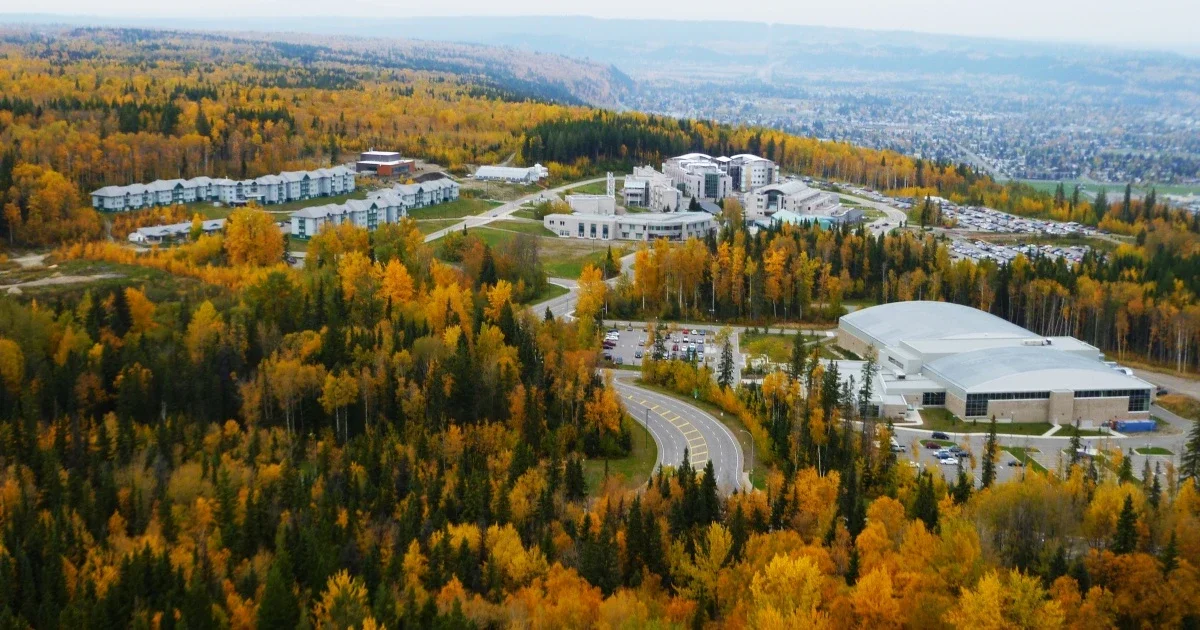
University of Northern British Columbia principal campus
1 / 2

View the full University of Northern British Columbia profile

Similar programs in Canada
More programs at University of Northern British Columbia

Other universities in Canada
Frequently asked questions

What degree does Land Reclamation Certificate award?

University of Northern British Columbia awards a Certificate in the field of Environmental Sciences on completion of this programme.

How much does Land Reclamation Certificate cost?

Tuition for international students is CAD 2,200 per total (CAD 2,200 per total for local students).

Can Land Reclamation Certificate be studied online?

No — the programme is taught on campus at University of Northern British Columbia.

What language is Land Reclamation Certificate taught in?

The programme is taught in English.

Browse all articles →

Spotted something outdated or missing?

Help us keep this page accurate — it takes about 30 seconds.

Free calculators and converters to plan your study-abroad journey.

Latest Articles

Fresh guides and advice for studying abroad.

View all →

Compare Compare