At Southern Alberta Institute of Technology in Calgary, Canada, Diploma in Machining Technology is offered as a diploma in Mechanical Engineering programme. The programme runs for 2 years, delivered on campus.
At a glance
Degree:Diploma
Field:Mechanical Engineering
Duration: 2 years
Delivery: On Campus
We have no tuition fees or an application deadline on record for this programme yet.
— it helps other students.
Information for the 2027/28 academic year · Last reviewed September 2026 ·
Program details
Overview
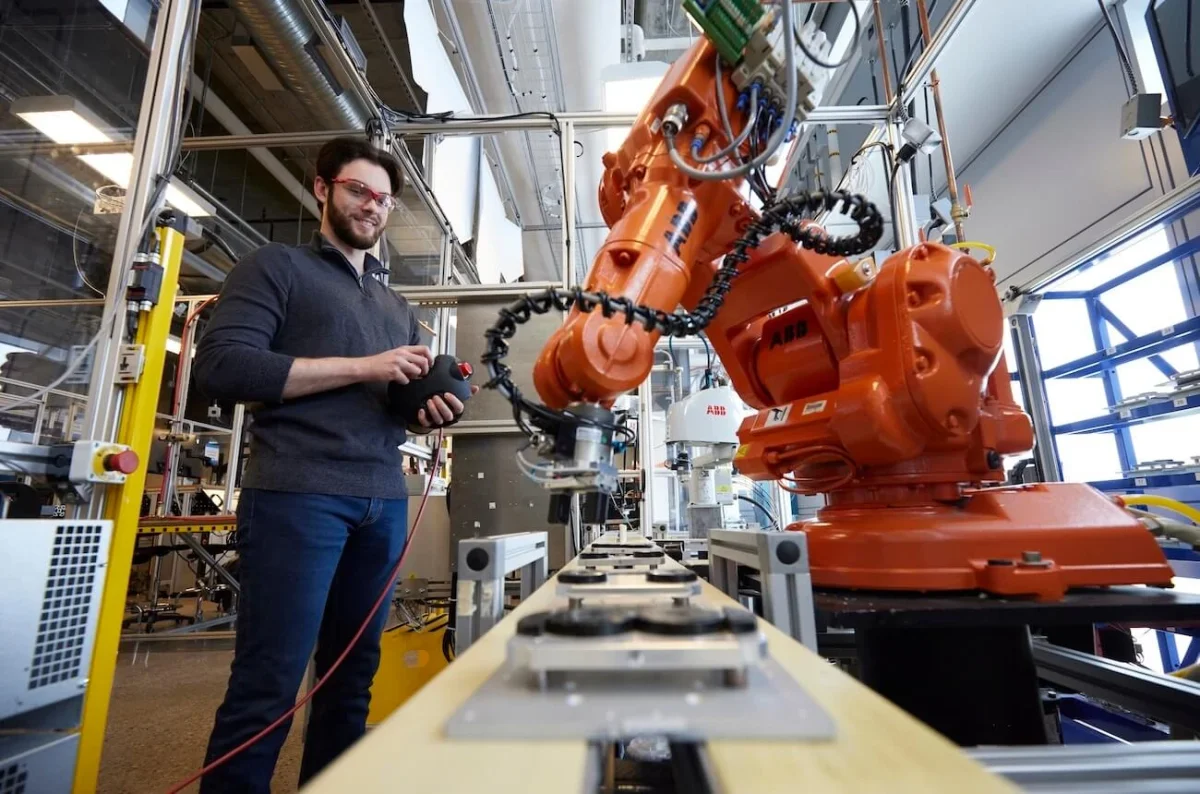
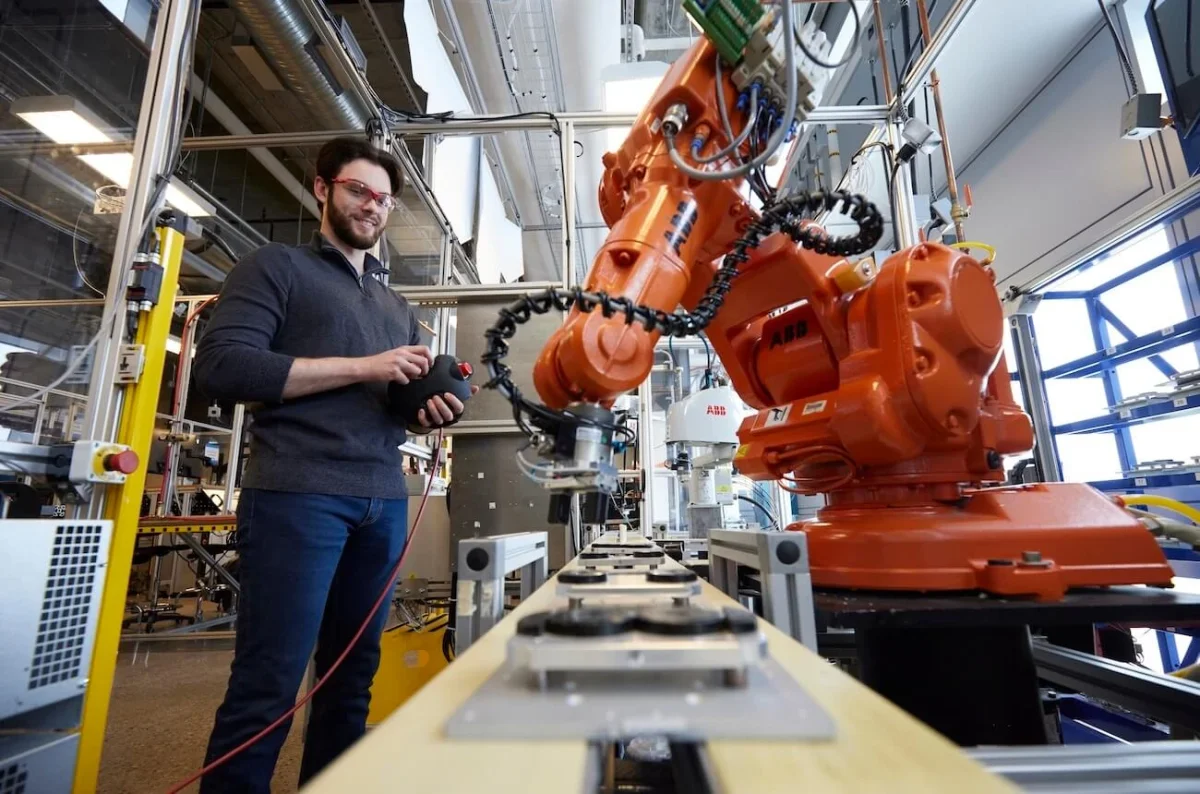
This two-year diploma provides hands-on training in operating manual and Computer Numerical Control (CNC) machinery, including CNC mills, lathes and coordinate measuring machines (CMM), as well as conventional mills, drills, lathes and grinders for metal cutting and shaping. Students learn to interpret blueprints, use computer-aided design (CAD) and computer-aided manufacturing (CAM) software to develop tool paths, plan manufacturing processes, validate design accuracy, and apply precise measurement techniques and knowledge of metal properties. The program aligns with the Alberta Apprenticeship and Industry Training (AIT) curriculum for all four technical training periods for Machinists, allowing graduates to challenge journeyperson exams. Graduates of SAIT's Machinist Technician certificate program may be considered in place of standard admission requirements. Delivery is in person at Main Campus, and graduates receive a SAIT Machining Technology diploma.
Requirements
Admission Requirements: Applicants educated in Canada must demonstrate English language proficiency and complete the following courses or equivalents: at least 50% in Math 20-1, Math 20-2 or Math 20-3; at least 50% in English Language Arts 20-1 or English Language Arts 20-2; and at least 50% in Science 10. Applicants who have completed the SAIT Machinist Technician certificate program or equivalent may also be accepted in place of these requirements. SAIT accepts high school course equivalents for applicants educated outside Alberta. Applicants educated outside of Canada must demonstrate English language proficiency and provide proof of meeting program admission requirements through an international document assessment.