Logo of Simon Fraser University

Computing Science Post-Baccalaureate Diploma

Simon Fraser University

Burnaby, British Columbia, CanadaWorld Rank #376

Official program page (opens in a new tab)

Computing Science Post-Baccalaureate Diploma is a postgraduate diploma in Computer Sciences programme offered by Simon Fraser University in Burnaby, Canada. The programme runs for 1 year, delivered on campus. Teaching is in English. Tuition is CAD 223 per credit for local students.

At a glance

Degree: Postgraduate Diploma
Field: Computer Sciences
Duration: 1 year
Delivery: On Campus
Language: English
Local tuition: CAD 223 / credit

Information for the 2027/28 academic year · Last reviewed September 2026 ·

Program details

Overview

The Computer Science Post-Baccalaureate Diploma is intended for students who want to integrate a significant amount of computing science into their career path or are trying to obtain the undergraduate training needed before applying to a graduate program in computing science. You'll take courses in operating systems, data structures and algorithms, and database systems, and have the opportunity to take a co-op program.

Requirements

Admission Requirements: This diploma is open to applicants who already hold a university degree. Admission is competitive and is assessed on upper-division (third- and fourth-year) academic performance in the prior bachelor's degree together with a program-specific Computing-Related GPA (CRGPA); the page does not publish a minimum numeric CRGPA threshold. Applicants must have completed MACM 101 and one of CMPT 125, 129 or 135, or their equivalents, before admission. No standardized English-language test score is required; SFU may instead consider professional experience in a work environment where English was the language of work. A statement of interest may also be taken into account, and admission proceeds either as direct admission or as an internal transfer for current SFU students.

Application Details

Application Deadline: Domestic applicants apply through EducationPlannerBC, with one set of dates per applicant type rather than by citizenship. Fall 2027 entry: high-school-route applications open 1 October 2026 and close 31 January 2027, while transfer applications open 1 March 2027 and close 15 April 2027 (Education and Contemporary Arts transfer applicants may apply from 1 October 2026). Spring 2027 entry runs 1 July to 15 September 2026, and Summer 2027 entry runs 1 December 2026 to 15 January 2027. Admission documents are generally due 28 February 2027 (Fall) and offers must be accepted by 1 May. International applicants use the same EducationPlannerBC dates and portal; SFU publishes no separate international deadline. These are institution-wide dates; this programme publishes no deadline of its own.

About Simon Fraser University

“Nous sommes prêts”
Type: University
Control: Public
Campus setting: Urban
Founded: 1965
World rank: #376
Programs: 328
Location: Burnaby, British Columbia, Canada
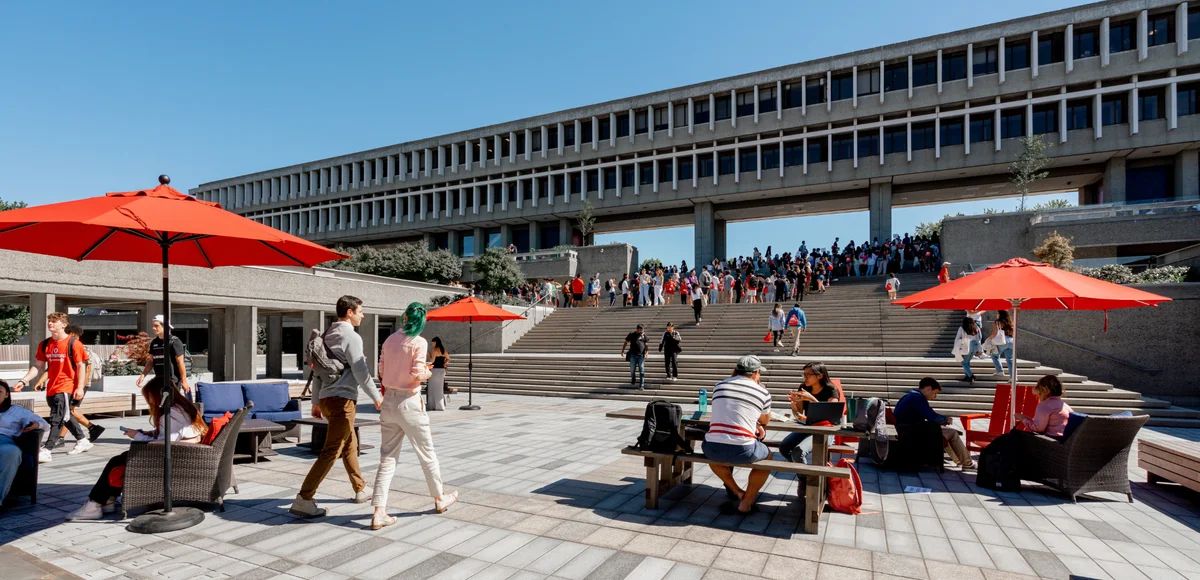
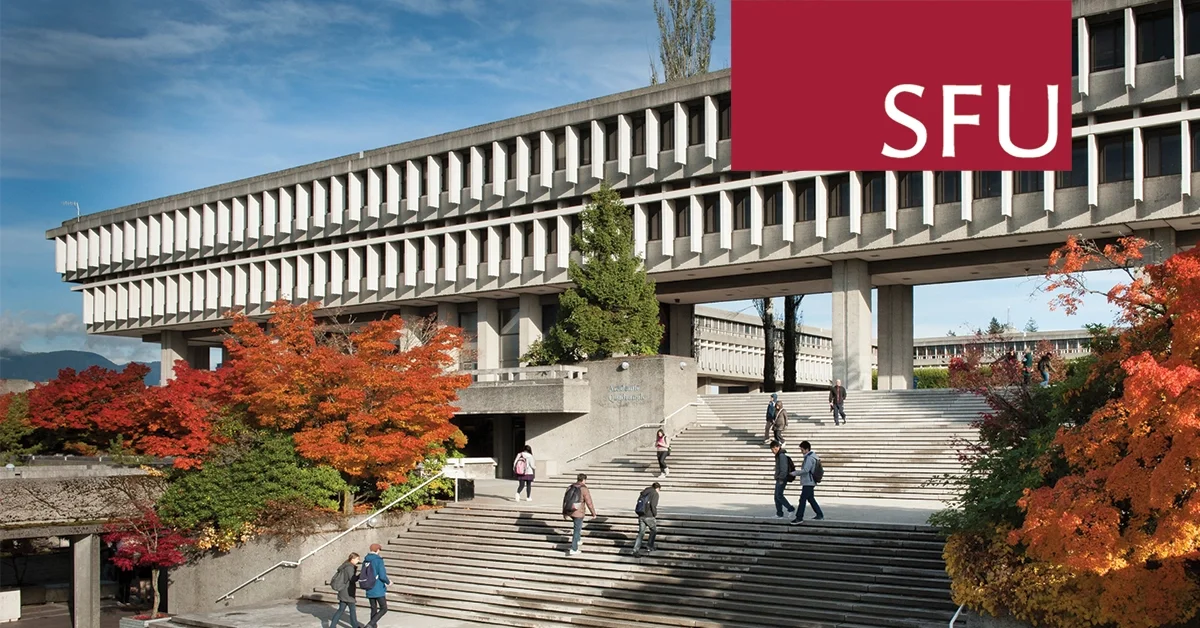
Simon Fraser University institutional building
1 / 4

View the full Simon Fraser University profile

More programs at Simon Fraser University

Other universities in Canada
Frequently asked questions

What degree does Computing Science Post-Baccalaureate Diploma award?

Simon Fraser University awards a Postgraduate Diploma in the field of Computer Sciences on completion of this programme.

How long does Computing Science Post-Baccalaureate Diploma take?

The programme runs for 1 year.

How much does Computing Science Post-Baccalaureate Diploma cost?

Tuition is CAD 223 per credit for local students.

Can Computing Science Post-Baccalaureate Diploma be studied online?

No — the programme is taught on campus at Simon Fraser University.

What language is Computing Science Post-Baccalaureate Diploma taught in?

The programme is taught in English.

Browse all articles →

Spotted something outdated or missing?

Help us keep this page accurate — it takes about 30 seconds.

Free calculators and converters to plan your study-abroad journey.

Latest Articles

Fresh guides and advice for studying abroad.

View all →

Compare Compare