Lithuanian Academy of Music and Theatre brand mark

Lithuanian Academy of Music and Theatre

Vilnius, Lithuania Founded 1919

Overview

English Name: Lithuanian Academy of Music and Theatre
Acronyms: LMTA
Founded: 1919
Control Type: Public
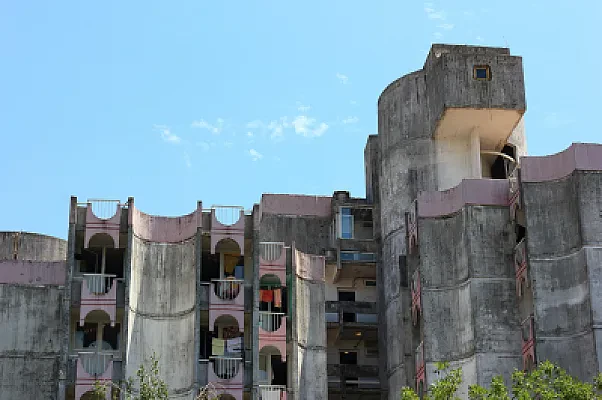
Lithuanian Academy of Music and Theatre campus and surroundings
1 / 5

Founded in 1933, an internationally recognized institution training artists for a professional career in music, theatre, dance and film and offers related theoretical studies.

Formerly Lietuvos Muzikos Akademija. In 1949 the Conservatoire of Kaunas and the Conservatoire of Vilnius (founded in 1945) were merged into the Lithuanian State Conservatoire.

In 1992 the Conservatoire was renamed Lithuanian Academy of Music (LMA), and in 2004 Lithuanian Academy of Music and Theatre (LMTA)

Location & Contact

Lithuanian Academy of Music and Theatre's address, phone, email, and social presence. Department-level scholarship enquiries route faster through the specific faculty rather than central admissions.

Address: Gedimino avenue 42
Postal Code: 01110
Map:
Social Media:

Academic Details

The basic academic profile of Lithuanian Academy of Music and Theatre, including enrolment and faculty composition. Total student count fluctuates intake-to-intake; treat the figure as approximate rather than precise.

Academic Year: September to June (September-January; February-June)
Accrediting Agency: Ministry of Education and Science (Švietimo ir mokslo ministerija)
Admission Requirements: Secondary school certificate (Brandos Atestatas)

Degrees

Find the degree level matching your study stage at Lithuanian Academy of Music and Theatre. Bologna-process cycles (1st/2nd/3rd) map roughly to bachelor's, master's, and doctoral but with country-specific variations.

Diploma & Certificate 8 programs

Diploma and certificate routes deliver focused, applied training for fast entry into skilled occupations.

  • Art History
  • Cinema and Television
  • Ethnology
  • Film
  • Music
  • Music Education
  • Musicology
  • Theatre

Faculties & Divisions

Below is how Lithuanian Academy of Music and Theatre divides teaching by faculty and subject. Dual-major pathways spanning two faculties exist at some universities but require coordination between departments.

Music (Faculty) 6 subjects offered

Specialisations & Subjects

  • Conducting
  • Music
  • Music Theory and Composition
  • Musical Instruments
  • Opera
  • Singing
Theatre and Film (Faculty) 7 subjects offered

Specialisations & Subjects

  • Acting
  • Art Criticism
  • Art History
  • Art Management
  • Cinema and Television
  • Film
  • Theatre

Programs Offered

Lithuanian Academy of Music and Theatre's programme list, with search and degree-level grouping. Search matches programme names; if you don't see your subject, check the divisions section to locate the relevant faculty.

Bachelor's Degree

4 programmes

Browse 4 programmes at Lithuanian Academy of Music and Theatre for undergraduate entry. Each combines core theory with the credits needed to progress toward honours or a master's.

Arts Pedagogy 1 year On-campus
General Description: The programme aims to prepare specialists capable of working in formal, non-formal and/or specialised education institutions, who possess skills in performing or performing arts, knowledge of art history and theory, pedagogy and developmental psychology, and subject-specific teaching methods, and who are able to apply these practically, think critically and creatively, and are motivated for lifelong learning and professional development. Objective(s) of a study programme: To educate qualified pedagogues with a background in performing arts or stage arts who are competent in applying educational models in different teaching contexts and can integrate educational theory and artistic practice. Learning outcomes: Graduates will: have knowledge of the philosophical, psychological, and sociological aspects of arts education, as well as features of cultural and education policy, which they will apply in analysing educational contexts; understand how to plan and manage learning processes, including didactics and methodology of their specialisation: educational aims, methods, tools, forms, student assessment and motivation strategies, as well as curriculum design and implementation principles; know key theories of human development, motivation and learning, and be aware of learner diversity; be familiar with the specifics of professional development and collaboration at institutional, national and international levels; be capable of analysing and critically evaluating problems in arts education using educational knowledge and practice; be able to identify relevant educational problems, justify them using current research methods, conduct independent research, and prepare and defend a final thesis; contribute to solving problems in arts education and improve their professional activity based on research; plan and organise learning processes purposefully, using subject knowledge and latest educational practices, and select methods adapted to learners’ abilities and individual progress; assess learning outcomes, provide feedback to students and their parents/guardians; identify and respond to individual learners’ needs, personalise content, and strengthen learner engagement; create a learning environment based on interaction, partnership, tolerance and dialogue, promoting emotional, social and creative development, and enriching arts education with non-formal settings; communicate and collaborate effectively with parents, colleagues and representatives of educational and cultural institutions; communicate persuasively and argumentatively in spoken and written form with both specialist and non-specialist audiences; collaborate, take on roles and responsibilities in teams across educational settings; reflect on their teaching practices at different levels, take responsibility for their results and impact; be open, flexible, guided by values of professional identity, social responsibility, and unconditional support for learners. Activities of teaching and learning: Lectures, practice placements, independent work. Methods of assessment of learning achievements: Examinations, defence of the final thesis. Framework: Study subjects (modules), practical training: Core modules: Basics of Art Pedagogy Psychology Basics of Research Methodology Thesis of Pedagogical Studies Methodology of Teaching a Specialisation Subject Didactics of Inclusive Arts Education Assistance Practice Independent (Active) Pedagogical Practice Alternatives: Contexts of Arts Education Development of Creativity and Educational Innovations Alternatives: Contemporary Strategies of Art Education Integration in Arts Education Alternatives: Didactic of Early Childhood, Preschool and Primary School Arts Education Didactic of Secondary Arts Education Specialisations: Music; Theatre; Dance Optional courses: Alternatives: Semester I: Contexts of Arts Education Development of Creativity and Educational Innovations Semester II: Contemporary Strategies of Art Education Integration in Arts Education Semester I (didactics): Didactic of Early Childhood, Preschool and Primary School Arts Education Didactic of Secondary Arts Education Distinctive features of a study programme: Integration of science and art; creation of learning environments conducive to artistic creativity. Access to professional activity or further study: Access to professional activity: Graduates can work as arts (music, dance, theatre) teachers and/or leaders of artistic groups in educational and cultural institutions (kindergartens, primary and lower secondary schools, art schools, gymnasiums, colleges, centres of arts education, etc.), or carry out individual pedagogical activities. Access to further study: Upon successful completion of the professional studies programme, students may pursue further studies at a higher level depending on the qualification degree of their previous studies.
Duration: 1 year
Delivery: On-campus
Dance and Education Šokis ir edukacija 4 years On-campus
Objective(s) of a study programme: To train dance art specialists who have the competencies necessary for professional activity (intercultural, professional, specialist), who have acquired a system of knowledge of dance art history and theory, mastered various dance (ballroom, folk, performative) style methodologies and can apply them in practice, and who can perform pedagogical work in formal and non-formal education institutions, having a system of pedagogical, psychological, musical knowledge and being able to apply it in practice. Learning outcomes: It is expected that a student who has completed the study programme will acquire the following: The graduate will have knowledge of special dance art subjects and will be able to apply it in personal and professional activities. The graduate will know the traditions of interpreting dances of different styles and genres, as well as performance standards. The graduate will know the national and international contexts of dance art activities, will be aware of the principles of artistic activity management and will be able to apply knowledge in creative practical activities. The graduate will have a system of pedagogical and psychological knowledge about the artistic education of children and youth, as well as systematic knowledge about the development of physical, cognitive, psychosocial, and artistic abilities of children and youth (minor field pedagogic studies). The graduate will be able to collect and analyse data needed to solve important profession-related problems. The graduate will be able to analyse and critically evaluate creative processes, tendencies of professional activity, to see relevant problems of fostering the culture of dance art. The graduate will be able to study and formulate the problem, anticipate and justify its solutions and technologies. The graduate will be able to analyse and evaluate situations of professional activity, identify relevant problems of artistic education, select and apply appropriate data collection methods, analyse and summarise data, and apply them in practical activities (minor field pedagogic studies). The graduate will be able to professionally perform different dance styles and convey a unique artistic concept. The graduate will be able to plan, organise and implement dance performance-related activities, create dances and organise mass dance festivals. The graduate will be able to use information and communication technologies in the activities of an artistic director and for professional development. The graduate will be able to plan, organise, and manage the artistic education process: formulate goals, create educational content, select educational materials and suitable teaching/learning and assessment methods (minor field pedagogic studies). The graduate will be able to communicate ethically, collaborate, maintain professional relationships with professionals and others. The graduate will be able to work in a team, involve other people in activities, motivate, and be proactive, responsible and honest in the pursuit of common goals. The graduate will be able to assess the needs of different dance audiences, socio-cultural context and choose the most effective forms of artistic communication. The graduate will be able to discover, systematise and purposefully use information in the professional activities of an artistic director or performer. The graduate will be able to think critically and creatively, generate ideas, take initiative, as well as act responsibly and motivated in the professional space. The graduate will be able to use native and foreign languages correctly in a professional environment, use various communication methods and tools. The graduate will be able to work and develop independently, plan and systematically improve their professional competencies, and adapt to new situations (minor field pedagogy studies). Activities of teaching and learning: Main teaching and learning methods: practical activities, teaching (explanation, demonstration of dance moves, narration, illustration), studies of literature, audio, video and other sources of information (demonstration, review, analysis, interpretation), active listening, use of students’ personal experience, data collection, project preparation, group work, group discussion, performance of practical tasks, creative exercises (brainstorming, mind maps), preparation and presentation of written works (reports), study portfolio, observation, presentation of personal experience, reflection, providing feedback. Preparation and defence of the final work (creative project). Main forms of contact work: individual and group theoretical and practical classes, consultations, rehearsals, independent work. Methods of assessment of learning achievements: Assessment is an integral part of the study process and is, therefore, carried out on a regular basis through assessing and evaluating students’ independent work, presentations and individually-prepared tasks. Students’ knowledge is also assessed by the results of practical tasks, tests and exams. The evaluation of student’s performance is based on a cumulative grading system, i.e., the final grade is composed of the evaluation of intermediate tests and the final examination. Methods of assessment of study results: formative (work during group and individual sessions) and cumulative (summative) assessment: intermediate assessment, testing, oral and written survey, presentation of projects, reports; presentation and defence of the final work (project). The evaluation of the examinations and the defence of the Final Thesis is based on the 10-point grading system. The tests are evaluated on a pass-fail grading system. Study subjects (modules), practical training: Subjects (modules) of the field of the study programme; general university subjects; optional subjects; internship; final art project. Specialisations: Not applicable Distinctive features of a study programme: This is a unique first-cycle study programme available in Lithuania that educates professional dance art specialists. From the third year, it is possible to choose alternative (entertainment, folk, performative) dance study subjects. During the study process, the integrated teaching model is applied. In the programme, in addition to the subjects of the main (dance) field of study, subjects of other fields – music, theatre, and pedagogy – are studied. The students are taught by the most prominent Lithuanian dance artists and scientists, and there is constant cooperation with well-known professional dance art specialists from abroad. The programme has integrated minor field studies in Arts Pedagogy. Access to professional activity: Graduates are able to work as performers or artistic directors of dance groups in various cultural institutions and amateur and professional dance groups and initiate private and project activities of dance education and the creation of new groups. Upon completion of the integrated minor field studies in Arts Pedagogy and having obtained a teacher’s qualification, graduates can work as teachers in various formal and informal and/or specialised educational institutions. Access to further study: Graduates have the right to enrol in the second-cycle programmes of dance and other study fields, if this is foreseen in the admission requirements of the chosen study programme.
Duration: 4 years
Delivery: On-campus
Music Studies Muzikos studijos 4 years On-campus
Objective(s) of a study programme: To train a music professional possessing knowledge of and skills in music history, music theory, and music technologies, as well as creative and organisational knowledge and skills, who is able to initiate, create, implement, analyse, and assess music/art projects in a variety of professional contexts. Learning outcomes: The graduate will know the most prominent musical works by Lithuanian and foreign musicians and be familiar with their composers and development stages; will understand traditions of different cultures, styles, and forms. The graduate will understand the principles of music and/or sound structure and their application processes and will be able to apply the acquired knowledge of theory and skills in practice and/or creative activity. The graduate will gain understanding of theoretical and practical music processes in a range of artistic, scientific, and cultural contexts. The graduate will have a system of pedagogical and psychological knowledge about general and artistic education of children and youth, as well as systematic knowledge about the development of physical, cognitive, psychosocial and artistic abilities of children and youth (pedagogy minor studies). The graduate will be able to express his/her ideas fluently in oral and written form and justify them; will effortlessly use professional terminology. The graduate will be able to independently accumulate, analyse, summarise, and interpret various information, ask issue-related questions, identify the peculiarities of musical phenomena, systematise the gained knowledge, and draw conclusions. The graduate will acquire skills of analysing and developing a creative project and/or artistic research, which will enable them to create, present, and justify the existing artistic and conceptual meaning. The graduate will be able to analyse and evaluate situations occurring in his/her professional activity, see relevant problems of artistic education, select and apply appropriate data collection methods, analyse and summarise data, apply them in practice (pedagogy minor studies). The graduate will master the key principles of music history and theory and will demonstrate the ability to efficiently analyse and professionally evaluate artistic ideas and projects in various contexts of the art of music. The graduate will be able to develop and carry out art projects and choose appropriate complex technological, organisational, and methodological tools. The graduate will gain the knowledge and skills of career management, and entrepreneurship that will enable them to become proactive professional players in the contemporary art market. The graduate will be able to plan, organise and manage the process of artistic education: he/she will be able to formulate goals, create educational content, select teaching materials and appropriate teaching/learning and assessment methods (pedagogy minor studies). The graduate will be able to convey the knowledge and understanding of his/her professional activities and cooperate with art experts and specialists in other fields in a professional and efficient manner. The graduate will be able to work both individually and in a team, and take responsibility for the quality of his/her work following the principles of professional ethics and civic engagement. The graduate will be able to use various professional knowledge, methods, and strategies for effective communication with the audience and dissemination of his/her message through a range of media. The graduate will be able to work independently and grow professionally; will be able to plan and systematically develop his/her professional competences; express and accept criticism in a constructive manner. The graduate will be proactive when solving arising problems and will be able to adapt to new situations, and use personal and organisational skills when working in a competitive environment. Being aware of the social impact of his/her activities, the graduate will be able to take responsibility for, assess, and improve the conceptual and artistic quality of his/her creative project and/or artistic research. Activities of teaching and learning: Main teaching and learning methods include presentation (explanation, telling, giving examples, demonstration); literature review, review of audio-video material and other information sources (demonstration, revision, analysis, interpretation); active listening; using students’ personal experience; collecting data; project development; group work, group discussions; practical assignments, creative assignments (brainstorming, mind mapping), creative experiments, (movement improvisation, short-term compositions); writing assignments (reports) and their presentation; portfolio, observation, presentation of personal experience and reflection; providing feedback; developing the Final Bachelor’s Thesis (Final Bachelor’s Art Project) The main forms of contact work include theory classes and practice sessions, consultations, rehearsals, and independent work. Methods of assessment of learning achievements: Assessment and evaluation is an integral part of the study process which is, therefore, carried out on a continuous basis through assessing and evaluating students' independent work, presentations, individually-prepared tasks. The evaluation of the student performance is based on a cumulative grading system, i.e. the final grade is composed of the evaluation of interim tests and the final examination. The learning outcomes are assessed through formative assessment (a student’s performance in group work and individual sessions) and cumulative (summative) evaluation (interim tests, quizzes, oral and written tests, presentation of projects and reports; and presentation and defence of the Final Thesis (Final Project). The evaluation of the examinations and the defence of the Final Thesis is based on the 10-point grading system. The tests are evaluated on a pass-fail grading system. Study subjects (modules), practical training: Subjects (modules) of the field of the study programme; general university subjects; optional subjects; internship; Final Art Project. Specialisations: Electronic Music Recording and Production Composition Folk Music Music Industry and Management Music and Education Musical Research Distinctive features of a study programme: The study programme awards a degree enabling the graduate to do artistic, creative, scientific, pedagogical, managerial, and organisational activities, or their combination. The study programme is characterised by opportunities for the student to shape the content of their studies by choosing the subjects or their alternatives that meet the student’s needs. Students in the specialisations of Composition, Music Folklore, and Music Research can choose minor studies in Art Pedagogy and obtain a teaching qualification. Also, student internationalisation is encouraged through participation in exchange programmes and studying at host institutions. Students of Composition, Folk Music and Musical Research specialisations can choose minor studies of Art Pedagogy and acquire the qualification of a teacher. The specialisation Music and Education has integrated minor studies of Arts Pedagogy. Access to professional activity: Graduates are able to work in a range of cultural and educational institutions in Lithuania; initiate and carry out national and international cultural and art projects; express themselves independently in creative, artistic, scientific research and professional activities. Upon completion minor studies of Art Pedagogy and acquisition the qualification of a pedagogue, graduates are able to work as pedagogues in various formal and non-formal and/or specialised educational institutions. Access to further study: Graduates can continue their studies in the second cycle (Master's degree) in the field of music and other fields of study if it is provided for in the requirements for admission to the chosen study programme.
Duration: 4 years
Delivery: On-campus
Film Art Kino menas 4 years On-campus
Objective(s) of a study programme: To train a film art specialist who is knowledgeable in the history and theory of film, in the contemporary contexts of film and the screen arts, who is able to analyse cinematic phenomena, and who is responsible for the creation, implementation and artistic merit of a project (or a part of a project) of the film, television or any other screen art, by applying the knowledge and skills in the chosen field of specialisation, and who is capable of working independently and in a team, and who can be held accountable for the results of his/her work. Learning outcomes: The graduate will know and be able to compare and evaluate the most important phenomena of the art of cinema by Lithuanian and world creators, and its directions. The graduate will know the theoretical and practical principles of filmmaking and will be able to relate them to each other. The graduate will understand the processes and significance of film art in the general context of culture and art. The graduate will know the basic legal, art management, health and safety requirements and comply with them when performing creative activities related to the art of cinema. The graduate will be able to express thoughts fluently and argumentatively in oral and written forms and use professional terminology effortlessly. The graduate will be able to independently accumulate, analyse, summarise and interpret the sources of information needed to solve creative problems, based on the practice of the art of cinema and research. The graduate will be able to present the ideas and results of his/her creative activities, as well as analyse and substantiate his/her artistic and ideological significance in the social and cultural context. The graduate will be able to raise problematic questions, identify the peculiarities of the phenomena of the art of cinema, systematise the acquired knowledge and draw conclusions. The graduate will know the stages of film preparation and be able to independently plan, organise and implement films or parts of them. The graduate will be able to initiate and implement innovative ideas when working with film-related projects, effectively applying the latest methods and techniques. The graduate will have mastered traditional and modern methods and technologies of filmmaking, and be able to independently select and apply them in creative cinematographic projects. The graduate will be able to experiment when dealing with artistic and creative projects, using personal creative practice and/or summarising the creative results of other filmmakers. The graduate will be able to evaluate film processes in their historical, cultural and social contexts and to carry out independent film analysis and research into the phenomenon of film culture; understand the processes of film distribution and screening, and to curate and present film programmes (Cinema Studies). The graduate will be able to communicate and cooperate professionally, effectively and ethically in the official and foreign language with other specialists in the field of cinema when solving tasks in the field of professional activity or studies. The graduate will be able to work individually, form a team and work in it. When implementing the tasks of artistic activity, the graduate will be able to take responsibility for the quality of his/her own and the creative team’s activities and take the initiative in solving problems, following professional ethics and citizenship. By choosing the most effective ways and forms of communication, the graduate will be able to present cinematographic works in public space and critically evaluate them in the contexts of national and international culture. The graduate will understand the importance of lifelong learning, be able to systematically improve his/her professional competencies, use personal organisational skills, independently identify and adhere to operational priorities, adapt to new situations and create in a competitive environment. Using imagination, intuition, emotional intelligence and creative thinking, the graduate will be able to analyse and evaluate his/her own works, as well as works of his/her colleagues, and to constructively express and accept criticism. Being aware of the social, cultural and economic impact of his/her work, the graduate will be able to take moral responsibility for the ideological and artistic quality of his/her work as well as to evaluate and improve it. Activities of teaching and learning: Lectures, practical tasks, seminars, consultations, video and audio demonstrations, ‘guest lecture’, discussion, preparation of a report or a speech, practical workshops, problem analysis and solution workshops, project-based activities, professional practice, independent performance and presentation of individual or team tasks, role-plays, preparation of a portfolio, reflective journals, essay writing, study visits, long-term or short-term international inbound or outbound mobility, creative seminar, rehearsal, presentation of creative works, previews of students’ midterm, semester and final creative works, analysis of phenomena of screen art, professional case analysis, screenings, film attendance and analysis, participation in festivals, creative workshops, art projects. Methods of assessment of learning achievements: Assessment is an integral part of the study process and is, therefore, carried out on a regular basis through assessing and evaluating students’ independent work, presentations, individually-prepared tasks. The evaluation of student’s performance is based on a cumulative grading system, i.e., the final grade is composed of the evaluation of intermediate tests and the final examination. Methods of assessment of study results: formative (work during group and individual sessions) and cumulative (summative) assessment: intermediate assessment, testing, oral and written survey, presentation of projects, reports; presentation and defence of the final work (project). The evaluation of the examinations and the defence of the Final Thesis is based on the 10-point grading system. The tests are evaluated on a pass-fail grading system. Study subjects (modules), practical training: Subjects (modules) of the field of the study programme, general university subjects, optional subjects, internship, final art project. Specialisations: Dramaturgy Sound Design Editing, Production Cinematography Film Directing Cinema Studies Distinctive features of a study programme: It is the only study programme of its kind in Lithuania that trains video directors, cinematographers and other sound design, editing, film dramaturgy, film production and cinema studies professionals, who know the specifics of film, television and other screen arts, film history and theory, contemporary contexts of film and screen arts, and are able to analyse cinema phenomena, to create and implement various film projects individually and in a team and work in the domestic and international film market. During the study process, special attention is paid to teamwork, when students of all specialisations perform joint creative tasks. Students are educated by renowned Lithuanian film artists and scientists, and attend lectures by visiting lecturers from abroad, who are invited on a regular basis, as well as close cooperation with representatives of the country’s film industry. Access to professional activity: Graduates can work in the film and creative industries, television, advertising and media, film and cultural policy-making and implementation institutions, initiate and implement national and international art projects, as well as express themselves independently in creative and artistic professional activities. Access to further study: Having obtained the degree of Bachelor of Arts, students may continue their studies in the second cycle (Master’s studies).
Duration: 4 years
Delivery: On-campus

Master's Degree

5 programmes

Lithuanian Academy of Music and Theatre's 5 programmes at this tier lead to a master's qualification, valued for the focused, research-informed depth they add beyond undergraduate study.

Art Research and Communication 2 years On-campus
Objective(s) of a study programme: To prepare highly qualified specialists in the field of art and culture for work in the areas of scientific research, cultural sector, and public information and communication, who have the necessary knowledge of art research and communication and can create scientific, science dissemination, educational, and creative production using interdisciplinary approaches. Learning outcomes: The graduate will be able to name and critically evaluate the patterns of a specific cultural and artistic phenomenon, period, or problem and relate them to the latest research results and theoretical assumptions. The graduate will know traditional and modern forms of the field of history and theory of arts; will be familiar with trends of art and science; will be aware of methods of history and theory of arts and other humanities and social sciences, and will be able to apply them in independent creative work and scientific and/or applied research. The graduate will be able to independently accumulate, analyse, summarise, and interpret the accumulated information, contexts of artistic and cultural phenomena and their causal relations, and formulate and develop critically argued ideas and substantiate them. The graduate will know the research methodology and its course and stages, understand the connections between theory and practice, and will be able to apply this knowledge in research and/or applied activities as well as when arguing the suitability of the chosen methods in relation to the research goal. The graduate will be able to identify relevant cultural and art problems, formulate an original research hypothesis, and defend it with arguments, applying modern theories, methods, and practical knowledge of history and theory of arts. The graduate will be able to select and creatively apply independently selected methods and methodologies in their research, as well as analyse, summarise, and reasonably interpret the accumulated information by evaluating it in a critical manner and understanding the limitations of the chosen methods. The graduate will be able to constructively, reasonedly, and critically evaluate research results, determine their reliability, formulate research conclusions and recommendations, propose solutions, and identify and solve research ethics issues, following the principles of researcher ethics and social responsibility. The graduate will be able to understand and evaluate the phenomena of art (music, theatre, cinema) from an interdisciplinary perspective, linking the transformations of these arts with the relevant socio-cultural context and international discourse of history and theory of art. The graduate will be able to initiate and implement original projects requiring the competencies of an art historian (ethnomusicologist, musicologist, theatre critic, film critic) in various cultural, artistic, and educational institutions, as well as in media or academic activities. The graduate will be able to creatively and responsibly use communication channels and information tools, choosing media tools suitable for different audiences. (Ethnomusicology specialisation) The graduate will be able to analyse the processes of ethnic culture in Lithuania and the world, critically evaluate various phenomena of its functioning and development in contemporary culture, study Lithuanian ethnic music in the context of other musical traditions, and apply the data of the research on tradition and cultural identity in shaping Lithuanian cultural policy. (Musicology specialisation) The graduate will know the patterns of music perception, performance, and creative processes, as well as models of music communication and reception theories, and will be able to apply them in interdisciplinary musicology research and professional activities. (Theatre Studies specialisation) The graduate will be able to analyse various phenomena and forms of theatre, stage, and media art, assessing their place in the contemporary audiovisual culture of Lithuania and the world, and will be able to conduct theatre research using modern methodological approaches. (Film Studies specialisation) The graduate will be able to analyse traditional and non-traditional phenomena of theatre and cinema and stage and media art, evaluating their place in contemporary audiovisual culture and will be able to analyse new forms of performing arts, media, and cinema, defining their uniqueness and aesthetic transformations in the context of Lithuania and the world. The graduate will be able to critically and creatively present their assessments on various issues of cultural life to specialists and the public, while understanding the principles of communication ethics, by performing various practical tasks and participating in public professional activities. The graduate will be able to monitor and record their own and/or group’s work progress, cooperate with other research participants and/or members of the professional field, initiate, plan, and organise teamwork, and solve emerging problems, taking responsibility for their own and the team’s performance results. The graduate will be able to professionally and reasonably communicate the conclusions of original research, knowledge of artistic phenomena, and both artistic and cultural contexts, in both written and oral forms, to specialists from their field, professionals from other fields, and the public. The graduate will be able to assess the possibilities of professional activity and personal needs, deepen empirical and theoretical knowledge in a motivated and systematic way, independently improve professional skills and competencies, and identify and design goals for their professional activities while intentionally pursuing them. The graduate will be able to solve professional problems independently in an unknown, changing, and interdisciplinary environment. The graduate will understand the importance of cultural values, cultural diversity, and moral responsibility for the impact of scientific and creative activities on the environmental, social, cultural, and economic development of society. Activities of teaching and learning: Taking into account the results of the programme, the characteristics of a separate study subject (module), and different forms of organisation of study activities (lectures, seminars, consultations, independent work, practical classes, teamwork, study internship), the following teaching and study methods are used: • teaching/learning methods applied during lectures, seminars, and consultations attributed to the traditional concept of studies: presentation of theoretical material; explanation, illustration, and interpretation; presentation, analysis, interpretation, and discussion of practical examples; demonstration, viewing, listening, and interpretation of video and audio recordings; • teaching/learning methods applied through interactive lectures, seminars, practical classes, independent and teamwork, focused on an active way of studying: discussions; debate; brainstorming; group work; case studies; problem-solving discussions in groups; independent analysis of study material; independent performance of an individual task (oral presentations, written works, creative projects, etc.); performing a team task; presentation of individual and/or team assignments in oral or written form; public presentations, evaluations and discussions of independent and/or teamwork; • teaching/learning methods applied when using a virtual environment during traditional, distance, or blended studies: video and audio conferencing; video and audio lectures; subject (module) distance teaching/learning courses. Methods of assessment of learning achievements: Written and oral surveys, testing, written works, compiling a bibliography, review of literature and other sources of information, essay writing, oral presentations, presentations, practice, project activities (individual and in groups), project and individual work reports, case studies, research work, assessment of learning achievement portfolios, self-assessment, collegial assessment, public discussions, computer testing and the like. The system of assessment of students’ study results is based on the following principles: • validity and reliability: assessment is linked to the objectives of the study programme and is carried out in several aspects; • assessment of skills, knowledge, and consistency of studies; • impartiality, objectivity and clarity; • evaluation based on the principle of openness and collegiality; • principle of cumulative score; • principle of feedback: when the lecturer works individually with the student, the assessment of the student’s achievements as well as recommendations for further creative pursuits and solutions are presented, and discussions are held. Study subjects (modules), practical training: Subjects of the field of study, subjects of another field, elective subjects, final master’s thesis. Specialisations: Ethnomusicology Musicology Theatre Studies Film Studies Distinctive features of a study programme: This is the only second-cycle study programme in Lithuania that combines the studies of ethnomusicology, musicology, theatre studies, and film studies and ensures a close connection between theory and practice. The programme opens up wider opportunities for students to engage in professional and creative activities, further studies, or academic careers. Students can combine practical experience gained in lower-cycle studies with art research. Access to professional activity: Graduates can work in science, art, culture, education, media, cultural policy, creative industries, and other fields in the public, non-governmental, or private sector; independently initiate and implement scientific, educational, and creative projects; carry out research or applied activities. Access to further study: Upon successful completion of the Art Research and Communication studies and acquisition of the Master’s Qualification Degree in History and Theory of Art, graduates may continue studying in doctoral research studies.
Duration: 2 years
Delivery: On-campus
Dance Art 2 years On-campus
General Description: Objective(s) of a study programme: The aim of the second-cycle study programme in Dance Art conducted by the LMTA is to prepare highly qualified specialists of dance art who possess a contextual knowledge of dance and culture; can think, analyse and evaluate both creatively and critically; can create and conduct research into dance art in a sustainable way; can contribute sustainably to the advancement of the field of dance at the national and international level and the development of their own artistic identity. Learning outcomes: Knowledge and its application: • The student will be able to understand, analyse and critically evaluate the most recent phenomena, current trends and relevant tendencies of the art of dance in a variety of contexts. Research skills: • The student will be able to plan and conduct relevant research in the field of dance; define the boundaries of artistic dance research; apply appropriate research methodologies and technologies by integrating the acquired knowledge. • The student will be able to analyse, systematise, summarise, and interpret information; draw reasonable conclusions and make sustainable decisions aimed at the improvement of the field of dance by referring to the findings of artistic dance research and taking into consideration the relevance of the information, assessing alternatives and predicting the likely consequences of the decisions made. Special skills: • The student will be able to interpret the artistic idea of dance by applying dance performance techniques and composite knowledge of the styles of the dance genre and assessing the awareness of the body and movement. • The student will be able to identify new ideas of artistic dance and implement them on their own and with a team by applying a variety of principles, methods, techniques, and technologies of dance composition and improvisation. • The student will be able to initiate, plan and conduct an interdisciplinary creative dance project by selecting the social and cultural environment of the project organisation, envisioning the target audience, attracting partners, and assessing the impact of the project on the local community and the dance field. Social skills: • The student, either on their own or in a team, will be able to work in a fast-changing professional dance environment and interdisciplinary environment; organise and manage work processes of their team; take on a leader’s role and responsibility for the quality of their own and their team’s performance, assessment, and improvement, guided by professional ethics and citizenship. • The student will be able to communicate with specialists from various fields and the general public; substantiate information and critically evaluate it while conducting creative and research activities in the art of dance and presenting its outcomes. Social skills: • The student will be able to consistently learn on their own by setting goals and priorities for the development of professional competencies, purposefully choosing the directions and methods of professional development, and understanding the impact of their own professional dance activities and those by others on the development and well-being of society, the natural and urban environment. Activities of teaching and learning: • Teaching/learning methods oriented towards active student learning: discussion, report, creative project, public presentation, conference, artistic research, mind maps, creative or research folder, diary; • Traditional study approaches: lectures, exercises, seminars, tutorials, analysis of information sources, video and audio demonstrations, "guest lecture"; • - Distance or blended learning methods: video and audio conferencing, video and audio lectures, virtual learning platforms, e-courses, etc. Methods of assessment of learning achievements: Presentations of artistic research (creative and written) assignments, project and individual work reports, case studies, essay writing, written and oral interviews, oral presentations, self and peer assessment. Framework: Study subjects (modules), practical training: Subjects (modules) in the field of studies: Strands of Artistic Research, Creative strategies of dance and context of interdisciplinary, Creative Strategies of Dance and Education, Contexts of Dance Art Theory – 75 credits, Student's electives – 15 credits, Final Master‘s Work – 30 credits Specialisations: - Optional courses: Free electives (maximum 15 credits) Distinctive features of a study programme: Access to professional activity or further study: Access to professional activity: Career opportunities: Upon successful completion of their studies, graduates will be able to work as independent artists, creators and/or artistic researchers individually or as dance/performing arts professionals in a variety of institutions and bodies in the private, public or non-governmental sectors, as well as lecturers in higher education institutions. Access to further study: Further study opportunities: Graduates of the postgraduate study programme Dance Art who have obtained a Master of Arts qualification are eligible to enrol in third cycle studies.
Duration: 2 years
Delivery: On-campus
Composition 2 years On-campus
Objective(s) of a study programme: To train a highly qualified composer of academic composition or digital technologies (electronic music) who knows the theory and practice of composition, the basics of artistic research, has very good skills in instrumentation, electronic and computer music creation and is able to professionally implement instrumental and/or electronic music-related creative projects, continuously improve themselves and study individually. Learning outcomes: The graduate will know the styles, genres, composition techniques and technologies of music creation and be able to base decisions on original creative activities on this knowledge. The graduate will know the peculiarities of the composer’s activity, understand the connections between music theory and interpretation traditions with various contexts of artistic and cultural activity, be able to select and apply sources of information and advanced (appropriate and/or necessary) art research methods, and implement individual creative projects. Applying the acquired knowledge and skills in creative practice and artistic research, the graduate will be able to compare, analyse and critically evaluate complex musical structures, compositional principles and creative processes. The graduate will be able to conduct art research related to the art project (s) of the master’s studies and describe it in a written research paper, observing the principles of professional and academic ethics and demonstrating the ability to anticipate research goals, as well as to prepare and implement a research plan, use appropriate research methodologies, summarise research results and defend them. The graduate will be able to create and realise original compositions in various contexts, a complex art project showing high level of professionalism and characterised by creativity and individual solutions, integral knowledge, skills and experience of instrumentation and / or electronic and computer music. The graduate will be able to initiate and implement innovative creative (art) projects, substantiate their relevance and importance in the field of culture and art, develop their dissemination, increase accessibility and publicise their results, and be responsible for the quality of the activity, its evaluation and improvement. The graduate will be able to form teams of creators and promoters, effectively collaborate with members of the creative team and organise his / her and his / her team’s work in accordance with professional ethics; will be able to motive and inspire others and join forces for one goal. The graduate will be able to present in a clear, reasoned way, and in both written and oral forms, the summarised information, his/her own and others’ creative work and its results to specialists in various fields, and assess the needs of different audience members and choose the most effective methods and forms of communication. The graduate will be able to learn and work independently, develop creative ideas and use the reflections and skills of his/her professional practice effectively and responsibly in order to achieve permanent personal and professional growth. Realizing responsibility for the impact of his / her decisions on the socio-cultural environment, the graduate will be able to take initiative when solving emerging issues in an integrated way. Activities of teaching and learning: Main teaching and learning methods: teaching (explanation, narration, illustration, demonstration), studies of literature, audio, video and other sources of information (data collection, registering, analysis, interpretation, summarizing), active listening, use of students’ personal experience, problem-based teaching, case analysis, project preparation, self-reflection, project activities, work in groups, group discussion, performance of practical tasks, creative exercises (brainstorming, mind maps), preparation and presentation of written works (reports, reviews), presentation of personal experience, reflection, providing feedback; Preparation and defence of the Final Work (creative project and research paper). Main forms of contact work: individual and group theoretical and practical classes, consultations, rehearsals, independent work. Methods of assessment of learning achievements: Assessment is an integral part of the study process and is, therefore, carried out on a regular basis through assessing and evaluating students’ independent work, presentations, individually-prepared and group tasks. The evaluation of student’s performance is based on a cumulative grading system, i.e., the final grade is composed of the evaluation of intermediate tests and the final examination. Methods of assessment of study results: formative (work during group and individual sessions) and cumulative (summative) assessment: intermediate assessment, testing, oral and written survey, presentation of projects, reports; presentation and defence of the final work. The evaluation of the examinations and the defence of the Final Thesis is based on the 10-point grading system. The tests are evaluated on a pass-fail grading system. Study subjects (modules), practical training: Subjects of the study field (modules), subjects for preparation for doctoral studies, master’s project (creative / art project, research paper). Specialisations: Academic Composition Digital Technologies Distinctive features of a study programme: Students have the opportunity to choose a specialisation – Academic Composition or Digital Technologies. Access to professional activity: Graduates are able to work in the field of creative and artistic research in cultural, music education, science, concert and other institutions related to artistic activities, in the fields of culture and music industry (advertising, sound recordings, etc.) and other creative organisations, and participate in art projects and perform other work requiring the competences of a composer. Access to further study: After successfully completing the second cycle study programme Composition and obtaining master’s degree in arts, graduate can continue his/her education in doctoral studies in art.
Duration: 2 years
Delivery: On-campus
Theatre Art Teatro menas 2 years On-campus
Objective(s) of a study programme: To train a highly qualified theatre artist (an actor or a director), who knows the principles of theatrical creation, peculiarities of collective creation, and a researcher with theoretical, methodological and practical knowledge of art research, able to analyse the creative process and artistic result, highlight and solve theoretical and practical problems, independently and/or collegially realise a self-initiated creative art project based on an individual research of a relevant and innovative problem, and create a niche of creative activity. Learning outcomes: The graduate will know the context of theatre art, the latest forms of theatre, trends in performing arts and culture, understand the meaning of artistic research, be able to identify the problems regarding a certain idea and determine the boundaries of the field of artistic research. The graduate will know the methodology of an artistic research, its course and stages, understand the connections between theory and practice and will be able to apply this knowledge in artistic research as well as when arguing the suitability of the chosen methods in relation to the research goal. The graduate will know modern features of collective work organisation and ways to solve creative and psychosocial tasks in a new, unknown environment. The graduate will be able to properly select and apply research methods and sources, analyse, interpret, systematise, summarise information and formulate conclusions that correlate with the purpose of artistic research. The graduate will be able to conceptualise the acquired methodical and methodological knowledge, especially when preparing and developing a creative project in the field of theatre and related research work. The graduate will be able to evaluate the originality and relevance of a creative project and artistic research using analogies of national and international theatre experiences. The graduate will be able to effectively plan the stages of a creative theatre project and artistic research preparation, as well as to predict possible risks and anticipate ways to overcome them. The graduate will be able develop the principles of actor training, search for new forms of stage expression, actively express themselves and create various forms of interactive theatre. The graduate will be able to responsibly, effectively and ethically apply his/her personal, social and professional skills and knowledge required for professional and artistic research activities and/or innovation. The graduate will be able to initiate and implement innovative art projects, substantiate their relevance and importance in the field of culture and art, develop their dissemination, increase accessibility and publicise their results. By interacting with the social environment as a source of creative inspiration, the graduate will be able to clearly and argumentatively convey written and oral summary of certain information and creative ideas to professionals and other specialists working in various fields. The graduate will be able to form teams of creators and promoters, effectively collaborate with members of the creative team and organise his/her and his/her team’s work in accordance with professional ethics; will be able to take responsibility for the quality of activities, its evaluation and improvement. The graduate will be able to evaluate the audience and the circumstances of the performance as well as to create and implement creative projects in various contexts, assessing the needs of different audience members and choosing the most effective ways and forms of communication. The graduate will be able to learn and work independently as well as use the reflections and skills of his/her professional practice effectively and responsibly in order to achieve professional growth. The graduate will be able to perceive, express and deepen his/her individuality, initiate and implement original ideas; being aware of the responsibility for the impact of decisions on the socio-cultural environment, he/she will be able to take the initiative in solving emerging issues. Because of his/her need for continuous improvement, the graduate will be able to systematise the acquired knowledge and insights of creative practice, which will allow for the authentic development of independent professional and artistic research activities. Activities of teaching and learning: Main teaching and learning methods: teaching (explanation, narration, illustration, demonstration), studies of literature, audio, video and other sources of information (data collection, registering, analysis, interpretation, summarising), active listening, use of students’ personal experience, problem-based teaching, case analysis, project preparation, self-reflection, project activities, work in groups, group discussion, performance of practical tasks, creative exercises (brainstorming, mind maps), preparation and presentation of written works (reports, reviews), presentation of personal experience, reflection, providing feedback; Preparation of the final work (creative project and research paper). Main forms of contact work: individual and group theoretical and practical classes, consultations, rehearsals, independent work. Methods of assessment of learning achievements: Assessment is an integral part of the study process and is, therefore, carried out on a regular basis through assessing and evaluating students’ independent work, presentations, individually-prepared and group tasks. The evaluation of student’s performance is based on a cumulative grading system, i.e., the final grade is composed of the evaluation of intermediate tests and the final examination. Methods of assessment of study results: formative (work during group and individual sessions) and cumulative (summative) assessment: intermediate assessment, testing, oral and written survey, presentation of projects, reports; presentation and defence of the final work. The evaluation of the examinations and the defence of the Final Thesis is based on the 10-point grading system. The tests are evaluated on a pass-fail grading system. Study subjects (modules), practical training: Subjects (modules) of the study field, subjects for preparation for doctoral studies, practice, master’s thesis. Specialisations: Art Project Directing Applied Theatre Directing Acting Distinctive features of a study programme: The uniqueness of the programme – the preparation and implementation of artistic research are carried out in practice and through practice, and the end result is a work of art. Access to professional activity: After graduating from the second cycle study programme of Theatre Art, graduates can work in cultural, educational and scientific institutions, create works of performing art, form creative groups and realise artistic, educational and other cultural projects as well as engage in artistic or applied theatre activities. Graduates can also work as lecturers in higher education institutions, conduct independent research in the field of theatre art. Access to further study: After successfully completing the second cycle study programme Theatre Art and obtaining master’s degree in arts, graduate can continue his / her studies in doctoral studies in art.
Duration: 2 years
Delivery: On-campus
Music Performance Muzikos atlikimas 2 years On-campus
Objective(s) of a study programme: To train mature music performer who has formed his/her artistic individuality, is familiar with the development of musical culture, the traditions of the practical aspect of the chosen specialisation, the means of musical expression and the possibilities of interpretation, and is capable of conducting artistic research, creating original works and influencing the development of art, culture and artistic education in the country and abroad with the expressed high-level artistic, creative ideas and insights. Master’s student, combining the experience of art practice with art research, improve his/her individual competencies of a music performer acquired in bachelor’s studies, develops independent concert activities, develops intelligence and expand erudition, develops the ability to work and learn independently, and improve constructive and reasoned business communication and leadership skills. Learning outcomes: The graduate will have good knowledge of the language of music, historical development and performance practice of the repertoire of the chosen specialisation (individual periods, styles, genres, etc.); will be able to base interpretive decisions on his/her knowledge and/or art research at all stages of music preparing music programmes. The graduate will understand the connections between the traditions of interpretations of the chosen specialisation, international performance standards and various contexts of artistic and cultural activities and will be able to create a coherent musical and/or interdisciplinary art programme for a specific cultural and/or social context. Using education, intellect and broad erudition, the graduate will be able to analyse and critically evaluate creative processes and their significance in the contemporary changing cultural context, anticipate both possible trends in the art of performance and opportunities to influence them with his/her artistic ideas, and will reveal these abilities when carrying out his/her research and writing it down. The graduate will be able to analyse and critically evaluate the process and results of creative activities performed by them and other artists, provide suggestions for their improvement, adapt to changing conditions of the creative context and present his/her insights during workshops, seminars and/or master classes and when preparing a master’s studies art project (s) and carrying out artistic research related to creative activities. The graduate will be able to conduct art research related to the art project (s) of the master’s studies and describe it in a written work, observing the principles of professional and academic ethics and demonstrating the ability to anticipate research goals, as well as prepare and implement a research plan, use appropriate research methodologies, summarise research results and defend them. The graduate will be able to express themselves as artistic individuals, who have developed the ability to create, develop and express his/her artistic ideas, anticipate an individual interpretation of a piece of music and demonstrate these skills by preparing and performing a concert programme that meets the requirements of the master’s degree repertoire. The graduate will have accumulated a representative repertoire whose volume will correspond to the requirements of the chosen specialisation and a master’s degree, and will have gained concert experience by participating in 2–4 public concert events during the study year. The graduate will be able to independently carry out artistic activity by initiating a musical or interdisciplinary art project or participating in its preparation and public performance. The graduate will be able to use all the possibilities of performance technique in solo and/or ensemble programmes and constantly look for new means of self-expression as well as demonstrate the developed skills of musical communication and leadership over a musical ensemble. The graduate will have accumulated experience of constructive and reasoned business communication; will be able to collaborate with other artists and integrate themselves into different cultural environments by participating in at least one, preferably multicultural or international, project. The graduate will be able to initiate and lead creative activities and demonstrate initiative, leadership, teamwork, negotiation and organisational skills when preparing and presenting complex work in the form of a final art project (s). The graduate will understand the connections between theoretical and practical studies of music performance, be able to see their causal connections and will use these skills for his/her individual development as artists when preparing and presenting creative (art) projects and art research related to creative activities. The graduate will be able to study independently, integrate knowledge and solve artistic and scientific tasks, based on new and/or limited information, efficiently; will be able to work and improve when independently preparing and presenting creative (artistic) projects and artistic research related to creative activities. Activities of teaching and learning: Main teaching and learning methods: Overview of information sources and audio-visual materials, analysis of musical text, individual and group exercises, rehearsals, practicums, seminar, discussion, case study, portfolio method, work in small groups (ensembles), individual work, observation, project activities, art research, as well as preparation and defence of a written work, report, portfolio of achievements and an art project. Methods of assessment of learning achievements: The evaluation of student’s performance is based on a cumulative grading system, i.e., the final grade is composed of the evaluation of intermediate tests and the final examination. Methods of assessing study results: formative (work during group and individual sessions) and cumulative (summative) assessment: presentation of technical/artistic performance skills, audition, evaluation of technical skills, recital, concert, oral/written examination, test, report, colloquium, essay, speech, achievement portfolio, defence. The evaluation of the examinations and the defence of the Final Thesis is based on the 10-point grading system. The tests are evaluated on a pass-fail grading system. Study subjects (modules), practical training: Subjects of the study field, other subjects (determined by the academy and/or subjects chosen by the student), final works (master’s degree art project (s) and research paper) Specialisations: Specialisations in Vilnius - Accordion, Baroque Opera, Choral Conducting, Vocal Performance, Jazz, Wind Orchestra Conducting, Symphony Orchestra Conducting, ECMAster, Piano, Chamber Ensemble, Chamber Vocal Performance, Harpsichord, Piano Accompaniment, Lithuanian Folk Instruments, String Instruments, Wind and Percussion Instruments, Contemporary and Improvisational Music, Organ. Specialisations in Klaipėda – Choir Conducting, Vocal Performance, Jazz and Popular Music, Lithuanian Folk Instruments, Orchestral Music, String Instruments (Guitar). Distinctive features of a study programme: The student is encouraged to gain international experience by choosing part-time studies abroad under the exchange programmes, or to improve his/her subject-related competencies in an informal way (by participating in master classes, concert activities, competitions). Independent concert activity as well as cooperation with artists from other fields in interdisciplinary art projects and international activities are encouraged. Access to professional activity: Graduates are able to work as music performers in art groups, independently initiate and develop creative activities, conduct art research, engage in educational and expert activities, lead music groups, and work as pedagogues in higher education institutions, children’s art schools and conservatories. Access to further study: Graduates of the Music Performance study programme can continue their education in doctoral studies in the field of Art.
Duration: 2 years
Delivery: On-campus

How to apply to Lithuanian Academy of Music and Theatre

A short guide to applying to Lithuanian Academy of Music and Theatre — five steps covering the path from programme selection to confirmation of receipt.

  1. 1
    Find a programme that fits your goals

    Begin by reviewing the programmes section above. Lithuanian Academy of Music and Theatre offers 9 programmes grouped by qualification level. Decide on a target tier (bachelor's, master's, or doctoral) before narrowing by subject.

  2. 2
    Confirm you meet the requirements

    Each programme at Lithuanian Academy of Music and Theatre has its own entry requirements — academic minimums, language proficiency, supporting documents, and sometimes interviews or portfolios. Check the programme-specific page or contact admissions to confirm eligibility.

  3. 3
    Assemble your application package

    Most applications require certified academic records, identification documents, language test certificates (IELTS, TOEFL, or equivalent for English-medium programmes), CV/résumé, and a statement of purpose. Allow extra time for document authentication.

  4. 4
    Submit your application

    Apply directly via Lithuanian Academy of Music and Theatre's online portal at lmta.lt. Complete the application form, upload supporting documents, and pay any application fee. Confirmation emails typically arrive within a few business days.

  5. 5
    Contact admissions and follow up

    After submitting, confirm receipt with the admissions office and track your application status through the portal. Reach the institution by email at [email protected]. Set reminders for any interview requests, additional document submissions, or admission decision deadlines.

Frequently Asked Questions about Lithuanian Academy of Music and Theatre

The questions below summarise Lithuanian Academy of Music and Theatre's vital institutional details — useful as a quick reference before drilling into specific sections.

In what year was Lithuanian Academy of Music and Theatre established?

Lithuanian Academy of Music and Theatre was founded in 1919 (approximately 107 years ago).

In which city is Lithuanian Academy of Music and Theatre?

Lithuanian Academy of Music and Theatre is based in Vilnius, Lithuania.

Is Lithuanian Academy of Music and Theatre a public or private institution?

Lithuanian Academy of Music and Theatre is a public institution.

What programmes are available at Lithuanian Academy of Music and Theatre?

Lithuanian Academy of Music and Theatre delivers diploma and certificate programmes across its academic units.

Is Lithuanian Academy of Music and Theatre accredited?

Lithuanian Academy of Music and Theatre is accredited by Ministry of Education and Science (Švietimo ir mokslo ministerija).

What is Lithuanian Academy of Music and Theatre's official website?

The institution's website is lmta.lt.

Top-Ranked Universities in Lithuania

Selectivity at the top Lithuania universities sets admissions baseline expectations for students applying to Lithuanian Academy of Music and Theatre. The selectivity gap between Lithuanian Academy of Music and Theatre and the leaders below tells you about admissions context.

Faculties at Nearby Universities

Beyond Lithuanian Academy of Music and Theatre, the surrounding area hosts several universities with overlapping research strengths and faculty mixes. They are worth comparing if location flexibility matters to your decision and you want to keep options open within the same region.

Universities Often Compared with Lithuanian Academy of Music and Theatre

Below: institutions that students typically weigh against Lithuanian Academy of Music and Theatre when finalising their shortlist. The comparison set reflects scale and prestige; specific programme fit still needs separate verification.

Explore More Universities in Lithuania

Free calculators and converters to plan your study-abroad journey.

Latest Articles

Fresh guides and advice for studying abroad.

View all →
System Share
Copy Link
More Share Options