Lithuanian Sports University

Kaunas, Lithuania Founded 1934 World Rank #4418

Overview

English Name: Lithuanian Sports University
Founded: 1934
Control Type: Public
World Rank: #4418
Rank in Lithuania: #8
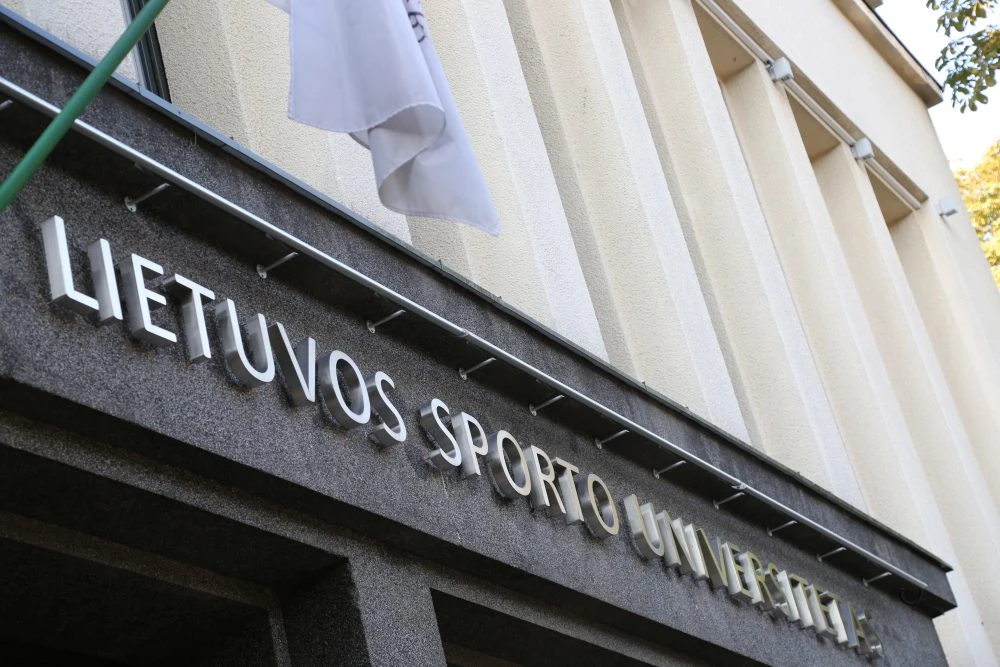
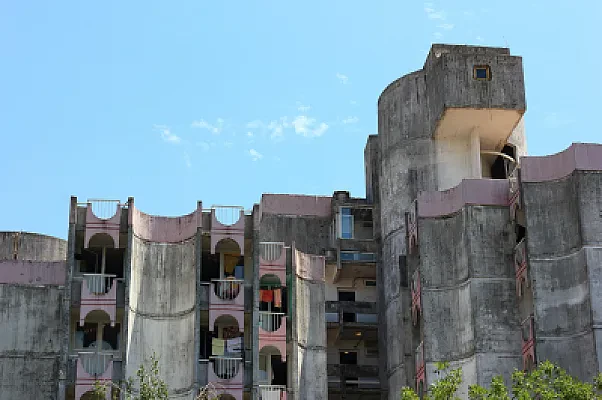
View of the Lithuanian Sports University campus
1 / 5

Operating from Kaunas, Lithuania, Lithuanian Sports University delivers higher education as a public university established in 1934. It serves as a higher-education provider within Lithuania.

Lithuanian Sports University's academic offerings include a focused programme catalogue, structured across multiple qualification levels and delivered through multiple faculties. Each unit operates with its own admissions criteria within institutional standards.

Student enrolment at Lithuanian Sports University sits around 2,000 students, distributed across faculties and programmes. Academic staff support teaching and research activities alongside administrative teams managing student services.

In ranking terms, Lithuanian Sports University is ranked #4418 globally and #8 within Lithuania. The institution participates in Lithuania's academic ecosystem alongside other higher-education providers.

Location & Contact

Find Lithuanian Sports University on the map and reach the right office through the contact channels listed below. Use these for general enquiries; specific departments often run their own contact pages.

Address: Sporto street 6
Postal Code: 44221
Social Media:

Academic Details

Lithuanian Sports University's institutional metrics and recognition context. Recognition reciprocity matters for credential portability — check whether your home country accepts Lithuanian Sports University's qualifications.

Academic Year: September to June (September-January; February-June)
Accrediting Agency: Ministry of Education and Science (Švietimo ir mokslo ministerija)
Admission Requirements: Secondary school certificate (Brandos Atestatas); Certificate of English proficiency
Total Students: 2,000

Degrees

Find the degree level matching your study stage at Lithuanian Sports University. Bologna-process cycles (1st/2nd/3rd) map roughly to bachelor's, master's, and doctoral but with country-specific variations.

Diploma & Certificate 1 program

Diploma and certificate routes deliver focused, applied training for fast entry into skilled occupations.

  • Sports

Faculties & Divisions

Lithuanian Sports University's academic units by subject area. New subject areas (data science, sustainability studies) often emerge as inter-departmental majors before settling into a single faculty.

Sport Biomedicine (Faculty) 4 subjects offered

Specialisations & Subjects

  • Biology
  • Biomedicine
  • Physical Therapy
  • Rehabilitation and Therapy

Common Career Paths

  • Physician
  • Medical Researcher
  • Clinical Specialist

Illustrative career directions for this field; specific outcomes depend on programme and student choices.

Sport Education (Faculty) 4 subjects offered

Specialisations & Subjects

  • Health Education
  • Physical Education
  • Sports
  • Sports Management

Common Career Paths

  • Teacher
  • Educational Administrator
  • Curriculum Specialist

Illustrative career directions for this field; specific outcomes depend on programme and student choices.

National Wellness (Institute) Faculty details available

Specialisations & Subjects

No specified subjects listed.

Sport Science and Innovations (Institute) 1 subject offered

Specialisations & Subjects

  • Sports

Common Career Paths

  • Research Scientist
  • Lab Technician
  • Analyst

Illustrative career directions for this field; specific outcomes depend on programme and student choices.

Programs Offered

Lithuanian Sports University's current programme offering broken down by degree level. Curriculum revisions happen periodically; check the version year on each programme page if accreditation portability matters.

Bachelor's Degree

5 programmes

There are 5 programmes to choose from at Lithuanian Sports University for undergraduates. A bachelor's degree builds the broad disciplinary foundation most employers and postgraduate courses expect.

Sports and Tourism Management Sporto ir turizmo vadyba Business & Management 3 years On-campus
Objective(s) of a study programme: On the basis of achievements in fundamental and applied interdisciplinary science and technologies, to train university level enterprising and socially responsible managers in tourism and sport, able to work in business public and state organizations and organize as well as run their own business. Learning outcomes: Programme graduate will be able to: 1. Apply the principles of leadership in practice by taking the initiative and responsibility in demonstrating entrepreneurial skills; 2. Think creatively and generate new ideas; 3. Quickly focus on complex situations and make decisions; 4. Create a culture of teamwork, be able to work in a team and delegate tasks by the roles people perform in the organization; apply ethical principles in the communication process; 5. Cooperate with public relations (write a press release; give an interview to introduce new services / products during the presentations); 6. Objectively behave in conflict situations, creatively solve problems within the organization and working with customers and partners; 7. Continuously improve knowledge and vocational skills as well as personal qualities; 8. Seek to know more than it is required by the working situation and learn from their colleagues and experience; 9. Seek to know the different global social, cultural, tourism, sports trends in different dimensions; 10. Apply practical ideas based on the accumulated global cognitive reflection; 11. Know the basics of economy and management, key areas of business administration (marketing, finance, operation management, personnel management), business law, strategic management; business infrastructure; small business management; 12. evaluate the condition of the company, define business goals, develop an action plan, make decisions based on the plan and / or logic; 13. Understand the organizational structure and operation system enabling the effective alignment of business and company objectives; 14. Rational allocate resources and apply total quality management methods; 15. Perform systematic monitoring and analyze the reasons for deviations and develop proposals to eliminate deviations; 16. Analyze, interpret and apply the LR and EU laws and other legal acts related to the tourism sector; 17. Develop tourism projects of state and local importance; 18. Organize tours, develop package tours; accompany groups of tourists in travels; 19. Link and make compatible numerous areas of economic activity in tourism and apply that in practice; 20. Analyze, interpret and apply the LR and EU laws and regulations relating to the sports sector; 21. Contribute to the development of sports infrastructure developing projects and analyzing the current situation; 22. Organize and run sports events, attract sponsors, work with the audience and participants; 23. Find and exploit new opportunities for creating added value and developing a successful business; 24. Realize themselves and create economic and social value; 25. Apply innovations in business processes or ideas in a global environment under the conditions of business competitiveness in tourism and sports sectors; 26. Carry out market research using scientific literature, develop a questionnaire suitable for scientific analysis and practical activities; 27. Using research methods, collect, analyze and organize information from primary and secondary sources; 28. Apply statistical methods for processing of the collected data, use general and special accounting computer programmes. Activities of teaching and learning: Student-oriented teaching and learning methods for working individually and in groups: case studies, discussions; decision-making for problems, analysis of scientific literature and documents, scientific essay, project development, market research, problem solving. Methods of assessment of learning achievements: Interim accounting for oral and written tasks, control tasks, testing, project work, presentation techniques, placement reports, review of literature and other sources of information, research work, graduation thesis. Specialisations: Optional courses: Students may choose ten credits from the list of optional modules offered. Distinctive features of a study programme: The program is focused on tourism and sport. Graduates also acquire the qualification of tour guide.
Duration: 3 years
Delivery: On-campus
Sports Coaching Treniravimo sistemos 4 years On-campus
Objective(s) of a study programme: On the basis of international level fundamental and applied interdisciplinary science and technologies, to train university level Bachelor of Sports, providing knowledge and skills necessary to work with athletes in the areas of sports coaching. In the course of their studies students will gain knowledge of sports mastery, skills in organizing competitions; they will learn how to establish and assess athletes’ powers and prepare coaching programmes, train people of different age and mastery Learning outcomes: Programme graduates will be able to: 1. Understand, analyze and evaluate the surrounding social and biological environment, political, economic, social processes and challenges in the world. 2. Demonstrate cultural literacy on the topics of philosophy, history, art, religion and science. 3. Understand the basic principles and methods of scientific research, research ethics and comply with their requirements. 4. Creatively organize and analyze research literature, raise reasoned research hypothesis, formulate research aims and objectives to solve the chosen problem. 5. Effectively plan and carry out a scientific study, provide its findings and on the basis of them propose recommendations. 6. Generate new ideas through knowledge and creativity. 7. Communicate orally and in writing in the state and foreign language (s), use information technology resources for communication. 8. Communicate and cooperate in a team taking into account ethical, ethnic, social and cultural context of their work. 9. Make responsible and informed decisions, increase their creative potential and be prepared to the service, responsible leadership, expert and / or teamwork. 10. Organize and plan their work. 11. Choose adequate and effective planning and organizational methods for the situation. 12. Communicate regularly updated basic professional knowledge, constituting the professional background, and well-developed learning skills. 13. Evaluate advantages and disadvantages of the professional environmental providing professional development prospects. 14. Define and explain the structure and functions of the human body. 15. Define and explain the processes in the human body while performing various physical exercises. 16. Evaluate the functional abilities of athletes. 17. Define the principles of motor control. 18. Apply athlete training knowledge and skills in practice. 19. Develop and practice skills in selected sports. 20. Apply a variety of methods for training sports skills. 21. Create a safe teaching (learning) environment supporting learner’s emotional, social, intellectual and spiritual development. 22. Purposefully apply modern teaching (learning) technologies and training (learning) methods for the preparation of interesting and attractive teaching (learning) materials to students. 23. Adapt the physical space and the real circumstances in order to optimize the process of students’ development. 24. Define and use human relationships creating an environment in which students have the opportunity to be proactive and independent. 25. Describe and apply a variety of educational and psychological methods in the training process. 26. Explain the principles of training; prepare for practise sessions and conduct them, develop programmes of training steps using modern technologies of sports training. 27. Describe and select appropriate training and motor skill development methods to achieve the objectives of training. 28. Individualize and expeditiously adjust physical loads. 29. Identify the causes of mistakes in sports techniques and tactics, select and apply methods of their correction. 30. Understand the principles of injury prevention; explain and apply various ergogenic measures for recovering after physical loads or injuries. 31. Select and use appropriate research methods to assess athletic fitness of those engaged in sports. 32. Understand the principles of the selection of athletes and coaching in different age groups. 33. Organize sports competitions and conduct them. Activities of teaching and learning: Task based methods: project work, video analysis of visual materials, study of research articles and books, laboratory work, comparative analysis, placement. Information transfer based methods: lectures, counselling. Information transfer and student activity based methods: seminars, workshops, group discussion. Methods of assessment of learning achievements: Oral assessment methods: oral questioning, oral reports, debates. Written assessment methods: written questioning, essays, research papers, tests, reports, research work. Integrated (oral and written) assessment methods: course work, final thesis. Cumulative assessment methods: portfolio. Specialisations: Kayak and Canoe Rowing, Skiing and Biathlon, Sailing, Cycling, Rowing, Precision Shooting, Orienteering, Baseball, Football, Ice Hockey, Handball, Boxing, Judo and Self-Defence Wrestling, Greco-Roman and Free Wrestling, Bodybuilding and Weightlifting; Fitness (Health), Gymnastics, Sports Aerobics, Sports Dancing, Basketball, Table Tennis, Tennis, Volleyball, Athletics, Swimming, Figure Skating, Fencing, Rhythmic Gymnastics, Rugby, Modern Pentathlon, Athletic Training. Optional courses: Students may choose 20 credits from the list of optional modules offered. Distinctive features of a study programme: It is a unique study programme in Lithuania preparing a sports coach.
Duration: 4 years
Delivery: On-campus
Physical Education and Sports Fizinis ugdymas ir sportas 4 years On-campus
Objective(s) of a study programme: On the basis of achievements in international level fundamental and applied interdisciplinary science and technologies, to train a university level physical education teacher with all-rounded education, ethically responsible, creative and enterprising personality, able to manage physical education processes competently in formal and informal education, complex and constantly changing educational environments, aiming at effective problem-solving connected with pupils’ motivation and physical activity promotion, and the development of pupils’ skills in physically active life-long behaviours. Learning outcomes: Programme graduate will be able to: 1. Describe the basic concepts and conceptions of educational philosophy, critically assess the facts and ideas, explain the differences of various areas of philosophy (idealism, realism, pragmatism, etc. 2. Identify the most important causes and trends in the democratization and decentralization processes of education. 3. Find and understand modern scientific ideas stemming from fundamental and applied interdisciplinary research and proven practices. 4. Understand how to orientate and work in the academic environment; understand the preconditions of effective communication in career and professional activities. 5. Use verbal and nonverbal communication techniques to promote positive communication and cooperation. 6. Use the language in real and / or a virtual work environment correctly and communicate in a foreign language (s). 7. Inspired colleagues to take interest in modern fundamental and applied research achievements and to encourage team work to develop new technologies and apply them in practice. 8. Participate in the activities of the team and to assume leadership roles in solving various problems. 9. Follow the documents governing changes in the educational institutions, participate in project activities. 10. Creatively and constantly learn from the achievements in modern fundamental and applied interdisciplinary research and proven practices and creatively apply them in professional activities. 11. Design their career: plan, develop and systematically evaluate the strengths and weaknesses of professional performance. 12. Organize self-learning individually and in a group, and reflect. 13. Understand the structure and the key physiological processes of the human body. 14. To evaluate pupils’ physical fitness. 15. Understand the basics of motor control and learning. 16. Develop a long-term and a short-term plan following the documents regulating education and select teaching (learning) methods suitable for the achievement of teaching (learning) objectives. 17. Assessing learners’ achievements in accordance with relevant criteria. 18. Understand the basic processes of pedagogy and psychology. 19. Create a safe, learner-centred, emotional, social, intellectual, spiritually developing, supportive educational (learning) environment. 20. Create a safe and effective school health education programme and follow the principles of injury prevention. 21. Understand the basic physical education concepts, forms and methods, physical training tools and principles. 22. Individualize and differentiate physical activity taking into account pupil’s health physical fitness medical group. 23. Identify the causes of errors of techniques and tactics in individual and team sports, select and apply the correction methods. 24. Plan and organize formal and informal physical education at school. 25. Identify pupils’ needs for physically active lifestyle and problems of passive behaviours. 26. Understand the theories of health education, physical activity and motivation as well as possibilities of their practical applicability. 27. Figure out how to help pupils deal with learning problems, involving them in recreational physical activities. 28. Plan, organize and conduct research. 29. Analyze and systematize the research literature, select adequate research methods, analyze and interpret results, draw conclusions, on the basis of them make recommendations. Activities of teaching and learning: Innovative teaching and learning techniques aiming at students’ active participation in the learning process: problem teaching, involving lecture, movie review, brainstorming, concept maps, group discussions, empirical and analytical research. Student-centred independent work based on tasks and group work. Methods of assessment of learning achievements: Orally and written exam, testing, presentation, project work (individual and group), portfolio method, critical case analysis, peer or self-reflection. Specialisations: Sports Branches, Dance, Physical Education of Eastern Traditions Optional courses: Students may choose 10 credits from the list of optional modules offered. Distinctive features of a study programme: Students can choose a specialization (15 credits): sports, dance, and physical education of Eastern traditions. The study program meets the need of students’ systematic physical activity for life, which is oriented to global tendencies.
Duration: 4 years
Delivery: On-campus
Physiotherapy Kineziterapija Health Sciences 4 years On-campus
Objective(s) of a study programme: On the basis of achievements in international level fundamental and applied interdisciplinary science and technologies, to train university level physiotherapists with all-rounded education, ethically responsible, creative and enterprising, professionally delivering physiotherapy services grounded on modern research and embracing diagnosing and evaluation the patient’s clinical condition, planning procedures, operating and evaluating efficiency. Learning outcomes: Programme graduate will be able to: 1. Demonstrate cultural literacy on the topics of philosophy, history, art, religion and science; 2. Understand, analyze and evaluate the surrounding social and biological environment, political, economic, social processes and challenges in the world; 3. Find and understand modern scientific ideas stemming from fundamental and applied research and practice; 4. Communicate in the multidisciplinary and interdisciplinary area in standard state and a foreign language keeping to ethical and moral principles; 5. Constructively criticize presenting reasoned comments, receive constructive criticism, be able of self-criticism modifying their activities; 6. Cooperate in the international context; 7. Understand and evaluate the globalized world political, economic and social changes through the development of personal values and general as well as professional competencies; 8. Adapt to new situations and make responsible and informed decisions using the acquired information and skills; 9. Independently learn and work as well as assume responsibility; 10. Creatively and constantly learn from the achievements of modern fundamental and applied research and creatively use them in professional activities; 11. Show initiative in looking for and applying effective means; 12. Apply scientific achievements in planning, organizing and carrying out activities; 13. Manage time and information, think creatively when acting as a leader; 14. Inspired colleagues to take interest in modern fundamental and applied research achievements and to develop new rehabilitation techniques and apply them in practice; 15. Possess clinical reasoning framework based on the knowledge of biomedical sciences; 16. Collect, analyze and interpret subjective and objective information the related to the patient and the client; 17. Plan and carry out physiotherapy testing based on clinical hypothesis; 18. Set physiotherapy diagnosis and physiotherapy needs based on the information gathered and research analysis as well as its critical interpretation; 19. Examine and interpret central - nervous, sensory, and reflector injuries of motor for different patients according to modern and verified testing methods; 20. Examine and interpret various affections of patients’ cognitive function using modern and verified testing methods; 21. Examine and interpret cardiovascular functional status and affection of different patients using modern and verified testing methods; 22. Examine and interpret damage in the functional status of skeletal muscles, bones, ligaments and tendons in different patients using modern and verified testing methods; 23. Distinguish symptoms of general health, diseases and conditions, contraindications, and understand factors which might affect the general and specific personal condition; 24. Develop a physiotherapy plan of based on physiotherapy diagnosis; 25. Systematically and methodically carry out physiotherapy treatment ensuring motor cohesion and the targeted use of methods and tools; 26. Critically evaluate an individual physiotherapy treatment and the whole treatment course in terms of time, safety, expediency and efficiency; 27. Modify the treatment based on continuous assessment of its results and terminate it if the need is determined; 28. Plan, apply and adjust the best experience of Bobath, training, motor learning and functional rehabilitation paradigms for patients of all ages; 29. Plan, apply and adjust modern neuro-rehabilitation methods for patients of all ages (CIMT, BWST, robots, computer games, tele-rehabilitation, performance of precise and variable movements, functional electrostimulation, etc.); 30. Plan, apply and adjust modern methods of rehabilitation of cognitive function for patients of all ages; 31. Plan, apply and adjust modern muscle reconstruction methods (electrostimulation, heating, cryotherapy, stretching exercises, post-tetanic potentiation, massage, etc.); 32. Plan, apply and adjust modern cardiovascular rehabilitation methods for patients; 33. Be a full participant in the activities of a targeted multi-disciplinary group; 34. Act constructively in an interdisciplinary environment ensuring a mutually beneficial exchange of information, planning and implementing quality services; 35. Communicate with patients, clients and other interested persons in accordance with the general and medical ethics, moral and legal norms; 36. Develop patients and customers’ attitudes towards a healthy lifestyle; 37. Follow the patient, client-oriented activity principles, ensuring the latter’s overall well-being; 38. Independently organize physiotherapy activities in the health care system; 39. Independently organize private business; 40. Plan, carry out and summarize research on physiotherapy; 41. Analyze research literature and refer to it carrying out research; 42. Apply statistical research data processing methods. Activities of teaching and learning: Application of innovative teaching and learning techniques to ensure students’ active participation in the learning process: lecture, group and individual tasks of different scope, empirical and analytical research, discussion, clinical case study, preclinical and clinical practice sessions, role play, brainstorming. Methods of assessment of learning achievements: Examination, test, essay, course paper, case studies, presentations, reports (placement), demonstrations, portfolio method. Specialisations: Optional courses: Student can choose 15 credits form the list of optional modules offered. Distinctive features of a study programme: The programme is prepared in accordance with the World Confederation for Physical Therapy (WCPT) requirements for physical therapist’s profession and competencies. The program includes subjects that are not included in other Lithuanian university physical therapy programs. The programme offers 54 clinical placement sites in Lithuania and abroad, where the internship is headed by specially trained clinical instructors.
Duration: 4 years
Delivery: On-campus
Exercise, Nutrition and Stress Control Pratimai, mityba ir streso valdymas 4 years On-campus
General Description: Objective(s) of a study programme: The aim of the program is on the basis of the achievements in international. Level fundamental and applied transdisciplinary research and technologies, to train a sports bachelor (Personal Trainer), who has theoretical and practical knowledge and skills that enable effective preparation, application and development of integrated programmes of exercise, nutrition and stress management that help protect people of all ages - from birth to old age- from 26 chronic diseases and significantly improve the quality of life of people as well as social and economic prosperity. Learning outcomes: Will understand and critically analyse health promotion theories and problems of contemporary health promotion science. Will be able to evaluate and adapt the latest research results in professional activities. Will know and be able to critically evaluate modern health promotion trends. Will be able to demonstrate innovative, creative, science-based decision-making in solving practical tasks and to realize social responsibility for using this knowledge in decision making. Will be able, based on research data, to formulate solutions to health promotion science issues, to reason and draw conclusions. Will be able to effectively apply the research results in the continuous improvement of their professional mastery. Will know the scientific terminology, is able to distinguish, find, analyse, systematize the latest scientific literature, to raise reasonable scientific assumptions. Understand the sense of applying quantitative and qualitative research methods in health promotion activities. Will be able to follow the research ethics, apply quantitative, qualitative methods of research and statistical analysis. Will be able to plan and carry out simple research, analyse data and present them. Will be able to test and effectively develop the health of the human system (bones, muscles, tendons and fascias) for persons of various ages (from 6 years old to the old age) and various health conditions (10 major diseases), using the best contemporary science and practice based physical exercise and nutrition technologies. Will be able to test and effectively develop the health of the cardiovascular system for persons of different ages and different health conditions, using today’s best practice and science based physical exercise, nutrition and stress- reduction techniques. Will be able to test and effectively reduce the obesity and metabolic syndrome in persons of all ages and various health conditions (obesity, dyslipidaemia, diabetes) with the help of the best science and practice based modern physical exercise, nutrition and stress reduction technologies. Will be able to test and effectively train people’s spinal and brain health (cognitive and execution functions) at different ages (from birth to the old age) and various health conditions (Depression, Schizophrenia, Parkinson, Dementia), using the best science and practice based modern exercise, nutrition and stress reduction (Mindfulness, Yoga, Meditation, Nature) technologies. Will be able to develop and implement mental capacity improvement plans for pupils of all ages, students and seniors, using today’s best science and practice based working memory, self- management and decision-making, physical exercise, nutrition and stress reduction technologies. Will be able to develop integrated strategies for the improvement of mental and physical working capacity, mood, reduction of stress and internal motivation for employees of different professions (whose work is sedentary) in working conditions. Will be able to use modern communication tools and social networks to provide professional and other information. Will understand the importance of social activity in planning and implementing personal, collective activities and evaluating their quality. Will be able to work in a team, organize its activities, encouraging to promote change or solve complex tasks. Will know and understand how to orient and act in an academic environment; understand the preconditions for effective communication in career development and professional activities. Will be able to use verbal and non- verbal communication tools to promote positive communication and collaboration. Understand their strengths and weaknesses, independently formulate relevant learning goals and plan their professional and personal learning. Will be able to demonstrate their personal position on professional issues. Will seek for continuous education, necessary for analytical applied activities of a personal trainer and a sports specialist. Will be able to make decisions independently and evaluate their impact in a defined situation. Will not hesitate to take on the role of a leader, organize teamwork, encourage change or solve complex tasks. Will be able to inspire their colleagues to become interested in the modern achievements of fundamental and applied science and, working in a team, to encourage the development of new technologies and their application in practice. Will be able to design their career: to plan, systematically improve and evaluate the strengths and weaknesses of their professional activity. Will be able to create and continuously improve the business of physical exercise, nutrition and stress management services - will have all the prerequisites for becoming a very successful businessperson in the field of sports and health promotion. Activities of teaching and learning: Traditional lecture, Seminar, Case analysis (case studies), Discussion, Practical tasks, Problem-based learning, Practice sessions, Individual project, Individual counselling, Literature analysis, Information search task. Brainstorming, Games, Analysis of a research article, Modelling real life situations (projects), Activity reflection. Methods of assessment of learning achievements: Analytical research work, Designing new models, Examination, Analysis of a research article, Individual project, Individual work, Oral and written tests, Case analysis, Report, Literature analysis, Problem solving task, Analytical research work, Internship practice report, Oral illustrated presentation, Activity reflection. Framework: Study subjects (modules), practical training: The volume of study courses is 180 credits. Excellence of a Personal Trainer Functional anatomy Biochemistry, nutrition and anti-doping Behavioural change, counselling and motivation Sports physiology Exercise and cardiovascular health Massage Motor control and learning Research methods Exercise and motor system health Reduction of metabolic syndrome and obesity Designing integrated programs for nutrition, stress management and physical exercise Sports medicine and first aid Exercise, stress and brain health Internship practice Graduation thesis Specialisations: - Optional courses: - Distinctive features of a study programme: programme at three universities. Access to professional activity or further study: Access to professional activity: Program graduates will be able to get employed: as healthy lifestyle consultants in private or public business enterprises or institutions, in private and municipal sports and wellness centres, in SPA, beauty centres, in the institutions and enterprises organizing recreational activities, rehabilitation institutions (sanatorium treatment centres).Trained professionals can engage in private activities by setting up their own consultancy or healthcare companies. Having received a course in pedagogical and psychological knowledge, specialists could get employment in formal and non-formal education institutions (kindergartens, schools, municipal public health education and care, guardianship institutions). The LSU Career and Competence Centre advises students on employment issues. Access to further study: Opportunities for further studies: Students can continue their postgraduate (master) studies in Lithuania and abroad.
Duration: 4 years
Delivery: On-campus

Master's Degree

8 programmes

Lithuanian Sports University's 8 programmes at this tier lead to a master's qualification, valued for the focused, research-informed depth they add beyond undergraduate study.

International basketball coaching and management 2 years On-campus
General Description: Objective(s) of a study programme: The objective of the joint study programme of the second cycle is to train a Master of Sport able to evaluate different basketball coaching and management systems, programmes and their structures applied in various European countries, use advanced technologies in basketball coaching, creatively solve complex problems, make the right conclusions, relate practical experience with acknowledged professional competence training and learning models on the basis of international level achievements in fundamental and applied interdisciplinary science and technology. Learning outcomes: Understand and analyse basketball coaching theory and issues in modern coaching. Know and critically evaluate modern basketball trends in social, economic and theoretical aspects. Understand application of quantitative and qualitative research methods in basketball coaching. Understand the strategic objectives of European sport and the development priorities; be able to analyse and evaluate the change of basketball in the world and Europe; prepare for the challenges and leadership. Apply adequate research methods in the area of basketball. Design and implement a research project in the field of modern basketball coaching; be able to apply appropriate methods and analyse them critically. Interpret the research data constructively and assess data dissemination. Analyse the significance of basketball coaching, different strategies and prospects, exercise the synthesis of science and theory in solving complex problems of education in a systematic and creative way, provide conclusions for sports professionals and the public. Demonstrate purposefulness and originality while identifying and analysing the needs, formulating solutions and evaluating strategies in the context of basketball coaching. Present his / her own and other persons’ organizational and scientific research-based solutions clearly and convincingly; submit strategic proposals for basketball and sports activities to coaches, training specialists and the public on their basis. Analyse critically, distinguish values and form strategies; develop basketball coaching skills in his/ her workplace. Develop a professional practitioner’s critical self-awareness and self-esteem, analyse the content of a basketball workout, practically substantiate the methods needed for training. Strive for continuous development, needed for analytical applied activities of a researcher, basketball coach and sports specialist. Design basketball players and sports training programmes for persons of different age to carry out research and implement innovation. Take responsibility for the quality of subordinate employees’ (players’) activities, their evaluation and compliance with professional ethics. Take responsibility for his / her own and his / her subordinates’ professional development. Demonstrate initiative and personal responsibility when working alone or with others when it comes to solving problems. Make decisions in complex situations, employ systematic and creative methods and convey conclusions clearly. Develop a distinctive thinking and independent approach to learning, which is essential to a thoughtful practitioner for personal and professional development. Develop critical self-reflection and independent approach to learning in the area of basketball coaching. Evaluate foreign cultures and integrate into a different ethnic and cultural environment when studying and / or working abroad. Activities of teaching and learning: lectures, seminars, individual work, tutorials Methods of assessment of learning achievements: individual work, analysis of a scientific article (text), reflection on performance, problem-based task, case study, analytical research, peer evaluation, placement report, oral illustrated presentation, report, examination Framework: Study subjects (modules), practical training: The sports scientist in basketball Basketball clinics – basic technical and tactical performance Applied physiology, nutrition and neurobiology to basketball training Performance analysis and technological support in basketball Basketball clinics 2 – advanced technical and tactical performance Skill acquisition and applied psychology in basketball Professional basketball placement Master thesis Specialisations: None Optional courses: Basketball coaching concepts Advanced strength and conditioning for basketball Basketball management and innovation Distinctive features of a study programme: It is a unique international joint study programme, concentrated on basketball, the need for which has been confirmed by social partners. Access to professional activity or further study: Access to professional activity: Upon completion of a Master’s degree programme, students will be able to work as researchers-analysts of training technology, coaches of the highest qualification in Lithuanian or foreign institutions in public or private sector or player selection managers. The content of the study programme will provide the opportunity to acquire practical skills in education. A graduate will have professional knowledge and skills that will enable him / her to critically evaluate the content of basketball coaching and pursue a career as a basketball coach. Master’s degree in Sport will give students the opportunity to pursue a career in many fields of sport, useful not only in the area of sports coaching, but also in business activities. The knowledge acquired can be used in such areas as basketball training, youth education, basketball analysis or research activity, working as a health promotion or physical capacity building professional. Access to further study: Upon a successful completion of the study programme, students will have access to third cycle studies in the field of Biomedicine or Social Sciences.
Duration: 2 years
Delivery: On-campus
Performance Analysis of Sport 2 years On-campus
Required minimum education: Bachelor’s degree (biomedical, physical and social sciences). General description Objectives Educate highly qualified sports professionals and entrepreneurs who would be able to make high-level analysis of sports performance basing on the state-of-the-art knowledge in sports science and apply their skills in the areas of professional and recreational sport. Learning Outcomes The graduate will: Understand the principles of sports performance analysis based on science theory and know the basic methods. Demonstrate analytical and critical thinking skills necessary for scientific research in the selected areas of sports performance analysis. Plan, conduct and present scientific research, apply innovative scientific ideas in solving the problems of sports performance analysis, develop IT and technological innovations, and develop sports performance and technologies business. Analyse scientific literature. Generate ideas for scientific research and apply them in creative manner. Conduct quantitative and qualitative biomechanical analysis of movement techniques. Analyse and evaluate the effectiveness of movement techniques. Conduct the analysis of game tactics and strategy, movement efficiency and physical capacity, risk of traumas. Analyse and evaluate the decision making process of sports arbiters and referees. Analyse and evaluate the performance of sport coaches. Analyse psychological aspects of sports performance, such as aggression and attention concentration. Be able to apply the analysis of movement technique in individual and team sports and recreational sport. Effectively communicate and present the findings of sports performance analysis to academic community and the general public. Effectively apply the principles of communication and collaboration in scientific and social environment. Be able to make responsible and reasonable decisions while leading groups of experts and research teams. Be able to develop personally and professionally, look for innovative solutions in sports and business. Teaching and learning methods Interactive lecture, movie watching, brainstorming, group discussion, debates, problem-based learning, independent writing of analytical papers, essay, presentation making, projects, training in groups and individually, observation etc. Assessment methods Examination, individual work, group work, case study, essay, project report, a model of selected sport match performance structure, modelling characteristics, research, presentation, review of scientific papers, conference presentation, reflection Structure Modules (Courses), internship: Motor control and motion analysis; Modern coaching innovations; Analysis of modern match performance structure; Applied match performance analysis; Applied research internship; Research methods and empirical observations; Analysis of sports biomechanics; Final thesis
Duration: 2 years
Delivery: On-campus
Adapted physical activity 2 years On-campus
Objective(s) of a study programme: On the basis of achievements in international level fundamental and applied interdisciplinary science and technologies, to train Masters of APA possessing modern knowledge and abilities to carry out research, use the findings in the preparation, execution and expert evaluation of various level social services, projects of events, programmes for solving psychomotor-ecological and empowerment problems for the disabled, aiming at their independence, equal rights and possibilities as well as changes in the national social policy according to the provisions of UN the Convention on the Rights of Persons with Disabilities. Learning outcomes: Programme graduate will be able to: 1. Understand and explain the influence of different philosophical tendencies on the formation of scientific concepts, relevant scientific problem-solving possibilities of the methodology of modern science and ideas in terms of performance, a variety of recognized modern scientific concepts of research method, understanding the potential of using them in theoretical and methodological research background. 2. Know and understand the aspects and methodological issues of modern psychobiology of motor control, the essence of humanistic theories of adaptation and social core skills, understand their usefulness in planning and organizing their research and development projects. 3. Know and to describe the possibilities of modern biometry, sociometry and computerized analysis packets, use them in their biomedical and / or sociological research for statistical analysis, formulation and testing of statistical hypothesis, presentation of reasoned conclusions and solutions considering the received data of analysis and synthesis. 4. Be able of businesslike (foreground and / or skill-based) intersector cooperation in a changing (health, education, social systems) environment, fully (through reasoned decisions) work in teams with other professionals in the fields of research, development of projects and programmes. 5. Internalize the ethical belief that all people with disabilities of different social classes and different characteristics cannot be separated from the surrounding and influencing them social and physical environment, and adapt this belief in the methodology of scientific research and executed projects. 6. Organize and manage projects and / or programmes based on knowledge in management, research data, and legislation acts of the country in the context of disability in various areas of social activities (social services, employment, education, sports, recreation, etc.). 7. Find sources of funding for the implementation of projects, programmes and events through offered local, national and international level support opportunities. 8. Creatively choose research and / or project development area on the basis of interdisciplinary scientific developments, understanding and responding to existing problems of the disabled in the society. 9. Independently search for the latest knowledge about disability discrimination provided by the media and / or literature, analyze it and use it in the argument of social and scientific relevance of studies or projects. 10. Independently search and find various social projects for disabled people supported by Lithuanian, European Structural Funds and other international services, to understand the requirements of their guidelines and adapt them to the preparation of their chosen project or programme. 11. Define and compare attributes and elements of various modern techniques (Barthel, Katz, Kenny, Functional Status, Brockport, BFPT) for estimating various functions of people with disabilities, understand their potential applications in research and project development areas. 12. Practically identify and evaluate the functions of the disabled using the methodologies used in testing, questionnaires, observation and interviews for different types of disabilities (physical or mental) in persons, use innovations (changing research environment) if appropriate, verifying their reliability and consistency. 13. Define and identify social behaviour patterns of persons with mental disabilities, understanding the significance of their changes in their social integration and inclusion. 14. Define all social activities included into the Convention and identify and describe the essential opportunity criteria of equal possibilities for the disabled in the areas of access to the environment, education, employment, recreation and sport. 15. Choose appropriate conventional criteria of social inclusion and evaluate the capacity to use them for the inclusion of individuals with different types of disabilities (mobility, vision, hearing and intellectual impairment) in the core (mainstream) vocational training, the real labour market, sports and leisure, and the system of all three cycles of education. 16. Explain the basic nature of special education reform principles, characterize and compare the positive and negative signs of groups of financing patterns, argument the possibilities of aggregation of those patterns aiming at the implementation of integrated and inclusive education, at the same time reducing the exclusion of disabled students. 17. Interpret national legal documents using qualitative content analysis methods; in terms of equal rights and opportunities for in the selected type of disability of individuals, carry out an evaluation, and on the basis of the study, provide recommendations aiming at to influencing changes of the social policy. 18. Define possibilities of disability discrimination appeals in the aspect of international law in accordance with the provisions of the Convention Optional Protocol aiming at influencing the national policy at the UNO level. 19. Define and explain the general measures and their mechanisms of action used in neurorehabilitation as well as specific techniques for specific injuries depending on the clinical period. Explain the impact and consequences of drugs and psychotropic substances in the physical activity of the disabled. 20. Identify and describe potential elements and organization approaches of business-like cooperation with medical rehabilitation and other health care professionals, use them in research and / or development programmes for the disabled that are related to or require extrapolation to other trends in the biomedical field. 21. Define and explain integrated and inclusive strategies for organizing physical activity for persons of different types of disabilities, explain the interrelations of physical activity and health, philosophical, cultural, social and educational aspects. 22. Identify possible business-like partnership with physical education and public health professionals and as well as their organization elements, use them in consultation and preparation of joint programmes and / or projects for the disabled in terms of health, and able to embrace the concept of physical, psychological and social well-being. Activities of teaching and learning: Student activity and reflection based techniques: group discussion, case analyses, empirical and analytical research, etc.; Task-based methods: projects, preparation of individual or group of work, reviews, scientific papers and / or others; Information transfer based methods: lectures – contact and distance, counselling, etc.; Information transfer and student activity based methods: seminars, workshops, practical work, etc. Methods of assessment of learning achievements: Oral assessment methods: presentation, etc.; Written assessment methods: reviews, scientific papers, case analysis, essays, examination – open, closed and combined testing, etc.; Integrated (written and oral) assessment methods: projects (individual and group), Master’s Thesis, etc.; Cumulative assessment methods: portfolio, aiming at collecting the main documents which show the level of developed competencies (knowledge, understanding, special skills, critical thinking, ethical attitudes, etc.). Specialisations: Optional courses: Distinctive features of a study programme: This is a unique program of study at Lithuanian universities preparing professionals who, on the basis of research, programme and project development and exportation, would seek to implement equal rights and opportunities for the disabled in line with international commitments of Lithuania.
Duration: 2 years
Delivery: On-campus
Advanced Physiotherapy Practice 2 years On-campus
Objective(s) of a study programme: On the basis of achievements in international level fundamental and applied interdisciplinary science and technologies, to train Masters physiotherapists who are able to apply scientifically grounded modern diagnostic methods in clinical practice, prevent injuries and diseases, raise scientific hypothesis, initiate and evaluate research in biomedical sciences, manage projects in the national and international area, supervise physiotherapists, carry out private activities, and continue studies in the third cycle study programmes. Learning outcomes: Programme graduate will be able to: 1. Find and understand modern scientific ideas, stemming from fundamental and applied interdisciplinary research and proven practices. 2. Integrate knowledge in modern biomedical sciences and scientific research methodology, providing information on current problem-solving possibilities and supporting independent research. 3. Demonstrate innovative and creative decision-making through a variety of concepts of scientific methods carrying out practical work and independent research. 4. Assume responsibility for the assessment of the quality of their activities and those of their team members, as well as its improvement in accordance with professional ethics. 5. Cooperate at the international level carrying out scientific-practical activities performing research and developing projects. 6. Carry out scientific-practical activities based on research experience, systematic and strategic thinking. 7. Lead the group performing research and expert work. 8. Generate original ideas which can be developed and defended in new situations, as well as in the development and introduction of new actions and technologies. 9. Use the acquired autonomous, self-directed learning skills required for further studies. 10. Independently choose a field for self-development and substantiate their own activities by independently found achievements in fundamental and applied interdisciplinary sciences, proven practices and the results of their own research carried out. 11. Apply modern diagnostic techniques, clinical tests according to their diagnostic accuracy (reliability, sensitivity, specificity, prognostic values), and methodologies to solve complex problems in clinical practice. 12. Perform monitoring for sports injuries, summarize the monitoring data, on the basis them develop and implement preventive measures and assess the effectiveness of these measures. 13. Analyze and understand general health indicators and differentiate conditions unrepresentative of physiotherapy. 14. Develop effective measures and implement physiotherapy innovations including techniques and protocols in diagnosis, clinical prognosis and intervention. 15. Raise hypothesis relevant to physiotherapy and initiate and carry out scientific research. 16. On the basis of the research findings, substantiate the application of physiotherapy techniques in clinical practice and sport, including their necessity, safety and efficacy. 17. Assess research in the field of rehabilitation and evaluate the validity and specificity of the obtained research results. 18. Publicize the research findings through the media and scientific publications. 19. Prepare projects for in-service education of physiotherapy specialists. 20. Develop projects in the field of rehabilitation and habilitation activities following modern theories of physiotherapy. 21. Find sources of funding and methodological assistance in preparing the project for support and be able to manage projects. 22. Use and apply in practice the most important legal acts in the areas of health and business. 23. Develop and implement a business plan. Activities of teaching and learning: Exploratory, informative, practical-operational: empirical and analytical research, lecture, seminar, individual and group projects, case analysis based on scientific research, individual and group tasks at different volume. Methods of assessment of learning achievements: Presentations, case analysis, research paper, testing, project work, examinations. Final thesis is associated with the implementation of modern diagnostic and therapeutic techniques into practice. Specialisations: Optional courses: Distinctive features of a study programme: This program is unique because it focuses not only on the preparation of physiotherapists – Masters. Other universities in Lithuania offer physiotherapists and occupational therapists post-graduate studies in general rehabilitation. In this program, physiotherapy graduates acquire skills for prevention, diagnosis and therapy techniques for treating athletes. The program develops the ability to organize and run a private business.
Duration: 2 years
Delivery: On-campus
Sports Physiology 2 years On-campus
General Description: Objective(s) of a study programme: To train Masters of Life Sciences, able to creatively develop knowledge of Sports Physiology, independently conduct research, use the obtained results to develop, implement and expertise programs of various levels related to physical fitness and physiological functions of the human body in usual conditions and under physical workload. Learning outcomes: The graduate of the program will be able to: 1. analyze the concepts of the scientific method, taking into account their logical aspects and today's realities of scientific activity; 2. generate and creatively apply ideas in the context of scientific research and professional development; 3. manage the importance of social activity, planning complex scientific activities, defining the risks of an unpredictable situation, and implementing personal or collective activities, assessing their quality; 4. work in interdisciplinary groups of specialists in solving integrated scientific problems that require knowledge of different scientific fields and new methodological solutions; 5. independently organize and carry out work tasks in the real conditions of the employer and creatively carry out appropriate testing procedures to identify (test) and evaluate targeted physiological (biological) processes. 6. to make responsible and reasonable specialized decisions under the guidance of expert and team work related to activities in the studied and cross-sectoral areas and to evaluate their impact under the conditions of a defined situation; 7. critically and objectively analyze their responsibilities in scientific activities, make responsible decisions for the quality of their activities, be guided by professional ethics and citizenship; 8. convey your conclusions in a reasoned manner, logically substantiating them with available knowledge and made decisions, to specialists and the public; 9. using modern means of communication and social networks and effectively applying the principles of communication and cooperation, to convey professional, etc. information in a scientific and social environment; 10. demonstrate the skills of autonomous self-reliance, necessary to continue learning throughout life - update and accumulate new scientific, practical knowledge or abilities, and integrate into new learning and professional environments; 11. interpret the knowledge of molecular biology and genetics at the cellular, subcellular and molecular levels under the influence of fast and slow adaptation of physical activity; 12. use existing genetics, sports genetics databases, genetic testing platforms, societies and consortia; 13. analyze and interpret knowledge about the physiology of aerobic and anaerobic capacity, complex physiological and biochemical processes and their regulatory mechanisms during exercise; 14. interpret knowledge about the biomechanical properties of muscles and tendons, their connections with the structure of muscles and tendons; 15. analyze and interpret knowledge about tendon, bone and muscle adaptation mechanisms, biochemical processes (blood biomarkers, brain neurometabolites, hormones) and their regulatory mechanisms; 16. analyze knowledge about the adaptation of the motor system to loads of different intensity of strength, power, muscle mass development; 17. select appropriate statistical analysis methods and software for biomedical research; apply them to analyze standard and non-standard data groups, visualize and interpret the received indicators; 18. Will be able to analyze and interpret knowledge about life challenges, risks and solutions posed by global climate change; 19. analyze and interpret knowledge about the biological mechanisms of human body thermoregulation, lack of sleep, calorie restriction, physical and psychological stress; 20. analyze and correct nutritional factors affecting human health and physical performance; 21. explain the possibilities of applying molecular biology research methods and perform laboratory Western blot and qPCR tests of muscle samples; 22. explain the application possibilities of genotyping methods and perform genetic tests in the laboratory; 23. organize and perform tests of aerobic and anaerobic capacity using modern methods of breath gas analysis; 24. plan and carry out research on the biomechanical properties of muscles and tendons using complex methods and measuring devices; 25. organize and conduct tests of muscle contraction speed and strength using modern methods of isokinetic dynamometry, electromyography, muscle electrostimulation and tensiomyography; 26. organize and carry out studies of movement accuracy, speed, learning, disorders due to illness using modern electroencephalography methods; 27. independently formulate scientific problems, choose the most suitable methodology for solving the tasks, plan the course of research and carry it out, evaluate, analyze and summarize the obtained results, draw reasonable conclusions; 28. explain the possibilities of research methods for determining human physiological stress and conduct research using devices (thermometers) and complex methods (gas exchange analysis; blood and saliva analysis to determine markers of stress and immune system; determination of brain activity; determination of nerve and muscle capacity); 29. perform enzyme activity measurements and analysis using spectrophotometric research methods; 30. analyze and independently apply the results of research into the functional state of the motor system, cardiovascular and respiratory systems of persons of various ages and abilities; 31. analyze and apply the results of research on the causes of fatigue and recovery of individuals after physical exertion Activities of teaching and learning: Interactive and traditional lecture, problem-based teaching, reading and analysis of scientific articles, systematization and comparative analysis of fundamental knowledge, case analysis (case studies), group discussion or debate, empirical and analytical research, dissemination of information sources, creation of project work, learning through laboratory practice, activity reflection Methods of assessment of learning achievements: A written exam or control paper with closed and/or open type questions; comparative review of educational scientific literature, essay; preparation of overviews and presentations, oral illustrated presentation, independent performance and defense of laboratory work, report or presentation of a team or individual project, construction of new models, self-assessment Framework: Study subjects (modules), practical training: Molecular Sport Physiology and Genetics Physiology of aerobic and anaerobic capacity Mechanical properties of biotissues Physiology of force and movement control Biomedical research methodology and statistics Innovations and scientific projects The effect of environmental conditions on performance Nutrition and metabolism Optional module* Thesis Specialisations: --- Optional courses: Nutrition and metabolism of athletes Sports biomechanics and competitive performance analysis Modern management technologies for training athletes Psychology of sport and physical education Rehabilitation of the disabled through physical activity Biokinesiology and electrophysiology Modern rehabilitation technologies Sports physiotherapy Advanced technologies in neuromuscular physiotherapy Telerehabilitation, robotics and virtual reality Methodology of physical ability testing and development Advanced Methods in Epidemiology and Modern Public Health Distinctive features of a study programme: This study program would be the only one in Lithuania that prepares masters of life sciences in the field of sports physiology, providing the knowledge and abilities needed to solve problems of various levels related to the activity of the human body under normal and physical conditions, as well as people's health and physical capacity. Access to professional activity or further study: Access to professional activity: Graduates could work as specialists or managers in educational and scientific institutions (high schools, scientific laboratories, scientific research centers, sports training centers, wellness and rehabilitation centers). They could also do scientific research and applied work in high-tech and traditional industrial, technological development companies and other public or private business structures (sports teams, health clubs, rehabilitation centers), create new business enterprises in the sports and health sector. Access to further study: Graduates of this study program can continue their studies in the LSU Natural Sciences field of biology doctoral studies conducted with the participation of the University of Tartu (Estonia), or in other Lithuanian or foreign doctoral studies of a similar profile.
Duration: 2 years
Delivery: On-campus
Tourism and sports management 2 years On-campus
Objective(s) of a study programme: On the basis of achievements in international level fundamental and applied interdisciplinary science and technologies, to train master of business and administration with all-rounded education, ethically responsible, cultured and enterprising personality able to evaluate and predict national and international business area, creatively develop activities and business for leisure sector organizations, carry out applied research in tourism and sports sectors, and apply research findings in daily organizational activities and strategic problem solving. Learning outcomes: Programme graduate will be able to: 1. Creatively develop new ideas based on the reflection of accumulated scientific knowledge in research activities and practical work. 2. Think analytically, systematically and critically and provide solutions to problems of varying degrees of complexity in unfamiliar in new situations. 3. Constructively communicate with internal and external networks using the organizational ethics of and its procedural instruments. 4. Integrate into groups of different cultures and values maintaining social relationships, seeking for cooperation and, to the extent possible, avoiding or managing conflicts. 5. Discuss and defend their scientific position grounding it with available knowledge and the latest research to various interest groups. 6. On the basis of leadership, lead, motivate others to act, delegate tasks competently, making the executives leaders – the change agents. 7. Influence subordinates’ behaviour and their commitment creating conditions conducive to high motivation. 8. Demonstrate autonomous, self-centred learning skills, attitudes and behaviours necessary for further learning and self-development. 9. Identify personal, professional, team and organizational learning needs and organize gratuitous learning process in accordance with the changes in the labour market and career development. 10. Inspired colleagues to take interest in modern fundamental and applied research achievements and to encourage team work to develop new technologies and apply them in practice. 11. Analyze the economic processes and evaluate and model the development of sports / tourism sectors. 12. Apply managerial and economic theories for the analysis of sports and tourism sectors and related business entities, forecasting their evolution and development, planning and management. 13. Evaluate the situation in the market and the company according to the specific business and market position of the company, develop and implement the most appropriate strategies. 14. Develop an effective organizational culture and its creative development and implementation. 15. Create a vision of the organization and its implementation planning through changes. 16. Think analytically and evaluate the arguments presented in the analyses of the organization’s economic and financial problems and strategic decision–making. 17. Develop and manage innovative business dealing with a variety of management problems in a competitive economic environment. 18. Creatively and effectively using of the changing economic, social, managerial and other dimensional changes, prepare and implement the most suitable marketing strategies. 19. Apply the latest interdisciplinary contextual knowledge in the field of management and economic science through independent research and presentation of specific findings. 20. In view of generalized research data, make recommendations and proposals relating to the leisure sector to professionals at various levels. 21. Plan and substantiate the preparation for expert-based consulting activities in the leisure sector. 22. Critically evaluate an expert object, defend their views and consult businesses and other entities. Activities of teaching and learning: Problem teaching in a lecture, discussion, involving lectures, empirical and analytical studies, projects, teamwork, group and individual work, etc. Methods of assessment of learning achievements: Research, case analysis, portfolio approach, conceptual maps, project work (individual and group), presentation, report, written survey, midterm exam, final exam, Master’s Thesis. Specialisations: Optional courses: Distinctive features of a study programme: The program preparing professionals for the leisure industry is the only one in Lithuania.
Duration: 2 years
Delivery: On-campus
Sports Education 2 years On-campus
Objective(s) of a study programme: On the basis of achievements in international level fundamental and applied interdisciplinary science and technologies, to train Masters of Education possessing modern education management and leadership knowledge and skills for education, management, consulting and research activities, and capacity to use research findings in the preparation, execution and evaluation of various projects and programs for the Lithuanian education system and / or educational institution, making proposals to improve education policy. Learning outcomes: Programme graduate will be able to: 1. Work in the interdisciplinary team with specialists from other fields, they will understand and recognize the multicultural diversity, feel an ethical obligation; 2. Think critically while working in a group, make proposals on reflection, evaluate their activities and present generalized results; 3. Organize and critically evaluate scientific research-based information, present the findings and apply them in practice; 4. Develop a research and / or practical activity report in support of its innovativeness and efficiency; 5. Choose learning strategies reasonably; 6. Choose research and / or project development area on their own, assessing the problems of the multicultural society; 7. Realize projects on their own, practically applying knowledge based on research data as well as national and European Union legal acts; 8. Participate in project activities for scientific professional practice; 9. Demonstrate knowledge of modern empowering education, psychology, education management and leadership theories; 10. Evaluate educational phenomena and processes and apply new educational technologies; 11. Evaluate situations in practical activities in accordance with the provisions of educational theories, and provide practical recommendations; 12. Apply knowledge of educational research methodology in the development of educational projects and / or educational programmes; 13. Carry out independent empirical educational research, summarize its results and present them to the public; 14. Apply the standards of social research ethics and the requirements for standard language; 15. Apply the theoretical knowledge of education management and leadership while solving practical problems; 16. Develop a program of activities for educational institutions for learning empowerment of people of different ages and needs; 17. Develop their action plan of professional activities; 18. Formulate the evaluation criteria of the Lithuanian education system or a specific educational institution and to carry out the expert evaluation; 19. Prepare the expert evaluation report of the Lithuanian education system or a specific educational institution. Activities of teaching and learning: Student activity and reflection based techniques: group discussion, case analysis and / or others; Task-based methods: development of projects, individual or group work, reviews, scientific papers and / or others; Information transfer based methods: lectures – contact and distance, counselling, etc.; Information transfer and student activity based methods: seminars, workshops, practical work, etc. Methods of assessment of learning achievements: Oral assessment methods: presentation, etc. Written assessment methods: research papers, case studies, essays, exam - open, closed or combined testing, etc.; Integrated (written and oral) assessment methods: projects (individual or group), Master’s thesis and others. Specialisations: Optional courses: Students may choose 10 credits from the list of optional modules offered. Distinctive features of a study programme: This is a unique study programme training education specialists for leadership in the education system, integrating the values of multiculturalism and developing them.
Duration: 2 years
Delivery: On-campus
Public Health and Physical Activity Visuomenės sveikata ir fizinis aktyvumas Health Sciences 2 years On-campus
Objective(s) of a study programme: The objective of the program - to prepare public health practitioners, researchers, developers and experts of programmes, strategies and health promotion policies in health-related physical activity who are able to manage and pursue their activities in educational, social, public and private sectors. Learning outcomes: Programme graduates will be able to: 1. Analyze, improve and develop advanced ideas, new technologies, models, business plans, critically evaluate theories. 2. In the interdisciplinary perspective, foresee problem-solving possibilities of relevant scientific methodologies. 3. Contribute to the development of the profession, be able to think globally and address issues of strategic development. 4. Think creatively, on the basis of democratic and ethical values serve for the public well-being, feeling responsible for the science and culture of the country. 5. Demonstrate skills in critical analytical thinking; be able to argue their views using the latest scientific knowledge. 6. Take responsibility for the improvement of their professional activities and those of their subordinates. 7. Convey the scientific knowledge to the society in a popular and attractive form. 8. Provide scientific publications in their native and foreign languages; represent the position of their country on the international level in the field of public health. 9. Have strategic thinking skills and be able to effectively manage the group activities. 10. Form and manage a team performing complex tasks. 11. Work in a constantly changing environment, anticipate changes and plan for task solving combinations. 12. Choose direction of personal and group development. 13. Ground professional activities on the latest scientific findings. 14. Independently take innovative solutions taking into account the potential social and ethical consequences of activities. 15. Understand and to accept moral responsibility for the effect of their activities on society, science development, welfare and the environment. 16. Analyze and interpret statistical health indicators, carry out monitoring of (monitor for) indicators of public health and to assess their dynamics. 17. Define possibilities and needs of primary, secondary and tertiary prevention. 18. Run the primary prevention of diseases through interventional educational programmes and monitor for the risk factors of diseases in the population. 19. Be able to locate current public health problems, set research objectives and tasks, select the optimal epidemiological study design and action plan in respect of time and money. 20. Organize research, develop a research team and lead it ensuring high-quality scientific data collection. 21. Analyze data using modern principles data distortion control, highlight the impact of physical activity on health, organize, summarize and present research data, draw conclusions. 22. Taking into account the generalized research data, make recommendations for health professionals and justify the need for prevention programs. 23. Summarize and identify key health promotion priorities for populations of all ages. 24. Know the principles of strategic planning of public health promotion at the city and national levels. 25. According to modern theories of public health, develop preventive programmes at the national level. 26. Manage prevention programmes and evaluate the efficiency of projects for the promotion of community health and physical activity. 27. Understand the models of health care and the objectives of ongoing health reform in Lithuania. 28. Disseminate and implement ideas of modern public health in practice. 29. Define the priorities of health policy and understand health care management and assessment. 30. Assess (perform expert evaluation) the efficiency of strategic health improvement performance at the city and national levels. 31. Provide suggestions and cooperate in political decision making about strengthening public health and other development issues in the country. Activities of teaching and learning: Studies are based on student-centred learning, using the following methods: lectures, seminars, group discussions and debates, case studies, individual and group projects, brainstorming. Methods of assessment of learning achievements: The following assessment methods are used: oral questioning, written questioning (quiz), analysis and evaluation of research articles, literature reviews, reports, essays, projects, portfolio method, and Master’s thesis. Specialisations: Optional courses: Students may choose 5 credits form the list of optional modules offered and 5 credits from alternative modules offered. Distinctive features of a study programme: This programme is unique in the field of public health. Lithuanian and foreign universities organize various specializations in the second cycle studies for public health specialists: environmentalists, specialists in health management, specialists to work with children and young people, nutritionists; however, there is no other study programme focused on research and promotion policies in health-related physical activity.
Duration: 2 years
Delivery: On-campus

How to apply to Lithuanian Sports University

The standard application path for Lithuanian Sports University, broken into five practical steps with the documents and channels you will need at each stage.

  1. 1
    Identify the right programme

    Start by exploring the programmes section on this page. Lithuanian Sports University runs 13 active programmes across multiple degree levels. Narrow by qualification tier and read each programme description before shortlisting.

  2. 2
    Check entry requirements

    Before applying to Lithuanian Sports University, confirm you meet the academic, language, and document requirements for your chosen programme. International applicants should also check visa eligibility for Lithuania.

  3. 3
    Prepare your application documents

    Standard documents: official transcripts, identity proof, language test results, personal statement, and references. Confirm exact requirements with Lithuanian Sports University's admissions office before assembling, as expectations vary by programme.

  4. 4
    Submit via the institution

    Lodge your application through the official website (www.lsu.lt). Online forms are the standard route. Save your draft frequently and submit before the programme deadline.

  5. 5
    Get in touch with admissions

    Verify your application has been received by the admissions team. Monitor the portal for status updates, interview invitations, or document requests, and respond within the stated deadlines.

Frequently Asked Questions about Lithuanian Sports University

Frequently asked questions about Lithuanian Sports University, covering the institutional basics most prospective applicants want to confirm first.

In what year was Lithuanian Sports University established?

Lithuanian Sports University was founded in 1934 (approximately 92 years ago).

Where is Lithuanian Sports University located?

Lithuanian Sports University is located in Kaunas, Lithuania.

What is Lithuanian Sports University's control type?

It is a public higher-education institution.

What is the student enrolment at Lithuanian Sports University?

Student enrolment at Lithuanian Sports University is around 2,000.

How is Lithuanian Sports University ranked?

Lithuanian Sports University is ranked #4418 globally and #8 in Lithuania.

What degrees does Lithuanian Sports University offer?

Lithuanian Sports University delivers diploma and certificate programmes across its academic units.

Is Lithuanian Sports University accredited?

The institution holds recognition from Ministry of Education and Science (Švietimo ir mokslo ministerija).

What is Lithuanian Sports University's official website?

Lithuanian Sports University's official website is www.lsu.lt.

Top-Ranked Universities in Lithuania

Research output among Lithuania's top universities sets the publication-and-citation upper bound. Comparing Lithuanian Sports University's research output to this benchmark gives a fair institutional read.
Faculties at Nearby Universities

Alumni networks within a region often outlast individual institutional choice. Universities near Lithuanian Sports University share post-grad employer connections that benefit students from any of them.

Where Else to Study Health Sciences

Accreditation portability differs for Health Sciences programmes across Lithuania. Professional accreditation (where applicable) matters more than institutional accreditation for regulated career paths.

Universities Often Compared with Lithuanian Sports University

When students choose Lithuanian Sports University, they typically weigh it against institutions of similar standing. These universities sit at a comparable level — useful comparisons before committing to a final choice, especially when programme content is similar across the options.

Explore More Universities in Lithuania

Free calculators and converters to plan your study-abroad journey.

Latest Articles

Fresh guides and advice for studying abroad.

View all →
System Share
Copy Link
More Share Options