Lithuanian University of Health Sciences brand mark

Lithuanian University of Health Sciences

Kaunas, Lithuania World Rank #1228

Overview

English Name: Lithuanian University of Health Sciences
Control Type: Public
World Rank: #1228
Rank in Lithuania: #3
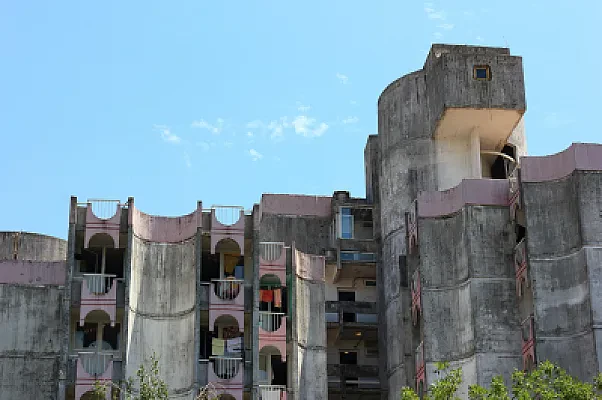
Lithuanian University of Health Sciences principal campus
1 / 5

Lithuanian University of Health Sciences runs as a public university in Kaunas, Lithuania, serving as a higher-education provider within Lithuania.

The institution offers programmes across multiple qualification levels. Lithuanian University of Health Sciences's academic structure spans multiple faculties, supporting a focused programme catalogue.

Lithuanian University of Health Sciences occupies position #1228 globally and #3 within Lithuania. The institution participates in Lithuania's academic ecosystem alongside other higher-education providers.

Location & Contact

Lithuanian University of Health Sciences's contact information and physical address — the basics you'll want before applying or visiting. Bookmark this page as a single reference point during the application cycle.

Address: A. Mickevičiaus g. 9
Postal Code: 44307
Phone: +37037327201
Social Media:

Academic Details

The academic indicators below give context on how Lithuanian University of Health Sciences operates at scale. A lower staff-to-student ratio generally signals more faculty access, though research-heavy institutions skew the read.

Academic Year: September to June (September-January; February-June)
Accrediting Agency: Ministry of Education and Science (Švietimo ir mokslo ministerija)
Admission Requirements: Secondary school certificate (Brandos atestatas); Entrance examination

Degrees

Also Certificate of Professional Qualification in Nursing (2 yrs)

Diploma & Certificate 24 programs

Diploma and certificate routes deliver focused, applied training for fast entry into skilled occupations.

  • Animal Husbandry
  • Art Therapy
  • Biochemistry
  • Biology
  • Biophysics
  • Chemistry
  • Clinical Psychology
  • Dental Hygiene
  • Dentistry
  • Food Science
  • Genetics
  • Health Administration
  • Laboratory Techniques
  • Medicine
  • Midwifery
  • Nursing
  • Occupational Therapy
  • Odontology
  • Pharmacy
  • Physical Therapy
  • Psychology
  • Public Health
  • Rehabilitation and Therapy
  • Veterinary Science

Faculties & Divisions

Lithuanian University of Health Sciences's schools and divisions, plus their subject expertise. Joint applications across departments are possible at some institutions for interdisciplinary degrees.

Animal Science (Faculty) 1 subject offered

Specialisations & Subjects

  • Animal Husbandry

Common Career Paths

  • Research Scientist
  • Lab Technician
  • Analyst

Illustrative career directions for this field; specific outcomes depend on programme and student choices.

Medicine (Faculty) 9 subjects offered

Specialisations & Subjects

  • Anatomy
  • Biochemistry
  • Biology
  • Genetics
  • Mathematics
  • Medicine
  • Oncology
  • Pharmacology
  • Physics

Common Career Paths

  • Physician
  • Medical Researcher
  • Clinical Specialist

Illustrative career directions for this field; specific outcomes depend on programme and student choices.

Nursing (Faculty) 5 subjects offered

Specialisations & Subjects

  • Art Therapy
  • Midwifery
  • Nursing
  • Occupational Therapy
  • Physical Therapy

Common Career Paths

  • Registered Nurse
  • Clinical Nurse
  • Public Health Nurse

Illustrative career directions for this field; specific outcomes depend on programme and student choices.

Odontology (Faculty) 3 subjects offered

Specialisations & Subjects

  • Dental Hygiene
  • Dentistry
  • Odontology
Pharmacy (Faculty) 1 subject offered

Specialisations & Subjects

  • Pharmacy

Common Career Paths

  • Pharmacist
  • Clinical Pharmacist
  • Pharmaceutical Researcher

Illustrative career directions for this field; specific outcomes depend on programme and student choices.

Public Health (Faculty) 4 subjects offered

Specialisations & Subjects

  • Clinical Psychology
  • Health Administration
  • Psychology
  • Public Health

Common Career Paths

  • Public Health Officer
  • Epidemiologist
  • Health Policy Analyst

Illustrative career directions for this field; specific outcomes depend on programme and student choices.

Veterinary Medicine (Faculty) 1 subject offered

Specialisations & Subjects

  • Veterinary Science

Common Career Paths

  • Physician
  • Medical Researcher
  • Clinical Specialist

Illustrative career directions for this field; specific outcomes depend on programme and student choices.

Programs Offered

Below are Lithuanian University of Health Sciences's active programmes grouped by degree level, with search. Use the filter to narrow by keyword and the level groupings to compare options at the same qualification tier.

Bachelor's Degree

11 programmes

Lithuanian University of Health Sciences runs 11 programmes at bachelor's level — undergraduate programmes that usually span three to four years and serve as the standard entry route into a profession or further study.

Public health Visuomenės sveikata Health Sciences 4 years On-campus
General Description: Objective(s) of a study programme: objectives of the public health study program is to train specialists with deep knowledge of modern public health, the basics of scientific work, practical skills necessary to meet the needs of public health and its safety, the basics of epidemiology of infectious and non-infectious diseases, necessary for health policy for the formation of strategies, the preparation and implementation of programs and projects, capable of organizing health education focused on individual needs and ensuring the spread of health-supporting and strengthening behavior in society. This program is unique in that it prepares specialists with a wide profile who have the ability to work in many areas of public health, who are able to apply modern methods to solving public health problems in the areas of public health safety, lifestyle, education, infection control, project development and policy formation. These are versatile public health specialists who can easily adapt to any public health field. . Learning outcomes: Graduates of the study program will be able to communicate in writing and orally in their native and foreign languages, use information and communication technologies; will acquire interpersonal and communication skills: will be able to motivate people to achieve common goals, will be able to communicate with people, will be able to work in a team; will be able to think abstractly, analyze and systematize information, will demonstrate scientifically based decisions, will be aware of social responsibility when making decisions and representing the interests of public health, will be able to prepare and manage projects; will be able to integrate and use knowledge of biology, medicine, humanities, psychology, social and public health sciences. After completing their studies, specialists understand the regularities of the population's health, the factors influencing health and are able to determine the priority health problems of society and its individual groups; assesses health inequalities and their significant social and economic factors; is able to identify the health needs of communities and justify the need for health education or strengthening programs; knows the methods of epidemiological research, the principles of their planning and execution. Specialists are able to identify environmental factors that affect health, choose their research methods, offer ways to manage the environmental impact on health; can justify and prepare projects and programs for the prevention of infectious and non-infectious diseases and injuries; understands the principles of public health safety regulation, knows national and international legislation regulating public health safety, is able to practically assess compliance with their requirements; knows the principles of public health safety enforcement, safety organization and the protection and defense of consumer rights; can apply organizational, legal, economic, technical, social and public health measures that help preserve, strengthen and control public health. Graduates participate in public education and spread knowledge about healthy lifestyle, disease and injury prevention; is able to define the main modern theories of health education and strengthening and apply them in the selection of impact methods and ways to promote a healthy lifestyle in communities; can coordinate community health promotion activities and evaluate its effectiveness; able to provide public health services to various population groups, carry out health promotion of children and adults, involve the community in the process of health promotion. Graduates will be able to understand and define modern world, national and local health policy principles, the impact of political decisions on the lifestyle and health of the population; understand the regularities of health economics; will know and be able to effectively apply in practice the main legislation regulating health care. . Activities of teaching and learning: Study methods, subject content and learning activities change depending on the year of study and the needs of social partners and the labor market, the latest scientific achievements and challenges in public health. The compliance of the subject content with the type of studies, level and academic requirements, as well as the sufficiency of the scope of the programs to achieve the study results, is assessed by analyzing the descriptions of the subjects, adjusting them as needed. The share of independent work gradually increases in higher courses, at the same time the study methods used also change, with the increase of independent work, the number of problem situations, practical tasks, complex solutions and simulations increases. Methods of student achievement assessment: Cumulative assessment is applied, using the most diverse assessment methods, from project-based education, assessment of practical abilities to tests, exams in a virtual environment. . Framework: 4 years of study, 240 credits, 60 credits each study year. Study subjects (modules), practical training: In the first and second year of study, students acquire important basic knowledge and abilities, develop critical thinking and have the opportunity to deepen their knowledge in the chosen field. Students acquire knowledge of the history and basics of public health, human anatomy and physiology, biochemistry, and genomics. Next, public health subjects are gradually introduced: the epidemiology of infectious diseases, health psychology, the basics of a healthy lifestyle, women's and children's health. In the third and fourth years, studies continue by studying the connections between environmental factors and social factors and public health, the basics of chronic disease epidemiology, nutrition and prevention, health care economics, health education and policy, health care and emergency management, the basics of organizing scientific research work are provided, which enables the student to qualitatively prepare for the preparation of the final thesis. . Specializations: there are no specializations, but there is an opportunity to choose the place of practice and the topic of the thesis. - Optional courses: 18 credits are allocated to elective subjects in the study program. Students can deepen their knowledge in the areas of food safety, work safety, military hygiene and epidemiology, personal hygiene, ergonomics, oral hygiene. There is also an opportunity to choose the place of practice according to the direction of Public Health that you like. . Distinctive features of a study programme: The only study program in this field in Lithuania accredited for a maximum period of 7 years. A modern, updated program, step-by-step learning is implemented, gradually deepening knowledge. Students study at a specialized higher education institution where top-level professionals work. A particularly favorable study environment, a new, modern building of the Faculty of Public Health with excellent work and recreation opportunities. Also, students of this program can choose non-degree related studies at Vytautas Magnus University. In these studies, students will learn programming, acquire data monitoring and analytical skills. Parallel studies that do not grant a degree take place at both universities, are freely optional, take place together with the main studies and significantly expand the qualifications of future specialists with knowledge and skills in areas that are extremely relevant to society at the moment, and increase employment opportunities. . Access to professional activity or further study: Access to professional activity: Graduates can work in the wide field of public health specialists in public and personal health care institutions in the public and private sectors. These are public health centers, public health supervision service, public health offices, they can work in the administration of personal health care institutions, coordinators of infection control, occupational health care, prevention programs, the State Drug, Alcohol and Tobacco Control Service, the labor inspectorate, sick funds and the social insurance system. Specialists are also waiting for the private sector: health care, disease prevention and other institutions. . Access to further study: After completing the bachelor's degree in public health, you can continue your studies in the master's degree in public health and other fields of study. After the master's degree, there is an opportunity to study for a doctorate.
Duration: 4 years
Delivery: On-campus
Food Science Maisto mokslas Agriculture 4 years On-campus
General Description: Objective(s) of a study programme: To prepare specialists who know how to apply the food (bio)technology model for the creation of safe food with added-value and who are able to practically implement quality and business management knowledge to optimize company management. Learning outcomes: 1.1. Independently study professional and scientific literature and integrate knowledge for personal development, as well as apply the principles of scientific information dissemination. 1.2. Improve professional qualifications, work in a team and in the international space, use information search systems. 1.3. To be able to solve problems independently, choosing the most appropriate methods and critically evaluating work results. 1.4. Be able to adapt to constant changes in the field of professional activity and changes in the content of activities. 1.5. Apply knowledge of economics and management. 1.6. Implement solutions in familiar and new environments. 2.1. To know the composition, properties and biochemical processes of food raw materials and products. 2.2. Select and apply the methods applied to the research of food raw materials and products and evaluate the obtained results. 2.3. Analyze and evaluate quality and safety indicators of food raw materials and products and assess their compliance with requirements. 2.4. Evaluate food raw materials, taking into account their further use for the production of food products. 3.1. To know the technological processes and technologies of food raw materials and products. 3.2. Apply the acquired knowledge in analyzing and improving the efficiency of food production. 3.3. Apply the concept of a sustainable food production chain. 3.4. Evaluate and analyze the production of food raw materials and products. 4.1. Assess basic guidelines for healthy eating. 4.2. To know the principles of rational and balanced nutrition, groups of basic food products, nutritional needs of people of various age groups and conditions. 5.1. Ensure the quality of food raw materials and products, implement quality management systems. 5.2. Implement a system of risk factor analysis of important control points in the food chain. Activities of teaching and learning: Laboratory work, practical sessions, seminars, presentations, case studies, traditional lectures, work in groups or individually, discussions, counseling, creative tasks, brainstorming, mind maps, demonstrations, etc. Methods of student achievement assessment: The achievements of the study results of all subjects are evaluated using a summative assessment, which is used to evaluate the student's achievements in the studies of the subject (module). The cumulative score is part of the summative assessment. The achievement of the results of the interns is evaluated by evaluating the intern report. The achievements of the results of the entire study program are evaluated by the final thesis, which the student starts preparing from the first year of studies and presents and defends publicly in the thesis defense committee. Framework: Study subjects (modules), practical training: Food chemistry; Biochemistry; Philosophy; Ecology; Physical and sensory properties of food; Food production technology processes and apparatus; Human and animal physiology; Basics of economics; Applied Psychology, Introduction to Food Science Studies; Technological devices for food raw materials and products; Nutrition; Statistics in Food Science; Water quality and safety; Food toxicology; Basics of management; Chemical and physical testing of food; Food law; Food quality and safety management systems; Microbiology; Viruses, bacteria, parasites in food, their control; Quality management and conformity assessment; Production and quality of plant food raw materials and products; Production and quality of animal food raw materials and products; food preservation and packaging; Principles and technologies of organizing public catering; Food production chain waste management; Sanitation of food establishments; Industrial practice and General practice of food raw materials and product production technology. Specializations: - Optional courses: Students can choose optional study subjects. Distinctive features of a study programme: Graduates can continue their studies in Food Science and others in master's degree programs related to food quality, safety and/or production technologies in Lithuania and abroad. Access to professional activity or further study: Access to professional activity: Graduates will be able to work in the production of food raw materials and products in companies (examples of held positions: technologist, quality manager, production manager, production foreman, quality manager, food research laboratory worker, etc.) in public catering companies, companies related to organized food supply, etc. Regarding food quality issues relevance, graduates are employed in the State after completing their studies in the food and veterinary service, linking their activities with by solving food quality issues (e.g. state food and food products of the Food Department of the Veterinary Service inspector). Graduates will be able to choose civil service and in departments of ministries, municipalities of cities and districts in companies that require special knowledge about food quality and safety (e.g. in the Food Department of the Ministry of Agriculture, Economic and Program Evaluation Department Strategic duties of a specialist in the planning and science department, etc.), LR in the Chamber of Agriculture, in various farmers' organizations, in organizations of agricultural product processors and others in institutions responsible not only for food raw materials and products production, but also raising the qualifications of food specialists, their organization of training. Having a wide perception in many areas related to food, they will be able to start their own business or be part of it. Access to further study: The graduates can continue their studies at other universities.
Duration: 4 years
Delivery: On-campus
Health Psychology Sveikatos psichologija Social Sciences & Education 4 years On-campus
General Description: Objective(s) of a study programme: To prepare the competent bachelors of Psychology, distinguished with scientific foresight and the need to improve, who have a solid foundation of scientific knowledge in Psychology and who are able to apply it professionally in the field of personal and public health and well-being, who are ready to continue their studies at a master's degree. Learning outcomes: After the Study Programme successfully completed, the student: 1. Knows, understands and is able to critically assess the main theories of the science of Psychology, the working areas and competencies of a psychologist; and understands the possibilities for applying the knowledge in various settings. 2. Is able to assess the importance of biological factors on human behavior and mental processess and take these connections into consideration when planning the tools and methods of effective professional activity. 3. Is able to integrate the ideas of the Psychology science with other various sciences, understands the role of the Psychology science in the context of other health sciences. 4. Knows and is able to apply the basics of the scientific research methodology and the most important methods of data analysis. 5. Is able to define the object, formulate and theoretically justify the problem for the scientific research. 6. Is able to design and implement the research study, analyze and summarize the data, formulate conclusions and present them to the scientific community and in the public. 7. Under the supervision of professional psychologist, is able to choose and apply the psychological assessment methods and procedures to a person, group or organization. 8. Under the supervision of professional psychologist, is able to prepare and apply the appropriate methods for psychological intervention to a person, group or organization and evaluate the results achieved. 9. Within the limits of the competencies developed, is able to prepare and apply the educational and preventive psychological programs and measures. 10. Is able to follow the requirements and principles of the psychologist's professional ethics. 11. Is able to apply the psychologist's professional competencies in practice considering the needs, expectations and specifics of the health care system. 12. Is able to present the profession of psychologist, achievements of psychological science and the results of research to society and professionals. 13. Is able to collaborate with colleagues and clients in an inter-disciplinary or cross-cultural team and take the leadership in various professional activities. 14. Is able to independently improve and update the humanitarian, social and biomedical competencies relevant to a psychologist. 15. Is able to choose the field of studies, direction of professional activities and plan the career. Activities of teaching and learning: 1. Usual educational activities (lectures, seminars, consultations, practical and tutoring sessions, etc.); 2. Individual tasks and work with a group (simulations, creative tasks, discussions, etc.); 3. Observation and introspection activities (reflection, practice diary, analysis of video material, modeling in practical situations, etc.); 4. Critical analysis and assessment activities (problem solving, case analysis, search and analysis of information and documents, etc.); 5. Research and experimentation (conducting qualitative and quantitative research, experiments, etc.); 6. Interpersonal skills development activities (role games, experiential tasks, etc.). Methods of assessment of learning achievements: Oral examination, written examination, testing, preparation of individual and group tasks, case analysis, essay, presentation for group, practice diary, response letter of practice supervisor, preparation and defence of course work and diploma work. Framework: Study subjects (modules), practical training: General education subjects of university: Introduction to health psychology studies, Humanitarian and social sciences, First aid, International professional terminology and Lithuanian (foreign) language, Basics of statistics. Study programme subjects: General psychology and psychologist‘s practice, History of psychology, Psychology of communication and rhetorics, Psychophysiology and biological basis of behavior, Introduction to Scientific methodology, Developmental psychology, Cognitive psychology, Basics of experimental psychology, Social psychology, Clinical psychology, Psychiatry, Course work, Health care system, economics and management. Special subjects: Personality psychology, Family and parenting psychology, Professional psychologist‘s ethics and law, Health psychology and team work, Group psychology, Educational psychology and Practice, Work and organizational psychology, Psychological assessment and practice, Psychological counselling and practice, Trauma and crisis psychology, Academic Literacy, Data analysis methods, Research methodology in health psychology, Mental health policy, Observational practice, Bachelor‘s thesis, Optional courses. Specialisations: - Optional courses: Improving the spoken Lithuanian (foreign) language, French language, Positive psychology, Physical activity and health, Art and health, Media and health, Bioethics, Psychology of creativity, Psychology of computer and board games, Trends and perspectives of modern psychology, Psychology of addictions, Intercultural psychology, Nutrition and health, Basics of human sexuality. Distinctive features of a study programme: Competent bachelors in psychology with a versatile and practice-oriented education are trained at the largest university in Lithuania that prepares specialists in health and life sciences. Access to professional activity or further study: Access to professional activity: Graduates of the Health Psychology study program are awarded (state-regulated) professional qualification of bachelor of social sciences. Holder of a diploma, following the description of the structure of Lithuanian qualifications, approved by the Government of the Republic of Lithuania in 2019. July 24 by resolution no. 764 (TAR, 2019-07-25, No. 12291), acquires the VI level qualification. Graduates of the first cycle study program in health psychology can work as a qualified psychologist's assistant under the supervision of a professional psychologist in various institutions: primary health care level institutions, specialized clinics, rehabilitation, public health, mental health centers, education, social care and welfare and other institutions where health or educational services provided. Access to further study: After graduating with a bachelor's degree in social sciences, graduates can continue their studies in a variety of psychology (e.g., Clinical Health Psychology, Health Psychology, Organizational Psychology) and other master's degree programs in social sciences.
Duration: 4 years
Delivery: On-campus
Occupational Therapy Ergoterapija Health Sciences 4 years On-campus
Duration: 4 years
Delivery: On-campus
Physiotherapy Kineziterapija Health Sciences 4 years On-campus
General Description: Objective(s) of a study programme: To prepare university-educated physiotherapists, who are capable of using the most recent scientific knowledge, critically analysing it, and implementing it independently for preventive, treatment, and rehabilitation purposes in healthcare, education, and health promotion institutions, in addition to continuously improving their skills. Learning outcomes: After the completion of their studies, graduates will be able to: communicate in writing and orally in their native and foreign language, to use information and communication technologies; communicate with colleagues and members of other profession, to work in multidisciplinary teams; perform scientific literature search, analyze, systematize and critically interpret information; apply the acquired subject knowledge into practice, to solve problems and make decisions in new situations and critically evaluate their professional practice; learn, organize and plan activities, creatively adapt to new situations; be socially responsible and civic-minded, critical and self-critical personality, to protect the environment, appreciate the diversity and multiculturalism, respect equal opportunities and the principle of tolerance. They will be able to: collect, analyze and interpret the patient/client-related information, to implement physiotherapeutic examination, and evaluation; formulate a physiotherapy diagnosis based on patient/client medical history, examination and evaluation results; define goals and objectives; draw up an individual physiotherapy intervention plan, based on physiotherapy diagnosis; select and apply appropriate physiotherapy theories, practice models and methods for patient/client in order to improve functional status and quality of life; evaluate the effectiveness of physiotherapy intervention periodically and critically; make adjustments if and when required. Will be able to give advises to the rehabilitation team members, other professionals, patients/clients for physiotherapy related issues; to cooperate with the patient/client and to take into account the patient's needs which are related to physiotherapy; to advise patients/clients on physical activity, fitness and disease prevention issues; to follow international and national laws and regulations, the ethical principles and professional standards; to follow the principles of science-based practice and understand the importance of lifelong learning; to apply in practice the principles of organization and quality assessment of physiotherapy services. Will be able to organize and carry out research in the field of physiotherapy, present the results of research and participate in scientific discussion. Activities of teaching and learning: Methods of student achievement assessment: The results of all study subjects are evaluated with a mark obtained after passing an examination or defending a student’s independent work (project). Study results can be evaluated applying diagnostic, formative, or cumulative assessment methods. The studies of the Physiotherapy program are completed by the Objective Structured Clinical Examination (OSCE), and by writing and defending the final Bachelor’s thesis. Framework: Study subjects (modules), practical training: First year: Introduction to Studies, International Professional Terminology and Lithuanian (Foreign) Language, Philosophy, Ethics, Physical Activity and Health, Interprofessional Communication, Anatomy, Cytology, Genetics, Sociology, Physiology, Fundamentals of Physiotherapy, First Aid, Psychology. Second year: Biochemistry, Physiotherapy Diagnosis, Biomechanics, Physiotherapy Methods, Pharmacology, Optional Courses, Basics of Scientific Research, Kinesiology, Pathology, Practice 1, Basics of Ergonomics. Third year: Neurologic Physiotherapy, Massage, Internal Medicine and Physiotherapy, Motor Control, Fundamentals of Radiology, Kinesiology of Muscles Chains, Optional Courses. Fourth year: Rehabilitation, Geriatric Physiotherapy Physiotherapy in Obstetrics and Gynaecology, Basics of Biostatistics, Practice 3, Bachelor Degree Thesis, Optional Course, Pediatric Physiotherapy, Practice 4, Final Exam (OSCE), Bachelor Degree Thesis. Specializations: - Optional courses: It is possible for the student to choose elective study subjects (optional courses), the topic of the bachelor's thesis and places for conducting a professional clinical practice. Distinctive features of a study programme: Studies in Physiotherapy aim to promote the development of a harmonious personality, including education and training of rehabilitation professionals capable of providing high-quality services to maximize patients' functions. These studies are based not only on the integration of science, practice, and training, but also on academic and creative self-expression. Access to professional activity or further study: Access to professional activity: After the completion of their studies, graduates are prepared for the professional activities of a physiotherapist. A physiotherapist is engaged in respective practices in establishments holding a valid personal healthcare license to provide physiotherapy therapy services and/or other personal healthcare services which, according to law, can be provided by a physiotherapist together with other health care professionals, or a private licensed practice of a physiotherapist. A physiotherapist provides physiotherapy services to patients of all ages at these institutions. In addition, the graduates are able to work in institutions conducting research activities Access to further study: Graduates of the first-cycle studies of the Physiotherapy program can continue their studies in second-cycle studies. The LSMU Faculty of Nursing offers a second-cycle program in "Health Promotion and Rehabilitation". After that, doctoral studies are available.
Duration: 4 years
Delivery: On-campus
Midwifery Akušerija Health Sciences 4 years On-campus
General Description: Objective(s) of a study programme: To prepare highly qualified midwives who, with the help of digital technologies, will be able to work in a modern environment, implement midwifery care and nursing in the community, at all levels of health care, working in a team of specialists and independently. Learning outcomes: 1) Will understand and critically evaluate theories and principles of professional activity; 2) Will know the newest methods of professional activity and will be capable of creatively solving problems arising in a midwife’s work; 3) Will be able understand relationship between the state of health and the physical and social environment of the human being, and of his behaviour; 4) Will be able to prepare women, pregnant women, and women after childbirth for instrumental examinations and therapeutic interventions; 5) Will be able to provide midwifery care and assistance to mature girls, adolescents, and women prior to, during, and after pregnancy, and to provide care of the newborn; 6) Will be able recognising the warning signs of abnormality in the mother or infant which necessitate referral to a doctor and assisting the latter where appropriate; 7) Will be able to manage low-risk childbirth and provide care to the neonate 8) Will be able to perform therapeutic procedures and midwifery operations within the limits of a midwife’s competence and functions; 9) Will be able to organise and implement family reproductive health care, to provide consultations on family planning and family education, to prepare parenthood programmes, and to prepare a woman for childbirth; 10) Will be capable of cooperation and leadership in teamwork when providing midwifery assistance and care, and will be able to develop independence and professional and personal responsibility; 11) Will be capable (will acquire transferable abilities) of qualified conveyance of professional knowledge and practical experience when implementing informal education of midwifery and specialised midwifery practice and when performing the functions of a professional clinical training teacher (mentor); 12) Will be able (will acquire transferable abilities) to participate in scientific research in the fields of midwifery and nursing and will develop evidence-based practice. Activities of teaching and learning: Methods of student achievement assessment: Diagnostic, formative and summative assessment methods. Framework: Study subjects (modules), practical training: Students of the Bachelor of Midwifery degree program study humanities and social sciences, fundamentals of nursing, clinical nursing, maternal and newborn health care, intensive care and pain management in midwifery, family mental health, administration in midwifery, scientific research, community nursing, foundations of education and more. A total of 14 modules are studied. During the studies, 5 clinical practices are planned: nursing practice in the I and II courses; midwifery practice in the 3rd and 4th years and final midwifery practice in the spring semester of the 4th year. Specializations: - Optional courses: University and co-university electives. Distinctive features of a study programme: Students of Midwifery program is attractive with modular training, integration of theory and practice. The graduate will be able to give advice on family planning, determine pregnancy, monitor the course of a normal pregnancy, perform the necessary tests, help prepare for childbirth, motherhood and parenthood, take care of the woman during childbirth, take care of the mother and take care of her in the postpartum period, advise on the care of the newborn, apply the treatment prescribed by the doctor , to provide the necessary assistance according to the competence of the obstetrician, in case of threatening health conditions of the mother and the child. They will also know the principles of organizing obstetric-gynecological care in Lithuania, the requirements of professional ethics, the influence of social, cultural and economic factors on a woman's health, the principles of disease prevention, qualitative indicators of mother and child health promotion, the psychology of healthy and sick people, the basics of family psychology, women and newborns peculiarities of anatomy, physiology and pathology, drugs used in obstetrics, their possible negative effects on the mother and the fetus. Access to professional activity or further study: Access to professional activity: Graduates can work as midwives independently and in a team of health care specialists, providing services in licensed personal health care facilities and, in certain cases, in patient homes and communities. Access to further study: The graduates can continue their studies at other universities in Master and PhD programs.
Duration: 4 years
Delivery: On-campus
Nursing Slauga Health Sciences 4 years On-campus
General description: Objective(s) of a study programme: To prepare nurses who are knowledgeable and able to apply evidence-based nursing practice, who have a broad knowledge of nursing science, and who are able to independently and critically assess the care needs of healthy and chronically ill people Learning outcomes: Know and apply the principles of communication, ethics, and legal regulations. Have knowledge of and the ability to evaluate physiological and pathological processes of human development in healthy and diseased individuals. Know the general pharmacological effects of drugs on the human body. Understand, critically evaluate, and effectively apply the principles of nursing theory and nursing models. Be able to identify aetiological individual, group and community health problems and provide nursing care in accordance with the principles of person-centred care in a variety of health care settings. Be able to conduct research and develop evidence-based nursing practice. Be able to work and lead as part of a team to organise and coordinate patient care Be able to use information and communication technologies in healthcare settings. Be able to organise and deliver health education and promote healthy lifestyles for healthy and sick people. Activities of teaching and learning: Methods of student achievement assessment: The study of each subject (module) ends with an examination or an independent work (project). Framework: Study subjects (modules), practical training: In the BSc Nursing programme, you will study subjects (modules) such as Biomedical Sciences, Health Care, Fundamentals of Clinical Skills, Health Sciences, Fundamentals of Clinical Subjects, Community Nursing, Interprofessional Communication, Nursing Administration, Nursing Research Methodology etc. Clinical nursing placements are carried out each year in different departments and in different medical institutions. Specializations: - Optional courses: Distinctive features of a study programme: The Bachelor of Nursing programme offers attractive modular learning in a modern environment. Innovative teaching methods and digital technologies are used to acquire theoretical knowledge. Practical skills are developed in healthcare settings, applying theoretical, evidence-based knowledge in patient care planning. Access to professional activity or further study: Access to professional activity: Upon completion of this study programme, the graduate is prepared for professional activities in the field of health care and can work as a nurse in general practice in all levels of health care in institutions and institutions: hospitals, polyclinics, children's health care and education, health services, nursing homes, boarding houses, etc., as well as in the home, and / or to pursue a master's degree. Access to further study: The graduates can continue their studies at other universities.
Duration: 4 years
Delivery: On-campus
Medical and Veterinary Genetics Medicininė ir veterinarinė genetika 4 years On-campus
General Description: Objective(s) of a study programme: Medical and Veterinary Genetics (MVG) study program aims to prepare educated, innovative, creative, and critically thinking with broad erudition, qualified geneticists with the fundamental knowledge and skills required to work in the MVG related fields. The programme aims to prepare the specialists, who can perform independent genetic research using modern analytical methods, complying with the principles of good laboratory practice and bioethics, and who are able to analyze the research results obtained. It also aims to prepare the geneticists who have a continuous interest in genetics science and improve and maintain their professional competencies through lifelong learning. Learning outcomes: 1. Knowledge and Its Application 1.1. Knows and can apply knowledge about biodiversity and its variability due to mutations, selection, and genetic changes; 1.2. Knows and is able to apply knowledge about the structure and functions of genetic material in the cell and the whole organism; the mechanisms of gene expression in prokaryotic and eukaryotic organisms; the theory of chromosome heredity; the fundamental laws of classical genetics and the influence of genetic information on organism development, functions; 1.3. Knows and can apply knowledge about biochemical and other processes in humans and animals and understands the structure, functions, and metabolism of critical macromolecules (proteins, fats, and carbohydrates); 1.4. Knows and is able to apply knowledge about human and animal anatomy, physiology, embryology, histology, immunology, pathology, microbiology, and virology, as well as genetic and biological processes at the molecular, cellular, organism, and population levels; 1.5. Knows and can apply knowledge about human, animal, and plant genetics; 1.6. Knows and is able to apply knowledge about the primary causes of genetic diseases (genome, chromosome, and gene changes), their detection and transmission to off-springs. 2. Skills to Carry Out Research 2.1. Able to theoretically identify and analyze emerging relevant challenges related to genetics, plan strategies for their solution based on research methodology; 2.2. Can independently collect, analyze and interpret the necessary professional and scientific information in databases and other information sources, use special information technology tools; 2.3. Able to evaluate and interpret research and measurement data in terms of their importance and the theory explaining them, to formulate conclusions based on the knowledge of mathematical statistics; 2.4. Can communicate the results of their research and collaborate with researchers in other fields of science; 2.5. Ability to apply the principles of good laboratory practice. 3. Special/Unique skills 3.1. Can work safely with the biological and chemical substances; 3.2. Able to collect biological samples, process and store them; 3.3. Can operate standard analytical genetic, biological, biochemical, immunological equipment and apply genetics, biotechnology, molecular biology, and genetic engineering in practice; 3.4. Able perform experiments, document and analyze the measurement results, apply bioinformatics and biostatistics methods to process experimental results; 3.5. Can perform biological and clinical sample testing, data processing, submission, and storage following the legislation adopted by the institution related to health care, the legislation adopted by laboratories and based on the existing requirements of bioethics; 3.6. Able to apply the knowledge of biology, biochemistry, molecular biology, and other disciplines related to the study field of life sciences in research and practical work by appropriately selecting the research methods, presenting data, and critically evaluating and interpreting the results; 3.7. Can study human and animal chromosomal, genetic diseases and malformations and determine the type of inheritance; 3.8. Able to identify the products of animal origin based on DNA analysis and study genes that indicate economic and health characteristics; 3.9. Can evaluate the level of genetic diversity by studying genetic, biochemical, immunological, and other markers and identifying the risks of specific factors to the environment, humans, animals, ecosystem development by statistical methods and to provide recommendations on the conservation of genetic diversity. 4. Social skills 4.1. Able to work independently and in a group, as well as in an interdisciplinary team together with the academic and other support staff, solving current problems related to life sciences; 4.2. Can understand the social context of the carried-out research, know the problems of bioethics related to life sciences research; 4.3. Able to combine professional activities with the principles of sustainable development of society, take responsibility for the quality of the activities and its evaluation, follow the principles of professional ethics and citizenship, social responsibility; 4.4. Can express ideas fluently and persuasively orally and in writing, to discuss relevant professional issues in the national and at least one international language. 5. Personal skills 5.1. Able to independently and responsibly organize and plan their professional and scientific activities and self-learning process has the skills of learning culture to strive for improvement; 5.2. Can think analytically, base professional activities on the latest research data, creatively understand and act at the intersection of life sciences and various other fields of science; 5.3. Able to work in a constantly changing environment, anticipate and make changes, plan task solutions; 5.4. Can organize work and perform demonstrating the ability to plan and work productively and accomplish a work goal effectively. Activities of teaching and learning: In this study programme, the following learning methods are used: group work, individual work, discussion, seminar, practical work, presentations, traditional lecture, interactive lecture, laboratory work, demonstration, consultation, error analysis, etc. Methods of student achievement assessment: A cumulative point system is used for students' achievement assessment, ensuring more accurate, multiple and structured processes of assessing students' acquired knowledge during the entire study process. In the MVG studies, students' assessment methods include a final examination, the completion of practical training, the preparation of a presentation, the defense of the laboratory work, colloquiums, exams, tests, mid-term test, assignments/tasks, individual project, etc. Framework: Study subjects (modules), practical training: The MVG study programme study subjects are divided into three groups. The general university study modules, compulsory study field group subjects (including practical training and final theses preparation), and the elective modules. The general university subjects such as Human and Laboratory Animal Anatomy, Human and Laboratory Animal Physiology, Histology, General and Molecular Pathology and similar, provide general knowledge about human and animal anatomy, physiology, histology, immunology, pathology, microbiology and virology, genetic and biological processes at the molecular, cellular, organism and population levels, etc. The study field modules, namely General Genetics, General Biology, Biochemistry, Population Genetics, Ecological Genetics, Epigenetics, Molecular Biology, Medical Genetics I and II, Veterinary Genetics, Plant Genetics, Biological Physics, Biostatistics, Bioinformatics, etc., enable the MVG students to acquire special knowledge in the field of genetics, develop and form the specific unique skills for further proper application them to practice. The sequence of the MVG study modules is adequately arranged from general to specific, from more straightforward to more complex to ensure a consistent development of unique student competencies. In the first study year, the subjects, belonging to the group of general university subjects, dominate, and they lay the background for specialty modules taught later in the programme. During the second study year, many study subjects from the study field of life sciences are conducted. In the third year of the studies, the students mainly study the subjects related to genetics. The fourth year of study is for practical training and preparing the final theses. The elective study modules taught in the first and second study years are intended to acquire the knowledge, form new and adapt already developed students' abilities corresponding to the study specificity. Such a sequence of study subjects creates conditions for systematizing the received theoretical and practical knowledge, critically evaluating it, helps to prepare for professional practice properly, preparing the final work, and creating conditions for the purposeful acquisition of a qualification. Specializations: - Optional courses: The MVG students are free to choose subjects from the list of elective subjects offered, freely choose the location of practice, the topic of the final thesis, the location of additional practical training, and thus individualize their studies. Distinctive features of a study programme: is that it is the only study programme providing knowledge in applied genetics by studying the biological and pathological processes in humans and animals. After graduating, the MVG students are able to use the acquired knowledge in planning and performing human or animal genetic testing, evaluating the genetic testing results based on clinical aspects and sample characteristics. Moreover, it is the only and unique LSMU MF study programme in Lithuania that provides quality professional knowledge in the field of animal genetics. Access to professional activity or further study: Access to professional activity: Professional activities related to Biomedical Technologist qualification Access to further study: The graduates can continue studies for Master and afterwards PhD degrees.
Duration: 4 years
Delivery: On-campus
Animal Science Gyvūnų mokslas Agriculture 3 years On-campus
General Description: Objective(s) of a study programme: To prepare highly qualified Animal Science specialists, mature and integrated personalities capable of ensuring the welfare and health of production animals, organizing and managing activities in the livestock business sector, applying fundamental knowledge and the latest innovations in the fields of animal genetics and breeding, rearing, housing, care, and nutrition, understanding the importance of the One Health concept and responding to consumer needs for high quality and safe animal origin products, capable of applying skills and knowledge in independent activities and studies in the second cycle of studies (master's studies). Learning outcomes: Highly qualified Animal Science specialists capable to: · ensure the welfare and health of production animals; · organize and manage activities in the livestock business sector; · applying fundamental knowledge and the latest innovations in the fields of animal genetics and breeding, rearing, housing, care, and nutrition for livestock sector business; understand the importance of the One Health concept and responding to consumer needs for high quality and safe animal origin products; · apply skills and knowledge in independent activities and studies in the second cycle of studies (master's studies). Activities of teaching and learning: Lectures; Interactive Activities; Seminars; Laboratory and Practical Work; Exercises; Discussions; Case Analyses; Reflections; Problem-Based Learning; Consultations; Simulations; Practice in Agricultural Companies; Individual and Team Work. Methods of student achievement assessment: Exam; Colloquium; Defense of Practical Work; Course Work; Test; Practice Report; Thesis. Framework: Study subjects (modules), practical training: Courses in this field of study: Bioethics; Animal Hygiene and Welfare; Processes, Apparatus, and Technological Equipment; Applied Biology and Ecology; Biological Chemistry; Soil and Crop Science; Animal Anatomy and Physiology; Animal Genetics and Breeding; Microbiology; Beekeeping; Animal Nutrition; Feed Industry and Technologies; Technological Solutions for Animal Business Management; Business Management; Fundamentals of Veterinary Medicine; Aquaculture; Alternative Livestock Farming Businesses; Poultry Farming Business and Technologies; Small Ruminant Farming Business and Technologies; Equine Science; Biostatistics; Cattle Farming Business and Technologies; Swine Farming Business and Technologies; Short Food Supply Chains in the Animal Industry. Other courses in this program: Academic foundations and teaching/learning procedures; Economics and accounting. Internship. Bachelor’s thesis Translated with DeepL.com (free version) Specializations: - Optional courses: Animal welfare and the prevention of cruelty to animals; Snail farming; Canine and feline science; Basic laboratory animal models, guidelines, and protocols; Alternative crop and livestock farming; Fundamentals of equine science; Horticulture; Organic production; Quality management systems in the feed industry; Feeding of fur animals; Production and quality control of compound feed; Innovations in milking technologies; Breeding of alpacas, llamas, and small ruminants; Equine gerontology. General chemistry; Physical activity and health for animal science specialists; Fundamentals of wellness and the importance of physical activity in professional practice; Improvement of foreign language skills (English); Athletic training, health, and physical fitness for animal science specialists; Information visualization; Fundamentals of research and innovation; Healthy lifestyle. Translated with DeepL.com (free version) Distinctive features of a study programme: The Animal Science study program is designed to prepare broadly educated Animal Science specialists who understand the challenges of biodiversity and environmental protection, the scope and complexity of human-animal-environment interaction, and the social and economic factors influencing it, considering rapidly changing global trends; it focuses on the welfare and health of production animals, the organization and management specifics of the livestock business sector, and the integrated application of fundamental knowledge and the latest achievements in Animal Science in the context of the One Health concept. Access to professional activity or further study: Access to professional activity: In the ministries of the Republic of Lithuania (Agriculture, Environment, Health, etc.) and their divisions; in consulting services; in companies within the production animal business sector; in animal raw material processing companies; in companies involved in the production, import, export, and sale of nutritional and medicinal substances for production animals; to establish and manage their own businesses, etc. Access to further study: To continue studies in the Animal Science master's program.
Duration: 3 years
Delivery: On-campus
Medical and Veterinary Biochemistry Medicininė ir veterinarinė biochemija 4 years On-campus
General Description: Objective(s) of a study programme: The goal of the Medical and veterinary biochemistry study program is to prepare enterprising and entrepreneurial specialists capable of conducting biochemical research in the fields of laboratory diagnostics, environmental monitoring, analysis of food and biopharmaceutical raw materials and products. Learning outcomes: The Medical and veterinary biochemistry study program develops the knowledge of the researcher, biochemical problem-solving and practical work skills, provides the basics of scientific work, and prepares for master's studies. The study program includes the acquisition and development of both personal and professional knowledge. For those who have obtained a bachelor's degree in medical and veterinary biochemistry, the door is open to work as a biomedical technologist in the laboratories of health care institutions. This right is granted by the medical norm "Biomedical Technologist" approved by the Minister of Health of the Republic of Lithuania. Graduates of this program also work in various laboratories and private sector companies conducting research related to the diagnosis of human and animal diseases, environmental monitoring, control of food and agricultural products and raw materials. Activities of teaching and learning: Lectures, exercises, laboratory works, simulations, practice, independent work. Methods of student achievement assessment: Cumulative assessment, project, independent work, exam Framework: Study subjects (modules), practical training: Year I - basic sciences: general biology and genetics; physics; general, inorganic, organic, bioorganic chemistry; advanced mathematics; human and laboratory animal anatomy. Year II and III - basic and applied life sciences subjects: biochemistry, physiology, microbiology, general and molecular pathology, histology, molecular biology, biotechnology and genetic engineering, laboratory hematology and the basics of immunology, bioinformatics, diagnostic biochemistry. Year IV – professional practice and final thesis. Practice will be carried out in diagnostic laboratories of health care institutions, veterinary laboratories, food and raw material control laboratories and scientific laboratories in the field of biomedicine Specializations: - Optional courses: Optional subjects, place of practice, topic of final bachelor's thesis Distinctive features of a study programme: Study program Medical and veterinary biochemistry develops researcher erudition, biochemical problem solving and practical work skills, provides the basics of scientific work, prepares for master's studies. This is the only university study program in the direction of biochemistry, upon completion of which a bachelor's degree in life sciences and a professional qualification of a Biomedical Technologist are awarded, which provides the opportunity to work in the laboratories of health care institutions. Access to professional activity or further study: Access to professional activity: After completing the Medical and Veterinary Biochemistry study program, graduates will acquire the qualifications necessary for work in diagnostic, control and research laboratories, laboratories of pharmaceutical and biotechnology companies, biomedical equipment supply companies, scientific information dissemination institutions and services. Access to further study: Master's degree - studies in Life Sciences, Medicine (Medical Biology), Chemistry (Medical Chemistry)
Duration: 4 years
Delivery: On-campus
Oral hygiene Burnos higiena Health Sciences 4 years On-campus
General Description: Objective(s) of a study programme: to educate and train dental hygienists based on the requirements recognized in the EU, to create possibilities for acquiring the qualification of a dental hygienist, granting the right to provide healthcare services, to foster interest in the novelties of the science and practice of oral health care, to develop creative, scientific, and critical thinking, and the sense of intellectual satisfaction from studies or work. Learning outcomes: Study results: 1. Understand the limits of the dental hygienist's professional activities and responsibilities, apply the provisions of health legislation and professional ethics documents in practice, and provide professional information according to their competence. 2. Will be able to apply the knowledge of exact, social sciences in the practice of an dental hygienist, improving the oral health of individuals. 3. Will know the causes of dental diseases and the factors influencing oral health, will understand the interaction between oral health and systemic diseases. 4. Will be able to conduct scientific experimental research to solve various scientific problems of the dental hygienist's professional activity, collecting and interpreting epidemiological data, using the achievements and methods of fundamental and applied scientific research, following the principles of research ethics. 5. Will be able to effectively communicate and collaborate with health care and other professionals and patients, creating a full rapport in solving oral health problems and taking into account emerging needs. 6. Will be able to work in a team, assuming personal and social responsibility for actions and decisions, applies patient-oriented oral care practices. 7. Will be able to create new ideas, adapt to new situations arising in practical activities. 8. Will be able to be honest and respectful with patients, adhere to medical ethics norms, be critical of others and oneself, creative and proactive, realize the importance of lifelong learning. 9. Will be able to independently solve problems, make decisions, evaluate their impact and act in a clinical situation, using practical knowledge. 10. Will be able to collect and systematize information related to the patient's oral care, use modern technologies in the dental hygienist's practice, properly handle confidential information. 11. Will be able to assess the state of personal and oral health and the risk of diseases, recognize changes in oral tissues and make a plan for the application of the expected preventive procedures. 12. Will be able to perform professional oral hygiene procedures, selecting appropriate methods and measures for the prevention of oral diseases, determine the need for consultations with a dentist or dental specialist, write prescriptions for medicinal products, perform application, infiltration and wire anesthesia and provide information on first aid during dental injuries. 13. Will be able to determine the activity of dental caries, recognize congenital and acquired dental anomalies and choose oral care tools and methods, taking into account the activity of the disease, the patient's age and the general state of the body. 14. Will be able to apply special oral hygiene measures and methods to hospitalized patients, taking into account the general condition of the body, to patients with disabilities and systemic diseases. Activities of teaching and learning: Lectures, seminars, case studies, laboratory works, consultations, practical works, simulations, settlements, independent work. Methods of student achievement assessment: Oral and written assessment of knowledge and skills (test, open-ended questions, etc.), assessment and presentation of student presentations, objectified clinical situation, performing various manipulations and under the supervision of the teacher, preparation of practical activity reports, research paper, case analysis, student's independent work (project), exam, thesis defense, final practical exam. Framework: Study subjects (modules), practical training: YEAR 1 Natural Sciences, Human Anatomy, Dental Hygienist’s Professional Health, Psychology of Communication, Lithuanian Language. YEAR 2 Physiology, Oral Health, and Personal Oral Hygiene, Ethics, Ergonomics, Phantom Course in Professional Dental Hygiene. YEAR 3 Professional Dental Hygiene and Clinical Practice, Cariology and Clinical Practice, Periodontology and Clinical Practice, Oral Surgery: pain control, Pharmacology, Radiology, Prevention of Oral Diseases. YEAR 4 Clinical Practice, Paediatric Dentistry, and Clinical Practice, Oral Health Care of Elderly People, Oral Health Care of Orthodontic Patients, Introduction into Prosthetic Dentistry. Specializations: - Optional courses: The student has the opportunity to choose optional study subjects, the topic of the bachelor's final thesis and the places of additional professional practice. Distinctive features of a study programme: Dental hygiene graduates acquire a university education in the only higher education institution in Lithuania that prepares such specialists. The teaching process takes place in specialized departments, using modern diagnostic equipment of LUHS Kauno klinikos hospital, opportunities are created for students to conduct joint biomedical research. Most of the lecturers teaching in the field of study of the Dental Hygiene program are scientists. Integrated studies of the students of the study programs "Dental Hygiene" and "Odontology" are in progress. Small groups in clinical courses. Multicultural environment and student community: international students from 87 different countries make up 25 % of the total student body at LSMU. Possibility to spend a semester or a year abroad with the Erasmus+ or Nordplus (Nordic-Baltic Dental Hygiene-Oral Health) exchange programmes. Support system for student adaptation: mentoring, tutoring, and psychological counselling. Access to professional activity or further study: Access to professional activity: Can practice dental hygiene, work in public or private institutions conducting oral health care or other related areas of oral health care promotion. Can consult patients on issues of oral and dental diseasesꞌ prevention and healthy living preparing prevention programs for improving health maintenance factors. Can work with diagnostic dental equipment, devices, instruments, and materials applying measures of infection control and methods for completing oral care procedures. Access to further study: Can continue education by entering MSc programmes. Later PhD studies.
Duration: 4 years
Delivery: On-campus

Master's Degree

16 programmes

These 16 programmes form Lithuanian University of Health Sciences's master's offering, combining advanced coursework with independent work that signals readiness for leadership or research.

Clinical Health Psychology 2 years On-campus
General Description: Objective(s) of a study programme: The programme aims to prepare competent psychologists with good knowledge in health, health disorders and health care systems characteristics, being able to work in interdisciplinary teams, to use scientific arguments and effectively apply suitable methods in fields of clinical health psychology. Learning outcomes: Will have psychology and biomedical sciences knowledge necessary for clinical health psychology professional, and will be able to apply them interpreting psychology-related health and health impairment issues and working in interdisciplinary teams. Will be able to perform scientific research in the field of psychology, using appropriate sample, study type and methods. Will be able to analyse and evaluate research data using appropriate quantitative or qualitative analysis methods and present their results. Will be able to identify customer needs and develop a psychological intervention plan, specific to individual spheres of health psychology. Will be able to perform psychological and neuropsychological evaluation, selecting methods appropriate for specific clinical health psychology area and evaluation circumstances, interpret results and prepare conclusions. Will be able to perform appropriate to professional situation and scientifically based intervention Will be able to will be able to properly organize their professional career and assess efficiency of own activities. Will have ability to communicate effectively with clients and their close persons in counselling and psychoeducational service provision. Will be able to adequately represent the profession of psychologist, to present the psychologist's practical activities and scientific research to the public. Knows and will be able to apply ethical principles and legal acts regulating the activities of psychologists and the health care system. Will be able to search and critically evaluate information, independently expand their knowledge and abilities. Activities of teaching and learning: 1. Usual educational activities (lectures, seminars, consultations, practical and tutoring sessions, etc.); 2. Individual tasks and work with a group (simulations, creative tasks, discussions, etc.); 3. Observation and introspection activities (reflection, practice diary, analysis of video material, modeling in practical situations, etc.); 4. Critical analysis and assessment activities (problem solving, case analysis, search and analysis of information and documents, etc.); 5. Research and experimentation (conducting qualitative and quantitative research, experiments, etc.); 6. Interpersonal skills development activities (role games, experiential tasks, etc.). Methods of student achievement assessment: Oral exam, written exam, testing, preparation of an individual task, preparation of a group task, case analysis, essay, presentation in a group, practice diary, feedback from the practice supervisor, preparation and defense of term papers and final papers. Framework: Study subjects (modules), practical training: Programme is total 120 ECTS. 84 ECTS are subjects of psychology field: Behavior, stress and health, Psychological counselling in health care, Clinical psychological assessment, Research in clinical health psychology, Psychotherapy and psychopharmacotherapy, Specialization in clinical health psychology, Master thesis. Professional practice 30 ECTS Elective courses 6 ECTS Specializations: Students have opportunities to specialize in oncopsychology, neuropsychology, rehabilitation psychology or child and family psychology. A particular specialization is carried out if a minimum number of 5 students choose it. Optional courses: The student is given the opportunity to choose the topic of the thesis, the place of practice; as well as elective study courses. Examples of Electives: Health project management; Art therapy methods in health care; Basics of neuroscience and modern research methods; Basics of law for psychologists; Perinatal psychology; Ethics in the work of a psychologist; Psychologist career management; Lithuanian language Distinctive features of a study programme: The LSMU Clinical Health Psychology master's degree program has been developed taking into account the needs of the health care system and Lithuanian and European psychologist education standards. In the programme students study psychological counselling and assessment, the possibilities of cooperation with other health care system specialists. The LSMU study program differs from the second-cycle psychology programs offered at other universities in that, in addition to a wide range of knowledge and practical skills in clinical health psychology, students here also acquire special competencies. By choosing a specialization in the field of oncopsychology, neuropsychology, child and family psychology or rehabilitation psychology, they obtain a specialization certificate. Students study largest institution of higher education for biomedical sciences in Lithuania and have the opportunity to perform professional practice in the largest clinical base in Lithuania. The teachers of the program apply advanced, student-oriented study methods, multidisciplinary problem analyses, reflective learning, independent research and group studies are combined, great attention is paid to the practical and applied aspects of theoretical knowledge. Access to professional activity or further study: Access to professional activity: Graduates of the clinical health psychology program get the master's degree in social sciences (psychology). Graduates of this program are especially valued in health care institutions, which preventively strengthen personal health and treat health disorders. Access to further study: Graduates can apply for PhD studies.
Duration: 2 years
Delivery: On-campus
Biology of Laboratory Medicine 2 years On-campus
Objective(s) of a study programme: To develop a critically and modern-thinking personality, distinguished by scientific and professional competence in the field of laboratory medical biology, capable of solving interdisciplinary problems and working effectively in a team, in circumstances where there is a lack of detailed information to carry out the work, to summarize and understandably present scientific and professional information in the field of laboratory medical biology to interested persons of various educational backgrounds; To prepare a medical biology specialist, a master of health sciences, capable of applying the acquired knowledge, abilities and skills in the practical field of clinical laboratory diagnostics (to practice as a medical biologist in health care institutions licensed to provide laboratory diagnostic services) and in the fields of science, education and applied activities. Learning outcomes: 1. Knowledge and Its Application 1.1 is able to demonstrate knowledge of biomedical sciences (physiology, genetics, biochemistry, cytology, etc.), which allows to understand the principles of cell structure, functioning of organisms, organs and organ systems, their interrelationships and regulation of functions at the molecular level, is able to use this knowledge laboratory diagnostic tests and apply them in non-standard circumstances; 1.2 is able to describe laboratory diagnostic research methods, explain the methods of analysis of their results, indications and principles required for research, advantages and disadvantages, is able to apply this knowledge when modifying existing or developing new research methods; 1.3 is able to describe the influence of processes before laboratory diagnostic tests, test processes, post-test processes on the quality of laboratory diagnostic tests, knows the principles of operation of environmental factors and medicinal products and their influence on the results of laboratory diagnostic tests; 1.4 is able to demonstrate knowledge of the principles of management and quality assurance of the diagnostic laboratory; 1.5 is able to describe harmful factors and substances that can cause health problems, explain the principles of their operation; 1.6 is able to explain the principles of rational installation of workplaces related to the specifics of work and competence. 2. Skills to Carry Out Research 2.1 is able to develop, implement, maintain, improve individual and group laboratory diagnostic processes, apply and improve the quality management system of laboratory diagnostic tests; 2.2 is able to select, implement and use research methods, laboratory and information tools (devices), perform their verification and assess their suitability for use; 2.3 is able to properly and reliably perform and adapt laboratory diagnostic tests in accordance with approved diagnostic procedures, applied and theoretical calculation tests in accordance with the principles of work organization in time and changing requirements of bioethics; 2.4 is able to apply information technologies and equipment used in biomedicine, knows the ways of their application and is able to use them in laboratory diagnostic tests; 2.5 is able to evaluate and interpret the results of the obtained laboratory diagnostic tests, taking into account the specifics of the research area, perform data analysis or, if necessary, perform calculations on various open (modern high-performance) computing platforms. 2.6 is able to apply the methods of biomedical statistics in practice. 3. Special/Unique skills 3.1 is able to apply in practice the requirements for the preparation, management and accounting of laboratory documentation (project preparation, laboratory journals, device management, etc.); 3.2 is able to analyze and apply in practice the requirements of personal health insurance and personal health law, medical ethics and deontology valid in the Republic of Lithuania; 3.3 is able to organize and perform internal quality control of laboratory tests, participation in interlaboratory comparative programs, evaluate their results, identify discrepancies, perform corrective and preventive actions; 3.4 is able to select test methods and equipment for laboratory diagnostic tests, is able to perform and implement manual and instrumental laboratory diagnostic tests in non-standard circumstances; 3.5 is able to evaluate and interpret the results of laboratory diagnostic tests, taking into account the factors influencing the test and the specifics of the research area; 3.6 is able to advise the persons involved in biomedical and diagnostic research, the specialists who commissioned the research, in selecting the most appropriate laboratory tests in order to carry out the appropriate tests in a timely and high-quality manner, taking into account not only technical analytical but also clinical / medical circumstances; 3.7 is able to analyze the economic feasibility of laboratory diagnostic tests and processes; 3.8 is able to use the principles and peculiarities of the performance, analysis and management of laboratory diagnostic tests, the principles of data processing and programming of test results; 3.9 is able to use bioinformatics and biostatistics methods to process research results; 3.10 is able to organize the activities of the laboratory / unit of laboratory diagnostic tests in accordance with the requirements of the applicable regulations. 4. Social and personal skills 4.1 is able to communicate in a professional and comprehensible manner and to present the special knowledge of biomedical science in the course of educational work and non-formal education; 4.2 is able to work independently and in a team and achieve common goals in performing tasks, is able to organize the work of an interdisciplinary team, generate ideas, integrate knowledge and skills; 4.3 is able to prepare scientific publications and read reports on biomedical science topics according to his / her specialization; 4.4 is able to critically select, analyze and apply information on technological advances in various fields of biomedical science; 4.5 is able to think abstractly, analyze and summarize scientific information, summarize and present the results of the analysis; 4.6 is able to respond to the changing situation – to search for, analyze and critically evaluate information about the technologies of laboratory diagnostic tests used for various types of diagnostic tests; 4.7 is able to assess the limits of one's knowledge and experience, choose the direction of improvement and raise one's qualifications independently; 4.8 is able to make independent decisions and moral responsibility for his / her actions / work results. Activities of teaching and learning: In this study programme, the following learning methods are used: group work, individual work, discussion, seminar, practical work, presentations, traditional lecture, interactive lecture, demonstration, consultation, error analysis, etc. Methods of student achievement assessment: Assessment of student achievements is directly related to study results. Cumulative assessment is used to assess achievements – the subject/module assessment consists of a cumulative part and subject/module exam part. The cumulative part constitutes at least 50% of the subject/module final grade, and includes the grades of tests, presentations and practice. The structure of cumulative assessment for different subjects/modules differs slightly, depending on the specifics of the subject. The assessment procedure is presented to students in the description of each subject/module, in the study information system. At the end of the program, a final exam is held and a master's thesis is defended. Framework: Study subjects (modules), practical training: Each subject covers theoretical knowledge and practical skills. Subjects/modules: General Principles of Work Organisation in Clinical Laboratory, Clinical Biochemistry and Laboratory Diagnostics; Basics of Internal Medicine and Clinical Examination, Ethics and Medical Law; General Clinical Tests and Laboratory Diagnostics; Clinical Laboratory Hematology and Immunohematology; Laboratory Diagnostics of Coagulation Disorders; Pathological Anatomy and Cytopathology; Clinical Microbiology and Virology; Laboratory Diagnostic Immunology; Cancer Biology and Molecular Genetic Testing; General Biochemistry; Fundamental Epidemiology and Methods of Data Analysis; Human Physiology; Transplant Immunology; Medical Microbiology and Virology; Medical Microbiology and Virology; Research Work. Specializations: - Optional courses: University elective courses and specialty elective courses in semesters 1-3. Students can choose subjects from the list of offered subjects at their discretion, they can choose the topic of the final thesis and the place of its completion, they can choose additional practical training and thus individualize their studies. Distinctive features of a study programme: The programme is based on a close integration of theoretical studies and practical work. Great attention is paid to the implementation of scientific work (from the first semester throughout the entire duration of studies) and the development of related competencies. The study program is multidisciplinary (polyvalent) in nature and is designed to cover all the most important areas of laboratory diagnostics, which provides graduates of the program with the possibility to choose the desired field of laboratory medicine in the future professional activity. The programme is constantly and dynamically improved, taking into account current scientific and practical achievements. Access to professional activity or further study: Access to professional activity: Professional activities of medical biologist in medical (clinical or healthcare) and non-medical (scientific, educational and industrial) laboratories. Access to further study: The graduates will be able to continue their studies in doctoral studies in the field of natural sciences.
Duration: 2 years
Delivery: On-campus
Advanced Nursing Practice 2 years On-campus
General Description: The aim of the study program (s)- is to prepare a competent advanced practice nurse with acquired modern knowledge, practical skills and considerable critical thinking who would rely on the system of professional and personal values formed and is able to apply advanced nursing practice solutions based on scientific research, to work independently in various health care institutions and to take leadership in a dynamic multi-professional environment in order to effectively deal with the problems of health care system. Learning outcomes: 1. Knowledge and its application 1.1. Know the national and international health policies; health care legislation; health care administration and the peculiarities of individual health care professionals team work and team building principles. 1.2. Know the most common symptoms of the body's systems, diseases, pathogenesis, diagnosis, complications, treatment basics, the formulation of diagnoses, prescription, differential diagnosis bases; pharmacokinetic and pharmacodynamic principles in the treatment of acute and chronic life threatening conditions; drug consumption patterns; total body response to violations and pathological processes in the human body. 2. Ability to carry out research 2.1. Be able to critically analyze and proper use of the scientific literature, independently plan and carry out research over the scientifically and practically important health and nursing issues, summarize and evaluate the results of a multidisciplinary approach in the national and international context. 2.2. Be able to logically and convincingly present research results and discuss scientific events, to prepare scientific publications. 3. Special skills 3.1.Be able to differentiate between health and disease; diagnose acute cases of disease, identify episodes of exacerbations of chronic diseases and provide assistance; will be able to predict and diagnose critical state of health; selection of appropriate clinical interventions in acute conditions and life-threatening situations. 3.2. Be able to recognize episodes of exacerbation of chronic diseases; perform selection / screening; select appropriate interventions during routine procedures; selection of appropriate clinical interventions in acute conditions and life-threatening situations. 4. Social skills 4.1. Ability to think strategically and work in a team with other professionals in responsible and informed decisions in changing situations. 5. Personal skills 5.1. Ability to integrate knowledge and manage complex situations, make decisions, evaluate alternative solutions, critically evaluate their own and others' professional practice Activities of teaching and learning: Lectures, practical work, seminars, student’s independent work, work in groups, case analysis, discussions, projects, research work based on problem solving, simulation. Methods of assessment of learning achievements: Cumulative grading is applied. The final grade is the sum of the cumulative part (50%) and the final test grade (50%). The cumulative grading is used for evaluating certain study results to be obtained. The final grade includes the components of the course (module) curriculum (intermediary tests, self-study tasks, written examination), which are expressed in percentage in the study curriculum. Framework: Study subjects (modules), practical training: Postgraduate program Advance Nursing Practice - 2 years; volume -120 credits in the form of - permanent, nature study - full-time study. The study program is executed four semesters, each with a volume of 30 credits. The program study subject: Clinical ethics, Clinical pharmacology, Research Methodology, Pathological physiology, Health care system management, law and quality, Health promotion and disease prevention programmes, Final qualification exam, Assessment of health condition and management of chronic and acute diseases (conditions), Final master thesis. Distinctive features of a study program: Advanced nursing practice nurse will be able to work independently, taking over part of the functions of doctors.
Duration: 2 years
Delivery: On-campus
Nursing Leadership 3 years Blended
General Description: Objective(s) of a study programme: To prepare master's-level nurses whose professional and scientific activities are grounded in the latest nursing science and evidence, encompassing an understanding of health policy, the coordination and management of nursing and midwifery services, the development of alternative solutions, and preparation for leadership roles, as well as academic and scientific endeavours Learning outcomes: The study program will provide knowledge and skills in nursing leadership and organization, nursing human resource management, nursing quality assurance and practical training of students in a health care facility. It will also enable you to critically analyze and properly use scientific literature, to independently plan and conduct research involving scientifically and practically important health and health care problems, to summarize and evaluate research results from an interdisciplinary point of view in a national and international context. Activities of teaching and learning: Methods of student achievement assessment: The studies of each subject (module) are concluded with an exam or a work (project) completed independently by the student or listener. Framework: Study subjects (modules), practical training: They will study such disciplines as health care and health information technology, quality management and patient safety, quality of care, clinical standards, management and leadership in nursing, modern organizational management, etc. Specializations: - Optional courses: . Distinctive features of a study programme: Program subjects are uniquely focused on nursing leadership. During their studies, students can create a prototype of a new healthcare service or product. Also, you can observe the work of nursing leaders in a real environment and participate in their activities. Access to professional activity or further study: Access to professional activity: After completing this study program, they can work in administrative and managerial work, e.g. as nursing administrators in health care or educational institutions. They will also be able to provide health care services at home, in primary or inpatient personal health care facilities, nursing and supportive care hospitals, palliative care centers, ambulance stations, etc. Access to further study: Doctoral studies in nursing
Duration: 3 years
Delivery: Blended
Applied Public Health 2 years On-campus
General Description: Objective(s) of a study programme: The degree programme Applied Public Health aims to provide competencies for students wishing to pursue a career in public and private health sectors as well as in nongovernmental organizations. The MPH degree is the most widely recognized professional credentials for leadership in public health. The programme is intended for graduates already holding a bachelor’s or master’s degree, who are seeking to broaden their understanding and knowledge in the field of public health. Learning outcomes: · is able to predict possibilities for the solution of methodological problems in the public health science, to contribute to professional development, to think globally and to solve the issues of reforms and development locally. · is able to analyse and interpret the indicators of population health, to organise and conduct monitoring and evaluation of the activities of population health; · is able to define the needs of primary, secondary and tertiary prevention and possibilities for primary disease prevention and health promotion programmes, and to make the disease risk assessment; · Conducting research on population health. · is able to formulate the aim and objective of research, to select the proper study design and plan, to organise an epidemiological study, to develop the research team and lead the team, capable to collect valid research data; · is able to select proper methods for data analysis, to manage the control of random errors and systematic bias, to make the critical evaluation of outcomes, to draw conclusions and to present results; · is able to take into account the conclusions drawn from the research results, to formulate recommendations and to justify the need of health intervention programmes. · Development, management and evaluation of health promotion, health safety · is able to summarise and highlight the most important priorities of health promotion and disease prevention, health safety programmes of different age groups of the population and to manage the principles of health strategic planning at municipal and national levels; · is able to identify and evaluate physical, chemical and biological factors of the environment, create and implement programs for the prevention of infectious and non-infectious diseases at various levels, following the theories of modern public health; · is able to manage disease prevention and health promotion programmes and to evaluate the effectiveness of community health promotion projects, health environment improvement and safety projects and their implementation. · Development of health promotion policy and management of health care · is able to understand the priorities in health policy and objectives of healthy system reforms and to disseminate and promote the ideas of modern public health at the practical level; · has skill in the management of the health care system, is able to apply management theories and concepts in a creative and systematic way for the further development of organisational structures; · is capable of being an expert in the evaluation of organisational and health promotion activities at the different levels of the health care system, and the application of organizational, legal, economic, technical, social and other measures that help preserve, strengthen and control public health; · is able to make the proposals and capable of active collaboration when making political decisions on the issues related to public health and its development at the municipality or national level; · knows the principles of public health regulation, is familiar with national and international legislation governing public health care, · is able to assess compliance of the real situation under evaluation with legal requirements. · Public health safety; Is capable to identify and assess physical, chemical and biological environmental factors affecting health, knows the theory and practical implementation of public health impact assessment, health safety control, organization of public health safety and protection and defence of consumer rights; · is capable to identify disease outbreaks, carry out epidemiological research on them, justify recommendations for their eradication and organize the implementation of measures to combat the epidemic. Activities of teaching and learning: The blended learning approach is applied in the studies: remote (synchronous and asynchronous) theoretical lectures and seminars and contact method - practical classes. Methods of student achievement assessment: Cumulative assessment is applied - the study results are evaluated through intermediate assessments (test, individual work, project, report, etc.), and the final grade is obtained by summing up the assessments obtained during the intermediate assessments and the final examination. The study program ends with the evaluation of the final thesis during the defense of the master's thesis. Framework: Study subjects (modules), practical training: I year: One Health and Climate Change; Public Health Law and Ethics; Applied Epidemiology and Research Methodology; Health Information Management and Research; Optional subject; Psychology of Communication and Human Relations; Environment and Health; Management, Leadership and Change Management in Public Health Care; Health Economics and Politics; Master's thesis; Optional subject II year: Disease Prevention and Health Promotion Programs; Occupational Health and Safety; Methods of Data analysis; Master's thesis; Optional subject; Practice; Master's thesis Specializations: - Optional courses: Biomedical Innovation and Entrepreneurship; Design Thinking; Health Data Science, Qualitative Research Methods. Distinctive features of a study programme: Applied Public Health study program is designed for individuals planning their careers in the healthcare sector, specifically in disease prevention, health promotion, and health protection areas. The uniqueness of the study program lies in the formation and development of science-based practical skills across various public health domains: community health enhancement, population health monitoring, environmental risk assessment, preventive program development, and the planning, implementation, and evaluation of health promotion programs and interventions. The study program places significant emphasis on conducting scientific research to facilitate evidence-based decision-making in public health, preparing health system leaders capable of effectively advocating and implementing health-favourable policies. Upon completion of the study program, graduates may engage in practical work, pursue a career in scientific or academic work, or continue their studies at the doctoral level. The program is conducted in both Lithuanian and English languages. Students have the opportunity to study under a dual degree program (DDP) at Maastricht University in the Netherlands. Access to professional activity or further study: Access to professional activity: Work in public health care services in local, national and international public health centres and other institutions. Work in the inter-sectorial field within NGOs and public health projects, actions and initiatives. Play leadership and managerial roles in the health care system. Continue your education by entering PhD programmes. Pursue a professional career in research and teaching in the fields of communicable and noncommunicable disease epidemiology, health care service research, preventive medicine and other areas Access to further study: The graduates can continue their studies at PhD studies.
Duration: 2 years
Delivery: On-campus
Food Safety 4 years On-campus
General Description: Objective(s) of a study programme: . The aim of the study program is to prepare public health specialists with competitive and exceptional competences in the field of food safety, who are able to creatively apply theoretical, practical knowledge and skills, in forming food safety policy in society, contributing to public health monitoring, strengthening and ensuring education, catering and food safety control, management of risk factors in the food chain, development of sustainable and safe food technologies and functional products, ethical work and cooperation with other public health and veterinary specialists. Learning outcomes: . 1. Knowledge and skills required in the professional activities of a food safety public health specialist related to food safety policy formulation, public health monitoring, strengthening, data analysis, improving population food safety, prevention of food-related diseases, organization of meals, research of food raw materials and products , food safety and quality control and management. 2. Special abilities needed to ensure the safety of food products and public health, risk assessment using self-control and quality management systems, organization and execution of studies on the main sustainability and safety indicators of the food system, analysis, evaluation, and publicity of the results. 3. Social and personal abilities required in professional activities, in compliance with professional ethics, in order to achieve goals, leadership, assuming responsibility, sharing professional knowledge and experience, solving problem situations, working independently and in a team. Food safety, the only program of the Health Sciences Public Health study program of the first cycle, in its content includes the identification of risk factors in food production, their control and management, the application of safe and environmentally friendly food safety control measures in the entire food processing chain from "farm to table" and the nutritional value of the food supplied value assurance. Acquired abilities are implemented in the areas of catering organization, food quality assessment and assurance, and food handling control. Activities of teaching and learning: The study programme introduce student-oriented teaching methods that the academic staff can freely choose (work in groups, individual work, discussion, seminar, interactive lecture, etc.). The teaching methodology depends on the intended specific study goals of the taught subject, the desired study outcomes, the knowledge provided to the students and the developed abilities. Methods of student achievement assessment: . Summative assessment is used to assess student achievements in subject studies. The study results of all subjects are evaluated by the grade obtained after passing the exam, after accumulating the prescribed part of the cumulative grade (it must be at least 50% of the final grade) or after defending the student's work (project). Results assessment methods: midterm credit, exam, student's independent work (project), bachelor's thesis, test, colloquium, etc. Framework: Study subjects (modules), practical training: . The structure of the program corresponds to the description of the field of Public Health studies. The volume of contact work does not exceed 50%, the rest of the studies is devoted to independent work. At least 30% is allocated to the formation of practical skills. the number of hours of contact work. The scope of subjects forming the study program is such that graduates acquire the necessary knowledge and abilities required for practical professional activity. In the first and second courses, food chemistry, biochemistry, morphology, physiology, bioinformatics and biostatistics, genetics, microbiology and immunology, physical environment and health are provided, knowledge that will be needed when studying subjects of the III and IV year about food hygiene, health policy, health care of workers, food toxicology, food safety and quality management, public catering, etc. Such an arrangement of subjects gives students the opportunity to properly prepare for the preparation of the final thesis. In the 4th year of the program there is an internship in a food company, and at the end of the 5th year - General internship (in a food company and a public health institution). Specializations: - Optional courses: . All students of the program have equal opportunities to participate in international mobility programs and projects (Erasmus+, etc.) and to go abroad for 3-12 months. for the period of study to higher education institutions in Europe and other countries with which inter-institutional agreements have been signed, and/or 2-12 months. for the internship period to the chosen institution/company of a foreign country. In each semester, there are groups of study subjects freely chosen by the student, which allow for the purposeful formation of the student's knowledge and abilities in order to achieve the specificity of education. Distinctive features of a study programme: . The program is unique in that it trains specialists who have a complex approach to food safety in the entire food handling chain, who are able to identify production risk factors, control and manage them, apply safe and environmentally friendly technologies, ensuring the safety of the food supplied and the nutritional value favorable to the health of the consumer. Access to professional activity or further study: Access to professional activity: . A graduate can work in the field of public health: public health and food safety control, disease prevention and control, public health monitoring and strengthening, food raw materials and product research laboratories, where food chemical, microbiological, enzymatic, etc. are carried out. research, analysis of results and assessment of compliance with the requirements of food legislation. Access to further study: The graduates can continue their studies at other universities or in the second cycle of Food Safety studies and pursue a Master of Health Sciences degree.
Duration: 4 years
Delivery: On-campus
Lifestyle Medicine 2 years On-campus
Objective(s) of a study programme: To train lifestyle medicine specialists who apply science-based lifestyle interventions and health education measures for the prevention and management of chronic diseases in the population. Learning outcomes: 1. Will have the latest biomedical, social and other science knowledge required in the work of a public health specialist, and will be able to apply it when explaining aspects of health and health disorders related to lifestyle. 2. Will be able to see the problems of public and personal health, apply the principles and methods of scientific work, collect data using information systems and databases, empirical research methods, analyze and critically evaluate the results, and based on them, predict ways of solving problems, in compliance with the principles of scientific research ethics. 3. Will be able to analyze and interpret population health indicators, organize and carry out population and personal health monitoring and evaluation. 4. Will be able to identify and evaluate environmental, lifestyle, psychosocial and biological factors that affect health, and know how to comprehensively manage their negative effects on health. 5. Will be able to define the possibilities and needs of primary, secondary and tertiary prevention, carry out primary disease prevention, justify disease prevention programs, health environment and lifestyle improvement projects, be able to implement them and evaluate their effectiveness. 6. Will know the priority directions of health policy, principles of strategic planning of health promotion, management and evaluation of the health care system, modern methods of health impact assessment, promote in society and implement modern healthy lifestyle principles in practice. 7. Will be able to assess bad habits and addictions, improper nutrition, insufficient physical activity and other health risk factors, increase the motivation of a person to change behavior, make a personal behavior correction plan and evaluate changes. 8. Will be able to advise individuals on issues of healthy lifestyle (nutrition, physical activity, bad habits and stress control) within the limits of their competence, cooperating with health care specialists as needed. 9. Will be able to work in a multidisciplinary team of public health and personal health care specialists, will discuss relevant professional issues in a professional and interdisciplinary environment. 10. Will be able to demonstrate analytical thinking skills, argue their opinion with the latest scientific knowledge and convey scientific knowledge to the public in a popular and attractive form. 11. Will be able to continue studying, learn independently and throughout life, choose the direction of personal development and apply the acquired knowledge in practice. 12. Will be able to think critically and self-critically, be creative, empathetic, act honestly, comply with ethical obligations. 13. Will be able to see an interdisciplinary perspective, foresee the possibilities of solving relevant problems of scientific methodology in the intersectoral space of society, community and individual, will critically evaluate and propose new modern ideas, new technologies, models. 14. Will be able to base professional activities on the latest scientific research data, work in a constantly changing environment, anticipate changes and plan combinations of task solutions. Activities of teaching and learning: Learning activities and applied study methods: student-oriented activities – seminar, engaging lecture, case study, practice diary, activities emphasizing the teacher's work or leadership - lecture, consultation, seminar, discussion, engaging lecture, student's independent work - learning terms, searching for information, preparing a presentation, task-based activities – case analysis, text analysis, information search, document analysis, performance of independent or group arbo task, activities based on scientific research - analysis of scientific literature, research planning and execution, learning at the workplace - practice, observation, practice diary, activities based on group work - group work, discussion, situation modeling. Methods of student achievement assessment: Oral exam, written exam, testing, preparation of an individual task, preparation of a group task, case analysis, essay, group presentation, practice diary, feedback from the practice manager, preparation and defense of the final thesis. Framework: Study subjects (modules), practical training: The total volume of the program is 120 ECTS, of which: - Course subjects (69 ECTS): Individual and Public Health Care and Leadership; Chronic diseases and their Prevention; Mental Health and the Basics of Patient Counselling; Harmful Behavior and their Prevention; Health Policy, Law, Ethics and Social Environment; Organization of Scientific Research Work; Nutrition and Health; Physical Activity and Health; Epidemiological Studies; Formation of Practical Skills of a Lifestyle Medicine Specialist; Environmental Factors and Health; Statistical Analysis Methods of Scientific Research; Health Education. - Optional course subjects (3 ECTS) – Bioentrepreneurship in medicine: medical technologies and innovations; Environmentally friendly lifestyle. - Professional practice – General Practice in Primary Health Care System; Practice of Lifestyle Medicine Specialist (18 ECTS). - Master's Thesis (30 ECTS). Specializations: - Optional courses: Optional course subjects (3 ECTS) – Bioentrepreneurship in medicine: medical technologies and innovations; Environmentally friendly lifestyle Distinctive features of a study programme: An innovative study program that develops practical competencies in applying science-based lifestyle medicine interventions for the prevention and management of chronic diseases by addressing the pathogenic mechanisms associated with lifestyle risk factors. The program covers the fields of lifestyle medicine (nutrition, physical activity, psycho-emotional health, sleep, and harmful habits) and public health (health policy, social environment, leadership, epidemiology, etc.). Students learn to identify and assess lifestyle-related risk factors for chronic diseases in patients, their associations with health status and clinical data, develop an individualized lifestyle intervention plan, apply motivational strategies, and monitor and evaluate the effectiveness of lifestyle and chronic disease risk factor interventions; Students are taught to apply health-preserving and health-promoting measures in an individualized manner, provide recommendations for a health-promoting lifestyle, and conduct educational activities for patients, their family members, and the general public. Experience is gained through internships: as a lifestyle medicine specialist and in general practice within primary healthcare. The high quality of theoretical and practical training in specialized competencies is ensured by a team of faculty and clinical supervisors, comprising faculty members with extensive experience in the fields of individual and public health, practicing physicians, and lifestyle medicine specialists with clinical experience, as well as a well-developed practical training base. To ensure that the program is as accessible as possible to working individuals, part of the program is conducted remotely Access to professional activity or further study: Access to professional activity: Upon graduation, students will be able to provide individual and group consultations in the field of personal and public health, work as lifestyle medicine specialists, and serve on family physician teams and in other personal healthcare institutions. They will also be able to implement health promotion, prevention, and education measures in institutions that do not hold a personal healthcare license. Access to further study: The graduates can continue their studies at other universities. Those who have completed the postgraduate study program in lifestyle medicine and obtained the master's degree in Public Health will be able to continue their studies in doctoral studies.
Duration: 2 years
Delivery: On-campus
Public health management 2 years On-campus
General Description: Objective(s) of a study programme: To train specialists for practical, scientific and pedagogical activities in the field of public health management. Learning outcomes: After the graduation of the study program graduates are: • Able to analyse, raise and create modern ideas, new technologies, models, operational plans, critically evaluate theories. • Able to systematically and creatively apply management and leadership theories and concepts in the management of the health care system and its organizations. • Analyses and summarizes the data required for scientific and practical activities, using information systems and databases. • Demonstrates critical analytical thinking skills, is able to argue his opinion with the latest scientific knowledge. • Able to work in a constantly changing environment, anticipate changes and plan combinations of task solutions. • Able to analyse and interpret population health and health care indicators, organize and carry out health monitoring and evaluation. • Able to formulate the strategic goals of the health care system and organizations, foresee the resources and means necessary for their implementation, and ensure the implementation of the chosen strategies. • Understands the priority directions of health policies and knows how to manage and evaluate the health care system. • Possesses strategic thinking skills and can effectively lead group activities. • Able to organize, administer and evaluate the work of a health care institution. Activities of teaching and learning: Studies (lectures, seminars, practical classes) can be organized in a mixed way: contact in classrooms and online. Various forms of teaching/learning are used: traditional lecture, seminar, group work, individual work, discussion, interactive lecture, flipped classroom, etc. Methods of student achievement assessment: Cumulative assessment is applied - study results are assessed through intermediate assessments (project, individual work, test, etc.). The final grade of the subject is obtained by summing up the grades obtained from the mid-term assessments and the final test/exam. The study program ends with the defense of the Master's thesis. Framework: Study subjects (modules), practical training: Public Health and Health Care, Management and Organizational Governance, Health Ethics, Communication Psychology and Human Relations, Health Policy and Strategy, Research Work Organisation, Health Impact Assessment, Leadership and Management of Changes, Applied Epidemiology, Biostatistics and Qualitative Research Methods, Health Information Management, Health Economics and Applied Finances, Health Law, Health Care Organization Practice, Master Thesis. Specializations: - Optional courses: Artificial Intelligence Systems Compliance Management in Healthcare, Services Marketing, Patient Safety and Risk Management, Entrepreneurship in Biomedicine. Distinctive features of a study programme: The Public Health Management program is the only one in Lithuania that integrates public health and management science and studies. The studies are intended for those planning a career in the field of public and personal health care management: health management specialists are trained for practical, scientific work and academic activities. Students have a unique opportunity to study in the double degree study program at the Maastricht University program Governance and Leadership in European Public Health and to obtain diplomas from the Lithuanian University of Health Sciences and Maastricht University during the same study period. Access to professional activity or further study: Access to professional activity: Graduates of this study program can work in various levels of health system management structures (ministries, municipal health services, etc.), personal and public health care and social welfare institutions, sickness funds, health insurance companies, family doctor teams (as a group manager), international organizations and other areas related to public health and its management. Access to further study: After completing the study program, graduates can choose a scientific or academic work career, and continue their studies at PhD studies.
Duration: 2 years
Delivery: On-campus
Advanced Practice of Rehabilitation Specialist 2 years On-campus
General Description: Objective(s) of a study programme: To deepen students’ knowledge of the latest relevant issues in health promotion and rehabilitation science and diagnostic, prevention, and rehabilitation strategies. To develop students’ abilities to independently conduct research and to analyze, interpret, and disseminate the results. To improve students’ practical skills to solve emerging problems in new unexpected practical, clinical situations and to make innovative, research-based decisions, to independently decide when and which diagnostic and interventional methods and measures to use in the rehabilitation process for patients of various ages (selecting and prescribing physical agents, physiotherapy tools and techniques for patients/clients) Learning outcomes: 1.1. Will know the latest scientific theories and diagnostic and intervention methods of their professional activity and will be able to apply them in practice. 1.2. Will be able to cooperate with the patient/client, defend his/her rights, and strive to meet the needs of his/her activity. 1.3. Will know and follow national and European Union legislation in their practical activities. 2.1. Will be able to critically analyze and properly use the scientific literature, to independently plan and conduct research covering health promotion and rehabilitation issues of scientific and practical importance, and to summarize and evaluate research results in an interdisciplinary perspective in the national and international contexts. 2.2. Will be able to present research results in a reasoned and convincing way, to participate in discuss during scientific events, and to prepare scientific publications. 3.1. Will be able to apply science-based methods of health promotion and rehabilitation in clinical practice: to differentiate and evaluate the functional disorders of different body systems of people of different ages, to analyze and model them, to apply effective intervention methods, and to develop new methods of health promotion and rehabilitation. 3.2. Will be able to consult individuals on health promotion and rehabilitation issues, to recommend and apply science-based methods and tools for health promotion and rehabilitation, to plan the health promotion and rehabilitation process, and to convey summarized information about health promotion and rehabilitation to healthcare professionals and other individuals in a clear and reasonable manner. 3.3. Will be able to assess the quality and to organize the improvement of their own and their subordinate employees’ activities, to strengthen the image of the rehabilitation profession and promote the understanding of its value in society. 3.4. Will know and be able to apply the principles of marketing, management, and audit in creating and developing practical activities. 3.5. Will be able to initiate, create, organize, coordinate, implement, and evaluate various health promotion and rehabilitation projects. 4.1. Will be able to think strategically and work in a team with other professionals to make responsible and informed decisions in changing situations. 5.1. Will be able to integrate knowledge and manage complex situations, make decisions, evaluate alternative solutions, and critically evaluate their own and others’ professional practice. 5.2 Will be able to independently decide when and which diagnostic and interventional methods and measures to use in the rehabilitation process for patients of various ages (selecting and prescribing physical agents, physiotherapy tools and techniques for patients/clients). Activities of teaching and learning: Lectures, workshops, seminars, independent work, preparation and presentation of assignments, group and individual consultations, clinical case studies and presentations, analysis of scientific literature. Methods of student achievement assessment: Cumulative assessment is applied. The components of the cumulative assessment assess certain desired learning outcomes. The final grade consists of the cumulative assessment components (e.g. activity, mid-term assignments, independent work, written examination) defined in the program of the course, the percentage of each component is determined in the program of the course. Framework: Study subjects (modules), practical training: The study programme is completed in 4 semesters of 30 credits each. The curriculum includes compulsory courses, compulsory (specialisation) courses, elective courses and a Master's thesis. The program consists of 3 compulsory courses (18 credits), 8-10 compulsory specialisation courses (66 credits), and elective courses (9 credits). Clinical skills will be developed and refined during practical sessions. The scope of Master's thesis is 27 credits. Specializations and Branches: The programme has three specialisations: Advanced Physiotherapy, Advanced Occupational Therapy, Clinical Speech and Language Therapy. Specialization „Advanced Physiotherapy“ has three branches: Clinical Physiotherapy, Sports Physiotherapy, Pediatric Physiotherapy. Optional courses: Students will have the opportunity to study three elective courses Distinctive features of a study programme: Master’s program with branches and specialisations Access to professional activity or further study: Access to professional activity: Graduates can apply for a PhD studies, teach in higher education institutions, and work in institutions providing personal health care services according to their professional qualifications and competences. Graduates are provided with lifelong learning opportunities. Access to further study: Graduates can continue their studies at other universities, apply for a PhD studies.
Duration: 2 years
Delivery: On-campus
Art Therapy 3 years Blended
Objective(s) of a study programme: To obtain solid knowledge of art therapy basics, to apply art therapy professionally in the area of human health and welfare, to implement art therapy programmes in healthy lifestyle promotion, rehabilitation and prevention working with different target groups in a variety of social, cultural and ethnical communities; to carry out scientific research, to develop new ideas and participate in interdisciplinary research, to improve the existing art therapy methods and create new ones, to be able to independently solve professional problems within the context of continuous change and to be responsible for the work outcomes. Learning outcomes: The programme graduate should: know: 1. The biopsychosocial health model, the latest scientific theories and methods in rehabilitation, able to apply it in the art therapy practical and research activities; 2. Theoretical background of different trends in art therapy, methodology of their application; 3. The origin and the phenomenon of art therapy relations, aesthetic and art philosophy concepts; 4. How art therapy is applied for evaluating the customer's/patient's biopsychological state; 5. And will be able to apply the acquired knowledge in innovative solutions of complicated problems in practical work, research and studies, complying with the principles of professional ethics and quality assurance; 6. And will be able to integrate and implement the acquired knowledge in art therapy practice and research. Be able to: 1. Study and determine the effect of the art therapy analyse critically and evaluate the results of the therapy process and the impact on a person's health; 2. Select and apply art therapy methods independently, both individually and in groups; plan, analyse and implement healthy lifestyle promotion, rehabilitation and prevention programmes; 3. Manage, analyse and describe art therapy processes. 4. Integrate and apply different knowledge in practical and research activities of art therapy; 5. Cooperate with other specialists in interdisciplinary teams; 6. Find and develop contacts with customers in applying art therapy processes; 7. Plan and perform research, critically select and analyse test data relevant to scientific research, interpret research outcomes and determine their reliability; 8. Clearly present research outcomes and formulate conclusions; 9. Develop and improve professional knowledge and skills through self-study; apply creative skills in practical and scientific work; 10. Apply the obtained knowledge in solving complex problems in the area of practical work, scientific studies and tuition; keep to the principles of professional ethics and quality assurance. Activities of teaching and learning: Lectures, practical classes, seminars, student self-study, group work, case studies, discussions, project work, scientific research based on problem solving. Methods of assessment of learning achievements: Cumulative grading is applied. The final grade is the sum of the cumulative part (50%) and the final test grade (50%). The cumulative grading is used for evaluating certain study results to be obtained. The final grade includes the components of the course (module) curriculum (e.g., attendance, active participation, intermediary tests, self-study tasks, written examination), which are expressed in percentage in the study curriculum. Optional courses: Additional study courses (6 credits) in the same study branch can be selected. Distinctive features of a study programme: Joint Master's degree study programme, realised with Vilnius Academy of Arts Kaunas Faculty.
Duration: 3 years
Delivery: Blended
Food Sciences 3 years Blended
General Description: Objective(s) of a study programme: To prepare specialists who know how to apply the food (bio)technology model for the creation of safe food with added-value and who are able to practically implement quality and business management knowledge to optimize company management. Learning outcomes: 1.1. To independently and consistently achieve the set goals, to understand the basic ethical provisions. 1.2. To understand the social environment and the principles of teamwork, to be able to manage human resources. 2.1. To be able to apply theoretical and practical knowledge about food technology and biotechnology modelling, production planning and design. 2.2. To be able to use the acquired theoretical knowledge to create new food products that meet the needs of modern society in modern companies. 3.1. To be able to apply in practice the knowledge about the basics of creating successful business and food processing companies, and the organization of their activities. 3.2. Have knowledge of human resource management, planning and psychology. 4.1. Be able to analyze the latest scientific achievements, have knowledge about healthy and dietary nutrition. 4.2. To be able to apply knowledge about the peculiarities of nutrition, its influence on health, in creating prototypes of food production technologies. 5.1. To be able to apply knowledge of quality management, integrating into the market of food raw materials and products. 5.2. Be able to organize and conduct food research. Activities of teaching and learning: Laboratory work, practical sessions, seminars, presentations, case studies, traditional lectures, work in groups or individually, discussions, counseling, creative tasks, brainstorming, mind maps, demonstrations, etc. Methods of student achievement assessment: The achievements of the study results of all subjects are evaluated using a summative assessment, which is used to evaluate the student's achievements in the studies of the subject (module). The cumulative score is part of the summative assessment. The achievement of the results of the interns is evaluated by evaluating the intern report. The achievements of the results of the entire study program are evaluated by the final thesis, which the student starts preparing from the first year of studies and presents and defends publicly in the thesis defense committee. Framework: Study subjects (modules), practical training: Food Biotechnology; Formation of Toxic Compounds During the Food Processing; Organisation of Food Research, Quality Management and Assurance; Nutrition and Health; Applied Statistics; Functional Food; New Food Products Development, Production Planning, Food Ethics Dietetic Nutrition Peculiarities; Applied Organizational; Psychology; Small Business Management; Food Additives in Innovative Technologies, and etc.; Industrial Practice. Specializations: - Optional courses: Students can choose optional study subjects. Distinctive features of a study programme: The program belongs to the direction of Food studies programs; the structure of the program includes the development, key application (during laboratory work and in-house practice) of the food biotechnology model "higher added-value safe food" based on scientific practice and management throughout the food chain, nutrition and dietetics, quality and business management, and artificial intelligence in determining consumer food choices knowledge of factor analysis. Access to professional activity or further study: Access to professional activity: After completing the master's studies in Food Science, graduates work in food processing companies (as technologists, quality managers) and are able to apply the acquired knowledge of nutrition in the development of new technologies and products; works in laboratories and scientific institutions, is able to organize and carry out research, create, establish and manage food processing entities, organize their activities. Access to further study: The graduates can continue their studies at other universities
Duration: 3 years
Delivery: Blended
Veterinary medicine Veterinarinė medicina Veterinary Medicine 6 years On-campus
General Description: Objective(s) of a study programme: 1. To train highly qualified veterinary surgeons who know Lithuanian and EU legal acts regulating veterinary activities, and to provide them with sufficient scientific knowledge and skills on which veterinary activities are based. 2. To provide knowledge about the body structure, functions, behaviour and physiological needs of animals and animal welfare. 3. To develop special clinical, epidemiological and analytical skills required for the prevention, diagnosis, treatment and care of animal diseases, including first aid, anaesthesia and painless killing, and specific knowledge of diseases that can be transmitted to humans. 4. To provide knowledge of food hygiene and technologies related to the production and placing on the market of animal feed or food of animal origin for human consumption, including the skills and competences needed to understand and disseminate good practice in this field. 5. To develop the skills and abilities required for ensuring of animal rearing, nutrition, welfare, reproduction and veterinary hygiene, biosafety and biosecurity. 6. To provide the knowledge, skills and competences necessary for the responsible and safe prescribing, dispensing, use of veterinary medicinal products in the treatment of animals and for ensuring the safety of the food chain and the protection of the environment. 7. To develop creative, scientific and critical thinking and the ability to maintain sufficient professional competence through lifelong learning Learning outcomes: The study outcomes of the program include such outcome groups as knowledge, understanding and application, research skills, social, personal and special skills. The results of the program are presented here: https://lsmu.lt/wp-content/uploads/VM_studiju-rezultatai.pdf Activities of teaching and learning: The teaching of the subjects is based on the transfer of knowledge to develop skills that allow the student to understand and acquire professional skills based on fundamental veterinary knowledge closely linked to the constantly changing latest achievements in veterinary science. In addition to traditional theoretical methods (lectures, seminars) aimed at acquiring more fundamental knowledge, the studies are dominated by active teaching/learning methods, students work in small groups to acquire teamwork and cooperation skills, perform and simulate real veterinary cases and situations using simulations and mannequins. Active learning methods related to clinical practice prevail during clinical studies. Students acquire clinical skills during practical work by working with animal material, carcasses or carcasses, performing tasks at the workplace with the patient in animal clinics of the Faculty of Veterinary Medicine (taking anamnesis, interpreting research results, prescribing and dosing drugs, performing injections, dressing wounds, performing simple operations under supervision for the teacher, mini clinical tasks (English - mini clinical tasks) etc.), in animal farms, slaughterhouses, external practice bases. Self-study stimulating methods such as reflection, case analysis, coursework, etc. are applied. All students carry out scientific-research activities while preparing final master's theses. Methods of student achievement assessment: Student achievement methods used in the program are based on the concept of lifelong learning, promote continuous professional development, are effective and diverse, and motivate students to rationally use their own and teachers' time and material resources. The specificity of the study methods depends on the purpose of the subject (module), and the methods of assessing student achievements correspond to the expected study results defined in the subject (module) program and are compatible with the content and methods of the study subject (module). Student achievements are assessed using diagnostic (used to assess the student's initial level of knowledge and abilities), formative (in parts of the program where practical skills, solving clinical problems are important) and summative (sums up and summarizes student achievements and acquired study results, shows their level, encourages students be active throughout the study process.) evaluation methods. The cumulative score is part of the summative assessment and must be at least 50%. final exam grade. Depending on the subject and expected study results and competences, different assessment forms are used for the assessment of achievements: written exam, colloquium, assessment of laboratory or practical work, test, case analysis, reflections, coursework, internship report and its defense, qualification exam, final work and its defense, self-evaluation, mini clinical assessment, direct observation of procedural skills (DOPS). During the rotation, the student fills in the rotation diary, registers patients and acquired competences, writes a reflection and reports in practice. For practice evaluation, the student fills in the patient registration log and writes a report, which is evaluated by the commission. The final work is reviewed and defended publicly in the committee. The level of professional preparation of students graduating from the program, the degree of independence, the ability to apply specialized knowledge, the skills required to obtain the qualification of a veterinarian are assessed by conducting an objective structured clinical examination (OSKE). Framework: Study subjects (modules), practical training: The program is implemented through modules or subjects divided into groups. Modules combine several interrelated things. The consistency of the sequence and integration of the subjects is justified horizontal and partly vertical connections and sequence of the content of study subjects. It allows for students to acquire the knowledge and abilities provided for in the VM program, creates optimal conditions correctly to understand organ systems and processes and their interrelationships and effectively grasp their essence. Clinical studies are more focused on teaching by animal species and are vertically integrated with general science subjects such as anatomy, histology, general pharmacology, biochemistry, pathology etc. In semesters 1-2, students study the main subjects: medical physics, chemistry, animal biology, zoology and cell biology, biology of fodder and toxic plants, biomedical statistics, language of the specialty, introduction to the profession and information literacy. The subjects of basic veterinary sciences are studied in parallel, which continue in semesters 1-6: anatomy, histology and embryology, physiology, veterinary biochemistry, general and molecular genetics, agronomy, animal hygiene, pharmacology, pharmacy and pharmacotherapy, pathology, toxicology, parasitology, microbiology, virology, immunology, epidemiology, professional ethics and communication, economics and management, animal ethology and welfare, animal nutrition. Animal production subjects, including animal husbandry, breeding and husbandry and herd management, are studied in 2-3 semesters. External pre-clinical practices start from the 4th semester. Clinical studies begin in the 5th semester by studying propaedeutics and continue until the 12th semester, while acquiring practical skills in obstetrics, reproduction, clinical pathology, clinical pharmacy, anesthesiology, surgery, preventive medicine, imaging diagnostics, pet therapy, performing clinical rotations in clinics of the veterinary faculty and practice at external bases. The subject group Food Safety and Quality, Public Health and the Vienna Health Concept is taught in semesters 9-12 and covers subjects such as veterinary law including official control, forensic veterinary medicine and certification, public health, control of food, feed and animal by-products, zoonoses, food hygiene, microbiology and technology. In these semesters, external clinical practice is also held, final work is prepared and preparation for the qualification exam is carried out. Specializations: - Optional courses: All students of the program have equal opportunities to participate in international mobility programs and projects (Erasmus+, etc.) and to go abroad for 3-12 months. for the period of study to higher education institutions in Europe and other countries with which inter-institutional agreements have been signed, and/or 2-12 months. for the internship period to the chosen institution/company of a foreign country. In each semester, there are groups of study subjects freely chosen by the student, which allow for the purposeful formation of the student's knowledge and abilities in order to achieve the specificity of education. Distinctive features of a study programme: Relevant and unique program results. The consistency of the teaching sequence and integration of subjects is based on the horizontal and partly vertica content of the study subjects. The modern infrastructure of the University and the Faculty of Veterinary Medicine provides opportunities for students to conduct complex scientific research in the field of veterinary science and to prepare high-level master's theses, and to publish the obtained results in high-level scientific journals. Graduates are in demand on the labor market, and their employment is within 3-12 months is high. Access to professional activity or further study: Access to professional activity: The areas of professional activity of a veterinarian include the theoretical and practical competencies of animal disease prevention, detection and treatment and nursing, food safety and control, epidemiology of animal infectious diseases, organization of veterinary activities, conducting scientific research and consulting on veterinary activities, and veterinary pharmaceutical activities. Graduates of the program can work in the public and private veterinary sector, engage in pharmacy field. Access to further study: Graduates can continue their studies in Veterinary Medicine Residency (16 programs are offered) and/or PhD studies
Duration: 6 years
Delivery: On-campus
Medicine Medicina Health Sciences 6 years On-campus
Programos aprašymo santrauka anglų kalba (Summary of the Profile of a Study Programme) General Description: Objective(s) of a study programme: To prepare a doctor who has acquired modern knowledge, practical skills and developed an appropriate system of personal and professional values, who is ready for independent health care activities in accordance with the requirements of legal acts and for further medical specialist and/or doctoral studies Learning outcomes: Generic outcomes Professional attributes: 1.1 act fairly and according to ethical obligations; 1.2 apply good medical practice principles at work, ensure quality; 1.3 think critically and self-critically; 1.4 be emphatic; 1.5 be creative; 1.6 take the initiative, be able to seek an objective; 1.7 communicate interpersonally. 2. Professional activities: 2.1 evaluate the ambit and ask for help when necessary; 2.2 adapt to new situations and cope with them; 2.3 work autonomously; 2.4 solve problems; 2.5 make decisions; 2.6 work in a multidisciplinary team; 2.7 communicate with experts of other sciences; 2.8 organise and plan activities. 3. The doctor as expert: 3.1 learn, including future studies, independently and life-long; 3.2 apply knowledge in practice and to teach others; 3.3 analyse and synthesize; 3.4 carry out scientific research. 4. The global doctor: 4.1 understand the diversity and multiculturalism of the environment; 4.2 understand and take account of customs of other cultures; 4.3 work in an international context; 4.4 communicate in other foreign languages; 4.5 have general knowledge outside the field of medicine. Specific outcomes 1. Consultation with a patient: 1.1 take a history; 1.2 carry out physical examination; 1.3 make clinical judgments and decisions; 1.4 provide explanation and advice to a patient; 1.5 assess the mental state of a patient. 2. Assessing of clinical presentations, ordering investigations, making differential diagnoses and negotiating a management plan: 2.1 recognise, describe and assess the severity of clinical presentations; 2.2 order appropriate investigations and interpret the results; 2.3 make differential diagnoses; 2.4 negotiate an appropriate management plan with patients and carers; 2.5 provide care of dying and their families; 2.6 manage chronic illnesses. 3. Immediate care of medical emergencies, First Aid and resuscitation: 3.1 identify and systemically evaluate acute health disorders and start treating them, 3.2 provide basic First Aid, 3.3 provide basic life support and cardio-pulmonary resuscitation, 3.4 provide advanced life support, 3.5 provide trauma care according to current European guidelines. 4. Administration of treatment: 4.1 describe the mechanism of drug action 4.2 administer adequate and proper treatment, 4.3 select appropriate drugs and other methods of treatment on a clinical condition, and evaluate their potential benefit and harm, 4.4 manage pain and distress. 5. Apply to medical practice scientific principles, methods and knowledge of biomedical sciences (anatomy, histology, genetics, immunology, microbiology, pathology, physiology, biochemistry, pharmacology, etc.) 6. Effective communication in a medical context: 6.1 communicate sensitively and effectively with patients, relatives of patients, disabled people and colleagues. 7. Application of ethical and legal principles in medical practice: 7.1 perform clinical work and apply national and European legislation to clinical care. 8. Evaluation of psychological and social aspects of a patient‘s illness: 8.1 identify and evaluate psychological, behavioural and social factors; detect alcohol and substance abuse ,dependency; their impact on health, incidence, illness manifestation; in response to them explain, counsel and persuade. 9. Application of the principles, skills and knowledge of evidence- based medicine: 9.1 apply scientifically – based evidence to practice: defined and carried out an appropriate literature search critically appraising published medical literature. 10. Effective use of information and information technology in a medical context: 10.1 apply scientifically - based evidence to practice; define and carry out an appropriate literature search; critically appraise publish medical literature. 11. Apply scientific principles, methods and knowledge to medical practice and scientific research. 12. Promote health, engage in population health issues and work effectively in a health care system: 12.1 analyse population health problems; 12.2 identify causes and outcomes; 12.3 implement knowledge about disease prevention and capabilities of population health promotion. Activities of teaching and learning: Teaching methods are student-oriented, students are encouraged to be active participants of the study process. By applying the problem-based learning model, studies are based on logical thinking, understanding, practical knowledge, independent research work, analysis of clinical cases, learning how to transmit information in a high-quality manner. In the third year of studies, the basic knowledge and competences required for the final scientific work in the 4-6 courses are provided. Traditional simulation training is used to teach hands-on skills, with an instructor working directly with a group of students, and for simple skills, students work independently with remote instructor/instructor supervision using a hybrid medical simulation program. The learning of practical skills (in clinical and simulation environments) is organised as separate units of the study program in the I, III, IV, V and VI years - a coherent and integrated skills learning program is formed, supplementing the training with new achievements, connecting general competencies (effective communication, situational awareness, leadership and decision-making, etc.) in order to develop certain specific clinical competencies. In addition to clinical skills, students get used to organize and plan the study process, be responsible for the intermediate assessment of colleagues, communicate effectively with each other, and solve practical problems. From the first year, conditions have been created to get acquainted with the clinical environment, meet patients and gain clinical skills: observational practice in primary personal health care centers for first-year students, examination and counseling of patients, performing procedures during the 3th - 5th year internships, clinical medical practice (internship) in the 6th year. Methods of assessment of learning achievements: Assessment of student achievements is directly related to study results, by testing knowledge orally or in writing, and skills by direct observation in simulation classes or in the clinic. Students are informed about the evaluation system at the beginning of studies of each study unit; the evaluation criteria and the formula for calculating of the final evaluation are presented in the description of the study unit and in the study information system. Summative assessment is used, in some units- cumulative score system. The final evaluation of the knowledge of study unit is carried out in the form of a project defense or an exam. Framework: Study subjects (modules), practical training: Year I. Introduction to the profession: knowledge of the health care system, the concept and contexts of professionalism, observational practice, medical terminology and specialty language, initial professional skills. Fundamentals of Medicine: Cell biology and biochemistry, Genetics, Embryology, Introduction to anatomy, Tissues, Organism-environment interaction, Response to environmental effects and structural homeostasis. Year II. Problem-based learning modules based on organ systems (normal structure and function, mechanisms of the main pathological processes). Measurement of clinical parameters in a healthy person. Medical ethics and human rights in medicine. Year III. Basics of clinical medicine: Basics of internal and nervous system diseases, Surgery, Radiology, Pharmacology. Basic clinical, surgical skills and injections, radiological diagnostic skills. Psychosocial aspects of health and illness. Public health. Fundamentals of scientific research. An introduction to clinical thinking and decision-making processes in medicine. Practice of procedures and interprofessional communication in the hospital. IV-VI years. Integrated modules of clinical studies. Practical skills in clinical medicine. Clinical medical practice (internship). Master thesis. Specialisations: - Optional courses: University electives in the 3rd year, specialty electives in the 6th year. Distinctive features of a study programme: Problem-based learning model, analysis of clinical cases, independent research work. A consistent program of practical skills development in clinical and simulation environments combining general and specific clinical competencies. Access to professional activity or further study: Access to professional activity: Professional activity of a medical doctor. Access to further study: Residency studies. Doctoral studies
Duration: 6 years
Delivery: On-campus
Odontology Odontologija Health Sciences 5 years On-campus
General Description: Objective(s) of a study programme: Objectives of the Odontology study programme: to educate and train odontologists who meet the requirements recognised by the European Union; to enable the acquisition of qualification as an odontologist, which allows for the provision of healthcare services; to develop a personality capable of understanding and accepting the changes taking place in the society and of functioning in a democratic environment; to develop a need to be interested in innovations in dental science and practice; to develop creative, scientific and critical thinking, and a sense of satisfaction in studying and at work; to develop the ability to maintain sufficient professional competence through lifelong learning. Learning outcomes: Students will be able to communicate with health care specialists from other fields regardless of their age, social and cultural background. Students will be able to select individual treatment plans based on holistic approach that reflects scientific achievements. Students will know rights and duties of the patient and the dentist. Students will have legal and administrative knowledge related to provision of dental services and be able to plan and organize the work of dentistry practice or clinic. Students will seek further development in their professional field. Students will adhere to ethical principles related to dental procedures. Students will be able to communicate interactively with the patients, their families and/or guardians, and health care specialists from other fields regardless of their age, social and cultural background; take into account the patient’s wishes and preferences when creating and implementing a treatment plan; respond to criticism professionally and understand diversity and multiculturalism of the environment. Students will be able to identify and assess psychological and social factors and their impact on oral diseases and be able to treat the patient or refer him/her to the appropriate specialists. Students will be able to understand the peculiarities of development of social-emotional intellect and language of children and adolescents. Students will be able to ensure the process of sterilization and disinfection to prevent the possible spread of cross-infection in clinical practice. Students will know the main safety principles in ionizing environment and will be able to apply appropriate measures to ensure safety of patients, colleagues, and themselves. Students will know the main anatomical, physiological, and functional features of a healthy individual and relate these features to dental knowledge. Students will know the main symptoms of common diseases and the signs of pathology of the main organ systems, as well as systemic diseases and their manifestation in the mouth. Students will know the mechanisms of etiopathogenesis of oral diseases. Students will have pharmacological knowledge. Students will be able to collect and use information from various sources and assess it critically. Students will be able to assess potential risks of treatment of diseases and apply timely preventive measures. Students will be able to collect general anamnesis of the patient and assess possible risk factors and their impact on oral health; collect and document the patient's medical and dental anamnesis; fill in the patient's medical documentation during treatment in accordance with the treatment plan. Students will be able to identify location, spread and activeness of dental caries as well as dental attrition and trauma-related or developmental anomalies of other dental structures and the causes of these anomalies; identify non-carious dental lesions and determine the norm and pathology of occlusion. Students will be able to assess sensory and motor function of the mouth and jaw; diagnose oral pathology, including pre-cancerous and cancerous diseases; assess salivary gland function and possible pathology; assess and differentiate facial pain. Students will be able to recognize the signs of abuse and know how to report it to the authorities. Students will be able to recognize and assess critical medical conditions, render first aid in emergency cases, and refer the patient to other institutions. Students will be able to provide emergency care in case of acute dental condition, such as dental trauma, and during orthodontic treatment. Students will be able to recognize, assess, and describe the manifestation, course, and clinical signs of diseases. Students will be able to prescribe the objective medical tests and interpret their results; perform differential diagnosis of oral diseases; plan and perform an analysis of the drawn-up treatment plan; link the dental treatment with possible restoration of integrity of dental arch; determine the need for orthodontic treatment. Students will be able to provide dental care services to the patients with systemic diseases and patients with special needs. Students will be able to explain to the patient the properties of the dental materials used and their side effects. Students will be able to diagnose pathology of oral organs and tissues. Students will be able to diagnose diseases of marginal and apical periodontium and provide a treatment plan. Students will be able to diagnose maxillofacial condition, recognize characteristics of acute and chronic somatic, myofascial, neurogenic pain and determine and treat possible causes of the pain. Students will be able to diagnose pathological conditions of temporomandibular joint and facial muscles. Students will be able to assess the patient's aesthetic requirements and the possibilities of their implementation. Students will know indications of sedation and general anesthesia during dental treatment and be able to predict and explain them to the patient. Students will be able to apply principles, methods, and knowledge of health sciences in clinical practice. Students will be able to apply the treatment methods and measures to relieve maxillofacial pain; treat periodontal diseases, caries, pulp diseases, apical periodontitis, and other diseases of hard dental tissues; restore damaged tooth surfaces and integrity of dental arch. Students will be able to select and prescribe medications needed during dental treatment. Students will be able to perform infiltration and regional anesthesia, selecting appropriate local anesthetics. Students will be able to perform professional oral hygiene and select individual preventive measures; explain to the patient the necessity of periodontal surgical procedures, assess the results of periodontal treatment, and create a follow-up plan. Students will be able to apply the procedures intended to preserve vitality of the pulp and treat apical periodontitis using appropriate root canal treatment techniques and materials. Students will be able to extract the tooth and root; explain to the patient the indications of dental implants, the factors that contribute to their longevity, peculiarities of prosthesis on implants, and contraindications of the use of dental implants. Students will be able to refer the patient to another specialist if there is a life-threatening oral condition (for example, oral cancer). Students will know secondary risk factors for periodontal pathology. Students will know laboratory stages of manufacturing dental prostheses. Students will know the peculiarities of growth and development of the face and skull; know general principles of the treatment of maxillofacial anomalies. Students will have knowledge of common diseases and the principles of their treatment. Students will be able to explain to the patient the importance and benefits of prevention of oral diseases and select individual preventive measures for oral diseases, taking into account the patient’s age, health status, and oral health status. Students will be able to apply oral fluoride preparations on an individual patient and seal dental pits and fissures with sealants; introduce and explain the principles of a healthy lifestyle to the patient. Students will be able to apply protective measures to prevent the spread of infections. Students will be able to take a public stand to improve personal and public health. Students will be able to explain the possible effects of diet, general health status, and medication on oral health. Activities of teaching and learning: Lectures, seminars, simulations, practice, self-study Methods of student achievement assessment: Summative evaluation, project, self-study, exam Framework: Study subjects (modules), practical training: First year: Natural sciences, Human anatomy, Oral and general histology and embryology, Fundamentals of biological functions of organism, Introduction to dentistry, Basics of Latin professional terminology, Lithuanian language, Professional ethics in dentistry, Electives. Second year: Fundamentals of biological functions of organism, Pathological Physiology, Pathological Anatomy, Oral microbiology and ecology, Prosthetic dentistry (preclinical course), Preclinical course of dental and oral diseases, Health care management and medical law, Psychology of communication, General sociology and sociology of medicine, Basics of statistics, informatics and scientific research, Lithuanian language, Electives. Third year: Pharmacology, Internal diseases, Anaesthesiology and reanimation, General and maxillofacial radiology, Prosthetic dentistry (preclinical course), Prevention of oral diseases, Clinical cariology, Oral and maxillofacial surgery, Clinical endodontics and clinical practice, Orthodontics, Prosthetic dentistry and clinical practice, Electives. Fourth year: Ear, throat and nose pathology, Oral surgery, Clinical endodontics and clinical practice, Orthodontics, Prosthetic dentistry and clinical practice, Oral mucosa diseases, periodontology and maxillofacial function pathology rehabilitation, Paediatric dentistry, Clinical practice of maxillofacial and oral surgery, Electives. Fifth year: Orthodontics, Oral mucosa diseases, periodontology and maxillofacial function pathology rehabilitation, Paediatric dentistry, Clinical practice of maxillofacial and oral surgery, Clinical practice of odontology, Master’s thesis. Specializations: - Optional courses: Choose subjects from the list of electives, the location of their internship, the topic of their final thesis, and additional internships. Distinctive features of a study programme: The integrated Odontology study programme is a 5-year applied programme focusing on practical activities and research skills, awarding a master’s degree in Health Sciences and the professional qualification of an odontologist. The subjects/modules are arranged from simple to more complex. Practical skills are developed in a simulation environment from the first year onwards: basic medical communication, first aid, use of personal protective equipment. In the second and third year preclinical subjects and work with simulators. From the third year onwards, practical clinical practice - working with patients under the supervision of clinical instructor, participating in patient examination, diagnostic and treatment procedures. The tenth semester - clinical practice in odontology. A final master’s thesis is an integrated and compulsory part of the Odontology study programme. Access to professional activity or further study: Access to professional activity: Work as odontologist (dentist) Residency studies and professional qualification of an odontology specialist. Doctoral studies Access to further study: Residency studies (oral surgery, endodontics, periodontics, orthodontics, prosthodontics, pediatric dentistry) Doctoral studies
Duration: 5 years
Delivery: On-campus
Pharmacy Farmacija Health Sciences 5 years On-campus
General Description: Objective(s) of a study programme: The aim of the Pharmacy study programme – to prepare highly qualified pharmaceutical specialists by conducting modern university pharmaceutical studies, relevant scientific research and effective practical pharmaceutical activities (to prepare pharmacists, who are able to practice pharmaceutical activities in application of modern technologies, the latest knowledge of the science of pharmacy, and who would know the Lithuanian and EU legal acts governing the pharmaceutical activities; to provide knowledge and skills to organise and/or implement production and quality control of medicinal products, investigational medicinal products, and active substances; to train the abilities to organise and/or implement wholesale distribution of medicinal products or medicinal substances). Learning outcomes: 1. Knowledge and its application. The person is able to apply the latest research-based knowledge about the medicinal products and the substances used to make them in the new environment; to assess the latest information about the pharmaceutical technology, and physical, chemical, biological and microbiological testing of the medicinal products, and to apply this information for fundamental or applied research and introduction of novelties; to apply the latest knowledge about the processes of medicines’ metabolism and their impact, activity of toxic substances, purpose of medicines and their use in practical activities; 2. Research skills. The person is able to coordinate planning and performance of pharmaceutical research, to formulate the need for new pharmaceutical research, to initiate the research and projects in the science of pharmacy, and to attract the partners; to prepare and carry out pharmaceutical research independently and with the help of the team of health care specialists, to apply the theoretical and experimental methods of the science of pharmacy practically, to foresee the applied value of research, and to use the received results for improvement of professional practice; to integrate the knowledge and to manage the difficult situations, to evaluate the alternative solutions and their possible impact on the environment; 3. Special skills. The person is able to prepare pharmaceutical forms of the medicines, to produce medicinal products, and to examine the pharmaceutical products; to test medicinal products in the medicines control laboratories; to organise acquisition, storage and supply of medicines and medicinal substances, while carrying out the wholesale; to organise acquisition of safe and efficient medicinal products, their preparation for use, tests, storage, keeping, and issuance to end users in public pharmacies and hospitals; is able to evaluate the scientific data about the medicines, to give information and advice on the medicines, including information about their rational use; to provide pharmaceutical care services; 4. Social skills. The person is able to think creatively and to apply the democratic and ethical values, to act for the benefit of patient’s and society’s welfare, and to feel responsible for development of national science and culture; is able to work individually and in the teams of diverse health care specialists; 5. Personal skills. The person is able to apply the skills of strategic and systemic thinking, while forming the team and supervising its activities and research works effectively, and to choose the direction of personal and team’s development; is able to work in the always changing environment, to foresee and manage the changes, and to plan the solution of assignments; to understand and assume responsibility for the impact of own activities on the patients, society, scientific development, welfare, and environment. Activities of teaching and learning: During their studies, students participate in lectures, various laboratory work and exercises, seminars, case studies, simulations are carried out. The applied learning/teaching methods have to be clearly defined, regularly revised and improved, with regard to the latest developments of the science of pharmacy, requirements of modern didactics, and changing needs of the labour market. The learning and teaching methods have to conform with the concept of lifelong learning. The students should be prepared to assume responsibility for their lifelong learning and learning outcomes. Methods of student achievement assessment: Various assessment methods are applied (written or oral examination, report on laboratory works and their defence, solution of exercises, oral and stand-based presentations, report on individual or teamwork, report on practical training, reflexion diaries, tests when questions of closed and/or open type are asked, essays, and defence of final (graduation) work/project). Studies of subjects and modules are completed by an exam or an independent work project. The program's studies are completed with the defense of the master's thesis and the final exam, which is composed of an objective structured clinical examination (OSKE) and test. Framework: Study subjects (modules), practical training: In the first and second years of study, students acquire important basic knowledge and abilities by studying the subject of introduction to studies and to pharmacy, history of pharmacy, human anatomy, human physiology, pathological physiology, microbiology, immunology and imunoprophylaxis, general and inorganic, organic, biological and physical chemistry, applied physics, biostatistics and information technology in pharmacy, pharmaceutical analysis, pharmaceutical marketing and economics, pharmacognosy (I), professional language, and modules of the basics of plant and animal biology, basics of health care, pharmaceutical technologies (I). In the subsequent years of study, are studied subjects which provide the necessary knowledge for the comprehension and evaluation of medicinal substances and products. This creates the conditions for acquiring the specific knowledge and skills necessary for the profession. The third course of studies include pharmacology (I, II), essentials of internal medicine (I, II), pharmacognosy (II) and phytotherapy (I, II), pharmaceutical technologies (II), technologies of the pharmaceutical industry and medical devices, biopharmaceutics, pharmacogenomics and drug metabolism, bioethics and a module of pharmaceutical chemistry. In the fourth course, the modules of disease management and drug chemistry are studied also as pharmaceutical biotechnology, social pharmacy (I, II), toxicology. In the fourth course, an research project of the final master's thesis begins to be carried out. In the fifth course, the subjects of quality and development of different groups of drugs are combined by a module for the development of pharmaceutical preparations, as well as studies in the pharmaceutical care and professional practice are carried out, the final master's thesis is defended and the final qualification exam is taken. University studies in pharmacy include research conducted during studies, a final master's thesis of a research nature and a final qualification exam. Mandatory practice of professional activity is carried out in pharmacies of the public or hospital and lasts for 6 months. These practices include drug technology in pharmacy, social pharmacy, biopharmaceutical/clinical pharmacy, drug analysis, phytopharmaceutical, and pharmaceutical care practices. Specializations: - Optional courses: Among the electives are the elective courses of humanities in the second course, the university elective subject in the third course, the elective subjects of special medical group and speciality courses in the field of pharmacy in the fourth and fifth courses. Distinctive features of a study programme: As the largest base for the training of health science specialists in Lithuania, the main aim of the professional competence development of the Lithuanian University of Health Sciences (LSMU) is to become a medicine expert who is able to act in a health care environment based on scientific knowledge. Pharmacy program studies are conducted using modern simulation spaces: Simulated pharmacy, E-prescription class, Immunoprophylaxis class, drug compatibility program Inxbase (used in the E-health system) for evaluating drug interactions, Health and beauty services laboratory, 3D tablet printer for 3D pharmaceutical technology simulation. LSMU pharmacy develops practical skills and initial work experience in a pharmacy. Classes for pharmacy students are taught by recognized scientists, and the high-level infrastructure provides the faculty with an exceptional basis for high-level and pharmaceutical development-oriented research. Researchers and students of the faculty participate in the implementation of national and high-level international research projects, actively cooperate with higher education institutions of Lithuania and foreign countries, manufacturers of pharmaceutical and related products, therefore, the research carried out at the faculty is focused on experimental development and the creation of innovations, the provision of high value-added scientific services. Interdisciplinary research of scientists of the Faculty of Pharmacy is carried out in the fields of biomedical and concomitant sciences, in directions close to pharmaceuticals, therefore, there is naturally a harmony between the ongoing study and research directions. The Erasmus+ program enables students of the Pharmacy program to spend an integrated study period in as many as 23 foreign universities. The updating of the content of the LSMU pharmaceutical study program is carried out considering the changes caused by scientific an technological progress in the fields of professional activity and the organization of studies and science. It should be noted that the quality of LSMU pharmaceutical studies was evaluated by international expert groups in 2008, 2011 and 2017. During all international evaluations, the pharmaceutical program was accredited, noting that the studies are carried out properly. When organizing high-quality studies in Pharmacy and updating the content of studies, all the recommendations made by international experts for improving the pharmaceutical program were considered. Access to professional activity or further study: Access to professional activity: Qualified graduates will be able to work in pharmacies, drug wholesale distribution companies, pharmaceutical industry companies, pharmaceutical company representative offices, pharmaceutical research laboratories, institutions of the health system and related fields, and other institutions related to pharmaceutical science and practice. Access to further study: Graduates will have the right and opportunity to enroll in postgraduate doctoral studies in accordance with the procedure established by the higher education institution. Lithuanian University of Health Sciences (LSMU) conducts doctoral studies in pharmacy, so after completing the master's degree program in pharmacy, graduates can continue their studies in pharmacy at LSMU.
Duration: 5 years
Delivery: On-campus
Animal and Human Interaction Gyvūno ir žmogaus sąveika Agriculture 2 years On-campus
General Description: Objective(s) of a study programme: To prepare professional specialists with wide erudition in the field of animal and human interaction, with deep, science-based knowledge of animals used for human rehabilitation, service, sports, for recreational activities, aesthetic and communication needs, the importance of integration for public welfare, able to structurally and ethically model these activities, paying special attention to ensuring animal welfare and human safety. Learning outcomes: Prepared specialists with wide erudition in the field of animal-human interaction: -having deep, science-based knowledge about the importance of integration of animals used for human rehabilitation, service, sports, recreational activities, aesthetic and communication needs to ensure public welfare; - able to structurally and ethically model these activities, paying special attention to ensuring animal welfare and human safety; - knowledgeable about statistical analysis and modeling and research methods in the area of animal and human interaction; - capable to interpret and predict the obtained results, evaluate them critically. Activities of teaching and learning: Lectures; interactive activities; seminars; laboratory and practical works; exercises; discussions; case studies; reflections; problem-based teaching; consultations; simulations; practice in companies; individual and team work. Methods of student achievement assessment: Exam, colloquium, defense of practice work, course work, control work, practice report, final work. Framework: Study subjects (modules), practical training: Research methodology; Professional communication; Small business management and organizational psychology; Use of assisting animals in society; Practice (according to the relevant chosen field: (for people's rehabilitation, service, sports, recreational activities, aesthetic and communication needs); Thesis. Specializations: - Cynology - Canine Therapy - Horse Breeding and Rearing - Hippotherapy - The Use of Alternative Animals to Assist in Therapy Optional courses: Optional subjects (the list is updated every year): Positive psychology; Oratory; he Animal Used for the Rehabilitation and Recreation, Raising; Finding and applying evidence-based scientific information in the practice of animal science specialists; Advanced technologies in the breeding of small ruminants and camelids; Organizational culture. Distinctive features of a study programme: This is the only study program in Lithuania that specializes in training professionals with wide erudition in the field of Animal and human interaction, who have deep, science-based knowledge about animals used for human rehabilitation, for service, sports, recreational activities, aesthetic and communication needs, the importance of integration for public welfare, capable of structurally and ethically modeling these activities, with an exclusive focus on animal welfare and for ensuring human safety. Access to professional activity or further study: Access to professional activity: In the Ministries of the Republic of Lithuania (Agriculture, Environment, Health, etc.) and their departments; in consulting services; State border guard services; in police departments, in which animal assistance is used; in kennels; in zoos; animal shelters; in stud farms, creating own business, consulting, etc. In perspective provided for that those who have completed the Animal-Human Interaction study program will be able to seek to obtain a license for the provision of services in the subgroup of complementary and alternative health care services in the field of psychosocial effects in the field of natural and folk medicine, in which animals are used for their provision. Access to further study: Continue your studies in the pH studies in Animal Sciences.
Duration: 2 years
Delivery: On-campus

How to apply to Lithuanian University of Health Sciences

Five steps that capture how most applications to Lithuanian University of Health Sciences flow, from research through submission to follow-up correspondence.

  1. 1
    Find a programme that fits your goals

    Use the programme finder to browse Lithuanian University of Health Sciences's 27 active programmes. Filter by keyword or scan by degree level. Read curriculum details on each programme's dedicated page if available.

  2. 2
    Confirm you meet the requirements

    Programme-level requirements at Lithuanian University of Health Sciences typically include academic transcripts, language proficiency proof, identity documents, and a personal statement or interview. Confirm specific requirements with the admissions office.

  3. 3
    Assemble your application package

    Prepare academic transcripts, ID/passport copies, language proficiency proof, a personal statement, and reference letters. International candidates may need apostilled or notarised translations — start early to avoid deadline pressure.

  4. 4
    Submit your application

    Lithuanian University of Health Sciences processes applications through lsmu.lt. Create an account, fill out the application form, and submit your documents. Note application deadlines, which vary by intake and programme.

  5. 5
    Contact admissions and follow up

    Confirm receipt of your application with the admissions office and keep an eye on your portal for status changes. You can reach the institution by email at [email protected] or by phone at +37037327201. Quick responses to any follow-up requests keep your application moving smoothly through the review process.

Frequently Asked Questions about Lithuanian University of Health Sciences

A short Q&A covering Lithuanian University of Health Sciences's essentials — founding, location, scale, ranking, and academic structure.

Where can I find Lithuanian University of Health Sciences?

The institution is located in Kaunas, Lithuania.

Is Lithuanian University of Health Sciences a public or private institution?

It is a public higher-education institution.

Where does Lithuanian University of Health Sciences stand in university rankings?

Lithuanian University of Health Sciences holds rank #1228 globally and #3 in Lithuania.

What programmes are available at Lithuanian University of Health Sciences?

Lithuanian University of Health Sciences offers diploma and certificate programmes.

Who recognises Lithuanian University of Health Sciences?

Yes, Lithuanian University of Health Sciences is recognised by Ministry of Education and Science (Švietimo ir mokslo ministerija).

How do I find Lithuanian University of Health Sciences online?

You can find Lithuanian University of Health Sciences online at lsmu.lt.

Faculties at Nearby Universities

Students considering Lithuanian University of Health Sciences often compare it against universities in the same region. Below are nearby institutions with comparable academic departments and student support structures, useful for cross-shortlisting.

Where Else to Study Health Sciences

Other universities in Lithuania that teach Health Sciences appear below — useful for comparing programme depth against Lithuanian University of Health Sciences. Programme structures differ even within the same country, so detailed comparison is worth the effort.

Universities Often Compared with Lithuanian University of Health Sciences

Admissions advisor commonalities exist within peer tiers — advisors recommending Lithuanian University of Health Sciences often recommend the universities below alongside it as natural cross-applications.

Explore More Universities in Lithuania

Free calculators and converters to plan your study-abroad journey.

Latest Articles

Fresh guides and advice for studying abroad.

View all →
System Share
Copy Link
More Share Options