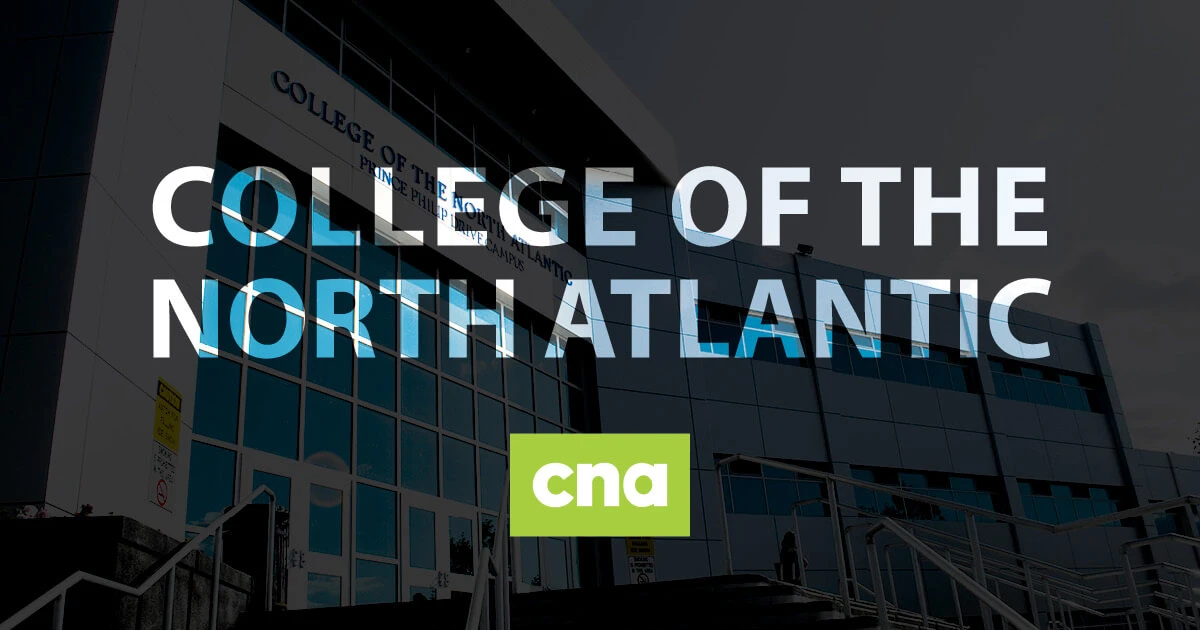
Diploma in Medical Laboratory Technology is a diploma in Biomedical & Laboratory Sciences programme taught at College of the North Atlantic in Stephenville, Canada. The programme runs for 3 years, delivered on campus. Tuition for international students is CAD 4,685 per semester (CAD 1,301 per semester for local students).
At a glance
Degree:Diploma
Field:Biomedical & Laboratory Sciences
Duration: 3 years
Delivery: On Campus
Local tuition: CAD 1,301 / semester
International tuition: CAD 4,685 / semester
We have no an application deadline on record for this programme yet — see the official programme page.
— it helps other students.
Medical Laboratory Technology at College of the North Atlantic is a three-year diploma delivered on campus at the Prince Philip Drive campus. The curriculum spans five core disciplines: clinical chemistry, hematology, histology, microbiology, and transfusion science, progressing from classroom and theoretical training in the first three semesters through simulated laboratory work in year two to practical training and clinical experience in affiliated health care institutions in the final year. Admission accepts high school graduates with a 60% overall average, including English 3201, specified mathematics courses at 50-60% minimum, Biology 2201 and 3201 at 60% minimum, and Chemistry 3202 at 60% minimum; College Transition Certificate and Adult Basic Education (Level III) with the Degree and Technical Profile at 60% average are also accepted. Selection is competitive via the Casper admissions exam, and accepted students undergo a criminal record check and vulnerable sector check. Graduates are prepared for medical laboratory technologist roles performing diagnostic testing on blood, body fluids, and tissues in health care settings.
Requirements
Minimum GPA:60.00 / %
Admission Requirements: Entry is available through three routes: (1) High School Graduation Certificate with a 60% overall average, including English 3201, specified mathematics courses at 50-60% minimum, Biology 2201 and 3201 at 60% minimum, and Chemistry 3202 at 60% minimum; (2) College Transition Certificate with designated courses at 60% minimum; (3) Adult Basic Education (Level III) with the Degree and Technical Profile at a 60% average. Selection is competitive and applies the Casper admissions exam. Non-native English speakers must submit an IELTS Academic Test overall band score of 7.0. Accepted students undergo a criminal record check and vulnerable sector check.