Université du Québec à Montréal official logo

BA/BS in Sciences naturelles appliquées à l'environnement

Université du Québec à Montréal

Montréal, Quebec, Canada

Official program page (opens in a new tab)

At Université du Québec à Montréal in Montréal, Canada, BA/BS in Sciences naturelles appliquées à l'environnement is offered as a bachelor's degree in Environmental Sciences programme. The programme runs for 3 years. Tuition for international students is CAD 28,605 per year (CAD 3,118 per year for local students).

At a glance

Degree: Bachelor's Degree
Field: Environmental Sciences
Duration: 3 years
Local tuition: CAD 3,118 / year
International tuition: CAD 28,605 / year

We have no an application deadline on record for this programme yet — see the official programme page. — it helps other students.

Last checked September 2026 · Source: etudier.uqam.ca ·

Program details

Overview

This Bachelor's program in Sciences naturelles appliquées à l'environnement provides training in the natural sciences applied to environmental problem-solving, alongside specific formation in environmental science. The 90-credit, full-time-only curriculum develops a systemic understanding of environmental issues and natural dynamics, combining disciplinary science training with practical competencies, and includes some mandatory courses in the Summer term. Full-time completion requires a minimum of nine trimesters (three years). Admission is offered in the Fall term only. Graduates are prepared for environmental science careers in government, industry, and environmental organizations, as well as further graduate study in environmental or natural sciences.

Requirements

Minimum GPA: 2.00 / 4.3
Admission Requirements: Admission is possible through several routes. Applicants with a Diplome d'etudes collegiales (DEC) or equivalent must have completed prerequisite courses in Biology, Chemistry, Mathematics (calculus or linear algebra), and Physics. Applicants with relevant experience must be at least 21 years old with appropriate knowledge and at least one year of work experience in a natural-sciences-related field. Applicants with prior university studies require at least five completed university courses (15 credits) with a minimum grade average of 2.0 on a 4.3 scale. Applicants with a diploma from outside Quebec in the natural or experimental sciences or engineering, obtained after at least 13 years of schooling, require a minimum average of 10 on a 20-point scale. All candidates must demonstrate French-language proficiency through the required standardized French tests.

Application Details

Start Date: September

About Université du Québec à Montréal

“L'effet UQAM”
Type: University
Control: Public
Campus setting: Urban
Founded: 1969
Students: 34,845
Programs: 245
Location: Montréal, Quebec, Canada
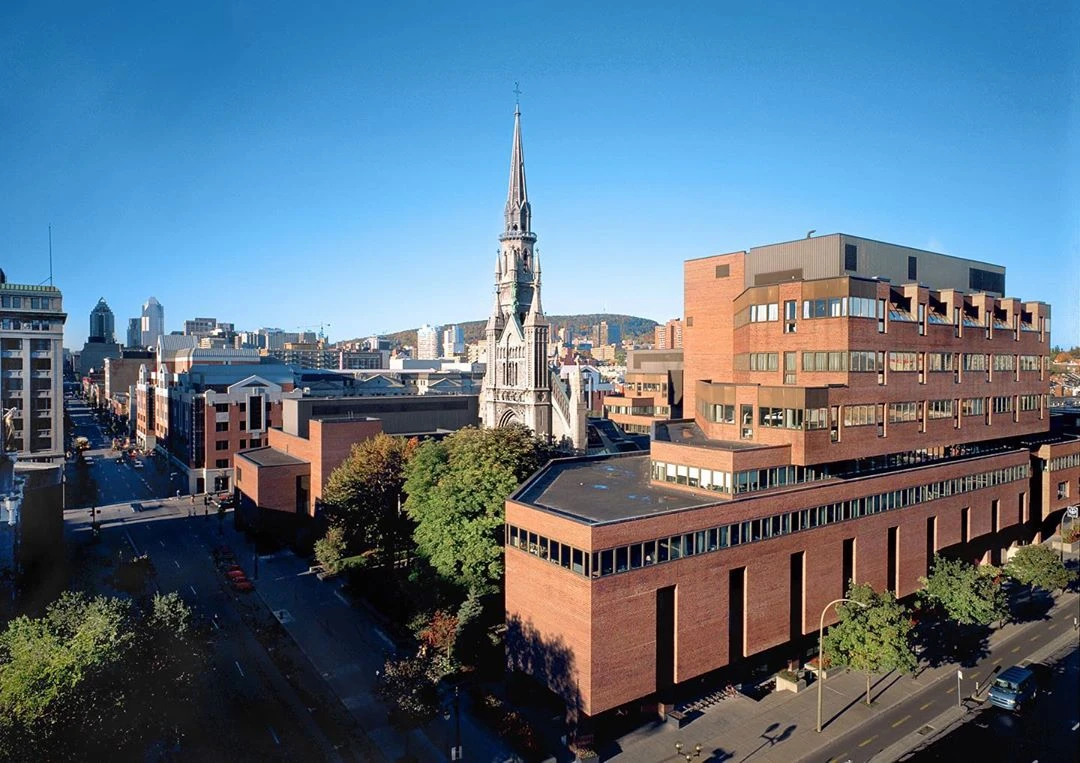
Université du Québec à Montréal institutional building

View the full Université du Québec à Montréal profile

Similar programs in Canada

More programs at Université du Québec à Montréal

Other universities in Canada

Scholarships in Canada

  • Doctoral fee exemption bursary for international students
  • Institutional master's scholarships (Bourses institutionnelles à la maîtrise) — CAD 4,000
  • Master's-level fee exemption bursary for international students
  • Tuition exemption for international students (Bachelor's)

Frequently asked questions

What degree does BA/BS in Sciences naturelles appliquées à l'environnement award?

Université du Québec à Montréal awards a Bachelor's Degree in the field of Environmental Sciences on completion of this programme.

How long does BA/BS in Sciences naturelles appliquées à l'environnement take?

The programme runs for 3 years.

How much does BA/BS in Sciences naturelles appliquées à l'environnement cost?

Tuition for international students is CAD 28,605 per year (CAD 3,118 per year for local students).

Browse all articles →

Spotted something outdated or missing?

Help us keep this page accurate — it takes about 30 seconds.

Free calculators and converters to plan your study-abroad journey.

Latest Articles

Fresh guides and advice for studying abroad.

View all →

Compare Compare