Overview
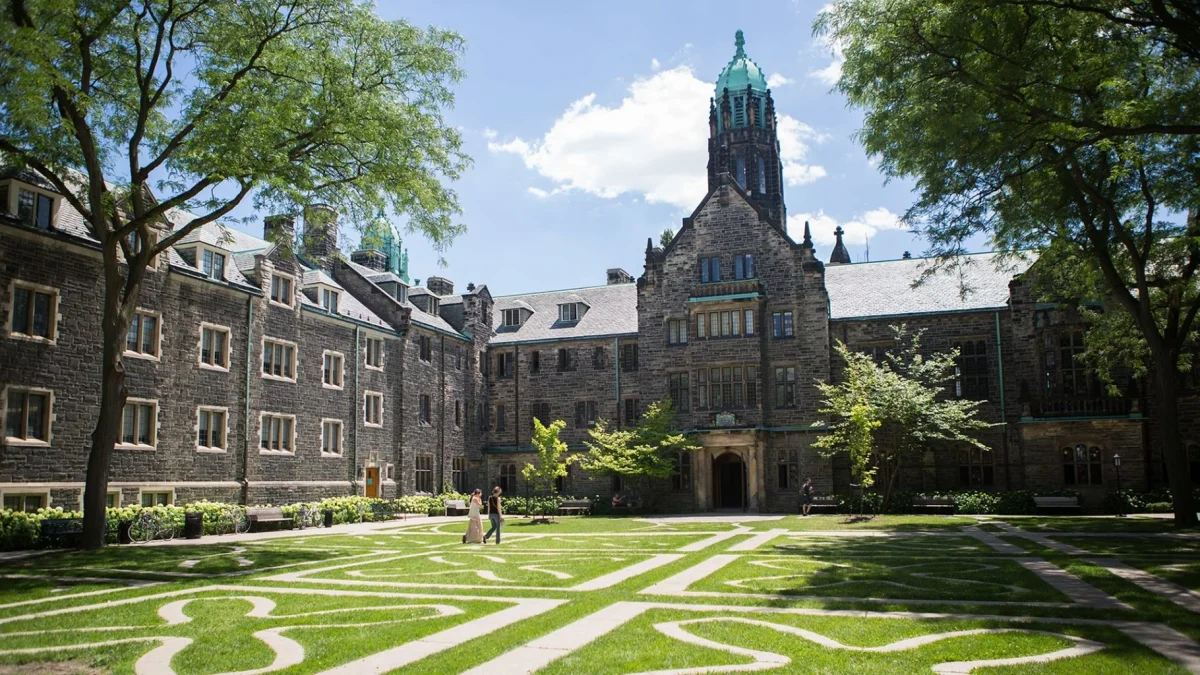

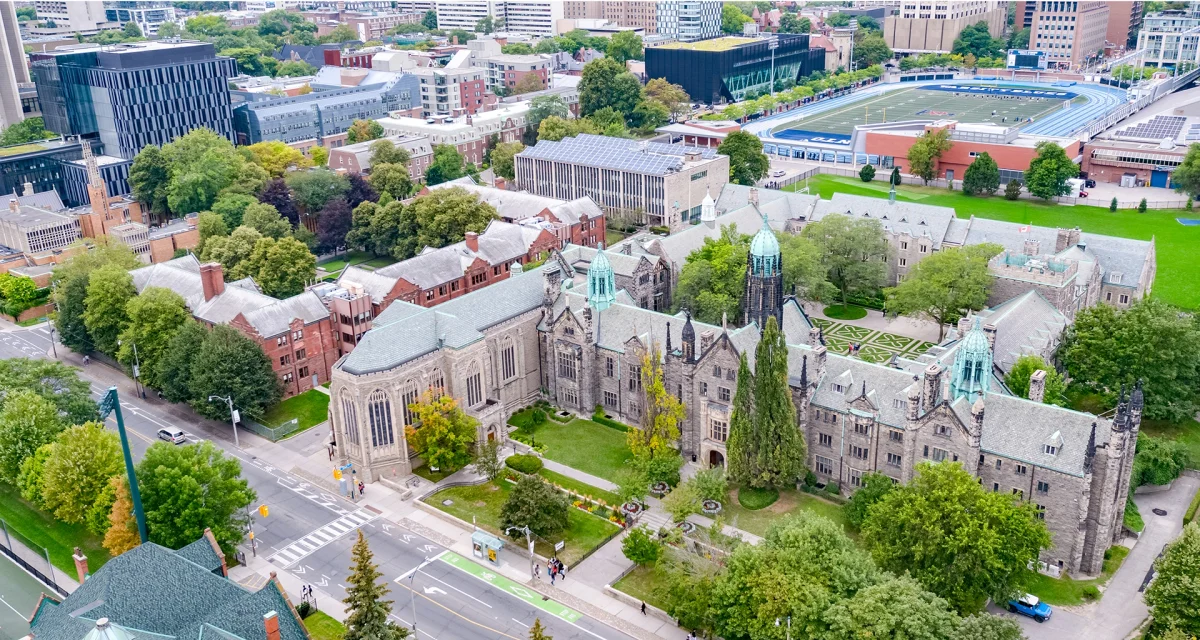
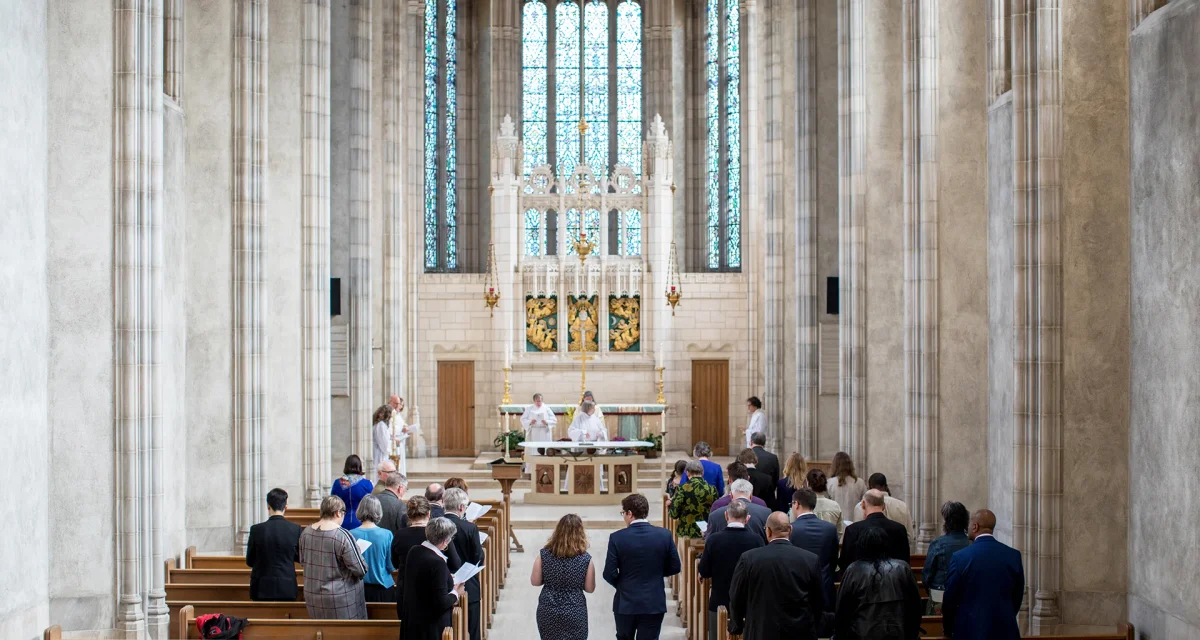
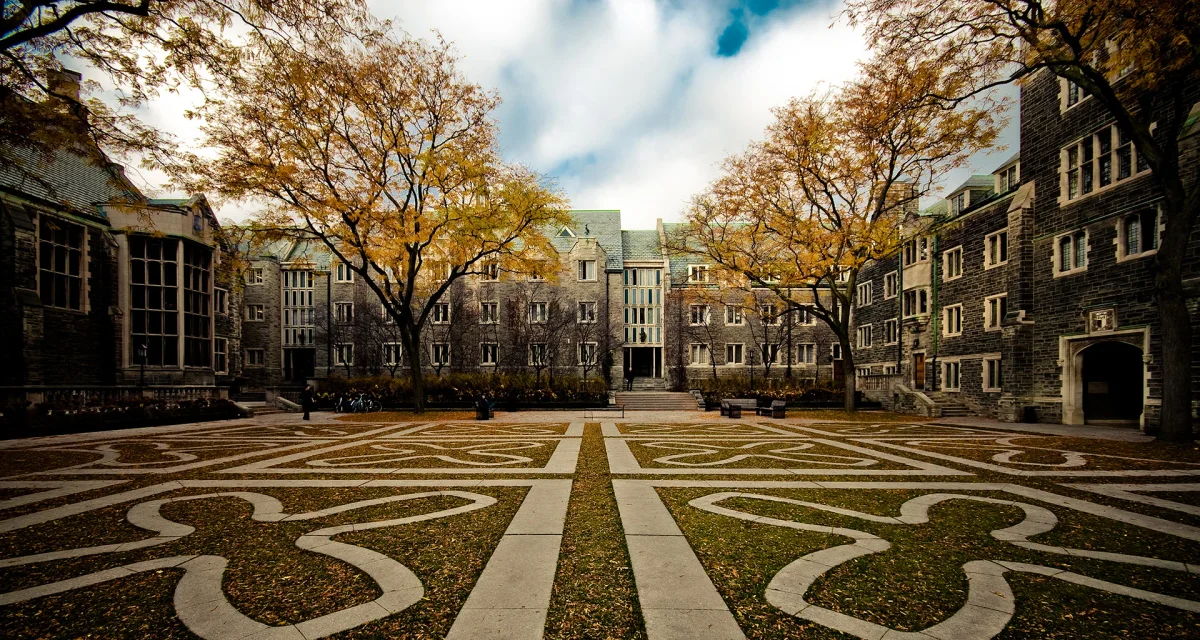
Trinity College is a federated college of the University of Toronto, founded in 1851 as Canada's oldest Anglican theological foundation and now the smallest of the seven colleges within the university's Faculty of Arts & Science.
Set on the historic St. George Campus in downtown Toronto, Trinity enrolls roughly 2,400 undergraduates alongside about 100 students in its own Faculty of Divinity.
Undergraduates admitted to Trinity take courses across the full range of University of Toronto programs while also gaining access to a handful of interdisciplinary programs that Trinity itself sponsors on the Faculty of Arts & Science's behalf, including Ethics, Society & Law, International Relations, and Immunology. The College's Faculty of Divinity, a founding member of the Toronto School of Theology, offers professional and graduate theological degrees, including the Master of Divinity and Master of Theological Studies, conferred by Trinity jointly with the University of Toronto.
Every credential earned through Trinity carries full University of Toronto standing.
Students benefit from small-group seminars, dedicated academic and pastoral support, historic residences, the John W. Graham Library, and a strong record of graduates continuing on to Rhodes Scholarships and careers in law, public policy, journalism, business, and ordained ministry.
Notable alumni include Adrienne Clarkson, Malcolm Gladwell, and Ted Rogers.
Location & Contact
Trinity College's physical location and contact details are listed below.
Academic Details
Enrolment, faculty headcount, and accreditation data for Trinity College are listed below.
Programs Offered
All active programmes at Trinity College are listed by degree level.
13 programmes on record. Compare these on the programs page All programs in Canada
Bachelor's Degree 5 programmes
Master's Degree 4 programmes
Doctorate 2 programmes
Postgraduate Certificate 2 programmes
How to apply to Trinity College
A five-step guide to applying to Trinity College.
-
1
Research programmes at Trinity College
Start by exploring the programmes section on this page. Trinity College runs 13 active programmes across multiple degree levels. Narrow by qualification tier and read each programme description before shortlisting.
-
2
Review admissions criteria
Before applying to Trinity College, confirm you meet the academic, language, and document requirements for your chosen programme. International applicants should also check visa eligibility for Canada.
-
3
Gather supporting documents
Standard documents: official transcripts, identity proof, language test results, personal statement, and references. Confirm exact requirements with Trinity College's admissions office before assembling, as expectations vary by programme.
-
4
Lodge your application
Lodge your application through the official website (www.trinity.utoronto.ca). Online forms are the standard route. Save your draft frequently and submit before the programme deadline.
-
5
Confirm receipt and track progress
Verify your application has been received by the admissions team. You can reach the institution by email at trinity.welcome@utoronto.ca or by phone at 416-978-2522. Monitor the portal for status updates, interview invitations, or document requests, and respond within the stated deadlines.
Frequently Asked Questions about Trinity College
Concise answers to common questions about Trinity College.
In which city is Trinity College?
Trinity College is based in Toronto, Canada.
How many students study at Trinity College?
Trinity College has approximately 2,500 students.
How do I find Trinity College online?
Trinity College's official website is www.trinity.utoronto.ca.
Top-Ranked Universities in Canada
Top universities in Canada differ from flagship status: top is rankings-defined; flagship is often historically defined. The lists may overlap but are not identical.


Faculties at nearby universities
Below are universities in the same area as Trinity College.


Where Else to Study Islamic & Quranic Studies
Other institutions in Canada teaching Islamic & Quranic Studies are listed below for comparison with Trinity College.


Universities Compared with Trinity College
Universities of a similar scale and standing to Trinity College are listed below.


Studying in Canada: guides and resources





Spotted something outdated or missing?
Help us keep this page accurate — it takes about 30 seconds.
Save this university to your shortlist
Save universities and programs, follow countries, and get deadline reminders by email. Free, takes a few seconds.