Panevėžys College crest

Panevėžys College

Panevėžys, Lithuania Founded 2002

Overview

English Name: Panevėžys College
Founded: 2002
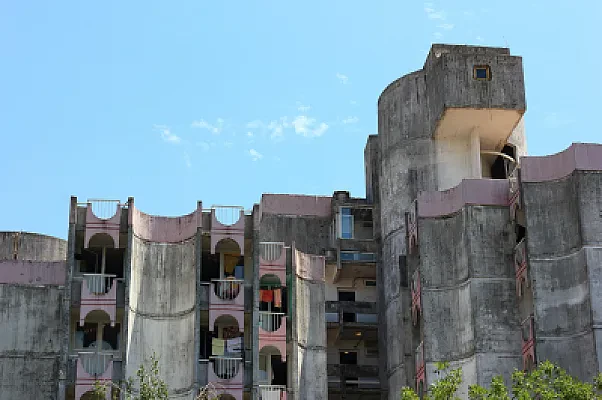
Panevėžys College campus and facilities
1 / 2

Panevėžys College, a college founded in 2002, is based in Panevėžys, Lithuania. The institution operates as a higher-education provider and contributes to higher-education provision in Lithuania.

Programmes at Panevėžys College cover multiple qualification levels, structured through its academic units. The institution administers a focused programme catalogue across its academic units.

Location & Contact

Panevėžys College's on-the-ground location and digital channels to engage with the institution. Library access for prospective students is often arranged separately through the main library team.

Map:
Phone: 370 45 460322
Social Media:

Programs Offered

Panevėžys College's current programme offering broken down by degree level. Curriculum revisions happen periodically; check the version year on each programme page if accreditation portability matters.

Bachelor's Degree

16 programmes

There are 16 programmes to choose from at Panevėžys College for undergraduates. A bachelor's degree builds the broad disciplinary foundation most employers and postgraduate courses expect.

Social work 3 years On-campus
General Description: Objective(s) of the study programme: To qualify social work professionals who are able to identify, assess the situation, plan, provide and coordinate social assistance and analyze the process of social support and assess the outcomes applying innovations in their professional activity. Learning outcomes: Students will have the latest knowledge of social work theory and methods, social work profession development in the country, theories of human behavior in social environment, the social problems and their expression, ethical principles and be able to apply them in practice. They will know the basics of research methodology, human rights and social justice, national social security, social work organization and will apply them in practice. They will know social, humanitarian and other scientific theories fundamentals, will be able to apply them in social work practice. They will be able to carry out the practice-oriented empirical research. They will be able to apply the research results for solving relevant social problems, developing professional activities and implementing social work innovations. They will be able to express their thoughts fluently and persuasively orally and in written, to discuss topical professional issues, communicate effectively in Lithuanian and foreign language in professional environment. They will be able to evaluate critically and reflect, to take independent decisions, to develop social work profession's image, take care of the status of the profession. They will be able to collect and organize information, use information technologies, to deal properly with confidential information. They will be able to identify and assess the customer's needs and strengths, plan, implement and evaluate social support process and its results, using various methods of social work. They will be able to create relationships with a customer based on mutual trust and represent their rights and interests, using internal and environmental resources to motivate and enable a customer. They will be able to develop and implement assistance to a customer projects, assess quality of social services and to cooperate with the representatives of various establishments, providing social work services. They will be able to analyze and explain the impact of social policy on human rights, to consolidate, to reduce social exclusion and follow the principles of social justice, social work values and ethics in practice. Ability to carry out research studies: Students have sufficient knowledge and skills to carry out applied scientific research. Framework: Study subjects (modules), practice: Subjects: Safe Work and Civil Security, Professional Foreign Language, Law, Political Science, Introduction to Social Work Studies and Professional Ethics, Lithuanian Language and Behaviour Culture, Social Policy, Sociology, Information Technologies and Analysis of Research Data, Education Science, Work and Social Economy, Psychology, Man and Health, Community Mental Health, Social Work Theory and Methods, Social Work Administration, Methods of Social Research, Family and Social Security Law, Social Welfare, Child and Adult Well-being, Social Rehabilitation and Integration, Social Work with Client Groups, Management of Social Programs and Projects, Activity of Non-governmental Organizations, Occupation Theory and Therapy. . Practices: Introductory Practice Introduction to Social Work Studies. Introductory Practice Expression of Social Work Methods. The Main Practice Organization of Social Work Process. Volume of study field subject 156 credits, including 33 credits for practices. Specializations: - Optional courses: A student can choose optional common college subjects approved by the order of the Director (PD1, PD2). Alternatives- Students can also alternatively choose modules and subjects foreseen by the Study Programme Committee: A1. Social Work with Family; A2. Community Social Work; A3. Social Work with Youth, A4 Street Pedagogy/Christian Social Teaching, A5 Culture History/Public Communication in Foreign Language. Access to professional activity or further study: Access to professional activity: - To identify the need for social assistance; - To plan social support; - To organize and provide social services; - To evaluate the effectiveness of social work; To improve and develop professional activity of a social worker. Access to further study: Graduates can pursue to include study results, if they want to study in the first study cycle university programmes. Having completed bridging courses or fulfilled other higher education institution requirements they are entitled to enroll in post-graduate master's studies at Lithuanian universities that qualify professionals in the field of social sciences.
Duration: 3 years
Delivery: On-campus
Physiotherapy 3 years On-campus
General Description: Objective(s) of a study programme: To prepare a physiotherapist who is able to work independently and/or in teams with rehabilitation professionals, to provide health care services, to follow holistic approach, in researching and assessing a person’s functional and physical condition, to achieve maximum functional activity, to compensate disability, ensure health care and prevention, and develop science-based practice in professional activity. Learning outcomes: - Students know human rights and national health care and rehabilitation policies, legislation and documents governing a physiotherapist’s activity. - They know the basics of applied research methodology and ethical principles applying physiotherapeutic examination, assessment and treatment techniques for various age groups people. - They are able to carry out scientific applied research, interpret, analyze, summarize and present the results. - They are able to apply scientific research and evidence-based practice in dealing with rehabilitation problems and develop innovative professional activity. - They are able to assess a customer or patient, to select and apply the functional and physical testing techniques for physiotherapy diagnosis determination, foresee the work process results and prognosis, to fill in and analyze professional documentation. - They are able to analyze and evaluate critically the problems, associated with personal psycho-social, cognitive, emotional, physical condition and dysfunction. - They are able to establish and apply comprehensively physical therapy programs, to manage physiotherapy treatments, and together with a client or patient and his family members assess and analyze the professional performance. - They are able to work in a team, to carry out preventive activity and integrate science-based research and practice in their professional activity. - They are able to cooperate and communicate in Lithuanian and foreign languages with rehabilitation, health care professionals, customers or patients and their relatives in line with the principles of professional ethics. - They are able to generate innovative ideas, adapt to new situations and strengthen the image of physiotherapy profession. - They are able to evaluate, act and make decisions independently on the basis of critical, scientific, and lifelong learning attitude. - They are able to use modern information technologies in a physiotherapist’s practice and take care of their professional identity strengthening. - They know human rights and national health care and rehabilitation policies, legislation and documents, governing the activity of a physiotherapist. Activities of teaching and learning: Lectures, discussion, demonstration, observation, workshops, using decoy, medical instruments, equipment, case studies, simulation of real situations, work in pairs, groups and etc. Students develop practical skills during practice in a real environment of health care, rehabilitation, education and social care institutions. Methods of assessment of learning achievements: Study results are evaluated in ten-point scale system of evaluation. The final assessment of subject study is examination or self-study (project). In the final assessment the system of accumulative mark is applied which consists of the sum of the arithmetic average of interim accounts and the assessment of the examination, multiplied by the relevant leverage coefficients. Framework: Study modules (subjects), practical training: Study modules (subjects): Bioethics; Basics of entrepreneurship; Anatomy, physiology and general pathology; The science of motion; Preclinical subjects; Physiotherapeutic examination and physiotherapy techniques; Clinical physiotherapy; Physical medicine and rehabilitation and etc. Practices: Cognitive physiotherapy practice; General physiotherapy practice; Clinical physiotherapy practice; Final practice and supervision. For practices are allocated 42 credits. Specialisations: Well-equipped practical training base; attention to each student; variety of practice places; scientific research opportunities; study exchange opportunities under Erasmus+ programme; possibility to combine studies and work. Optional courses: Student may select 9 credits from the proposed units in a study programme. Other 6 credits are free optional which a student may choose from the common list of the Panevezys College. Distinctive features of a study programme: Access to professional activity or further study: Access to professional activity: Graduates who have acquired professional qualification of a physiotherapists will be able to work in all levels health care and rehabilitation facilities, schools, specialized education and child care facilities, wellness and fitness centers. Access to further study: Graduates may pursue study results if they wish to study at university according to the study programmes of the first cycle. After the bridging courses or having accomplished the requirements of other higher educational institution, students have access to continue studies in the second study cycle with the view to attain master's degree.
Duration: 3 years
Delivery: On-campus
General practice nursing 4 years Blended
General Description: Objective(s) of a study programme: To prepare a highly skilled nursing professional, who is able to nurse various age healthy or ill people, family and community applying holistic approach in all nursing process stages, to demonstrate critical thinking, social responsibility, independence and ability to work in a team and develop science-based nursing practice. Learning outcomes: - Students know national and international health policies, legislation and nursing activity regulating documents; provide professional information in the limits of their competence. - They are able to systematize and apply integrated knowledge of natural, biomedical and social sciences, humanities in family and community health practice. - They are able to conduct nursing-oriented research, apply science, and practice evidence-based practice to tackle nursing problems. - They are able to identify nursing needs, problems and plan nursing for persons of various ages. - They are able to choose and carry out nursing activities and procedures in certain professional activity situations. - They are able to provide the necessary (the first and urgent) medical aid in case of life-threatening conditions and injuries. - They are capable of assessing nursing results, applying administration principles in practice. - They are able to teach patients of various ages, their family members and community healthy lifestyle skills taking into account their health education needs. - They are able to work in a team, collaborate with health care and other professionals, and communicate with patients and their families dealing with health problems. - They are able to express fluently and expressively their thoughts orally and in written form, communicate effectively in professional environment in Lithuanian and foreign languages. - They are able to plan and analyze their professional activity, to learn and improve continuously in the light of scientific and technical progress. Activities of teaching and learning: Lectures, discussion, demonstration, observation, workshops, using decoy, medical instruments, equipment, case studies, simulation of real situations, work in pairs, groups and etc. Students develop practical skills during practice in a real environment of various health care institutions and patients' homes. Methods of assessment of learning achievements: Study results are evaluated in ten-point scale system of evaluation. The final assessment of subject study is examination or self-study (project). In the final assessment the system of accumulative mark is applied which consists of the sum of the arithmetic average of interim accounts and the assessment of the examination, multiplied by the relevant leverage coefficients. Framework: Study modules (subjects), practical training: Study subjects: Safe work and civil safety; Professional foreign language, Information technologies; Basics of entrepreneurship; Bioethics and basics of law; Microbiology and infection control; Anatomy, physiology and basics of pathology; General nursing; Latin; Obstetrical nursing and family health; Childrenˈs health care and nursing; Gerontology and geriatric nursing, Pharmacology; Basics of biochemistry, biophysics and radiology; Communication and medical psychology; Therapeutic nursing; Surgical nursing, Mental health nursing, Community nursing and health education; Emergency medical aid and intensive care and etc. Practices: Childrenˈs health care; Obstetrical nursing; Paediatric nursing; Geriatric nursing; Therapeutic nursing; Surgical nursing; Mental health nursing; Community nursing; Emergency medical aid and intensive care; Final practice. For practices are allocated 90 credits. Specialisations: - Optional courses: Student may select 3 credits from the proposed units in a study programme. Other 6 credits are free optional which a student may choose from the common list of the Panevezys College. Distinctive features of a study programme: Access to professional activity or further study: Access to professional activity: Graduates who have acquired professional qualification of a general practice nurse will be able to work in primary, secondary and tertiary health care institutions, national security and internal affairs health care system, social services institutions – in care homes for healthy and disabled people of all ages, private health care institutions. Access to further study: Graduates may pursue study results if they wish to study at university according to the study programmes of the first cycle. After the bridging courses or having accomplished the requirements of other higher educational institution, students have access to continue studies in the second study cycle with the view to attain master's degree. A graduate can continue studies according to non-formal education programs in the fields of specialized care: ,,Anaesthesia and intensive care“, ,,Community nursing“, ,,Operating nursing“, ,,Mental health nursing“, ,,Emergency medical care“ and ,,Anaesthesia “.
Duration: 4 years
Delivery: Blended
Emergency Medical Aid 3 years On-campus
General Description: Objective(s) of a study programme: To qualify emergency medical aid paramedics who are able independently and together with the medical team to provide the necessary(first and emergency) medical assistance to people of all ages, evaluating the degree of vital functions disorders and the nature of the injuries, demonstrate critical thinking and to develop science-based practical activity. Learning outcomes: - Students know national and international health policy, legislation and other documents regulating the activity of the emergency medical aid professionals and provide professional information in the limits of their competence. - They are able to know and apply natural, biomedical, social and humanitarian sciences knowledge in the practice of the emergency medical aid professionals. - They are able to carry out applied scientific research of the emergency medical aid, interpret, analyze, summarize and present data received. - They are able to apply scientific research and evidence-based practice in dealing with emergency medical problems. - They are able to ability to assess the working environment, work with emergency medical equipment and devices in accordance with occupational safety principles. - They are able to recognize and evaluate life-threatening conditions of the various age people. - They are able to select and perform necessary medical aid techniques and actions according to approved protocols during life-threatening conditions and traumas. - They are able to select and perform necessary medical aid techniques and actions - according to approved protocols for life-threatening conditions and traumas. - They are able to ability analyze and evaluate the results of the work and apply correction and prevention in their professional activities. - They are able to communicate and collaborate with health care and other professionals and patients, their relatives dealing with personal health problems within their competence. - They are able to work professionally individually and in the team ensuring the quality of the services provided. - They are able to make decisions independently and understand their responsibility for the professional performance. - They are able to plan and analyze professional activity, learn consistently and improve taking into account scientific and technical progress. Activities of teaching and learning: Lectures, discussion, demonstration, observation, workshops, using decoy, medical instruments, equipment, case studies, simulation of real situations, work in pairs, groups and etc. Students develop practical skills during practice in a real environment of various health care institutions. Methods of assessment of learning achievements: Study results are evaluated in ten-point scale system of evaluation. The final assessment of subject study is examination or self-study (project). In the final assessment the system of accumulative mark is applied which consists of the sum of the arithmetic average of interim accounts and the assessment of the examination, multiplied by the relevant leverage coefficients. Framework: Study subjects (modules), practical training: Study subjects: Professional Foreign Language, Medical and Communication Psychology; Latin Language; Microbiology and Infection Control; Anatomy, Physiology and Pathology; Basics of Biochemistry and Biophysics; Pharmacology; Methodology of Applied Scientific Research; Information Technologies and Basics of Statistics; General Nursing Procedures; Acute Conditions in OB / Gyn; Acute Conditions in Paediatrics; Acute Conditions in Medicine and etc. Practices: Introductory Practice; Emergency Medical Care in Acute Conditions; Final Practice. For practices are allocated 39 credits. Specialisations: - Optional courses: Student may select 9 credits from the proposed units in a study programme. Other 6 credits are free optional which a student may choose from the common list of the Panevezys College. Distinctive features of a study programme: Access to professional activity or further study: Access to professional activity: Graduates will be able to work in first aid services establishments, admission departments of health care institutions, national defence system, medical divisions of internal affairs, rescue services and other institutions and enterprises, where his/her activity is required. Access to further study: Graduates may pursue study results if they wish to study at university according to the study programmes of the first cycle. After the bridging courses or having accomplished the requirements of other higher educational institution, students have access to continue studies in the second study cycle with the view to attain master's degree.
Duration: 3 years
Delivery: On-campus
Oral hygiene 3 years Blended
General Description: Objective(s) of a study programme: To qualify a dental hygiene professional who is able to provide qualified oral care services independently, assess oral health condition, plan and implement educational and preventive activities in order to avoid oral diseases, perform professional oral hygiene and organize dental workplace. Learning outcomes: - Students know the national and international health policies, legislation and other documents governing the dental hygienist activities and will be able to provide professional information within their competence in accordance with ethical principles. - They are able to apply the biomedical sciences knowledge in the dental hygienist practice. - They are able to collect, store and analyze statistics data, prepare and present reports of performed activity. - They are able to carry out applied research activities and apply its results for professional development. - They are able to work with dental equipment, instruments and materials and follow infection control requirements. - They are able to assess the person's general and oral health status, disease risk, identify changes in oral tissues, make a dental care plan and fill in professional documentation. - They know dental diseases, causes of their occurrence and factors ensuring health of oral cavity organs and provide professional dental care. - They are able to perform and evaluate dental X-ray. - They are able to recognize life-threatening conditions and provide emergency aid in cases of acute conditions. - They are able to advise patients on dental disease prevention, healthy nutrition, lifestyle, prepare preventive health programs, organize and implement health education. - They are able to communicate and collaborate with health care and other professionals and patients dealing with oral health problems. - They are able to communicate in Lithuanian and foreign language, adapt to new situations and strengthen the image of the profession, takes care of its value and significance in society and ensure the quality of evidence-based oral care practices. - They are able to evaluate critically their professional practice, solve problems independently, make decisions, and understand the importance of lifelong learning. - They are able to use modern technology and information systems in the dental hygienist practice, handle properly confidential information following ethical principles. Activities of teaching and learning: Lectures, discussion, demonstration, observation, workshops, using decoy, medical instruments, equipment, case studies, simulation of real situations, work in pairs, groups and etc. Students develop practical skills during practice in a real environment of various health care institutions and patients' homes. Methods of assessment of learning achievements: Study results are evaluated in ten-point scale system of evaluation. The final assessment of subject study is examination or self-study (project). In the final assessment the system of accumulative mark is applied which consists of the sum of the arithmetic average of interim accounts and the assessment of the examination, multiplied by the relevant leverage coefficients. Framework: Study modules (subjects), practical training: Study modules (subjects): Bioethics, Human Anatomy Preclinical Subjects, First Medical Aid, Health Education, Epidemiology and Prevention of Oral Diseases, Pediatric Dentistry and Noncariotic Dental Damages, General Clinical Subjects, Care of Hospitalized Patients, Professional Dental Hygiene, Organization of Work and Management, Clinical Dentistry, Dental Care for Patients with Special Needs, Periodontology and Oral Mucosa Diseases et al. Practices: Oral Care Education; Oral Care for Hospitalized Patients; Dental Workplace Organization; Procedures Performed by Dental Hygienist. For practices are allocated 39 credits. Specializations: - Optional courses: Student may select 9 credits from the proposed units in a study programme. Other 6 credits are free optional which student may choose from the common list of the Panevezys College. Distinctive features of a study programme: Well-equipped practical training base; attention to each student; variety of practice places; specialty subjects are being studied in dental care institutions; scientific research opportunities; study exchange opportunities under Erasmus+ programme; possibility to combine studies and work. Access to professional activity or further study: Access to professional activity: Graduates who have acquired dental hygiene qualifications, persons will be able to work in all dental clinics and offices licensed to provide oral hygiene services and will be able to found a private oral hygiene office. Access to further study: Graduates may pursue study results if they wish to study at university according to the study programmes of the first cycle. After the bridging courses or having accomplished the requirements of other higher educational institution, students have access to continue studies in the second study cycle with the view to attain master's degree.
Duration: 3 years
Delivery: Blended
Odontological Care 3 years On-campus
General Description: Objective(s) of a study programme: To train a dental assistant who is able to administer the workplace and assist dentists, dental specialists or dental hygienists, to perform intraoral procedures and prevention of oral diseases within the limits of their competence. Learning outcomes: - Students will be familiar with national and international health care policies, legislation and other documents governing the activities of a dental assistant and will provide professional information within their area of competence in accordance with ethical principles. - They will be able to collect, store, analyze statistics, prepare and submit reports and proposals related to applied research. - They will be able to communicate and collaborate with healthcare and other professionals, patients and family members on oral health issues. - They will be able to communicate in Lithuanian and foreign languages, adapt to new situations and strengthen the image of the profession, take care of its value and significance in society and ensure the quality of evidence-based oral care practice. - They will be able to critically evaluate their professional practice, solve problems independently, make decisions, understand the importance of lifelong learning. - They will be able to use modern technologies and information systems in the practice of a dental assistant, handle confidential information properly and adhere to ethical principles. - They will be able to work with dental equipment, instruments and materials and ensure infection control during activities. - They will be able to identify oral and dental diseases using different diagnostic methods and complete professional documentation within the limits their competence. - They will be able to assist dentists, dental specialist or dental hygienists with a variety of dental treatment and oral care procedures. - They will be able to identify cases of life-threatening conditions, respond appropriately to them and provide the necessary medical assistance. - 11. They will be able to participate in health promotion activities and plan, coordinate and control the organizational processes of dental care using modern information technology. Activities of teaching and learning: Lectures, discussion, demonstration, observation, workshops, using decoy, medical instruments, equipment, case studies, simulation of real situations, work in pairs, groups and etc. Students develop practical skills during practice in a real environment of various health care institutions and patients' homes. Methods of assessment of learning achievements: Study results are evaluated in ten-point scale system of evaluation. The final assessment of subject study is examination or self-study (project). In the final assessment the system of accumulative mark is applied which consists of the sum of the arithmetic average of interim accounts and the assessment of the examination, multiplied by the relevant leverage coefficients. Framework: Study modules (subjects), practical training: Study modules (subjects): Bioethics, Human Anatomy, Preclinical Subjects, First Medical Aid, Health Education, Epidemiology and Prevention of Oral Diseases, Pediatric Dentistry, Basics of Assistance and Ergonomics, General Clinical Subjects, Nursing, Professional Foreign Language, Organizational Management Clinical Dentistry, Dental Radiology, Oral Care for Patients with Special Needs, Orthopedic Dentistry and Orthodontics, Applied research methodology and others. Practices: Infection Control in Dentistry, Oral Care Education; Oral Care for Hospitalized Patients; Dental Workplace Organization; Assisting in Dentistry; Activities of a Dental Assistant. For practices 50 credits are allocated. Specializations: - Optional courses: Student may select 9 credits from the proposed units in a study programme. Other 6 credits are free optional which student may choose from the common list of the Panevezys College. Distinctive features of a study programme: Well-equipped practical training base; attention to each student; variety of practice places; specialty subjects are being studied in dental care institutions; scientific research opportunities; study exchange opportunities under Erasmus+ programme; possibility to combine studies and work. Access to professional activity or further study: Access to professional activity: Graduates who have acquired dental assistant qualification, will be able to work in all dental clinics and offices licensed to provide dental care and oral care services and which, in accordance with the requirements of legal acts, must be provided by dental assistants together with dentists or dental specialists. Access to further study: Graduates may pursue study results if they wish to study at university according to the study programmes of the first cycle. After the bridging courses or having accomplished the requirements of other higher educational institution, students have access to continue studies in the second study cycle with the view to attain master's degree.
Duration: 3 years
Delivery: On-campus
Electromechanical Engineering 3 years On-campus
General description: Objective(s) of the study programme: The goal of the Electromechanical Study Programme is to equip specialists of electromechanical engineering being able to independently design various technical items and select the proper technological processes, understanding the structure and operating principles of electromechanical equipment, capable of operating and performing the maintenance of technological equipment Learning outcomes: 1. Has the general knowledge bases of mathematics, physical and/or technological sciences, allowing to understand and describe the processes taking place in the study field of mechanical engineering sciences. 2. Knows the essential concepts of the study field of mechanical engineering sciences and understands their content. 3. Acquired fundamental and latest knowledge of the study field of mechanical engineering sciences, which would be applied in practice. 4. He is familiar with the principles of digital production, cloud production processes, Internet of Things, business management systems and augmented reality. 5. Able to analyze the processes and products of the study field of mechanical engineering sciences, understand and interpret the obtained results. 6. Able to solve engineering problems by choosing appropriate methods, experimental and production equipment. 7. Understands design methodologies, is able to apply specialized software for process analysis and data management, designing processes and products of the study field of mechanical engineering sciences according to established technical, economic and environmental requirements. 8. Able to find, systematize and interpret the information required for studies in the field of mechanical engineering sciences. 9. Able to perform the necessary experiments to solve engineering problems, analyze the obtained results and present conclusions. 10. Has the skills to work with the equipment used in the field of study of mechanical engineering sciences. 11. Able to practically solve the problems of the field of study of mechanical engineering sciences. 12. Able to participate in working groups, implementing projects of the study field of mechanical engineering sciences, taking into account the principles of circular economy, artificial intelligence, industrial digitization, ethical, environmental protection, commercial, operational organization, worker safety and health circumstances and the development of the concept of sustainability. 13. Able to cooperate with specialists of other professional activities. 14. Able to solve engineering tasks individually and in a team. 15. Can communicate with the engineering community and the general public in correct Lithuanian and at least one foreign language. 16. Understands the impact of engineering decisions on society and the environment, adheres to professional ethics and norms of engineering activity, understands responsibility for the results of engineering activity. 17. Knows the main aspects of project execution and management at the level of engineering activities. 18. Understands the importance of individual lifelong learning. Activities of teaching and learning: Lectures, seminars, practical work, laboratory work, team work, individual work, tutorials,case study, professional practice, online studies and other learning activities Methods of the assessment of student academic progress: Control work, testing, interviews,, practice report presentation, work reviews, exams, course work, colloquiums, laboratory work defence, portfolio, laboratory work report. Examinations are conducted in a written and oral form.Framework: Study subjects (modules), practical training: Subjects: Basics of Communication, Basics of Studies, Basics of Engineering, Basics of Computer Aided Design, Basics of Mechanical Engineering, Computer Aided Manufacturing 1, Computer Aided Manufacturing 2, Electrotechnic, Applied Researches, Machine Elements, Computer Aided Engineering (CAE), Automatic Control and Controllers, Control of Technological Processes, Robots Control, Production Practice, Final Practice Module. Volume of the study field subjects - 129 credits; Practice - 36 credits. Specializations: - Optional study subject courses: The student is allowed to select the optional general college study subjects, confirmed by the college director‘s resolution (OS1, OS2), also alternative optional subjects, foreseen by the Study Programme Committee. Specification of the study programme: Access to professional activities or further education: Access to professional activity: Graduates of the Electromechanical Engineering study programme having obtained the related knowledge and abilities of mechanics and electrical engineering will be able to work as technologists, CNC machine operators, designers responsible for collect machinery and machine design work, will be able to adjust CNC machine tools and develop their programs of control. Moreover, graduates will also be able to work in various enterprises that operate different types of technological equipment, collect machinery and machines and be responsible for the safe operation of electromechanical equipment, work as foremen or unit managers responsible for the organization and management of production. Access to further education: Graduates can seek their learning outcomes to be included if they intend to continue their studies according to the university study programmes of the first cycle. Having completed supplementary studies or having accomplished the requirements of other higher education institutions, graduates are allowed to enter the second cycle master degree studies.
Duration: 3 years
Delivery: On-campus
Electronics Engineering and Robotics 3 years On-campus
General Description: Objective(s) of a study programme: Learning outcomes: 1.Awareness of the general concepts, regularities and laws of natural sciences and mathematics necessary for understanding the fundamentals of computer engineering; 2. Ability to attain sufficient knowledge of electronics and electrical engineering that is relevant to the practice of computer engineering. Awareness of the context of the related engineering field problems and their solutions; 3. Ability to apply the knowledge and understanding, select, analyse and implement scientific applied design methods, specifications, industrial work standards, computer engineering standards to solve problems using the relevant methods creatively; 4. Ability to apply analytical and modeling methods, diagnose and troubleshoot computer hardware and software problems, upgrade and control computer systems; 5. Ability to apply the knowledge and understanding formulating and implementing design tasks in accordance with the organizing principles, structure, fuctionality and the quantitative system parameters of electronic systems and computer networks; 6. Ability to find the necessary professional information on the organization of electronic systems and computer networks by using databases and other relevant sources; 7. Ability to perform the necessary experiments to solve computer engineering problems, process the outcomes and produce the practical conclusions of these outcomes; 8. Ability to attain sufficient skills to work with the equipment used in the related field of computer systems and computer networks; 9. Ability to apply the knowledge and understanding to install and debug operating systems, applications and special software and organize the user environment, experimental and production equipment; 10. Ability to select and administer network operating systems, use ethical and commercial data protection measures to implement solutions; 11. Ability to solve engineering problems individually or in a team with an engineering community and general public, understand the impact of computer engineering solutions on the public and environment, follow the standards of professional ethics and engineering activities, and feel the responsibility for these activities; 12. Ability to understand the basic aspects of the project execution and management at the level of engineering activities, perceive the significance of lifelong learning and prepare for that. Activities of teaching and learning: Lectures, seminars, practical work, laboratory work, individual work, professional practice and other teaching / learning activities Methods of assessment of learning achievements: Examinations, colloquiums, tests, oral/written interviews, preparation and presentation of practice reports, preparation and presentation of semester papers, preparation and presentation of projects and other teaching/learning methods. Examinations and projects are executed in written and oral forms. The student‘s academic progress is assessed from 1point to 10 points. The assessment from 1 point to 5 points is unsatisfactory. Framework: Study subjects (modules), practical training: Basics of Communication, Basics of Studies, Electrotechnics and Electrotechnical materials, Basics of electronics, Fundamentals of Engineering, Management systems, Electrical equipments, Robots Control, Design of electronic systems, Applied Reserch, Management of mechatronics systems, Engineering economics, Project management, Controllers, Final practice. Specialisations: Optional courses: Online technologies A1/ Smart Things Technologies A2 Distinctive features of a study programme: In the electronic engineering and robotics study program, engineering specialists will be able to install, operate, design functional units of electronic systems, program controllers, industrial robots and manage robotic technological processes. Access to professional activity or further study: Access to professional activity: Graduates of electronics engineering and robotics can work in various Lithuanian or other European companies, joint-stock companies, and private companies. The acquired qualification gives the right to work as an engineer in electronics design and production companies, as an engineer of automated-robotic systems in robot integration companies. They can design and work with computer programs for design, data management, electronic systems management, programming, administer network operating systems and use data protection measures, collect and interpret data necessary for decision-making, convey information, ideas, problems and solutions through communication, so this profession are in demand and promising in the modern labor market. Access to further study: Graduates may seek the inclusion of their learning outcomes if they intend to continue studies in the undergraduate study programme of the first cycle at university. Having completed additional studies and having fulfilled the requirements set by the higher educational institution, they have the right to enter the post graduate studies of the second cycle.
Duration: 3 years
Delivery: On-campus
Electric and automatic equipment 3 years On-campus
General Description: Objective(s) of a study programme: To equip specialists of electrical engineering being able to install, operate, design, upgrade and efficiently control electrical and automation equipment and automated systems, organize professional acivities in the global market by applying the attained knowledge, skills, creative and critical thinking. Learning outcomes: 1. Knows the general foundations of knowledge in mathematics, physical and/or technological sciences, allowing to understand and describe the processes taking place in the electrical engineering field of study. 2. Acquires basic and up-to-date knowledge of the electrical engineering field of study, which would be applied in practice. 3. Able to analyze the processes and products of the electrical engineering field of study, understand and interpret the obtained results. 4. Able to solve engineering problems by choosing appropriate methods, experimental and production equipment. 5. Understands design methodologies, is able to apply specialized software for process analysis and data management, designing processes and products of the electrical engineering field of study according to established technical, economic and environmental requirements. 6. Able to find, systematize and interpret information necessary for studies in electrical engineering sciences. 7. Able to perform the necessary experiments to solve engineering problems, analyze the obtained results and present conclusions. 8. Has the skills to work with the equipment used in the electrical engineering field of study. 9. Able to practically solve the problems of electrical engineering field of study. 10. Able to solve engineering tasks individually and in a team. Can communicate with the engineering community and the general public in correct Lithuanian and at least one foreign language. Understands the impact of engineering decisions on society and the environment, adheres to professional ethics and norms of engineering activity, understands responsibility for the results of engineering activity. 11. Is able to know the main aspects of project execution and management at the level of engineering activity and understands the importance of individual lifelong learning and preparation for it. Activities of teaching and learning: Lectures, seminars, practical work, laboratory work, individual work, professional practice and other teaching / learning activities Methods of assessment of learning achievements: Examinations, colloquiums, tests, oral/written interviews, preparation and presentation of reports, preparation and presentation of semester papers, preparation and presentation of projects and other teaching/learning methods. Examinations and projects are executed in written and oral forms. The student‘s academic progress is assessed from 1point to 10 points. The assessment from 1 point to 5 points is unsatisfactory. Framework: Study subjects (modules), practical training: Basics of Communication, Basics of Studies, Electrotechnics and Electrotechnical materials, Electric machines, Fundamentals of Engineering, Electrical devices and their management, Basics of automation, Automatic control, Energetics, Management of technological processes, Applied Research, Management of mechatronics systems, Project management, Energy enterprise, Renewable energy sources, Final practice. Specialisations: Optional courses: Quality Management, Project Management, 2 optional subjects from the list approved by the director’s order PD1 and PD2. Smart Things Technologies A1/ Robots Control A2 Distinctive features of a study programme: Access to professional activity or further study: Access to professional activity: Graduates of the Electrical and Automation Equipment study programme will be able to work in various power plants, substations or electricity grid enterprises, industrial plants, public and private limited companies of Lithuania and other European countries. They can arrange installation and repair work of electrical and automation equipment, select the appropriate methods of execution of work, calculate and evaluate material and technical resources, moreover, identify the causes of failures and eliminate them, check the quality of the work performed, use the design and estimate documentation, technical standards and drawings, will be able to collect and interpret data which are necessary for making decisions, forward information, ideas, problems and solutions in communication, therefore, this profession is demanded and promising in the modern market. Access to further study: Graduates may seek the inclusion of their learning outcomes if they intend to continue studies in the undergraduate study programme of the first cycle at university. Having completed additional studies and having fulfilled the requirements set by the higher educational institution, they have the right to enter the post graduate studies of the second cycle.
Duration: 3 years
Delivery: On-campus
Building 3 years On-campus
General description: Objective(s) of the study programme: The goal of the Construction Study Programme (professional bachelor‘s degree in construction engineering) is to equip professionals having attained sufficient knowledge and skills to organize and technically manage construction and repair work in accordance with their qualification, being able to apply optimal and safe construction work methods, make independent decisions, inspect unit activities, work quality and act successfully in competitive market conditions, supporting professional competence in lifelong learning. Learning outcomes: 1. Ability to apply fundamental, humanitarian and social sciences in the field of construction engineering. 2. Ability to understand and be aware of the most important concepts of construction engineering, fundamental regulating principles of construction and apply them in practice. 3. Ability to apply international, European and Lithuanian technical and legal documents for building design and construction. 4. Ability to analyze and evaluate the problems associated with construction activities and use innovative analytical and modelling methods which determine the balance of costs, benefits, safety, quality, reliability, suitability for use and environmental impact. 5. Ability to develop the structural part of building projects, using the relevant software, taking into account the construction environment, aesthetic and architectural aspects, are also aware of the processes of implementation and management of construction projects. 6. Ability to select and adapt design and calculation schemes in accordance with the proposed operating conditions, while designing, apply the principles of static information modelling. 7. Ability to find the necessary professional, scientific and engineering information using relevant databases and other sources of information, interpret data while solving problems of innovation in the field of construction. 8. Ability to apply the laboratory equipment and devices to research building materials and constructions, to measure technical characteristics, process data and draw conclusions. 9. Ability to select rational technologies of building construction, repair work and engineering systems, perform engineering activities taking into account the aspects of energy saving, safety and human impact. 10. Ability to manage the execution of specific construction work, prepare documents of estimates, organize construction company activities, evaluate the ethics of engineering activities as well as environmental protection, work safety and commercial circumstances. 11. Ability to solve engineering problems individually and in a team, evaluate engineering decisions and their impact on the society and environment in an ethical, social and economic point of view, socialize with the community and general public, assume responsibility for the outcomes of engineering activities. 12. Understands the significance of lifelong learning; attains independent learning skills and strives for professional development. Activities of teaching and learning: Lectures, seminars, practical work, laboratory work, individual work, Professional practice and other teaching and learning activities Methods of the assessment of student academic progress: Tests, project preparation and defence, examinations, questioning, work reviews, colloquiums, practical work, individual assignments and presentation, coursework, implementation and presentation of project tasks and other methods. Examinations and projects are conducted in written and oral form. Student learning outcomes are assessed from 1 to 10 points. Assessments from 1 to 5 points are unsatisfactory. Framework: Study subjects (modules), practical training: Modules (subjects): Basics of Communication, Natural Sciences, Drawing, Basics of Construction, Integrated Construction, Building, Architecture and Structures, Building structures, Construction design, Construction technologies, Legal foundations, A1, Construction law, A1, Digital design (BIM), Construction management, Building engineering systems, A2, Engineering systems management and maintenance A2, Construction project management, A3, Construction management, A3, Free optional subjects (PD1, PD2). Cognitive, geodesic, technological, production, building design, final practice. The volume of subjects in the field of study is 165 credits, of which 36 credits are intended for internships. Specializations: - Optional study subject courses: The student is allowed to select the optional general college study subjects, confirmed by the college director‘s resolution (OS1, OS2) as well as alternatively optional subjects, foreseen by the Study Programme Committee and included in the plan of studies. Specification of the study programme: Access to professional activities or further education: Access to professional activity: The acquired professional bachelor‘s degree in construction engineering entitles working as job managers, designers, construction managers and technologists in construction and design companies, self-governing institutions or set up their private business. Access to further education: Graduates can seek their learning outcomes to be included if they intend to continue their studies according to the university study programme of the first cycle. Having completed the supplementary studies or having accomplished the requirements of other higher education institutions, graduates are allowed to enter the second cycle master degree studies.
Duration: 3 years
Delivery: On-campus
Pre-primary and primary education 3 years On-campus
Future preschool teachers study special and family psychology, general psychology, developmental and special children's psychology, preschool pedagogics and games, development of language skills, projection of mathematical images, physical and musical development of children, children's art and handicrafts, development through drama, etc. Practical studies are conducted in four stages: cognitive, preschool teacher's assistant, integrated pedagogical and continuous independent work practice. The duration of practical studies is 24 weeks. During studies, the skills required to model preschool education content and methods, develop language skills, provide music education, etc., are consolidated and improved. The preschool education pedagogical study programme is designed for people who have secondary general education and aspire to be preschool teachers.
Duration: 3 years
Delivery: On-campus
Development and Maintenance of Information Systems 3 years On-campus
The objective of the Study Programme is to develop a fully educated, independent, responsible, communicative, creative and entrepreneurial personality who is able to compete in the rapidly changing market of technologies, products and services by developing, implementing, maintaining, improving, updating and managing secure information systems for various domains. to solve relevant professional problems. Learning outcomes: 1. To explain the main facts, concepts, theories and mathematical methods related to computer operation, computer hardware and software, its features and practical applications, computer communication and applied solutions related to important historical, current and potential computer science. 2. To explain the principles of algorithm design and analysis, programming paradigms, languages and technologies, human-computer interaction principles, typical software life-cycles, software development and maintenance methods. 3. To explain how the business, industrial, economic and social context affects professional practices defined by ethical standards and regulated by legal requirements, including data and intellectual property protection, contracts, product safety, liability and other related issues, to apply knowledge of information systems studies to secure applications development. 4. To explain the main facts, concepts and theories related to information systems and their development and maintenance, analysis and modeling of business processes, operational risk and computer-based project management, information security. 5. To explain the principles of data and information storage, management, retrieval, analysis, extraction, visualization and security, methods and technologies for the design, implementation and management of databases and repositories. 6. To describe the problem of professional activity in the field of information systems studies. 7. To prepare the data and information from various sources required to solve the problem, to analyze it according to specific criteria, to evaluate and substantiate decisions with reasoned conclusions. 8. To analyze the organization's business processes, identifying its requirements for information system, to create the requirements specification, system design and other documentation necessary for the implementation, test and maintenance of the information system. 9. To select appropriate IS life-cycle models, development and maintenance methods and tools and to implement an information system according to organizational and technological environment, possible solution alternatives, requirements. 10. To communicate professionally in Lithuanian and at least one foreign language with specialist audiences. 11. To work in teams in accordance with the principles and rules of professional, ethical conduct and social responsibility. Activities of teaching and learning: Lectures, seminars, solutions of problem situations, examination of practical examples, studying of special literature, practical work, laboratory work, team work, individual work, tutorials, professional practice and other learning activities Methods of assessment of learning achievements: Exams, colloquiums, testing, oral interviews, written interviews, presentation of specialist literature analysis, presentation of problem situations solutions, practice report preparation and presentation, individual work, course work, team work and project preparation and presentation. Examinations and projects are conducted in a written and oral form. Student achievements are assessed from 1 to 10. The knowledge assessment from 1 to 5 is unsatisfactory. Framework: Study subjects (modules), practical training: Subjects: Communication module, Practical informatics, Applied Mathematics Module, Information technology infrastructure module, Fundamentals of programming module, Distributed systems programming module, Internet technologies and systems module, Business management and geographic information systems module, Economics and research module, Database module, Information systems management and security module, Frameworks and services module, Informatics law, Graphical user interface for information systems (A1), Multimedia and computer design (A1), "Data Warehousing and Business Data Analysis (A2), Data analysis (A2) , "Audit and evaluation of information systems (A3), Information Security Management and Risk Management (A3), „Internet of Things (A4), Elements of artificial intelligence (A4) ", OS1, OS2 Final module. The scope of the study field subjects is – 165 credits, 33 credits of these are allocated for practice Specializations: - Optional courses: Students are allowed to select general optional college study subjects which have been foreseen by the Director‘s order (OS1, OS2) as well as alternatively selected optional subjects provided by the committee of the study programme: Block of subjects - A1 (Information Systems Graphical User Interface/Multimedia and Computer Design), - A2 (Data Storage and Business Data Analysis/Data Mining), - A3 (Information Systems Audit and Evaluation/Management of Information Security and Risk Control), Block of subjects – A4 (Internet of Things (A4), Elements of artificial intelligence). Distinctive features of a study programme: Students in the programme of the Development and Maintenance of Information Systems are trained the technologies of modern programming, databases, development of information systems. Graduates attain competences to apply best practices of information systems design, programming, IT service management, to develop and update information systems in team, to carry out maintenance of information systems. Access to professional activity or further study: Access to professional activity: Having completed studies, IT professionals are able to work in the field of development and maintenance of information systems. They are able to execute information systems planning, design, installation and maintenance of information systems in various companies and organizations. Access to further study: Graduates will be able to pursue the enrollment of their learning outcomes if they decide to study according to the first cycle university study programmes. After completing supplementary studies or fulfilling other requirements established by the higher educational institution, they acquire the right to enter postgraduate studies of the second cycle.
Duration: 3 years
Delivery: On-campus
Informatics Engineering 3 years On-campus
General Description: Objective of a study programme: Objectives of the study programme: The aim of the programme is to develop the fully educated, ethically responsible, creative and entrepreneurial personality, able to learn and work independently, or in a team; proactive, taking personal responsibility, able to compete in the market of rapidly changing technologies, products and services; the personality capable of applying informatics and electronic techniques, principles and technologies for the design of secure computer systems and networks. The aim is to develop the personality capable of implementing, developing, testing and evaluating relevant professional problems in various fields of Professional activity. 1. Ability to explain the basic facts, concepts, theories and mathematical methods related to computer operation, computer hardware and software, possibilities for practical applications and computer communication, and applicable solutions that relate to important historical, current and potential developments and trends in the field of computer engineering in the future. 2. Ability to explain the principles of algorithm development and analysis, programming paradigms, languages and technologies, principles of human-computer interaction, typical stages of the software life cycle and methods of software development and maintenance. 3. Ability to explain how the business, industrial, economic and social context affects professional practices defined by ethical standards and regulated by legal requirements, including data protection, intellectual property rights, contracts, product safety, liability and other related issues. 4. Ability to apply the knowledge in the field of informatics engineering by developing safe and other informatics applied solutions that meet the relevant criteria to solve specific problems of professional activity. 5. Ability to explain the methods of development of computer and other specialized digital techniques, its structure and principles of operation, and its application to specific challenges. 6. Ability to describe the problem(s) of a specific professional activity in the field of computer engineering studied; the ability to prepare, analyse and evaluate the data, information, solutions to the problem(s) according to specific criteria and base the decisions on reasoned conclusions. 7. Ability to apply relevant computer science and electronic engineering techniques in formulating and solving applications in various fields. 8. Ability to independently select software and hardware developing new or improving existing computer and computer network systems. 9. Ability to implement specialized software for computer and computer network systems using relevant standards, typical life cycle stages and project management methods. 10. Ability to evaluate computer and communication systems according to the criteria of operation, security, reliability, and properly implement the maintenance and development of computer systems. 11. Ability to prepare relevant specification, design or other documentation necessary for the development of a product or service in the field of computer engineering. 12. Ability to communicate professionally in the state and at least one foreign language with specialist audiences, work in a team in accordance with the principles of professional, ethical behaviour and social responsibility; ability to plan and organize activities on the basis of legal and standard documentation. 13. Ability to learn independently, in order to achieve continuous personal, professional development and work responsibly, taking the initiative and personal responsibility, demonstrating creativity, solving tasks and problems of professional activity. Activities of teaching and learning: Lectures, seminars, solutions of problem situations, examination of practical examples, studying of special literature, practical work, laboratory work, team work, individual work, tutorials, professional practice and other learning activities. Methods of assessment of learning achievements: Exams, colloquiums, testing, oral interviews, written interviews, presentation of specialist literature analysis, presentation of problem situations solutions, practice report preparation and presentation, individual work, course work, team work and project preparation and presentation. Examinations and projects are conducted in a written and oral form. Student achievements are assessed from 1 to 10. The knowledge assessment from 1 to 5 is unsatisfactory. Framework: Study modules (subjects), practical training: Modules (subjects): Communication module, Information and communication technology module, Professional activity modeling, Physics, Databases and information systems, Safety at work, Higher mathematics module, Computer architecture and operating systems module, Computer aided design, Programming module, Computer networks I module, Economics and research module, Computer Networks II module*, Electronics systems module, Internet technologies, Server management module, Programming for mobile devices, Software engineering, Informatics law and computer network security module. Practice: Technological practice module, Computer Network Administration Practice* (Computer Networks II module), Profesion practice module, Final practice module. The scope of the study field subjects is – 156 credits, 33 credits of these are allocated for practice. Specializations: - Optional courses: Students are allowed to select general optional college study subjects which have been foreseen by the Director‘s order (OS1, OS2) as well as alternatively selected optional subjects provided by the committee of the study programme: Internet of things / Robotics, Software defined networks / Celular networks. Distinctive features of a study programme: Students have access to obtain the certificate of the CISCO computer networks academy. Access to professional activity or further study: Access to professional activity: Computer network administration study programme students acquire competences to work as computer network and systems administrators, IT engineers and programmers in the companies, organizations and offices which use computer network technologies and computer hardware. Access to further study: Graduates will be able to pursue the enrollment of their learning outcomes if they decide to study according to the first cycle university study programmes. After completing supplementary studies or fulfilling other requirements established by the higher educational institution, they acquire the right to enter postgraduate studies of the second cycle.
Duration: 3 years
Delivery: On-campus
Accounting 3 years On-campus
General Description: Objective(s) of a study programme: The aim of the study programme is to enable students to develop the ability to independently, appropriately and in a timely manner organise, manage and control the accounting of business and public sector entities (hereafter referred to as "entities"), to draw up financial and other reports, to ensure the correctness of the tax calculation, to ensure the correctness of the submission of the data to the authorities and to the entity's management, to analyse and evaluate financial information, to draw up budgets and to control the implementation of these budgets, to take part in the decision making, to draw up and implement the entity's accounting policy, to organise, take part in, and monitor, the process of auditing of various kinds of audits, and to carry out research in the area of accounting. Learning outcomes: - knowledge of the fundamental theories for understanding the external (micro- and macro-economic, political, social, cultural, legal, informational, environmental, etc.) and internal (human, technological, financial, informational, etc.) factors of the environment of entities as well as the methods of accounting for, analysing, and evaluating them; - understand the general principles of economics, management, finance, law, auditing, information systems and accounting, and their application in practical accounting; - be able to apply knowledge of the accounting profession in identifying and solving problems in the areas of financial accounting, management accounting, taxation and auditing; - be able to collect, organise and analyse data to make decisions for entities or users of financial information; - be able to apply effective research methods and models, and to gather information in a focused manner to address accounting issues; - be able to carry out empirical research relevant to their accounting duties in the context of a specific assignment; -. be able to plan, organise and carry out practical activities in the field of accounting, and independently select technological, organisational and methodological tools; - correctly apply the legislation governing accounting, keeping it in accordance with national and international accounting standards; - be able to use modern information technology, special computer accounting software and digitise information; - understand the principles and objectives of accounting policy-making, and be able to select appropriate accounting methods and adapt, implement and monitor compliance with legal requirements; - be able to maintain accounting records of business and public sector entities: prepare primary accounting documents, document economic transactions, record assets, equity, liabilities, income and expenses, prepare financial, statistical and other reports, and declare taxes; - be able to summarise, analyse and systematise the entity's data, assess its financial position and performance, cash flows, and make proposals on management, financing and other issues; - participate in the preparation of the entity's budget, business plan or project, and be able to justify the efficiency of the use of resources and assess financial risks; - be able to interact with accounting professionals, management and others in the performance of professional tasks, to communicate knowledge and understanding, and to exercise professional ethics and citizenship; - be able to express his/her thoughts responsibly, critically and coherently, and to raise and resolve problems in the accounting field; - be able to communicate professionally in the mother tongue and at least one foreign language; - be aware of the moral, social and legal responsibility for the results of his/her activities; - be able to carry out activities based on creativity, self-expression and innovation in accounting; - continuously pursue self-learning and professional development, and keep abreast of new developments and best practices in accounting science. Activities of teaching and learning: Lectures, seminars, discussions, individual and group practical tasks, individual written works, continuous practical task, works presentations, project works, case (problem situations) analysis. Methods of assessment of learning achievements: The learning outcomes are assessed using a ten-point criterion-based assessment system. The course of study shall culminate in an examination or an assessment of an independently completed work (project). The final assessment of the course shall be based on a cumulative marking system consisting of the sum of the arithmetic mean of the marks obtained in the intermediate examinations and the examination mark multiplied by the weighting assigned to them. Framework: Study modules (subjects), practical training: Developing generic competences Computer science, mathematics, statistics Law Business management Accounting Taxes Financial Management Computerised accounting Business accounting Operational control Public sector accounting Agricultural accounting Business communication Alternative electives Entrepreneurship education practice Final Module Specialisations: - Optional courses: 9 credits can be chosen from the subjects offered in the study programme. The other 6 credits are free electives, which the student can choose from the list of free electives of Panevėžys College. Distinctive features of a study programme: In addition to business accounting, students are offered Public Sector Accounting, Agricultural Accounting, and the opportunity to learn how to work with three accounting computer programmes - Stekas Plus, Rivilė-Gama and Pragma. Access to professional activity or further study: Access to professional activity: Graduates will be able to work in the accounting departments of businesses, agricultural enterprises, institutions and organisations, set up an accounting services company and provide accounting services. Access to further study: Graduates can apply for credit if they want to study in university undergraduate programmes. Graduates who have completed additional studies or fulfilled other requirements set by the higher education institution are eligible to enrol in postgraduate master's programmes.
Duration: 3 years
Delivery: On-campus
Business management 3 years On-campus
Future business managers study international marketing, service marketing, strategic marketing management, consumers’ behaviour, advertising theory and practice, integrated marketing communication systems, international trade, organisation of sales, trade marketing, sales management, etc. Practical studies are conducted in five stages: cognitive, business organisation, practice in a business company, marketing research and final practice. The duration of practical studies is 20 weeks. During studies, the skills required to organise work, evaluate the business environment, prepare a business plan, ensure work quality, etc., are consolidated and improved. The business management study programme is designed for people who have secondary general education and aspire to be business managers.
Duration: 3 years
Delivery: On-campus
Logistics 3 years On-campus
Objective(s) of the study programme: To train highly qualified managers of logistics, having attained the latest knowledge, excellent practical and comprehensive skills, being able to organize logistic business, manage information, handle orders, as well, manage storing and technological processes of product transportation. Study results: To evaluate the environment of logistics; Manage information and orders; Manage warehousing and estimate transportation operations, ensure the inspection of the quality of logistic processes of the product. Activities of teaching and learning: Theoretical lectures, practicals, independent work, practicals of professional activity. Methods of assessment of learning achievements: Control work, projects and defending, tests, presentations, examinations, oral tests, presentations of independently prepared topics, work review, practicals, presentation of independent work, term paper work, presentation of designed assignments and other methods. Specializations: - Optional courses: Students are allowed to choose general college subjects according to the director‘s order (PD1, PD2), as well, alternative subjects, foreseen by the committee of the study programme: A1 subject block: (second foreign language (English), second foreign language (Russian, French), A2 subject block: (International Logistics, International Accounting, Management of Information), A3 subject block: (Educology, Health Hygiene, Logistics of Recycling). The volume of the optional courses comprises 8 per cent of the study programme. Distinctive features of the study programme: The main distinctive feature of the programme is the orientation towards the training of Logisics Management specialists in a specialized business management field.
Duration: 3 years
Delivery: On-campus

Associate, Certificate & Other Qualifications

3 programmes

These 3 programmes cover Panevėžys College's associate, certificate, diploma, and foundation options — qualifications valued for fast, targeted, or pathway-oriented study.

Automatic systems mechatronics 2 years On-campus
General Description: Objective(s) of a study programme: To train electronic engineering specialists capable of independently organising technological and production processes, controlling and maintaining various programmable manufacturing systems and equipment using teamwork tools. Learning outcomes: 1. Know the mechanical structure and control principles of automated manufacturing systems and is able to apply this knowledge to solve problems. 2. Able to collect the information necessary for the control of technological processes, analyze it and apply to professional / technological problem solving, taking into account the norms and standards of safety at work. 3. Able to organize and safely carry out installation, modernization and maintenance work on process control equipment. 4. Able to select, test and adjust mechanical, pneumatic, hydraulic and electrical equipment in accordance with the given specifications. 5. Able to select, test, debug/adjust and operate automatic systems equipment. 6. Able to design control algorithms for automatic systems and program automatic control devices. 7. Able to carry out the technological control process in accordance with defined requirements and ensure the quality of the production process by assessing the cost- effectiveness and environmental impact of engineering solutions. 8. Able to communicate with professionals and customers in solving professional tasks. Able to work in teams, communicate in public in a national and, at least, one foreign language with different audiences. 9. Able to learn independently, with the aim of continuous personal and professional development, and to work responsibly, solving tasks and problems of professional activity. Activities of teaching and learning: Lecture, laboratory work, team work, independent work, tutorials, discussions, professional literature study, case study, preparation of the term paper project, preparation of the report, problem solving, creative workshops, professional practice and other training and learning activities. Methods of assessment of learning achievements: Examination, test, frontal oral questioning, written test, presentation of professional literature analysis, presentation of the case study, presentation of problem solving, presentation of the practice report, presentation of the independent assignment, presentation of the term paper project and other ways of the assessment of learning outcomes. Framework: Study modules (subjects), practical training: Modules (subjects): Applied Mathematics, Physics, Environmental and Human Safety, Engineering and Computer Graphics , Mechanical, Pneumatic and Hydraulic Systems Module * Automation Equipment and Maintenance Module * Internships: Professional Internship (Mechanical, Pneumatic and Hydraulic Systems Module), Mechatronics Internship, Operational Internship (Automatic Devices and Maintenance Module) The modules (subjects) of the field of study comprise 114 credits, of which 40 credits are allocated for practical training. Specializations: – Optional courses: The student may choose the free elective modules (subjects) (6 credits) provided for by the Director's order (PD1, PD2), as well as the alternative elective modules (subjects) (27 credits): the Electrical Installations Module/Electronic Systems Module, the Work Organisation and Time Planning/Manufacturing Organisation Module, the Process Control Module/Robot Control Module, Professional foreign language Distinctive features of the study programme: Well-equipped practical training base; attention to each student; variety of practice places; opportunities for exchange of studies under Erasmus + programme; possibilities to combine work and studies. Access to professional activity or further study: Access to professional activity: Persons who have acquired the qualification of automation systems mechatronics will be able to work in various manufacturing companies and organizations as specialists performing automatic production service (maintenance of conveyors, sensors, controllers, gears, including robots). Access to further study: Persons who have completed short studies are issued with the certificate of study entitling them to pursue professional activities and/or to continue their studies in a higher education institution.
Duration: 2 years
Delivery: On-campus
CNC Machine Programming 2 years On-campus
General Description: Objective(s) of a study programme: To train CNC machine operators who are able to read and draw part work-drawings, create their models, and prepare machine control programs according to them, by programming directly (CNC) or automatically, using specialized software (CAM), upload programs to CNC machines, coordinate them for processing and perform part production.. Learning outcomes: 1. Knows the construction and operation of CNC machines, management principles, the procedure for preparing the technology of detail processing, is able to apply this knowledge to the performance of tasks. 2. Able to collect information necessary for technological processes, analyze it and apply it to the solution of professional tasks, assessing the norms and standards of safe work. 3.Able to process parts with various computer numerical control (CNC) devices. 4. Able to carry out maintenance, servicing and creation of control programs for mechatronic systems. 5. Able to independently organize and coordinate CNC equipment production processes. 6. Able to carry out the production and processing of parts with automated devices or a complex of devices. 7. Able to carry out the technological process according to the defined requirements and ensure the quality of the production process by evaluating the economic efficiency and environmental impact of engineering solutions. 8. Able to communicate with specialists and clients when solving tasks of professional activity. Able to work in teams, communicate in public and at least one foreign language with different audiences. 9. Able to study independently, in order to achieve continuous personal and professional development, and to work responsibly, solving tasks and problems of professional activity. Activities of teaching and learning: Lecture, laboratory work, team work, independent work, tutorials, discussions, professional literature study, case study, preparation of the term paper project, preparation of the report, problem solving, creative workshops, professional practice and other training and learning activities. Methods of assessment of learning achievements: Examination, test, frontal oral questioning, written test, presentation of professional literature analysis, presentation of the case study, presentation of problem solving, presentation of the practice report, presentation of the independent assignment, presentation of the term paper project and other ways of the assessment of learning outcomes. Framework: Study modules (subjects), practical training: Modules (subjects): Fundamentals of Study Module, Fundamentals of Engineering Module, Fundamentals of Design Module, Fundamentals of Cutting Processes Module, Programming of Technological Devices (CNC). Practice: Cognitive practice, Professional practice, CNC practice, Final practice. The scope of the study field module (subject) is – 114 credits, of which 40 credits for practice. Specializations: – Optional courses: The student is allowed to select optional modules (subjects) - (6 credits) provided for by the Director's order (OS1, OS2), as well as the alternative optional modules (subjects) (24 credits): Applied Foreign Language, Engineering mechanics, Part engineering calculations (CAE), Control of pneumatic and hydraulic devices, Computerized manufacturing preparation module (CAM) Distinctive features of the study programme: A practical training base is being newly installed; attention to each student; variety of practice places; opportunities for exchange of studies under Erasmus + programme; possibilities to combine work and studies. Access to professional activity or further study: Access to professional activity: After acquiring the CNC metalworking machine operator profession, graduates will be able to work in companies: CNC equipment operators; foremen (managers) of CNC equipment units; CNC equipment maintenance and service specialists Access to further study: Persons who have completed short studies are issued with the certificate of study entitling them to pursue professional activities and/or to continue their studies in a higher education institution.
Duration: 2 years
Delivery: On-campus
Development of Online Business Systems 2 years On-campus
General Description: Objective(s) of a study programme: To equip computer engineering professionals being able to develop and test business online systems and apply teamwork tools. Learning outcomes: 1. Knowledge and awareness of programming technologies and methods, and ability to apply them in the development of computer applications. 2. Ability to collect information from various sources, analyse it and adapt it to solve professional issues. 3. Ability to design, program and document business online systems according to the specifications provided. 4. Ability to design program and document data structures according to the specifications provided. 5. Ability to document software code. 6. Ability to control software versions and automate processes. 7. Ability to test software code. 8. Ability to work in teams, communicate in the state and at least one foreign language with different audiences. 9. Ability to learn independently in order to achieve continuous personal and professional development, to work responsibly in solving the tasks and problems of professional activity. Activities of teaching and learning: Lecture, laboratory work, team work, independent work, tutorials, discussions, professional literature study, case study, preparation of the term paper project, preparation of the report, problem solving, creative workshops, professional practice and other training and learning activities. Methods of assessment of learning achievements: Examination, test, frontal oral questioning, written test, presentation of professional literature analysis, presentation of the case study, presentation of problem solving, presentation of the practice report, presentation of the independent assignment, presentation of the term paper project and other ways of the assessment of learning outcomes. Framework: Study modules (subjects), practical training: Modules (subjects): Discrete Mathematics, Industrial Safety, Internet Technology and Database Module, Programming Fundamental Module. Practice: Online technology practice, Professional practice, Business online systems development practice, Final practice. The scope of the study field module (subject) is – 114 credits, of which 40 credits for practice. Specializations: – Optional courses: The student is allowed to select optional modules (subjects) - (6 credits) provided for by the Director's order (OS1, OS2), as well as the alternative optional modules (subjects) (24 credits): Applied Foreign Language, Frame and Service Module/Mobile Programming Module, Information Systems Graphical User Interface/Multimedia and Computer Design, Data Storage and Business Data Analysis/Data Mining. Distinctive features of the study programme: Well-equipped practical training base; attention to each student; variety of practice places; opportunities for exchange of studies under Erasmus + programme; possibilities to combine work and studies. Access to professional activity or further study: Access to professional activity: Having attained the qualification of a programmer, individuals can work in information and communication technology sector business enterprises, or IT units of other sectoral organisations. Access to further study: Persons who have completed short studies are issued with the certificate of study entitling them to pursue professional activities and/or to continue their studies in a higher education institution.
Duration: 2 years
Delivery: On-campus

How to apply to Panevėžys College

How to apply to Panevėžys College — a five-step structure with notes on documents, channels, and timing for each phase.

  1. 1
    Research programmes at Panevėžys College

    Start by exploring the programmes section on this page. Panevėžys College runs 19 active programmes across multiple degree levels. Narrow by qualification tier and read each programme description before shortlisting.

  2. 2
    Review admissions criteria

    Before applying to Panevėžys College, confirm you meet the academic, language, and document requirements for your chosen programme. International applicants should also check visa eligibility for Lithuania.

  3. 3
    Gather supporting documents

    Standard documents: official transcripts, identity proof, language test results, personal statement, and references. Confirm exact requirements with Panevėžys College's admissions office before assembling, as expectations vary by programme.

  4. 4
    Lodge your application

    Lodge your application through the official website (panko.lt). Online forms are the standard route. Save your draft frequently and submit before the programme deadline.

  5. 5
    Confirm receipt and track progress

    Verify your application has been received by the admissions team. You can reach the institution by email at [email protected] or by phone at 370 45 460322. Monitor the portal for status updates, interview invitations, or document requests, and respond within the stated deadlines.

Frequently Asked Questions about Panevėžys College

Common questions students ask about Panevėžys College — answers pulled straight from the institution's published profile.

When did Panevėžys College open?

Panevėžys College traces its founding to 2002 (approximately 24 years ago).

In which city is Panevėžys College?

Panevėžys College is based in Panevėžys, Lithuania.

How do I find Panevėžys College online?

Panevėžys College's official website is panko.lt.

Top-Ranked Universities in Lithuania

Industry partnerships of Lithuania's top universities signal employer engagement at the apex of the system. Lower-ranked institutions including Panevėžys College may still partner with strong employers locally.

Universities Often Compared with Panevėžys College

Selectivity rates (acceptance percentage) cluster around Panevėžys College for the peer institutions below. Selectivity is one of the more stable signals of institutional positioning over time.

Explore More Universities in Lithuania

Free calculators and converters to plan your study-abroad journey.

Latest Articles

Fresh guides and advice for studying abroad.

View all →
System Share
Copy Link
More Share Options