Klaipėdos valstybinė kolegija / Higher Education Institution institutional logo

Klaipėdos valstybinė kolegija / Higher Education Institution

Klaipėda, Lithuania Founded 2002

Overview

English Name: Klaipėdos valstybinė kolegija / Higher Education Institution
Founded: 2002
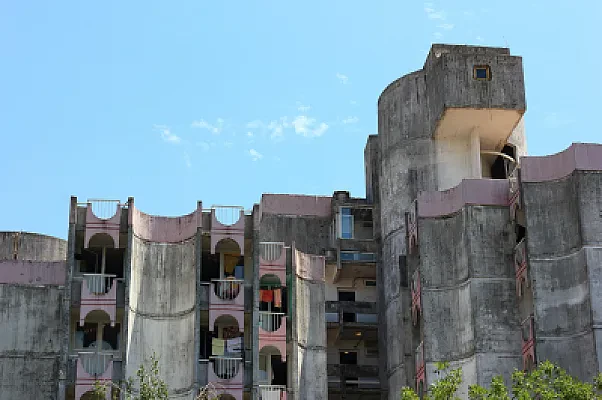
View of the Klaipėdos valstybinė kolegija / Higher Education Institution campus
1 / 2

Klaipėdos valstybinė kolegija / Higher Education Institution, a college founded in 2002, is based in Klaipėda, Lithuania. The institution operates as a higher-education provider and contributes to higher-education provision in Lithuania.

Klaipėdos valstybinė kolegija / Higher Education Institution runs a broad programme catalogue across multiple qualification levels, with teaching organised under its academic units. The breadth of its catalogue serves a varied applicant profile.

Location & Contact

Where Klaipėdos valstybinė kolegija / Higher Education Institution sits geographically, plus the contact channels students use during admissions. Alumni-office inquiries are separate from admissions and have their own contact page.

Map:
Social Media:

Programs Offered

Below are Klaipėdos valstybinė kolegija / Higher Education Institution's active programmes grouped by degree level, with search. Use the filter to narrow by keyword and the level groupings to compare options at the same qualification tier.

Bachelor's Degree

28 programmes

There are 28 programmes to choose from at Klaipėdos valstybinė kolegija / Higher Education Institution for undergraduates. A bachelor's degree builds the broad disciplinary foundation most employers and postgraduate courses expect.

Social Work Socialinis darbas Social Sciences & Education 3 years On-campus
Objective(s) of a study programme: to train social workers who can apply the knowledge and skills of social work professionally and creatively in the constantly changing society providing social assistance for different client groups undertaking obligations for social justice, person ‘s rights and professional ethics. Learning outcomes: Graduates will be able to: 1. Integrates social work and other sciences to identify needs for social services based on sustainable development principles. 2. Is able to analyze research data using social work knowledge and practice. 3. Adapts the most appropriate intervention strategy based on an analysis of the client's situation and client system. 4. Applies a range of social work methods to clients. 5. Develops an assistance plan by mobilizing and using human, financial and other resources. 6. Develops an action plan to mobilise and empower the community. 7. Is able to assign roles to other helping professions in an interdisciplinary setting. 8. Selects the most effective methods of communication when working with the client and the client system. 9. Is able to reflect on professional practice through theoretical knowledge and practical experience. Activities of teaching and learning: (The study programme) is oriented to the development of generic and specialist competences and creativity: lectures, seminars, discussions, individual and group projects, practice, case studies, public presentation and defense of projects, mind-maps, problem-solving reading, writing articles, information search and systematizing, etc. Methods of student achievement assessment: The assessment of the learning outcomes of the study programme is carried out during the semester and the examination session applying a cumulative assessment system. During the semester, the learning outcomes are assessed by means of interim assignments: tests, individual and group projects, case studies, information search and systematizing, discussions, essays, independent creative tasks, seminars, term papers, practice reports, examinations, final projects and/or qualifying exams. Framework: Study subjects (modules), practical training: Study subjects (130 credits): Philosophy, Academic and Professional literacy, professional foreign language, Human rights in Social Work, Human behavior in the Social Environment, Volunteering and Experiential learning, General and Development Psychology, Team Work in Social Work, Labor and Social Security Law, Introduction into Social Work and Professional Ethics, Social Research Methods, Social Policy, Theoretical Models of Social Work, Social Entrepreneurship, Methods of Social Work I, Social Services, Social Psychology, Spirituality in Social Work, Methods of Social Work II, Term Paper on Social Work with Clients, Technologies providing assistance, Supervision and InterVision, Social innovation, Social Gerontology, Vocational communication and document management, Integration of people with disabilities, Social work with vulnerable groups, Social Services Management, Crisis Management in Social Work, Media in Social Work, Social Work in the Health Care System, Sociology. Alternative subjects: Assistive Technology/Digital Social Wellbeing; Spirituality in Social Work/ Existential Approach in Social Work. Optional subjects (6 credits). Practices (35 credits): Cognitive Practice, Institutional Social Work Practice, Practice in Social Work With Cases. Graduation Paper (9 credits). Specializations: - Optional courses: It is possible: - to select optional subjects; - to select alternative subjects. Distinctive features of a study programme: Students are encouraged to acquire international study experience of social work when choosing studies abroad (from 1 semester to 1 academic year through the exchange programs). General competences and subject competences (ability to solve complex problems, critical thinking, creativity, human resource management, teamwork, emotional intelligence, decision making reception, service orientation, negotiation skills) are promoted and deepened in non-formal way (professional practice, competitions for mastery, national and international project activities). Access to professional activity or further study: Access to professional activity: Graduates will be able to work as social workers in social security, education and health institutions, law and order institutions, public, non-governmental or private sectors Access to further study: Access to the second cycle studies upon meeting requirements set by the accepting higher education institution.
Duration: 3 years
Delivery: On-campus
Smart Building Engineering Systems Išmaniųjų pastatų inžinerinės sistemos Engineering & Technology 3 years On-campus
Objective(s) of a study programme: To educate highly qualified specialists in Smart Building Engineering Systems who are capable of independently designing, installing, maintaining, and modernizing advanced heating, ventilation, air conditioning, water supply, and wastewater disposal systems, as well as automated building management systems; applying artificial intelligence solutions, BIM technologies, and digital design tools to optimise engineering solutions and construction processes; and who are prepared to think critically and creatively, analyse data, make well-founded decisions, and pursue entrepreneurial or self-employed activity in a continuously changing technological environment. Learning outcomes: 1. Applies fundamental knowledge of mathematics and natural sciences to understand and analyse the operation of Smart Building Engineering Systems, their interaction with the environment, and to ensure sustainability and balanced development. 2. Applies essential field-specific knowledge—grounded in the latest scientific and technological advances—by implementing innovative solutions in practice and addressing complex technical and energy-related problems in building systems. 3. Analyses and solves structural, operational, and design-related problems of Smart Building Engineering Systems by applying general engineering and construction engineering knowledge as well as modern analytical and modelling methods. 4. Conducts research in Smart Building Engineering Systems using experimental, laboratory, and production equipment; processes test results; and formulates practical conclusions by employing information technologies, specialised software, and databases. 5. Analyses and plans processes and products related to *Smart Building Engineering Systems, understands and interprets the obtained results, and evaluates their impact on system efficiency and sustainability. 6. Designs and digitalises Smart Building Engineering Systems by applying specialised software for process analysis and data management, considering technical, economic, and environmental requirements. 7. Communicates and collaborates with specialists from various fields and with the public when addressing tasks related to Smart Building Engineering Systems; works independently and in teams; and responsibly evaluates the quality of individual and team performance in accordance with professional ethics and civic responsibility. 8. Plans and manages projects related to Smart Building Engineering Systems, understanding key principles of project implementation and management, and communicates with the engineering community and society in correct Lithuanian and at least one foreign language. 9. Engages in lifelong learning in the field of Smart Building Engineering Systems; independently develops professional knowledge and practical skills; recognises moral responsibility for the societal, economic, and cultural impacts of engineering decisions and for environmental sustainability; upholds principles of professional ethics; and contributes to the sustainable and innovative development of engineering systems. Activities of teaching and learning: The programme is oriented towards practice-based learning and includes laboratory work using modern equipment, analysis of real design scenarios, and professional placements in companies. Teaching and learning methods include lectures, seminars, discussions, individual and group design projects, practical workshops, case studies, public presentation and defence of assignments, concept mapping, problem-based reading, preparation of scientific articles, information search and systematisation, and other activities. This provides the conditions to acquire practical competencies required to address current challenges in the design, installation, and operation of contemporary smart buildings. Methods of student achievement assessment: The assessment of the learning outcomes of the study programme is carried out during the semester and the examination session applying a cumulative assessment system. During the semester, the learning outcomes are assessed by means of interim assignments: tests, individual and group projects, case studies, information search and systematizing, discussions, essays, independent creative tasks, seminars, term papers, practice reports, examinations, final projects and / or qualifying exams. Framework: Study subjects (modules), practical training: Mathematics, Applied Electrical Engineering, Construction and Engineering Materials, Fundamentals of Construction, Computer-Aided Design, Building Engineering Systems, Physics, Applied Mechanics, Geodesy, Building Structures, Legal Regulation of Construction, Environmental and Human Safety, Mechanics of Soils, Fluids and Gases, Electrical Networks in Buildings, Building Information Modeling, Heating, Ventilation and Air Conditioning Systems, Construction Technology and Organization, Operation of Engineering Systems, Building Water Supply and Drainage, Construction Project Management, Smart Engineering Systems, Smart Building Management Systems, Information Modeling of Building Engineering Systems, Pricing and Optimization of Engineering Networks, Renewable Energy Sources, A1 Efficient Energy Use, A2 Digitization of Engineering Networks, A1 Renewable Energy Source Installation Technologies, A2 Modernization of Engineering Network Management. Elective courses (6 credits). Professional practice (41 credits): Practice in building engineering systems, Practice in building water supply, drainage, and HVAC technology, Practice in smart building systems management, Final practice. Final thesis (12 credits). Specializations: - Optional courses: It is possible: - to select optional subjects (6 credits); - to select alternative subjects (8 credits). Distinctive features of a study programme: During their studies, students focus on the application of BIM technologies, digital design and modeling tools, and artificial intelligence solutions that enable the optimization of engineering solutions, construction, and building operation processes throughout the entire life cycle of a building. Students develop the ability to analyze and manage data, apply advanced building management algorithms, predict energy consumption, and ensure the efficient and sustainable operation of engineering systems. Access to professional activity or further study: Access to professional activity: Graduates will be able to pursue careers as HVAC engineers – designers, supervisors, project engineers, installers – foremen in various HVAC companies and organizations. They will have an excellent opportunity to start their own private businesses. Access to further study: Access to the second cycle studies upon meeting requirements set by the accepting higher education institution.
Duration: 3 years
Delivery: On-campus
Construction Engineering Statybos inžinerija Engineering & Technology 3 years On-campus
General Description: Objective(s) of a study programme: The aim of Professional Bachelor study programme of Construction Engineering is to prepare highly qualified construction engineers, who are able to assess the building materials, product characteristics, field of application and modern construction technologies and who are able to use the most advanced design and modeling systems of construction information as well as organizing of construction works and preparation of estimated outlay documentation. Learning outcomes: The graduate of Construction Engineering programme will be able to: 1. Know and apply common patterns and laws of natural sciences and mathematics in civil engineering. 2. Know, understand and apply the key concepts of the study field of civil engineering. 3. Analyze problems related to construction activity by planning their solution strategies. 4. Interpret the processed data to solve the problems of innovation in construction. 5. Collect independently, analyze, process and interpret data necessary problem solving in implementing innovations in the area of construction. 6. Recognize and apply professional solutions in order to achieve balance in terms of costs, benefit, safety, quality, reliability, suitability for use and environmental impact. 7. Find and interpret professional information in databases and scientific and engineering information sources. 8. Conduct experiments by using laboratory equipment, process and produce practical conclusions on the findings in the area of civil engineering. 9. Prepare the structural part of a project and choose optimum construction methods taking into consideration the construction environment, aesthetic and architectural aspects, economic factors and anticipated maintenance conditions. 10. Apply of International, European and Lithuanian regulatory technical construction documents and standards in the designing of buildings and construction process. 11. Plan and organize of the construction process, while ensuring quality of works and environmental and human safety. 12. Use of information technology and basic software, employment of applications in the designing of buildings and preparation of estimate documentation. 13. Apply creative, innovative and reasonable thinking, ability to solve problems of civil engineering and handle issues individually and in a team. 14. Know the key processes of construction project implementation and management, planning and organisation of activities of a construction company/subsidiary. Activities of teaching and learning: The Construction Engineering study programme is oriented to the development of generic and specialist competences and creativity: lectures, seminars, discussions, individual and group projects, practice, case studies, public presentation and defense of projects, mind-maps, problem - solving reading, writing articles, information search and systematizing, etc. Methods of student achievement assessment: The assessment of the learning outcomes of the study programme is carried out during the semester and the examination session applying a cumulative assessment system. During the semester, the learning outcomes are assessed by means of interim assignments: tests, individual and group projects, case studies, information search and systematizing, discussions, essays, independent creative tasks, seminars, term papers, practice reports, examinations, final projects and / or qualifying exams. Framework: Study subjects (modules), practical training: Study subjects (124 credits): Mathematics, Professional foreign language (English), Standard of language, Construction materials, Geodesy, Basics of construction, Engineering and special graphics, Physics, Applied mechanics, Methodology of applied research, Constructions of buildings, Building Information Modeling, Regulation of construction law, Construction work technology, Environmental and human safety, Geotechnical, Engineering systems of buildings, Basic principles of construction calculations, Construction Business Economics, Construction Project Management, Energy efficiency research for buildings, Industrial building construction A1, Structural Modeling in BIM A1, Building Reconstruction and Repair Technologies A2, Building repair and structural reinforcement technologies A2, Construction organization. Optional subjects (6 credits). Practices (38 credits): Manufacturing of Construction Materials, Construction Works, Construction Business, Construction Technology, Construction Work Organization, Final Practice. Graduation Paper (12 credits). Specializations: - Optional courses: It is possible: - to select optional subjects; - to select alternative subjects. Distinctive features of a study programme: During the study process students are able to evaluate the properties of building materials, products, field of application and are able to apply in the design and construction of structures; they use advanced design technologies and information modeling systems for designing and building information design of constructional works, are able to preparation of cost estimates; plans and organizes the construction works applying modern construction technologies and modern methods of management of construction. Access to professional activity or further study: Access to professional activity: Graduates will be able to pursue a career in construction engineers: construction work executives, technical maintenance of building construction, Estimators in various construction, design companies and public organizations. Have a great opportunity to create a private business. Access to further study: Access to the second cycle studies upon meeting requirements set by the accepting higher education institution.
Duration: 3 years
Delivery: On-campus
Automobiles Transport Engineering Automobilių transporto inžinerija Engineering & Technology 3 years On-campus
General Description: Objective(s) of a study programme: To train up highly qualified transport engineers to be competent to perform effectively in various enterprises of transport sector, independently manage and implement processes of vehicle technical service, diagnostics and repair, applying innovative technologies and organizational means. Learning outcomes: The graduate is able to: 1. Explain vehicle and machine constructions, principles of their operation and exploitation, features of construction and exploitation materials and their applicability in engineering decisions. 2. Is able to identify general physical and chemical processes and apply methods of engineering calculations and ways of use and control technical equipment. 3. Analyze modern automobile systems and evaluate their exploitation characteristics dependent on traffic, road and weather conditions. 4. Apply knowledge and understanding when analyzing engineering tasks and choosing appropriate methods, as well as experimental, laboratory and technological equipment for solving it. 5. Design technological processes of automobile technical exploitation while using basic and specialized software and satisfy the quality of performance. 6. Solve tasks of automobile diagnostics, technical maintenance, current repair and repair technologies design as well as tasks of exploitation while assessing science and technology innovations. 7. Carry out experimental and applied research activities using laboratory, manufacturing and software equipment, to analyze and evaluate experiment and laboratory works results and to give conclusions 8. Evaluate business environment and to prepare company’s technological project of automobile technical maintenance, to plan and organize company/subdivision activities as well as to analyze its performance results. 9. Perform creatively and responsibly in muti-profiled groups while evaluating and solving various tasks of vehicle technical maintenance and repair and other professional activities. 10. Learn to analyze independently problems of vehicle technical maintenance and repair developing her/his knowledge in the field of transport engineering. Activities of teaching and learning: The study programme is oriented to the development of general and special competences and creativity: lectures, seminars, discussions, individual and group projects, practice, case studies, public presentation and defense of projects, mind-maps, problem - solving reading, writing articles, information search and systematizing, etc. Methods of student achievement assessment: The assessment of the learning outcomes of the study programme is carried out during the semester and the examination session applying a cumulative assessment system. During the semester, the learning outcomes are assessed by means of interim assignments: tests, individual and group projects, case studies, information search and systematizing, discussions, essays, independent creative tasks, seminars, term papers, practice reports, examinations, final projects and / or qualifying exams. Framework: Study subjects (modules), practical training: Study subjects (124 credits): Professional Communication, Mathematics, Physics, Engineering Materials, Engineering and Computer Graphics, Road Vehicles, Sustainable transport, Commercial Transport, Professional English Language, Internal Combustion Engines, Engineering Mechanics, Basics of electrical engineering, Methodology of Applied Researches, Consumables Materials and Liquids, Automobile electrical and electronic equipment, Automobile Diagnostics and maintenance technologies, Electronics and automation, Technological Equipment, Automobile Repair Technologies, Automobile Service Company Designing, Automobile control systems, Automobile Flaw Detection and Technical Expertise / Transport law, Theory of Automobile, Diagnostics and maintenance of electric automobiles, Economics and management of transport companies, Traffic safety / Traffic engineering, Hydraulic and Pneumatic Systems, Environmental and human safety, Transport logistics/ Transport systems, Alternative energy automobile / Smart technologies in automobiles. Optional subjects (6 credits). Practices (38 credits): Practice of Automobiles Equipment, Practice of Work Organization at Cars’ Service Enterprises, Practice of Commercial Transport Service Technologies, Practice of Automobiles Service Technologies, Final Practice. Graduation Paper (12 credits). Specializations: - Optional courses: It is possible: - to select optional subjects; - to select alternative subjects. Distinctive features of a study programme: Automobiles Transport Engineering study program provides opportunities for students to acquire exceptional practical skills at the Center of Practical Training and Applied Researches in the field of Transport Engineering modeling real automotive service's activities. Access to professional activity or further study: Access to professional activity: Graduates will be able to work in car maintenance, repair, automotive or spare parts trading, insurance companies, traffic management organizations, technical inspection stations, state road transport inspection, stevedoring companies, transport terminals and other companies involved in transport sector as engineers, technicians or managers, assistants of managers or their deputies, heads of departments or branches in Lithuania or abroad. Some of them having acquired experience will be able to set up their own companies and create workplaces. Access to further study: Access to the second cycle studies upon meeting requirements set by the accepting higher education institution.
Duration: 3 years
Delivery: On-campus
Tourism Business Turizmo verslas Business & Management 3 years On-campus
General Description: Objective(s) of a study programme: To prepare tourism business specialist capable of creating and developing innovative, insightful, sustainable, and socially responsible tourism business in changing market conditions, applying scientific and technological innovations in creating and managing tourism products, conducting research in the field of tourism and recreation, creatively solve theoretical and practical tourism business problems in an intercultural environment. Learning outcomes: The study programme graduate: The study programme graduate: 1. Knows and understands the basic concepts and principles of tourism and recreation, and applies them in practical tourism and recreation organization activities. 2. Understands the principles of tourism and recreation business organization, the characteristics of hospitality, and understands, analyzes, and evaluates business environment factors. 3. Understands the principles of business, management, accounting, tourism (and recreation) service marketing, tourism logistics, and communication, and is able to apply them to ensure business development. 4. Applies legislation regulating the tourism business, methods and methodologies for organizing leisure and entertainment, organizing and conducting excursions and trips, and providing and managing accommodation services. 5. Applies methods of research of tourism and leisure services and tourism resources, allowing to recognize, analyze, and evaluate the environment of this field and the processes taking place in it. 6. Conducts applied research on tourism and leisure business entities and their activities, formulates conclusions of analysis and empirical research, and substantiates them. 7. Uses the possibilities offered by information technologies, systems, and databases and works with programs that manage travel and leisure planning and accommodation services. 8. Understands and carries out the economic and financial activities of tourism and leisure businesses, develops tourism products and services, and ensures their viability and development. 9. Analyzes and evaluates the tourism resources of Lithuania and other countries, their geographical, cultural, and economic characteristics, prepares a tourism business project, and organizes its implementation. 10. Performs team and group work tasks in accordance with the principles of creativity and cooperation with specialists from different fields in a local and international environment, communicating in the national and foreign languages. 11. Carries out activities in accordance with the principles of social justice, sustainable development, environmental protection, and social responsibility, professional ethics, and citizenship. 12. Critically evaluates and reflects on personal development and professional activities, independently and responsibly performs assumed or assigned functions. Activities of teaching and learning: Tourism Business is oriented to the development of generic and specialist competences and creativity: lectures, seminars, discussions, individual and group projects, practice, case studies, public presentation and defense of projects, mind-maps, problem-solving reading, writing articles, information search and systematizing, etc. Methods of student achievement assessment: The assessment of the learning outcomes of the study programme is carried out during the semester and the examination session applying a cumulative assessment system. During the semester, the learning outcomes are assessed by means of interim assignments: tests, individual and group projects, case studies, information search and systematizing, discussions, essays, independent creative tasks, seminars, term papers, practice reports, examinations, final projects and / or qualifying exams. Framework: Study subjects (modules), practical training: Study subjects (120 credits): Tourism Information Systems and Media, Communication Psychology and Professional Communication, Management, Basics of Tourism and Leisure, Tourism Marketing, Business Foreign Language 1 (English, German), Geographic Information Systems, Economics, Tourism Resources, Lithuanian Cultural History and Heritage, Methodology of Applied Research, Business Mathematics and Statistics, Business Foreign Language 2 (English, German, Russian), Regenerative Tourism and Responsible Travel, Travel Geography and Logistics, Accounting and Finance, Hospitality Management, Travel and Experience design, Digital Marketing, Event Planning and Management, Business Law and Ethics, Tourism Business Planning and Organization, Sales Techniques and Models, Project Management, Term paper Elective Subjects (6 credits). Practices (45 credits): Introductory Internship in a Company, Practical Training in Tourism Service Management Programs, Professional Internship in a Business Company, Internship in a Simulated Enterprise, Final Internship. Graduation Paper (9 credits). Specializations: - Optional courses: It is possible: to select elective subjects. Distinctive features of a study programme: Relevant subjects of study meeting the demand for skillful specialist training, interactive methods of study, development of entrepreneurial skills, work with tourism services management programmes and practical training in tourism companies. Access to professional activity or further study: Access to professional activity: Tourism business specialists will be able to work in tourism companies, to set up and run a tourism business, to organize the activities of a company or a department, to manage the staff, prepare tourist travels and organize them, to work in hotels and other accommodation providing enterprises, travel agencies, amusement parks, wellness centres, tourism information centres, or visitor centres of protected areas, and will be able to work as guides and tour leaders, organizers of leisure activities or animators, will be able to create tourism products. Access to further study: Access to the second cycle studies upon meeting requirements set by the accepting higher education institution.
Duration: 3 years
Delivery: On-campus
Management of Organizations Organizacijų vadyba Business & Management 3 years On-campus
General Description: Objective(s) of a study programme: To prepare a modern specialist in management of organizations who is able to understand and apply the principles needed to manage organizations, finance and accounting, as well as documents, to conduct applied researches, to use the information systems, and communication technologies, to implement managerial projects, quality control, social responsibility and ethical principles, to communicate in public space in the official and foreign languages, to take independent decisions and to improve through lifelong learning. Learning outcomes: 1. Describes and analyses the principles of the establishment, performance, administration, and development of organizations and their legal regulation. 2. Knows management theories, principals, functions and is able to apply them in practice. 3. Applies legal provisions in process of organization management. 4. Organizes and carries out applied research in organizations by applying quantitative and qualitative research methods. 5. Analyses, summarises and applies the obtained research data in the activities of organizations. 6. Prepares, accounts, manages and stores organization’s documentation and data. 7. Evaluates and provides suggestions for improvement of planning, organization, leadership, motivation and control function in the organizations. 8. Uses information and communication technologies for internal and external communication of organizations. 9. Implements and improves the practice of quality management, social responsibility and ethics. 10. Communicates in written and spoken modes with stakeholders on professional topics. 11. Performs individual and team work tasks in multicultural working environment. 12. Formulates rational solutions and new ideas, selects measures for adapting to new situations. 13. Reflects on and develops a professional and personal career perspective and takes responsibility for one’s performance. Activities of teaching and learning: Administration of Institutions and Companies study program is oriented to the development of generic and specialist competences and creativity: lectures, seminars, discussions, individual and group projects, practice, case studies, public presentation and defense of projects, mind-maps, problem-solving reading, writing articles, information search and systematizing, etc. Methods of student achievement assessment: The assessment of the learning outcomes of the study programme is carried out during the semester and the examination session applying a cumulative assessment system. During the semester, the learning outcomes are assessed by means of interim assignments: tests, individual and group projects, case studies, information search and systematizing, discussions, essays, independent creative tasks, seminars, term papers, practice reports, examinations, final projects. Framework: Study subjects (modules), practical training: Study subjects (120 credits): Sociology/Philosophy, Administrative Language and Its use, Business Foreign Language 1 (English, German, French), Business Foreign Language 2 (English, German, French, Russian), Psychology, Economics, Basic of Management, Professional Ethics and International Protocol, Creativity Development, Law, IT and Digital Management of Documents, Organization of Business Events, Accounting and Finance, Methodology of Applied Research, Organizational Behavior, Marketing, Sustainable Development of Organizations, Media Communication, Workflow Management, Human Resource Management, Quality Management, Applied Statistics and Data Analitics, Management of Public Institutions, Clients Relationships Management, Project Management, Term Paper. Optional Subject (6 credits). Practices (45 credits): Management Practice, Internship in Simulation Enterprise, Organizational Process Management in an Enterprise, Internship of Computer-based Management Program, Final Practice. Graduation Paper (9 credits). Specializations: - Optional courses: It is possible: - to select optional subjects; - to select alternative subjects. Distinctive features of a study programme: Managerial competences are formed by simulating activities and implementing real projects using specialised and advanced computer management programmes (Microsoft Office, BSSIT, BondHR, Stekas+, Rivile, Simulith, Pen-Worldwide, etc.) and innovative tools for creation of video, audio and content, by adopting the experience of experts from Lithuanian and foreign business and public institutions, and by internships in the whole region of Western Lithuania and abroad within the Erasmus+ programme. Access to professional activity or further study: Access to professional activity: Graduates can administer, coordinate and manage the activities of organisations: develop personnel management systems, manage material and financial resources, manage information and documents. Graduates of this study programme can work in a variety of business enterprises, state and public institutions, and create their own business using the knowledge acquired during their studies. Access to further study: Access to the second cycle studies upon meeting requirements set by the accepting higher education institution.
Duration: 3 years
Delivery: On-campus
Sales management Pardavimų vadyba Business & Management 3 years On-campus
Objective(s) of a study programme: To prepare modern sales managers capable of managing sales processes, building and developing customer relationships, making data-driven decisions, using digital technologies, solving practical sales problems, and continuously improving through lifelong learning. Learning outcomes: 1. Has a solid understanding of the fundamentals of finance, marketing, accounting, human resource management, and communication, and is able to apply them in practice. 2. Applies legal provisions and management knowledge to manage and improve management processes. 3. Organizes and conducts applied research using both quantitative and qualitative research methods. 4. Analyzes, synthesizes, and applies research data in organizational and professional activities. 5. Analyzes the market, consumer behavior, and competitive environment in order to make informed sales decisions. 6. Executes sales activities and evaluates their results, providing recommendations to improve sales effectiveness. 7. Applies sales technologies within the context of organizational operations. 8. Applies professional ethics, quality management, and sustainability principles in the sales management process. 9. Communicates in writing and orally with specialists in various fields and representatives of groups on topics related to professional activities. 10. Is able to work individually and in a team in a multicultural work environment. 11. Formulates rational decisions and new ideas, selects measures to adapt to new situations. 12. Reflects on and creates a perspective for professional activity and personal career, and takes responsibility for the results of their activities. Activities of teaching and learning: Focused on developing general and specific competencies and fostering creativity: lectures, seminars, discussions, individual and group project work, practical workshops, case studies, public presentation and defense of works, concept mapping, problem-based reading, preparation of scientific articles, information search and systematization, etc. Methods of student achievement assessment: The assessment of the program's learning outcomes is carried out throughout the semester and during the exam session using cumulative assessment. Study results during the semester are assessed through interim assessments: tests, individual and group project work, testing, case studies, information search and systematization, discussions, essays, independent creative tasks, seminars, coursework, internship reports, exams, and final thesis. Framework: Study subjects (modules), practical training: Study subjects (120 credits): Business Communication, Business Foreign Language, Psychology, Economics, Management, Business Ethics, Public Speaking and Presentations, Sales Fundamentals, Marketing, IT Communication, Law, Sales Logistics, Project Management, Business Event Management, Procurement Management, Digital Marketing, Accounting and Finance, Applied Research Methodology, Sales Techniques and Models, Customer Behavior, Sales Psychology, Business Negotiation Management, Quality Management, Applied Statistics and Data Analytics, E-commerce, Coursework. Elective subjects (6 credits). Internships (45 credits): Management internship, Business project internship, Digital sales technology internship, Sales skills training, Final internship. Graduate Paper (9 credits). Specializations: - Optional courses: It is possible: - to select optional subjects; - to select alternative subjects. Distinctive features of a study programme: The program combines sales psychology, digital solutions, and real business practices. Upon completion of their studies, graduates will be able to independently manage the entire sales process—from initial contact to building long-term relationships. Sales managers will have not only theoretical but also real practical skills, as the study process will include real projects with business companies, sales simulations, negotiation practice, and integrated practice in business organizations. The program focuses on a specific skill that is in high demand in the market – the ability to generate revenue and create long-term business value. Lectures are given by social partners from Lithuanian and foreign companies. Internships are carried out throughout the western region of Lithuania and abroad under the Erasmus+ program. Access to professional activity or further study: Access to professional activity: Graduates can work as sales managers, business development specialists, export managers, strategic customer managers, e-commerce project managers, customer service or sales team leaders. Graduates of this study program can work in various business companies, state and public institutions, and the international market. Access to further study: Access to the second cycle studies upon meeting requirements set by the accepting higher education institution.
Duration: 3 years
Delivery: On-campus
Logistics Management Logistikos vadyba Business & Management 3 years On-campus
General Description: Objective(s) of a study programme: Prepare a highly qualified manager capable of managing processes and activities related to customer service, transportation, warehousing, reserve management, logistics cooperation. Learning outcomes: 1. Knows the laws of economic science, the principles of business creation and managerial activities, and the functions of management. 2. Understands the management of material, information and financial flows, management of logistics technological processes, and the legal regulation of the activities of companies. 3. Collects and analyzes data necessary for researching the supply and consumption market, determining the demand for logistics services, and optimizing the number of parts of the supply chain, the amount of inventory, and storage and transportation costs. 4. Manages the logistical processes (material, information, financial flows, transportation and storage) and work operations by independently selecting technological, organizational and methodical tools. 5. Organizes and conducts the company's activities taking into consideration the type of activity, environmental conditions and labour, civil and environmental safety requirements. 6. Uses science-based knowledge of logistics operations to manage and improve business processes. 7. Communicates with the company's specialists, co-workers, subordinates, Lithuanian and foreign partners and clients to issue business creation, management and development tasks. 8. Takes responsibility for the quality of their own performance and that of their subordinates in compliance with professional ethics and public spirit. 9. Learns independently, takes and implements decisions following the principles of leadership and cooperation. 10. Knows the role in the system of the company’s logistical activities and takes moral responsibility for the impact of the results on the economic wellbeing of society and the environment. Activities of teaching and learning: Lectures, seminars, exercises, discussions, group work, literature analysis, project preparation, individual tasks, etc. Methods of student achievement assessment: The assessment of the learning outcomes of the study programme is carried out during the semester and the examination session applying a cumulative assessment system. During the semester, the learning outcomes are assessed by means of interim assignments: tests, individual and group projects, case studies, information search and systematizing, discussions, essays, independent creative tasks, seminars, term papers, practice reports, examinations, final projects and / or qualifying exams. Framework: Study subjects (modules), practical training: Study subjects (117 credits): Sociology/Philosophy, IT Communication, Basics of Logistics, Business Mathematics and Statistics, Basics of Management, Occupational Safety, Professional Communication, Sustainable Logistics, Business Foreign Language 1 (English, German, French), Business Foreign Language 2 (English, German, French, Russian), Economics, Applied Research Methodology, Managing Freight and Transport Systems, Marketing and Sales Management, Warehouse Logistics, Entrepreneurship Training, Logistics Digitalization Tools, Accounting and Finance, Business Law and Ethics, Supply Chain Management, Port Logistics, International and Customs Logistics, Term Paper, Quality Management, Logistics Chains Economics, Logistics Business Organization. Optional subjects (6 credits). Practices (48 credits): Introductory Intership, Management Practice, Internship in Simulation Enterprise, Logistic Skills Training Practice, Internship of Logistics Process Management System, Final Practice. Graduation Paper (9 credits). Specializations: - Optional courses: It is possible: to select optional subjects; to select alternative subjects. Distinctive features of a study programme: A number of logistics management information system programmes are used in the study process; 48 per cent of the study credits are allocated to practical training; 80 per cent of the study subjects are directly related to the profession and modern and innovative study methods used in the programme. Access to professional activity or further study: Access to professional activity: Having completed this study programme, the graduates will be able to work as logistics managers in various Lithuanian and international organizations including trade, manufacturing, warehousing, railway, sea, road, and air transport, forwarding and other logistic services providers. Access to further study: Access to the second cycle studies upon meeting requirements set by the accepting higher education institution.
Duration: 3 years
Delivery: On-campus
Midwifery Akušerija Health Sciences 4 years On-campus
General Description: Objective(s) of a study programme: To train midwives, who are able to organise and implement the care for pregnant women/women in delivery/postpartum women, newborn and infant healthcare, monitor women’s reproductive health in all stages of life, offering midwifery services at personal healthcare facilities that hold a valid personal healthcare licence, enabling them to provide midwifery services and (or) services, provided by a team of healthcare specialists that could include a midwives. Learning outcomes: 1. Integrates the knowledge of midwifery and nursing, ethics, natural, social sciences, humanities, and other fields in implementing research-and-practice-based care of pregnant women, women in labour, newborns, post-partum women and women with gynaecological issues; 2. Conducts applied research in the field of midwifery enabling individual lifelong learning and development of evidence-based midwifery; 3. Monitors pregnant women and their babies during normal and pathological pregnancies, using evidence-based methods and advanced healthcare technology; 4. Provides midwives assistance and care for women in labour and their newborn throughout the delivery, as well as the newborn and their mothers after labour individually and in cooperation with a team in case of pathological delivery; 5. Applies training and leadership skills in the professional activities of midwife, individually organising and implementing family reproductive healthcare, midwives assistance, and support for women and their families before labour, during labour and in the post-partum period; 6. Communicates in the professional field and cooperates with a team in providing midwifery assistance and care; 7. Demonstrates critical thinking and a holistic approach to ensure safe and quality assistance and support to women and their families during pregnancy, labour, and post-partum period; 8. Reasons decisions adopted individually and takes responsibility in the professional practice of midwife. Activities of teaching and learning: The study program is oriented to the development of generic and special competences, and creativity: lectures, seminars, discussions, individual and group projects, workshops, case studies, public presentation and defense of projects, mind-maps, problem-solving, writing scientific articles, information search and systematizing, etc. Methods of assessment of learning achievements: The assessment of the learning outcomes of the study programme is carried out during the semester and the examination session applying a cumulative assessment system. During the semester, the learning outcomes are assessed by means of interim assignments: tests, individual and group projects, case studies, information search and systematizing, discussions, essays, independent creative tasks, seminars, term papers, practice reports, examinations, qualifying exams and final projects. Framework: Study subjects (modules), practical training: Study subjects (107 credits): Professional Foreign Language; Philosophical Anthropology; Professional Ethics and Law; Anatomy and Physiology; Microbiology and Hygiene; General Psychology; Midwifery Care and General Nursing; Pathophysiology; Biochemistry. Biophysics. Radiology; Normal Pregnancy, Birth and Postnatal Period; Neonatal Care; Perinatal Nutrition Basics; Reproductive Health and Family Planning; Therapeutic Nursing; Pathologies in Pregnancy; Birth, and Related Diseases I; Prenatal Diagnostics and Basic Ultrasound Training; Child Nursing and Care; Gynecological Diseases; Pathologies in Pregnancy, Birth, and Related Diseases II; Surgery in Gynecology and Obstetrics; Perinatal Psychology; Applied Research in Obstetrics, and Statistics; Critical Conditions in Obstetrics; Organization of Midwife Work and Entrepreneurship; Term Work. Optional subjects (6 credits). Alternative subjects: (3 credists): Advanced Health Education Technologies and E-Health/ Digital health innovations and smart technologies in midwifery Practices (85 credits): Internship of Midwifery Care and General Nursing; Internship of Neonatal Care; Internship of Women with Somatic and Gynaecological diseases; Internship of Perioperative care in Gynaecology; Internship of Emergency Medical Aid and Intensive Care; Internship of Perinatal and Postnatal Care; Internship of Pregnancy Care; Internship of Midwifery Care; Final Professional Internship. Professional Bachelor’s Graduation Paper (9 credits). Specialisations: - Optional courses: It is possible: - to select optional subjects. - to select alternative subjects. Distinctive features of a study programme: Access to professional activity or further study: Access to professional activity: Once qualified as a midwife, you will be able to work as a midwife independently and as part of a team of health professionals, providing services in licensed personal health care facilities and in the community. Access to further study: Graduates will be eligible to apply for postgraduate postgraduate studies in accordance with the procedures laid down by the higher education institution.
Duration: 4 years
Delivery: On-campus
General Practice Nursing Bendrosios praktikos slauga Health Sciences 4 years On-campus
Objective(s) of a study program: To train nurses who are able to independently organize and implement innovative and high-quality care for individuals, families, and the community of various age groups, assess the effectiveness of nursing care, cooperate in a team of health care specialists and with other institutions, pharmaceutical and health care specialists, participate in the implementation of applied research in nursing science and develop nursing practice. Learning outcomes: Graduates: 1. Integrates nursing knowledge, social and other sciences for personal, family and community nursing, based on scientific research and practice. 2. Manages healthcare resources and professional knowledge while ensuring quality, personal oriented nursing. 3 Provides first and urgent medical aid with nursing and medical technologies in cases of acute clinical and life-threatening conditions, crises and disasters, in complex professional situations. 4. Provides assistance to individuals who are in need of care and to their care-givers in accordance with science-based methods and technologies. 5. Applies management and leadership skills to determine nursing needs independently, while planning, executing and assessing nursing 6. Communicates and collaborates with colleagues and other healthcare professionals in implementing the nursing process. 7. Uses critical thinking and holistic approach to teach individuals, families, and groups about preservation of their health as well as disease and trauma prevention. 8. Justifies the value of personal and professional life-long development by developing nursing practice. Activities of teaching and learning: The study program is oriented to the development of generic and special competences, and creativity: lectures, seminars, discussions, individual and group projects, workshops, case studies, public presentation and defense of projects, mind-maps, problem-solving, writing scientific articles, information search and systematizing, etc. Methods of student achievement assessment: The assessment of the learning outcomes of the study programme is carried out during the semester and the examination session applying a cumulative assessment system. During the semester, the learning outcomes are assessed by means of interim assignments: tests, individual and group projects, case studies, information search and systematizing, discussions, essays, independent creative tasks, seminars, term papers, practice reports, examinations, qualifying exams and final projects. Framework: Study subjects (modules), practical training: Study subjects (108 credits): Information Technologies, Philosophical Anthropology, Professional Ethics and Law, Anatomy and Physiology, Microbiology and Hygiene, General Psychology, General Nursing I, Professional Foreign Language (Lithuanian, Pathological Anatomy and Physiology, Biochemistry and Biophysics, General Pharmacology, Health Education and Dietology, Clinical Pharmacology, Medical Nursing, Elderly Care, Health Sociology, Methodology of Nursing Applied Research, Maternaty Care, Surgical Nursing, Medical Rehabilitation, Child Care, Nursing Management and Leadership, Community Nursing, Mental Health Nursing, Emergency and Intensive Care, Nursing Applied Research Design CW, A2 Palliative care / Nursing of infectious diseases, Statistical Research Methods Elective subjects (6 credits). Practices (87 credits): General Nursing Practice, Medical Nursing Practice, Elderly Care Practice Child and Family nursing practice, Pregnancy Care and Midwifery Care Practice, Community Nursing Practice, Surgical Nursing Practice, Mental Health Nursing Practice, Emergency and Intensive Care Practice, Final Practice CQE. Final Thesis (9 credits). Specializations: - Optional courses: It is possible: - to select elective subjects; to select alternative subjects. Distinctive features of a study programme: General Practice Nursing Program is characterized by the integration of theoretical and practical studies. During practical studies, real situations are simulated, which imitate patients and their care in a hospital environment, i.e. real medical environment. The simulation of care procedures enables to create various clinical situations in a student safe environment without any harm to the patient. Artificial patients and body parts, such as mannequins are used. Practical studies are carried out in small groups with a possibility to acquire practical skills not only in clinical simulation laboratories but also in real working environments: hospitals of various profiles, healthcare centers, communities and patient home environment. 50 % of studies is devoted to practical training. Students have a possibility to finish part of the studies abroad. Study programme is distinct for internationality and close cooperation relations with foreign partners. Access to professional activity or further study: Access to professional activity: The graduate is granted with a right to work independently or in the healthcare institutions of various healthcare levels that provide healthcare services for people of various age groups, disabled, families and community. Access to further study: Access to the second cycle studies upon meeting requirements set by the accepting higher education institution.
Duration: 4 years
Delivery: On-campus
Real Estate Measurement Engineering Nekilnojamojo turto matavimų inžinerija Engineering & Technology 3 years On-campus
General Description: Objective(s) of a study programme: The aim of Professional Bachelor study of Real Estate Measurement Engineering program is to prepare highly qualified real estate surveying engineering specialists capable of developing real estate objects, carrying out surveys with modern geodetic instruments, GPS equipment, using stationary 3D scanners and unmanned aerial vehicles (drones), using geoinformation technologies to create 3D digital surface models, using laser technologies and other methods to measure real estate data, carrying out cadastral measurements of buildings and land plots, preparing topographic and geodetic plans of engineering systems.. Learning outcomes: The graduate of Real Estate Measurement Engineering program will be able to: 1. Adapt traditional and innovative measurements engineering techniques and use methods for design & development, combining cost, benefit, safety of humans, quality, and reliability. 2. Apply knowledge of new technologies and solve geodetic, cartographic, spatial information infrastructure and territorial planning challenges. 3. Use methods of mathematical statistical data processing, measurement reliability and uncertainty determination methods, as well as be able to collect, analyze and systematize data. 4. Use measurement information for engineering research and other applied research, design different types of engineering maps and create information data sets. 5. Conduct practical research, planning and designing experiments, starting with problem formulation, selection of research equipment, and evaluation and qualification of results. 6. Make measurements with modern measuring devices, to analyze the results of real estate administration, formation, evaluation methods, that meet Lithuanian and EU standards and regulations. 7. Apply measurements software to solve engineering problems, obtain and process data solutions, produce computer graphics and perform digital projects. 8. Work independently as well as in a team, with a holistic understanding of the impact of engineering decisions on society and the environment, and in compliance with professional ethics and engineering standards. 9. Find out the interfaces of measurement solutions with their economic consequences, to understand the importance of individual lifelong learning and to prepare for it, to be able to communicate with the engineering community and the general public. Activities of teaching and learning: The Real Estate Measurement Engineering study program is oriented to the development of generic and specialist competences and creativity: lectures, seminars, discussions, individual and group projects, practice, case studies, public presentation and defense of projects, mind-maps, problem - solving reading, writing articles, information search and systematizing, etc. Methods of student achievement assessment: The assessment of the learning outcomes of the study programme is carried out during the semester and the examination session applying a cumulative assessment system. During the semester, the learning outcomes are assessed by means of interim assignments: tests, individual and group projects, case studies, information search and systematizing, discussions, essays, independent creative tasks, seminars, term papers, practice reports, examinations, final projects and / or qualifying exams. Framework: Study subjects (modules), practical training: Study subjects (127 credits): Mathematics, Geology, Geoinformatics, Engineering Graphics, Cartography, Mortgage, Spatial Planning, Physics, Professional English, Geographical information systems, Basics of Geodesy, Applied Research, Methodology, Environmental and Human Safety, Computer-Aided Design Systems, Photogrammetry, Remote sensing technologies, Cadastral measurements of real estate, Real estate business development, Topography, Digital maps, Geodetic instruments and measurement processing, Creation of Geo-information systems A1, Georeferenced datasets A1, Information modelling of real estate objects A2, Topographical and engineering infrastructure A2, Real estate law, Cadastral measurements of buildings and engineering structures. Optional subjects (6 credits). Practical training (35 credits): Geo-information systems, Remote sensing technologies, Geodetic surveying and cadastral data identification, Topography, Final professional practice in surveying. Final thesis (12 credits). Specializations: - Optional courses: It is possible: - to select optional subjects. - to select alternative subjects. Distinctive features of a study programme: The study program is fully equipped with the innovative technologies needed for learning: modern software systems, modern measuring instruments and methodological tools. Real Estate Surveying Engineering studies also cover the legal, financial and physical aspects of real estate, ensuring that projects are properly designed, compliant with legal requirements and sustainable, which ultimately adds value to real estate management as a whole. Access to professional activity or further study: Access to professional activity: Graduates of this study program will be able to work in the following areas: work as real estate developers, carry out cadastral surveys of real estate (buildings and land plots), organize and carry out surveys with modern geodetic instruments, GPNS equipment, prepare topographic and geodetic plans, use stationary 3D scanners, scanning surfaces with LiDAR equipment and digital cameras from a low-flying drone, creating 3D spatial models with specialized software systems, creating thematic digital maps using GIS technologies. Access to further study: Access to the second cycle studies upon meeting requirements set by the accepting higher education institution.
Duration: 3 years
Delivery: On-campus
Digital Marketing Skaitmeninė rinkodara Business & Management 3 years On-campus
Objective(s) of a study programme: To educate a highly qualified specialist, of digital marketing who is able to apply contemporary marketing knowledge, to think creatively and critically, in solving theoretical and practical problems in digital marketing, to use digital technologies, to create integrated purposeful and measurable communication and to effectively manage digital marketing tools and to continuously improve their professional competences through lifelong learning. Learning outcomes: 1. Knows digital marketing theories and legal regulation of activities. 2. Perceives the purpose of digital marketing in the company. 3. Identifies digital marketing problems and finds optimal, legally and ethically reasoned solutions. 4. Carries out research and analyzes consumer needs, prospective customer groups, customer loyalty and sales volume. 5. Evaluates the effectiveness of digital marketing in regard to consumers and business. 6. Creates added value of digital marketing in the company. 7. Prepares digital marketing communication plans and strategies to meet the objectives of a company. 8. Manages digital marketing communication tools and dissemination channels. 9. Communicates in mother and foreign language tongues in spoken and written modes in professional environment. 10. Applies professional knowledge working independently and collectively when organizing one‘s own work and that of divisions or setting up a business. Activities of teaching and learning: (The study programme) is oriented to the development of generic and specialist competences and creativity: lectures, seminars, discussions, individual and group projects, practice, case studies, public presentation and defense of projects, mind- maps, problem - solving reading, writing articles, information search and systematizing, etc. Methods of student achievement assessment: The assessment of the learning outcomes of the study programme is carried out during the semester and the examination session applying a cumulative assessment system. During the semester, the learning outcomes are assessed by means of interim assignments: tests, individual and group projects, case studies, information search and systematizing, discussions, essays, independent creative tasks, seminars, term papers, practice reports, examinations, final projects and / or qualifying exams. Framework: Study subjects (modules), practical training: Study subjects (111 credits): Psychology of Communication, Business Ethics, Economics, Marketing, Consumer Behavior Online, Creativity Development, Business Communication, Professional Foreign Language 1 (English, German), Digital Content Management, Basics of Digital Marketing, Media Communication and Management, Methodology of Applied Research, Creative Writing, Digital Advertising and Sales Promotion, Graphic Design, Business Law, Digital Branding, Digital Marketing Research, Video Technology, Term Paper, Business Statistics, Customer Relationship Management, Prising and Marketing Finances, Mobile Marketing. Optional Subjects (6 credits). Practices (54 credits): Introductory Specialist Practice in a Company, Internship of Electronic Commerce, Internship in Simulation Enterprise, Specialised Skills Training Practice, Internship of Planning of Integrated Marketing Communication, Final Practice. Graduation Paper (9 credits). Specializations: - Optional courses: It is possible: - to select optional subjects. Distinctive features of a study programme: Digital Marketing is an innovative and modern professional bachelor's degree programme that reflects the trends of one of the most promising areas of marketing. The development of digital marketing is gaining speed on the market, so that specialists with relevant practical skills in this field have broad professional prospects in the local and international market. Access to professional activity or further study: Access to professional activity: The graduates will be able to work as marketing (digital/traditional) specialists in a variety of national and international business environments – from small businesses to large companies, in nonprofit organizations, state public institutions and to start their own businesses. Access to further study: Access to the second cycle studies upon meeting requirements set by the accepting higher education institution.
Duration: 3 years
Delivery: On-campus
Physiotherapy Kineziterapija Health Sciences 3 years On-campus
General Description: Objective(s) of a study programme: To train highly qualified physiotherapy specialists who are able to provide personal health care services to clients of different age independently or in a team of rehabilitation specialists, including functional and physical examination, treatment by movement and physical factors, prevention and promotion of healthy lifestyle. Learning outcomes: 1. Performs a person’s physiotherapy examination, collects and critically evaluates patient-related information 2. Prepares a physiotherapy program based on a physiotherapy diagnosis 3. Performs physiotherapy procedures and exercises based on ethical, deontological and legal context 4. Evaluates the effects of physiotherapy procedures, makes changes and terminates procedures if the patient’s condition so requires 5. Collaborates with personal health care professionals and other individuals involved in the treatment process while solving health problems. 6. Carries out research in professional activities based on evidence-based science and practice-based physiotherapy 7. Able to apply leadership and management skills in planning and providing quality physiotherapy services Activities of teaching and learning: (Physiotherapy study programme) is oriented to the development of generic and specialist competences and creativity: lectures, seminars, discussions, individual and group projects, practice, case studies, public presentation and defense of projects, mind-maps, problem - solving reading, writing articles, information search and systematizing, etc. Methods of student achievement assessment: The assessment of the learning outcomes of the study programme is carried out during the semester and the examination session applying a cumulative assessment system. During the semester, the learning outcomes are assessed by means of interim assignments: tests, individual and group projects, case studies, information search and systematizing, discussions, essays, independent creative tasks, demonstration of practical skills, seminars, term papers, practice reports, examinations, final projects and / or qualifying exams. Framework: Study subjects (modules), practical training: Study subjects (117 Credits): Professional foreign language, Health Psychology, Professional Ethics and Bioethics, Administration of physiotherapy services, Emergency aid and pharmacology, Applied research methodology and statistics, Anatomy and Physiology I, Movement Science I, Pathological anatomy and physiology, Anatomy and Physiology II, Movement Science II,, Rehabilitation basics, Massage, Physical agents in Physiotherapy, General Physiotherapy and Functional Diagnostics, Health Educology, Ergonomics and Preventive Physiotherapy, Physiotherapy Techniques, Physiotherapy in Internal Diseases, Physiotherapy in Obstetrics and Gynecology, Physiotherapy in Surgery, Orthopaedics and Traumatology, Sports physiotherapy/Digital Health Technologies, Physiotherapy in Pediatrics, Physiotherapy in Neurology, Physiotherapy in Applied Research Desing (TP). Optional subjects (6 Credits). Practices (48 Credits): Cognitive Internship in Physiotherapy, Internship in Internal diseases, Physiotherapy Internship in Traumatology, Surgery and Orthopaedics, Physiotherapy Internship in Pediatrics, Physiotherapy Internship in Neurology, Final Internship in Physiotherapy. Graduation Paper (9 credits). Specializations: - Optional courses: It is possible: - to select optional subjects. Distinctive features of a study programme: The study program is unique, focused on the development of practical skills and the ability to organize and conduct private activities. The seaside region has a lot of medical and wellness facilities where the students practice and after study get the work. Access to professional activity or further study: Access to professional activity: Graduates may work in institutions with a valid personal healthcare license to provide physiotherapy services and / or other personal health care services, social rehabilitation and rehabilitation, education and training institutions, care and nursing facilities, health and fitness centers and clubs, orthopedic products and technical equipment admission to institutions and private practice. Access to further study: Access to the second cycle studies upon meeting requirements set by the accepting higher education institution.
Duration: 3 years
Delivery: On-campus
Software Engineering Programų sistemos Computer Sciences 3 years On-campus
Objective(s) of a study programme: The aim of the study program is to train specialists capable of professionally developing, implementing, and maintaining software systems by applying modern technologies and software development principles, effectively addressing challenges related to software system development, continuously improving their skills, working both independently and in teams, and adhering to professional, ethical, and legal standards. Learning outcomes: 1. Knowledge and its application 1.1. Explain the fundamental facts, concepts, theories, and mathematical methods related to computer operations, computer hardware and software, their properties, and practical applications, as well as computer communication and applied solutions associated with significant historical, current, and potential future developments and trends in the field of informatics. 1.2. Explain the principles of algorithm creation and analysis, programming paradigms, languages and technologies, human-computer interaction principles, typical software lifecycle stages, and software development and maintenance methods. 1.3. Explain how business, industrial, economic, and social contexts affect professional practices, defined by ethical norms and regulated by legal requirements, including data protection, intellectual property rights, contracts, product safety, liability, and related issues. 1.4. Apply knowledge from the field of informatics to develop secure and relevant applied solutions for specific professional problems. 1.5. Explain software system specification, design, testing, and documentation, as well as software engineering management, processes, models, and methods. 2. Research skills 2.1. Describe a professional problem in the field of software systems. 2.2. Prepare data and information required to solve a specific professional problem in the field of software systems from various sources. 2.3. Analyse data, information, and solutions needed for solving a specific professional problem in the field of software systems according to specific criteria. 2.4. Evaluate data and information needed to solve a professional problem in the field of software systems and justify solutions with reasoned conclusions. 3. Special skills 3.1. Apply software lifecycle models, development, maintenance, and project management methods, standards, development environments and tools, programming paradigms, and algorithms in typical software system projects. 3.2. Choose appropriate tools for software system development and maintenance, applicable at lifecycle stages and for project management. 3.3. Model functional and non-functional requirements for a software product or service. 3.4. Design the architecture, components, user interface, and testing programs for a software system according to functional and non-functional requirements. 3.5. Prepare specifications, designs, and other documentation necessary for creating, deploying, developing, using, and administering a software product or service. 3.6. Implement a software product or service for addressing a specific professional problem according to functional and non-functional requirements. 3.7. Verify the quality of the software system, its components, and the user interface. 4. Social skills 4.1. Communicate professionally in the national language and at least one foreign language with specialist audiences. 4.2. Work in teams, adhering to the principles and rules of professional and ethical behaviour and social responsibility. 5. Personal skills 5.1. Learn independently for continuous personal and professional development. 5.2. Work independently and responsibly, taking initiative and personal responsibility. 5.3. Demonstrate creativity in solving professional tasks and problems. Activities of teaching and learning: Focused on the development of general and specific competencies and the cultivation of creativity: lectures, seminars, discussions, individual and group project work, coursework, practical seminars, independent tasks, case studies, public presentations, individual consultations, concept mapping, problem-based reading, preparation of scientific articles, information search and organization, etc. Methods of assessment of learning achievements: The assessment of learning outcomes is conducted throughout the semester and during the exam session using cumulative assessment. Learning outcomes during the semester are evaluated through interim assessments: tests, individual and group project work and presentations, testing, case analysis, information search and organization, discussions, essays, independent creative assignments, seminars, coursework, practice reports, exams, and the final thesis. Framework: Study subjects (modules), practical training: Study subjects (126 credits): Professional Communication, Website Development, Structured Programming, Relational Databases, Computer Architecture, IT Law and Ethics, Professional Foreign Language (English), Advanced Databases, Object-Oriented and Functional Programming, Computer Networks, User Interface Programming, Web Technologies, Operating Systems, Applied Research Methodology, IT Project Management, Cybersecurity, Data Structures and Algorithms, Software Engineering, Software Architecture, Business Analysis and System Modelling, Infrastructure Engineering (DevOps), Mobile Application Development / Multimedia Technologies, Cloud Computing, Agile Software Development, Software Development, Big Data and Data Analytics, Decision-Making Methods, Testing and Quality Assurance Methods, JS Frameworks / C# Frameworks / Python Frameworks / PHP Frameworks / Java Frameworks, Human and Work Safety Elective courses (6 credits). Professional practice (36 credits): Programming Practice, Software Systems Internship, Final Internship. Final thesis (12 credits) Specializations: - Distinctive features of a study programme: The distinctive features of the study program include the comprehensive integration of practical and theoretical knowledge aimed at preparing students for various areas of professional activity. During the program, students gain in-depth knowledge of software system design, development, testing, and maintenance, using various programming paradigms and modern tools. The program emphasizes creativity and problem-solving through project work and practice, involving the creation of real systems and managing their lifecycle stages. Access to professional activity or further study: Access to professional activity: Graduates of the software engineering study programme have broad career opportunities in the IT field. They can work as software developers, systems analysts, testers, or quality assurance specialists. They can design and implementing software systems, creating and maintaining databases, managing IT projects, and developing various applications. Additionally, specialists can work as software architects and participate in complex system design processes, including software lifecycle management and system optimization. Career prospects also include working as IT consultants who communicate effectively with clients and colleagues, providing professional technological solutions. Access to further study: Graduates may pursue further studies in universities in Lithuania and other European countries to obtain a master's degree.
Duration: 3 years
Delivery: On-campus
Pedagogy of Primary Education Pradinio ugdymo pedagogika 3 years On-campus
General Description: To train primary teachers who have a higher education college degree, are ambitious and creative, and able to experiment and use scientific knowledge and contemporary educational technologies in designing and contextualizing educational activities of young learners, communicate and collaborate with all actors in the educational process in interdisciplinary and intercultural environments. Learning outcomes: 1. Knows and applies educational theories (pedagogical, psychological, philosophical, intercultural aspects), which analyze educational activity. 2. Knows planning and management of education, and (self) assessment strategies, methods and technologies. 3. Explains educational policy and its implementation at the organizational, regional and national level. 4. Plans the context of inclusive education. 5. Carries out research using analysis and selection of the research data, visualizing and presenting the results. 6. Applies the results of quantitative and qualitative research to improve the teaching/learning process and prepares recommendations for change. 7. Uses digital literacy skills and information technologies in the teaching/learning process. 8.Creates safe, tolerant, open to change and interactive learning environments which facilitate the learners‘ emotional, social, mental and creative development. 9.Applies educational content, methods and resources taking into consideration the diversity of learners and their educational needs, independence and self-directed learning abilities. 10. Assesses the learners‘ development taking into account individual differences. 11. Establishes communication and collaboration with the learner‘s family and other actors of the educational process in promoting the traditions of preserving Lithuanian culture and nature in an interdisciplinary and multicultural environment. 12. Communicates in the Lithuanian language (oral and written) in an accurate manner, and in a foreign language at C1 proficiency level (Common European Framework of Reference for Languages) for academic and professional purposes while reflecting on and shaping a perspective for professional practice and personal career growth. 13. Demonstrates openness, flexibility, respect, and critical thinking in analysing educational contexts, evaluating national education policy, situations within the educational institution and classroom, and engaging in individual interaction with the learner. Activities of teaching and learning: Primary Education Pedagogy study program is oriented to the development of generic and specialist competences and creativity: lectures, seminars, discussions, individual and group projects, practice, case studies, public presentation and defense of projects, mind-maps, problem-solving reading, writing articles, information search and systematizing, etc. Methods of assessment of learning outcomes: The assessment of the learning outcomes of the study programme is carried out during the semester and the examination session applying a cumulative assessment system. During the semester, the learning outcomes are assessed by means of interim assignments: tests, individual and group projects, case studies, information search and systematizing, discussions, essays, independent creative tasks, seminars, term papers, practice reports, examinations, final projects. Framework: Study subjects (modules), practical training: Subjects study (120 credits): Professional Foreign Language (English, German), Pedagogy of Pre-Primary Education, General and Personality Psychology, Innovative Education in Primary School, Family Pedagogy, Lithuanian Language and Literature Education, Development of Educational Environments, Form Teacher Activity, Pedagogical Thought and Phylosophical Foundations of Education, Moral Education (Ethics), Inclusive Education, Developmental and Special Needs Psychology, Development of Teacher Emotional Intelligence, Life Skills Development, Educational Psychology, Mathematics Education, Information Literacy Development, Natural Science and Social Education, Early Entrepreneurship Education, Methodology of Applied Research, Art and Technology Education, Music Education, Physical Education and Dance, Final Thesis of Studies of Education Subjects, Education Management and Children‘s Rights, The Ethics of Teaching. Optional subjects (6 credits). Practices (45 credits): Preprimary Education Practice, Test Teaching Practice, Teaching Practice in Forms 1 – 2, Teaching Practice in Forms 3-4, Final Teaching Practice. Graduation Paper (9 credits). Specialisations: - Optional courses: It is possible: - to select optional subjects; - to select alternative subjects. Distinctive features of a study programme: The study program is characterized by the interaction of theoretical and practical subjects. The program focuses on the preparation of primary education teachers for work with younger school age children. Lectures are given by foreign scientists, primary school directors, deputy directors and teachers form Lithuanian education institutions. Practices are carried out in the whole region of Western as well abroad under Erasmus+ program. Access to professional activity or further study: Access to professional activity: Graduates will be able to work as preschool and primary education teachers in state, municipal or private primary schools, or primary education divisions in basic schools, secondary schools and schools-kindergartens. Access to further study: Access to the second cycle studies upon meeting requirements set by the accepting higher education institution.
Duration: 3 years
Delivery: On-campus
Pre-School and Pre-Primary School Pedagogy Ikimokyklinė ir priešmokyklinė pedagogika 3 years On-campus
Objective(s) of a study programme: To train pre-school and pre-primary pedagogue who has a background acquired in professional higher education and has an ability to recognize children's general and individual development peculiarities, to determine essential needs of pre-school children and to individualize the ways of meeting them, to plan and organize the activities of pre-school and pre-primary aged children, to create the environment which stimulates physical and mental power of a child as well as to introduce a family into an active pedagogical interaction. Learning outcomes: 1. Knows the general and individual regularities of the child‘s physical, cognitive and psychosocial development, the most common developmental impairments and their causes. 2. Applies a variety of methods, approaches, strategies and technologies of preschool and preprimary education and assessment in the organization of the educational process. 3. Carries out research, analyses and interprets the data, and presents the results. 4. Identifies educational objectives and outcomes, strategies and teaching aids taking into consideration the learners‘ individual progress and achievements. 5. Selects educational content, methods and technologies to engage the children with special educational needs into the educational process taking into account the principles of differentiation and individualization. 6. Creates a safe and tolerant educational environment, engaging learners into interaction and partnership, stimulating the child‘s physical and mental abilities. 7. Identifies the characteristics of the learner‘s family and develops techniques to involve the family into educational interaction and partnership. 8. Develops communication and cooperation with other participants in the educational process in interdisciplinary and intercultural environments adhering to the principles of professional ethics. 9. Makes personal career plans and assumes responsibility for the results of one‘s activity. 10. Uses the Lithuanian language (spoken and written) correctly and a foreign language at B2 proficiency level according to the Common European Framework of Reference for Languages for academic and professional purposes. Activities of teaching and learning: Pre-School and Pre-Primary School Pedagogy study program is oriented to the development of generic and specialist competences and creativity: lectures, seminars, discussions, individual and group projects, practice, case studies, public presentation and defense of projects, mind-maps, problem-solving reading, writing articles, information search and systematizing, etc. Methods of student achievement assessment: The assessment of the learning outcomes of the study programme is carried out during the semester and the examination session applying a cumulative assessment system. During the semester, the learning outcomes are assessed by means of interim assignments: tests, individual and group projects, case studies, information search and systematizing, discussions, essays, independent creative tasks, seminars, term papers, practice reports, examinations, final projects. Framework: Study subjects (modules), practical training: Study subjects (120 credits): Professional Language, Professional Foreign Language (English, German), Pedagogy and Educational Systems, Preschool and Preprimary Education, Family Pedagogy, General Psychology, Information Literacy Development, Developmental and Special Child Psychology, Social and Emotional Skills Training, Educational Games, Language Training, World Studies and Mathematical Education, Inclusive Education, Artistic Expression Education, Music Education, Methodology of Applied Research, Physical Training and Dance in Kindergarten, Final Paper of Pedagogy Studies, Philosophy of Education and Teaching Ethics, Management and Leadership in Preschool Institution, Child's Health Education, Event Organization and Theater Expression Education, Project - based Activities in Preschool Institution Optional subjects (6 credits). Practices (45 credits): Teacher`s Assistant Practice, Test Practice of Learning Activities, Pre-School Teaching Practice, Pre-Primary Teaching Practice, Final Teaching Practice. Graduation Paper (9 credits). Specializations: - Optional courses: It is possible: - to select optional subjects; - to select alternative subjects. Distinctive features of a study programme The study program is characterized by the interaction of theoretical and practical subjects. The program focuses on the preparation of pre-school and pre-primary education teachers for work with pre-school and pre-school children. Lectures are given by foreign scientists, the kindergarten directors, deputy directors and teachers form Lithuanian education institutions. Practices are carried out in the whole region of Western as well abroad under Erasmus+ program. Access to professional activity or further study: Access to professional activity: A graduate – pre-school and pre-primary education pedagogue will be able to work with children from birth until 7 years old in all pre-school and pre-primary educational institutions that provide fostering programmes. Access to further study: Access to the second cycle studies upon meeting requirements set by the accepting higher education institution.
Duration: 3 years
Delivery: On-campus
Dietetics Dietetika Health Sciences 3 years On-campus
Objective(s) of a study programme: To train Dietetic specialists who will apply the principles of nutrition science in a qualified and responsible manner, ensuring the quality of nutrition correction services, identify individual client/patient needs and provide nutrition correction consultations to people with various needs. Learning outcomes: 1. Explains healthiness terminology, meaning and activities, specifies the importance of requirements and applies them to ensure the provision of safe, high-quality, and evidence-based nutrition correction services. 2. Develops a research-based health promotion program and provides scientific evidence-based nutrition adjustment counselling to the members of public with diverse needs. 3. Provides patient/client nutrition care and ensures adequate patient/client nutrition. 4. Controls the quality of raw materials and products and selects food production technology. 5. Analyses the complex relationship between man, environment and food and identifies individual needs of clients / patients. 6. Analyses practical experience in professional activities, constantly learns, teaches, and consult members of the personal health care team. Activities of teaching and learning: Teaching and training activities are focused on the development of general and professional competencies and on the development of creativity: lectures, seminars, discussions, individual and group projects, practice, case studies, public presentation and defense of projects, mind-maps, problem - solving reading, writing articles, information search and systematizing, etc. Methods of student’s achievement assessment: The assessment of the learning outcomes of the study programme is carried out during the semester and the examination session applying a cumulative assessment system. During the semester, the learning outcomes are assessed by means of interim assignments: tests, individual and group projects, case studies, information search and systematizing, discussions, essays, independent creative tasks, seminars, term papers, practice reports, examinations, final projects and / or qualifying exams. Study subjects (modules), practical training: Study subjects (129 credits): Professional Communication, Computer-based Information Management, Dietitian's Work Ethics and Environment, Introduction to Food Science, Food Microbiology and Parasitology, Professional Foreign Language (English), Anatomy and Physiology of the Food Absorption, Food Preparation Technology, Infectious and Non-Infectious Diseases, Food Safety and Quality, Food Chemistry, Public Health, Philosophy/ Communication Psychology, Customer Catering Organization, General Biochemistry and Immunology, Healthy and Sick Child Nutrition, Dietetic Research Methods, Dietetics and Menu Preparation, First Medical Aid, Wellness Resources Nutrigenetics, Customer Nutrition Care, Sustainable Food Production and Sustainable Environment, Nutrition of a Person Participating in Sports, Catering for the Elderly and Old People, Health Law and Management, Clinical Pharmacology, Clinical Dietetics. Elective subjects (6 credits). Practices (33 credits): Introductory Internship, Internship of Client's Menu Arrangement, Final Internship. Graduation Paper (12 credits). Specializations: - Optional courses: It is possible: - to select optional subjects; - to select alternative subjects. Distinctive features of a study programme: KVK is the only higher education institution in the Western Lithuania region that trains dietitians. Dietetics is an exclusive field of study combining various disciplines, such as biology, chemical analysis, physiology, nutritional sciences, to understand the role of food in the human body and the effect of food on human health. Access to professional activity: The graduates of study programme Dietetics work as dietitians in personal and public health care institutions in all levels, which are implementing health care of children and adults. The graduates can also work in regional defense and internal affairs system health care institutions, social care, education institutions, sport centers, rehabilitation and sanatoria treatment institutions, private health care centers, governmental or private public catering institutions. Access to further study: Access to the second cycle studies upon meeting requirements set by the accepting higher education institution.
Duration: 3 years
Delivery: On-campus
Emergency Medical Aid Skubioji medicinos pagalba Health Sciences 3 years On-campus
General Description: Objective(s) of a study programme: To prepare highly qualified emergency medical paramedics who demonstrate the ability to independently and collaboratively assess patient conditions, deliver urgent care in cases of acute and life-threatening situations, and effectively manage emergencies. The training emphasizes adherence to principles that ensure the quality and safety of healthcare services, as well as the application of evidence-based practices. Learning outcomes: Assesses the patient’s condition and identifies acute and urgent health disorders by applying knowledge of human anatomy, physiology, pathology, and pharmacology. Performs applied research using information technologies and evidence-based practice to improve professional activities. Provides emergency medical care in accordance with approved protocols and evaluates the effectiveness of the care provided. Applies evidence-based and safe diagnostic and treatment methods in patient care, guided by professional competence. Implements emergency medical principles during mass casualty incidents and extreme situations, collaborating with other institutions. Delivers emergency medical care independently and as part of a team, responsibly applying telemedicine technologies in professional practice. Shares professional knowledge with colleagues and provides consultations to specialists and patients within the scope of competence. Communicates and collaborates with healthcare professionals from various fields, recognizing individual diversity and intercultural differences. Applies critical thinking and a holistic approach to ensure service quality and participates in disease prevention. Justifies decisions made and assumes responsibility for the outcomes of professional activities. Activities of teaching and learning: Focused on the development of general and specific competences and creativity: lectures, seminars, discussions, individual and group project work, workshops, case studies, simulations, pair work, public presentation and defence of work, problem-based reading, drafting of scientific articles, information retrieval and systematisation, etc. Methods of assessment of learning achievements: The assessment of the programme's learning outcomes is carried out throughout the semester and during the examination session using cumulative assessment. The learning outcomes during the semester are assessed through mid-term assessments: individual and group project work, testing, case studies, simulations, information retrieval and systematisation, discussions, essays, independent creative tasks, seminars, coursework, internship reports, examinations, qualifying examination and the final thesis. Framework: Study subjects (modules), practical training: Study subjects (114 credits): Sociology of Health / Philosophy of Health, Professional Ethics and Health Law, First Aid, Anatomy and Physiology, Human and Health Worker Health and Safety, Psychology of communication and health, Emergency Procedures, Telemedicine and Digital Technologies, Professional foreign language, Microbiology and Infection Control, Pathophysiology and Fundamentals of Disease Diagnosis, Biochemistry. Biophysics, Fundamentals of pre-hospital care, General and clinical pharmacology, Acute conditions in obstetrics and gynaecology, Therapeutic diseases and life-threatening conditions, Basics of ECG and Interpretation, Acute surgical conditions, Applied Research and Evidence-Based Practice, Emergency Trauma Care, Childhood Diseases and Life Threatening Conditions, Clinical Toxicology, Public Health and Health Promotion, Applied Research Design in TP (term paper), Acute Conditions in Psychiatry, Acute Infectious Diseases, Specialised resuscitation care for children and adults, Free electives (6 credits). Practical training (51 credits): pre-hospital emergency practice I, clinical emergency practice I, clinical emergency practice II, pre-hospital emergency practice II, pre-hospital emergency practice III, Final emergency practice. Final thesis (9 credits). Specialisations: - Optional courses: You can choose: - free electives. - alternative study subjects. Distinctive features of a study programme: The Emergency Medical Aid programme is characterised by the integration of theoretical and practical studies. During practical studies, emergency simulations enable the creation of different situations in a student-safe environment using multifunctional manikins and mules. Practical studies take place in small groups, with the opportunity to acquire practical skills not only in simulated clinical laboratories but also in real workplaces. The study programme is characterised by its international character, with close collaborative links with foreign partners. International student exchange programmes allow students to go to foreign higher education institutions to continue their studies and undertake internships, as well as gain international work experience. Access to professional activity or further study: Access to professional activity: Upon completion of the Emergency Medical Aid study programme and obtaining a professional bachelor's qualification degree, graduates may seek credit for the results of their studies in university undergraduate studies and, after completing additional studies in accordance with the procedure laid down by the institution of higher education, they may continue their studies in postgraduate studies. Access to further study: Upon completion of the Emergency Medical Aid study programme and obtaining a professional bachelor's qualification degree, graduates may seek credit for the results of their studies in university undergraduate studies and, after completing additional studies in accordance with the procedure laid down by the institution of higher education, they may continue their studies in postgraduate studies.
Duration: 3 years
Delivery: On-campus
Mechanical Engineering Mechanikos inžinerija Engineering & Technology 3 years On-campus
General Description: Objective(s) of a study programme: The objective of Mechanical engineering study programme is to prepare high-qualified competitive mechanical engineers who are able to solve complex problems of technological equipment and mechatronic systems, design, modernization and maintenance. Learning outcomes: Graduate of the programme: 1. Has a basic knowledge of mathematics, physical sciences, and technology to understand and describe the processes involved in mechanical engineering studies. 2. Have a basic understanding of the fundamental concepts and content of the field of study of mechanical engineering sciences. 3. Acquire fundamental and up-to-date knowledge of the field of study of mechanical engineering sciences that can be applied in practice. 4. Learn the principles of digital manufacturing, cloud manufacturing, the Internet of Things, business management systems, and augmented reality. 5. Have the ability to analyze processes and products in the field of mechanical engineering sciences, and to understand and interpret the results obtained. 6. Able to solve engineering problems by selecting appropriate methods, experimental, and production equipment. 7. Understands design methodologies and can apply specialized software for process analysis and data management in the design of processes and products within mechanical engineering, adhering to specified technical, economic, and environmental requirements. 8. The ability to locate, organize, and interpret information relevant to mechanical engineering studies. 9. Can conduct experiments necessary for solving engineering problems, analyze the results obtained, and present conclusions. 10. Possesses the skills to operate equipment used in the field of mechanical engineering sciences. 11. Capable of addressing practical problems within mechanical engineering sciences. 12. Able to participate in working groups for project implementation in mechanical engineering, considering principles of the circular economy, artificial intelligence, industry digitalization, along with ethical, environmental, commercial, organizational, occupational health and safety, and sustainability concepts. 13. Capable of collaborating with professionals in other fields. 14. Be capable of solving engineering problems both individually and as a member of a team. 15. Able to communicate with the engineering community and the general public in correct Lithuanian and at least one foreign language. 16. Understand the impact of engineering decisions on society and the environment, uphold professional ethics and standards of engineering practice, and acknowledge responsibility for the outcomes of engineering activities. 17. Comprehend the essential aspects of project execution and management regarding engineering performance. 18. Recognize the importance of, and be prepared for, lifelong individual learning. Activities of teaching and learning: Mechanical Engineering study programme is oriented to the development of generic and specialist competences and creativity: lectures, seminars, discussions, individual and group projects, practice, case studies, public presentation and defense of projects, mind-maps, problem-solving reading, writing articles, information search and systematizing, etc. Methods of student achievement assessment: The assessment of the learning outcomes of the study programme is carried out during the semester and the examination session applying a cumulative assessment system. During the semester, the learning outcomes are assessed by means of interim assignments: tests, individual and group projects, case studies, information search and systematizing, discussions, essays, independent creative tasks, seminars, term papers, practice reports, examinations, final projects. Framework: Study subjects (modules), practical training: Study subjects (126 credits): Study subjects (126 credits): Physics, Informatics, Materials Science, Theoretical Mechanics, Mathematics, Electrical Engineering and Electronics, Engineering and Computer Graphics, Professional Communication, Professional Foreign Language (EN), Environmental and Human Safety, Materials Strength, Basics of Management, Technical Thermodynamics and Hydraulics, Applied Research Methodology, Measurements, Machine Elements and Mechanisms, Pneumatic Actuators, Basics of Robotics, Material Manufacturing Processes, Technological Equipment, Electrical Drives, Programmable Logic Controllers/End Effectors in Robotics, Sensors, Technological Transport, Automation of Technological Systems/Robotic Cells, Computer-aided Manufacturing Design, Project Management, Visualization of technological processes, Equipment Technical Maintenance. Optional subjects (6 credits). Practice (36 credits): Practical Training in Computer-Aided Design, Mechanical systems Practice, Final practice. Final Thesis (12 credits). Specializations: - Optional courses: It is possible: - to select optional subjects; - to select alternative subjects. Distinctive features of a study programme: The study programme provides the opportunity to independently supervise, design, develop, construct mechanical, electromechanical and robot systems. During studies they acquire ability to use spatial design systems, programming and maintain of mechatronic system controllers and CNC equipment. The study programme focuses on acquiring practical skills to ensure high operation quality of production and technological processes. Access to professional activity or further study: Access to professional activity: Mechanical engineering study programme graduates work as mechanical, electromechanical, robotic and automated mechanical systems operators, technicians, engineers, and designers. After acquiring experience, graduates will be able to take lead work or set up their own businesses and create jobs. Access to further study: Access to the second cycle studies upon meeting requirements set by the accepting higher education institution.
Duration: 3 years
Delivery: On-campus
Food Technologies Maisto technologijos 3 years On-campus
Objective(s) of a study programme: To train food technologists with the knowledge, practical skills, and abilities to analyze the quality of food products, to develop new products, to design and improve food production technologies, and to solve organizational and technological problems. Learning outcomes: Graduate of the program: 1. Possesses general knowledge of the subjects necessary to achieve the results of food technology studies. 2. Has fundamental and up-to-date knowledge in a field of food technology studies. 3. Can apply the knowledge of food science and technology to the analysis of raw materials, technological processes, and production systems. 4. Can apply knowledge and understanding to assess the quality, safety, nutritional value and sustainability of nutrients and products. 5. Understands food technology design, process digitization and data management methodologies and can apply them. 6. Can apply knowledge of food science and technology, the latest scientific achievements in the development of new food products and the design of production processes. 7. Can find and systematize the necessary professional information, conduct experiments, process their data, make conclusions and recommendations. 8. Possesses skills in working with technological and laboratory equipment, can conduct research on the quality of food. 9. Selects suitable raw materials, materials, equipment, tools, and production methods and applies them in food technology. 10. Applies theoretical knowledge in solving technological problems and ensuring food safety and quality. 1. Can carry out and organize technological activities in accordance with food safety norms, occupational safety requirements, environmental, ethical, and commercial principles. 12. Can work effectively individually and in a team, communicate with the professional community and the general public. Activities of teaching and learning: Teaching and training activities ae focused on the development of general and professional competencies and the development of creativity: lectures, seminars, discussions, individual and group projects, practice, case studies, public presentation and defense of projects, mind-maps, problem - solving reading, writing articles, information search and systematizing, etc. Methods of student achievement assessment: The assessment of the learning outcomes of the study program is carried out during the semester and the examination session applying a cumulative assessment system. During the semester, the learning outcomes are assessed by means of interim assignments: tests, individual and group projects, case studies, information search and systematizing, discussions, essays, independent creative tasks, seminars, term papers, practice reports, examinations, final projects. Framework: Study subjects (modules), practical training: Study subjects (129 credits): Professional Foreign Language (English), Professional Communication, Mathematics, General Chemistry, Introduction to Food Technologies, Basics of Food Preparation Technologies, Computer Information Management, Philosophy (A1) / Communication Psychology (A2), Environmental and Human Safety, Microbiology and Sanitation, Physical Chemistry, Food of Plant Origin Processing and Equipment, Nutrition, Organic Chemistry and Basics of Biochemistry, Applied Research Methodology, The Basics of Management, Food of Animal Origin Processing and Equipment, Food Law, Food Chemistry and Analysis, Sensory Analysis, Innovative Food Production Technologies and Biotechnologies, Food Quality and Safety Control, Sustainable Food Production and Sustainable Environment, Food Industry Processes Engineering, Food Busines Economics, Computer-aided Design, Laboratory Testing of Food, Design of Food Production Processes. Optional subjects (6 credits). Practices (33 credits): Introductory Internship, Internship of Food Technologies, Final Internship. Graduation paper (12 credits). Specializations: - Optional courses: It is possible: to select optional subjects; to select alternative subjects. Distinctive features of a study programme: Food technology study program is the only one in Western Lithuania that trains food specialists with higher education. Food technology study program focuses on innovations, the latest technologies, sustainability aspects, encouraging students to think about the environmental impact of food production, issues of social responsibility and ethical business standards. Access to professional activity or further study: Access to professional activity: A graduate will have access to work in food production enterprises and public catering establishments as a technologist, a master, a laboratory worker, a representative on quality and safety of foodstuffs or create and manage own company. Access to further study: Access to the second cycle studies upon meeting requirements set by the accepting higher education institution.
Duration: 3 years
Delivery: On-campus
Cosmetology Kosmetologija Health Sciences 3 years On-campus
Objectives of a study programme: To prepare a cosmetologists who is able to provide services in the field of beauty and wellness, to critically evaluate practical experience in its professional activities and to keep learning in a changing national and international environment. Learning outcomes: Will be able: 1. To demonstrate an understanding of human anatomy and physiology, the impact of endogenous and exogenous factors on the condition of the skin, criteria and methods for evaluating the aesthetic needs of clients. 2. To apply the principles of occupational safety, hygiene, ergonomics requirements and requirements of protection of the ethical and legal interests of clients in professional activities. 3. To analyse the purpose and effect of cosmetic materials and tools taking into account the client’s aesthetic needs and the nature of the procedure being performed. 4. To establish short-term and long-term objectives of cosmetic procedures by developing short-term and long-term plans for the cosmetic care according to the client’s aesthetic needs. 5. To carry out cosmetic procedures by selecting cosmetic products, tools, materials and equipment, and to perform a critical evaluation of it‘s quality and effectiveness. 6. To plan, organise beauty and wellness services, to work independently and in a team, in collaboration with the specialists of other fields, and to implement the dissemination of professional experience. 7. To analyse and summarize practical experience of professional activities, to keep learning in a changing national and international environment and to advise the clients on the issues of beauty and wellness. 8. To conduct empirical research, to collect and to analyze data needed to solve professional activities and problems. Activities of teaching and learning: Cosmetology study programme is oriented to the development of general and specific competences and creativity: lectures, seminars/workshops, demonstrations, discussions, individual and group work, workshops, case studies/situations, public presentation of work, information retrieval and structuring, Moodle assignments, analysis of scholarly and other sources, e-learning, demonstration of practical skills etc. Methods of student achievement assessment: The assessment of the programme's learning outcomes is carried out throughout the semester and during the examination session using cumulative assessment. The assessment of learning outcomes during the semester is carried out by means of mid-term examinations: control work, testing, case studies, examinations, final thesis, analysis of scientific and other sources, individual/group public presentation, role-playing, preparation of a laboratory report, analysis of the studied literature, group work, oral/written questioning, demonstration of practical work, observation, preparation of reports. Framework: Study subjects (modules), practical training: Study field subjects (120 credits): Anatomy and Physiology,Biochemistry, Microbiology and Imunology, Workplace Ergonomics and Hygiene, Skin histology, Professional and Foreign Language (En.), General and Clinical Pathology, Dermatovenerology, Cosmetic Chemistry, Decorative Cosmetology, General Cosmetology, Manicure and Pedicure, Basics of Cosmetic Face Care, Basics of Massage and Relaxation Techniques, Profession Ethics and Communication Psychology, Material Science and Cosmetics, Hardware Cosmetology, Pharmacology and Basics of Toxicology, Body Treatments and Hair Removal Methods, Healthy lifestyle, Emergency aid, Cosmetic Facial Care Treatment, Beauty services business and administration, Entrepreneurship education/ Application of AI and Digital tools in Professional Work, SPA Philosophy and Treatments, Applied Research Methodology, Aesthetic and Clinical Cosmetology. Optional subjects (9 credits). Practices (42 credits): Practice of Makeup, Manicure and Pedicure, Practice of Cosmetic Care Consultant, Practice of Facial and Body care procedures, Practice of Customer Service, Final Practice of Cosmetology. Graduation Paper (9 credits). Specializations: - Optional courses: It is possible: - to select optional subjects. - to select alternative subjects. Distinctive features of a study programme: The study process of the Cosmetology study program provides students with the opportunity to: - develop an awareness of workplace culture, - develop a practical appreciation of their chosen profession, - develop competencies for professional practice, - demonstrate competencies for professional practice. On the training base are installed simultaneous workplaces - the students is submerged in the work place related to the discipline or professional activity. Training base equipped with facilities for wellnes or / and spa (water) treatments. During the study process, academic knowledge is integrated into professional activity, teaching / learning methods are used: research projects, workshops, case studies, role plays, work-related problem - solving projects, group work, etc. In order to introduce students to beauty industry market or professional activities excursions to the Spa Centers are organized, guest-beauty industry representatives are invited to share practical work experience. Access to professional activity or further study: Access to professional activity: Graduates of the Cosmetology study programme will be able to work as self-employed or employed cosmetologists in beauty services companies: beauty salons, parlors, wellness centers, spa centers, visage studios, provide beauty services in non-specialized areas, etc., work as consultant in cosmetic stores, to organize business in the beauty field itself: advertising and distribution of cosmetics, equipment / devices, organizing educational activities, et. Access to further study Access to the second cycle studies upon meeting requirements set by the accepting higher education institution.
Duration: 3 years
Delivery: On-campus
Informatics Engineering Informatikos inžinerija Computer Sciences 3 years On-campus
Objective(s) of a study programme: To train highly qualified, fully educated, receptive to education and science, ethically responsible, communicative, creative, and entrepreneurial informatics engineering specialists; capable of independent learning for continuous personal and professional development; able to work independently in teams, taking initiative and taking personal responsibility; able to compete in the market of rapidly changing technologies, products, and services; applying informatics and electronics methods, engineering principles, and technologies for designing, implementing, maintaining, developing, testing, and evaluating secure computer systems and networks that can be used to solve current professional problems; Learning outcomes: Study results: 1.1. Explain the basic facts, concepts, theories, and mathematical methods of informatics engineering related to computer operation, computer hardware and software, their features and practical applications, computer communication, and applied solutions related to important historical, current, and potential changes and trends in the field of informatics science in the future. 1.2. Explain the principles of algorithm design and analysis, programming paradigms, languages, and technologies, principles of human-computer interaction, typical software life cycle stages, and software development and maintenance methods in the context of informatics engineering. 1.3. Explain how the business, industrial, economic, and social context affects professional practices defined by ethical standards and regulated by legal requirements, including data protection, intellectual property rights, contracts, product safety, liability, and other issues related to informatics engineering. 1.4. Apply the knowledge of informatics engineering studies to develop safe and other application solutions that meet the relevant criteria to solve specific professional problems. 1.5. Explain the development methods of computers and other specialized digital equipment, their structure and principles of operation, and their application to solve specific tasks. 2.1. Describe the professional activity of informatics engineering. 2.2. To prepare the necessary data and information from various sources to solve the specific professional activity problem of informatics engineering, 2.3. Analyze the data, information, and solutions required to solve the specific problem of informatics engineering according to specific criteria. 2.4. Evaluate the data and information needed to solve the problem of informatics engineering professional activity and base decisions on reasoned conclusions. 3.1. Use relevant informatics and electronics engineering methods to develop and solve applied tasks in a variety of fields. 3.2. Select software and hardware when developing new or improving existing systems. 3.3. Implement specialized software for computer systems using relevant standards, typical life cycle stages, and project management techniques. 3.4. Evaluate computer systems against performance, security, and reliability criteria. 3.5. Proper implementation and maintenance of computer systems. 3.6. Prepare a specification, design, or other documentation required to develop a product or service in the field of informatics engineering. 4.1. Communicate professionally in the state and at least one foreign language with specialist audiences. 4.2. Work in teams in accordance with the principles and rules of professional, ethical conduct and social responsibility. 5.1. Systematic and self-directed learning for continuous personal and professional development. 5.2. To work independently, systematically, and responsibly, taking initiative and taking personal responsibility. 5.3. Demonstrate creativity in solving professional challenges and problems. Activities of teaching and learning: Informatics Engineering study programme is oriented to the development of generic and specialist competences and creativity: lectures, seminars, discussions, individual and group projects, practice, case studies, public presentation and defense of projects, mind-maps, problem-solving reading, writing articles, information search and systematizing, etc. Methods of student achievement assessment: The assessment of the learning outcomes of the study programme is carried out during the semester and the examination session applying a cumulative assessment system. During the semester, the learning outcomes are assessed by means of interim assignments: tests, individual and group projects, case studies, information search and systematizing, discussions, essays, independent creative tasks, seminars, term papers, practice reports, examinations, final projects. Framework: Study subjects (modules), practical training: Study subjects (126 credits): Professional Communication, Physics, Fundamentals of Programming, Relational Databases, Mathematics, Probability Theory and Mathematical Statistics, Circuit Theory and Electronics, Web Technologies, Fundamentals of Management, Computer Architecture, Numerical Methods in Engineering, Applied Programming, Operating Systems, Professional Foreign Language (English), Digital Logic and Microcircuits, Engineering and Computer Graphics, Multimedia Technologies, Computer Networks, Systems Engineering, Applied Research Methodology, Network and Server Service Management, Microcontrollers, Signal Processing, Cloud Computing, Computer Workstation and Network Administration, Smart Device Technologies, Graphical User Interface Development (A1) / Data Structures (A2), Cybersecurity. Practice (36 credits): Systems Implementation and Maintenance Practice, IT Systems Practice, Final practice. Optional subjects (6 credits). Students choose optional subjects, which may be in another field of study and are offered in other faculties, from the list provided to them. Graduation Paper (12 credits). Specializations: - Optional courses: It is possible: - to select optional subjects; - to select alternative subjects. Distinctive features of a study programme: The study program is based on the recommendations of the Computer Engineering Curriculum 2016 and aims to develop a broad, erudite, creative and critical thinking personality able to communicate freely and work in a team. Access to professional activity or further study: Access to professional activity: Graduates will be able to work in various fields of informatics engineering: electronics and computer business enterprises, banks, transport, health care, municipal economy, etc. enterprises, public and private sector IT departments, as well as middle-level managerial positions. Access to further study: Access to the second cycle studies upon meeting requirements set by the accepting higher education institution.
Duration: 3 years
Delivery: On-campus
Informatics Informatika Computer Sciences 3 years On-campus
Objective(s) of a study programme: To train highly qualified IT specialists in the following skills: developing and integrating secure software using programming paradigms, languages, and technologies that meet market needs; applying modern methodologies of analysis, design, programming, testing, and support in search of new ways of systems usage and efficient data and information processing solutions to solve relevant professional problems in various subject areas; self-studying for continuous personal and professional improvement; self-directed in teams; taking initiative and taking personal responsibility. Learning outcomes: The graduate of the programme is able: 1. To explain main facts, concepts, theories, and mathematical methods of informatics, related to the functioning of the computers, computer hardware and software, its features and possibilities of practical usage, computer communications and applied solutions related to important historical, current, potential changes and tendencies in the future in the field of Computer Science. 2. To explain the principles of algorithm creation and analysis, programming paradigms, languages and technologies, human-computer interaction principles, typical software life-cycle stages, and software development and maintenance methods in the context of informatics. 3. To explain how the business, industrial, economical and social context affects the professional activity, which is defined with the norms of the ethics and regulated with the legal requirements, including the data protection, intellectual property rights, agreements, product safety, liability and other IT-related issues. 4. To apply knowledge of the informatics studies, while creating safe and other relevant criteria corresponding solutions to solve particular professional activity problems. 5. To explain the all-encompassing processes of digitalization and computer calculations, and the development of the field of informatics, while relating it with a specific speciality area. 6. To explain definitions and methods of data processing and analysis, modelling and optimization of systems, and artificial intelligence. 7. To define the problem of the professional activity of informatics. 8. To prepare data and information from various sources necessary when solving specific problem of the professional activity of informatics. 9. To analyse data, information, and solutions necessary when solving specific problem of the professional activity of informatics, based on specific criteria. 10. To assess data, and information necessary when solving specific problem of the professional activity of informatics and base it on reasonable conclusions. 11. To apply models of software life-cycle, development and maintenance methods, development environments and tools for typical application development projects. 12. To model real-world problems, for the solution of which the methods of informatics are applied, while assessing the complexity of the problem. 13. To select appropriate models, algorithms, data structures, methods of data management, software development and maintenance methods for informatics application projects and typical life-cycle stages. 14. To prepare specification, project, or other documentation necessary for the development of the product or service in the field of informatics. 15. To implement the product or service in the field informatics for the solution of a specific problem of the professional activity, taking into account the functional and non-functional requirements that are set. 16. To professionally communicate in the national and at least one foreign language with the audience of specialists. 17. To work in teams in accordance to the principles and rules of professional, ethical behaviour, and principles of social responsibility. 18. To self-study while seeking continuous personal and professional improvement. 19. To work independently and responsibly in taking initiative and personal responsibility. 20. To demonstrate creativity in solving tasks and problems of the professional activity. Activities of teaching and learning: Informatics study programme is oriented to the development of generic and specialist competences and creativity: lectures, seminars, discussions, individual and group projects, course work, practice, homework, case studies, public presentation and defense of projects, individual counselling, mind-maps, problem-solving reading, writing articles, information search and systematizing, etc. Methods of student achievement assessment: The assessment of the learning outcomes of the study programme is carried out during the semester and the examination session applying a cumulative assessment system. During the semester, the learning outcomes are assessed by means of interim assignments: tests, individual and group projects and their presentation, case studies, information search and systematizing, discussions, essays, independent creative tasks, seminars, term papers, practice reports, examinations, final projects. Framework: Study subjects (modules), practical training: Study subjects (126 credits):Professional Communication, Mathematics, Physics, Website Development, Structural Programming, Relational Databases, Computer Architecture, Computer Graphics, Psychology, Object Oriented and Functional Programming, Website Technologies, Management Fundamentals, Data Structures and Algorithms, Operating Systems, Professional Foreign Language (English), User Interface Programming, Software Engineering, Software Architecture, Multimedia Technologies, Software Development, Applied Research Methodology, Agile Software Development, Computer Hardware Equipment, Computer Networks, Quality Assurance Methods, Decision Support Methods, Information Systems, Distributed Programming (A1) /Advanced Databases (A2), Cybersecurity, Big Data and Analytics. Elective subjects (6 credits). Professional Practice (36 credits): Programming Practice, IT Systems Internship, Final Internship. Final Thesis (12 credits). Specializations: - Optional courses: It is possible: - to select elective subjects; - to select alternative subjects. Distinctive features of a study programme: The study programme develops professional competencies related to software design, development, and integration using programming paradigms, languages, and technologies that meet market needs. Attention is paid to modern methods of analysis, design, programming, testing and support, in search of new ways of using systems and efficient data and information processing solutions for solving current professional problems in various fields. Access to professional activity or further study: Access to professional activity: Graduates will be able to work as software architects, programmers, testers, information systems administrators, analysts, quality assurance specialists, information technology consultants, information technology product, service, or project managers, and other IT experts working both individually and in a team. Access to further study: The graduates can continue their studies at other universities.
Duration: 3 years
Delivery: On-campus
Finance Finansai Business & Management 3 years On-campus
General Description: Objective(s) of a study programme: The aim of the study programme is to prepare highly qualified financial specialists who, by applying analytical skills, are able to collect, analyse, evaluate, plan and control financial information of organizations and ensure its ethical dissemination to external and internal users. Learning outcomes: 1. The knowledge of the economic, management, legal, political, sustainable development factors affecting the external and internal environment of the organization and their connections with financial management decisions. 2. The understanding the structure of the financial system, the types and purpose of financial markets and financial institutions, the functions of finance in the economy, public and private sector 3. The ability to conduct empirical research in the field of finance using modern information technologies and information systems by applying effective research methods and models. 4. The ability to apply the legal acts and other regulatory documents regulating the organization's financial reporting, its activities and activity taxation, in accordance with the standards of professional ethics. 5. The ability to properly summarize and systematize financial information data for internal and external users using information technology and specialized programmes. 6. The ability to prepare financial reporting, tax and statistical reports and declarations for internal and external users. 7. The able to analyse the results of the organization's financial reporting, evaluate financial status and economic activity indicators, ensure financial control, make proposals on financing, investment, cost management and other issues 8. The ability to prepare the organization's budget and business plan, justifying the efficiency of the use of financial resources and assessing risks. 9. The ability to apply the principles of communication and cooperation when working in a team, in an intercultural environment, making socially responsible, ethical, and reasonable decisions. 10. The ability to communicate orally and in writing using Lithuanian and international business terminology. 11. The ability to continuously learn independently by developing own professionalism, creative and critical thinking. Activities of teaching and learning: Finance study programme is oriented to the development of generic and specialist competences and creativity: lectures, seminars, discussions, individual and group projects, practice, case studies, public presentation and defense of projects, mind-maps, problem-solving reading, writing articles, information search and systematizing, etc. Methods of student achievement assessment: The assessment of the learning outcomes of the study programme is carried out during the semester and the examination session applying a cumulative assessment system. During the semester, the learning outcomes are assessed by means of interim assignments: tests, individual and group projects, case studies, information search and systematizing, discussions, essays, independent creative tasks, seminars, term papers, practice reports, examinations, final project. Framework: Study subjects (modules), practical training: Study subjects (121 credits): Business Sustainability and Social Responsibility, Business Foreign Language, Business Mathematics, Micro - and Macroeconomics, Business Law, Management, Basics of Accounting, Basics of Finance, Computer Information Management, Business Statistics, Public Finance, Financial Accounting, Methodology of Applied Research, Business Modeling and Organizing, Investment management, Financial Analysis, Audit, Management Accounting, Term Paper, Taxation, Computerised Accounting, Financial Management, Insurance / International Finance, Business risk / Business Financing Models. Optional subjects (6 credits). Practices (44 credits): Internship of Processing of Financial Information and Preparation of Financial Accounts, Internship in Simulation Enterprise, Internship of Financial Modeling of Business Projects, Internship of Financial Planning and Forecasting of the Company Performance, Internship of Computerised Business Management Systems, Final internship. Graduation Paper (9 credits). Specializations: - Optional courses: It is possible: - to select optional subjects, - to select alternative subjects. Distinctive features of a study programme: Skills of financial analysis, planning and forecasting are formed by combining practice in the company and the Higher education institution. Access to professional activity or further study: Access to professional activity: Graduates will be able to work as financiers, accountants, auditors, and tax administrators in different types of business and governmental organizations, banks and other financial institutions. Access to further study: Access to the second cycle studies upon meeting requirements set by the accepting higher education institution.
Duration: 3 years
Delivery: On-campus
Electrical and Automation Engineering Elektros ir automatikos inžinerija Engineering & Technology 3 years On-campus
General Description: Objective(s) of a study programme: The objective of the Electrical and Automation Engineering study program is to prepare highly skilled and competitive electrical engineers capable of using renewable energy technologies, designing and implementing renewable energy systems, and resolving complex issues relating to automation, modernization, energy efficiency, and the operation of electrical energy, technological devices, and systems. Learning outcomes: Programme graduate: 1. Knows the fundamentals of mathematics, physics, and/or technological sciences, enabling them to understand and describe the processes involved in the field of electrical engineering. 2. Is familiar with the essential concepts of electrical engineering and understands their content. 3. Acquires fundamental and up-to-date knowledge in the field of electrical engineering that can be applied in practice. 4. Becomes familiar with the principles of digital manufacturing, cloud manufacturing processes, the Internet of Things, business management systems, and augmented reality. 5. Is able to analyze electrical engineering processes and equipment, and understands and interprets the results obtained. 6. Is able to solve engineering problems by selecting appropriate methods, experimental and production equipment. tematize and interpret it, and solve electrical engineering problems in practice. 9. Has skills in working with equipment used in electrical engineering studies, performs experiments necessary for solving engineering tasks, analyzes the results obtained and presents conclusions, cooperates with specialists in other professional activities. 10. Participates in working groups implementing electrical engineering study projects, taking into account the principles of the circular economy, artificial intelligence, industrial digitization, ethical, environmental protection, commercial, operational organization, employee safety and health considerations, and the development of the concept of sustainability. 11. Able to make engineering decisions responsibly, creatively, independently, and as part of a team, taking into account their impact on society and the environment, in accordance with professional ethics and engineering standards, informing the engineering community and the general public in correct Lithuanian and at least one foreign language. 12. Able to plan independently. Organize the learning process, learn and improve in personal and professional activities throughout life. Activities of teaching and learning: Electrical and Automation Engineering study programme is oriented to the development of generic and specialist competences and creativity: lectures, seminars, discussions, individual and group projects, practice, case studies, public presentation and defense of projects, mind-maps, problem - solving reading, writing articles, information search and systematizing, etc. Methods of student achievement assessment: The assessment of the learning outcomes of the study programme is carried out during the semester and the examination session applying a cumulative assessment system. During the semester, the learning outcomes are assessed by means of interim assignments: tests, individual and group projects, case studies, information search and systematizing, discussions, essays, independent creative tasks, seminars, term papers, practice reports, examinations, final projects. Framework: Study subjects (modules), practical training: Study subjects (126 credits): Physics, Mechanics, Informatics, Mathematics, Professional Foreign Language (EN), Engineering and Computer Graphics, Theory of Circuits, Professional Communication, Electronics, Electrical Materials and Technical Measurements, Basics of Management, Environmental and Human Safety, Microprocessors, Telecommunications, Electrical Safety, Applied Research Methodology, Automatic Control Theory, Electric Machinery and Drives, Installation of Electrical Units, Electrical System of Enterprises, Project Management, Electrical Energy. Specialization Control of Technological Equipment and Systems - Hydraulic and Pneumatic Systems, Automation of Technological Processes, Building Management Systems, Programmable Automation Controllers. Specialization Consumer Electrical Equipment and Electrical Networks – Energy in Companies, Electrical Technology Equipment, Electrical Equipment Automation Systems, Relay-Type Protection and Microprocessor-Based Devices. Specialization Renewable energy – Installation of Solar Power Plants, Renewable Energy Sources, Power Electronics, Energy Control. Optional subjects (6 credits). Practices (36 credits): Electrical Measurements Practice, Electrical Engineering Systems Practice, Final Practice. Graduation Paper (12 credits) specializations: Control of Technological Equipment and Systems; Consumer Electrical Equipment and Electrical Networks; Renewable energy Optional courses: It is possible: -to select optional subjects. Distinctive features of a study programme: The Electrical and Automation Engineering study program satisfies the needs of high-tech manufacturing firms in Western Lithuania, which require specialists with a wider profile who can design, install, manage, and operate electrical equipment, renewable energy devices, power grids, technological devices, automated systems, and processes. Access to professional activity or further study: Access to professional activity: Graduates will be able to work as installation and service specialists of electrical and automation equipment, renewable energy equipment, equipment management operators, design, manage and operate electrical equipment, electrical grids, renewable energy equipment, technological equipment, automated systems and processes, and supervise the energy control of companies. After gaining experience, graduates will be able to work in management, establish their own companies and create jobs. Access to further study: Access to the second cycle studies upon meeting requirements set by the accepting higher education institution
Duration: 3 years
Delivery: On-campus
Accounting Apskaita Business & Management 3 years On-campus
Objective(s) of a study programme: To prepare a qualified, socially and economically responsible accounting specialist of business and public sector entities, who is able independently implement accounting policy, organise accounting process, analyse and evaluate financial information, solve financial problems considering changes in the environment. Learning outcomes: 1. The knowledge of the principles of the functioning of the economic system and the principles of business creation and management and the ability to apply them when analysing economic changes and their impact on business. 2. The knowledge of the structure and principles of operation of the financial system, normative acts regulating the financial system and company activities, and the ability to apply them to solve accounting and financial management problems. 3. The ability to apply effective research methods and models, collect, systematize, and analyse organizational data in assessing economic phenomena and accounting processes. 4. The ability to manage the accounting of an economic entity in accordance with international and national accounting standards, legal acts, and other normative documents. 5. The ability to manage accounting in accordance with the prepared accounting policy and procedures for registering economic transactions considering the nature of the business and control the compliance of transactions with legal acts. 6. The ability to assess the financial condition of an economic entity by applying various analysis methods and techniques, making reasonable management decisions. 7. The ability to prepare business entity plans and control their implementation by justifying the efficiency of resource utilization and assessing financial risks. 8. The ability to prepare financial, tax, statistical and other reports for external and internal users. 9. The ability to use information technologies, accounting information systems for processing accounting information. 10. The ability to consistently, responsibly, and critically express thoughts when solving accounting problems and make reasonable and socially responsible decisions. 11. The ability to communicate professionally using national and international accounting terminology, guided by professional ethics. 12. The ability to constantly learn independently by developing one’s professionalism, creative and critical thinking, the perception of the moral responsibility for the impact of one’s performance on the development of society, economy, well-being and the environment. Activities of teaching and learning: Accounting study program is oriented to the development of generic and specialist competences and creativity: lectures, seminars, discussions, individual and group projects, practice, case studies, public presentation and defense of projects, mind-maps, problem-solving reading, writing articles, information search and systematizing, etc. Methods of student achievement assessment: The assessment of the learning outcomes of the study programme is carried out during the semester and the examination session applying a cumulative assessment system. During the semester, the learning outcomes are assessed by means of interim assignments: tests, individual and group projects, case studies, information search and systematizing, discussions, essays, independent creative tasks, seminars, term papers, practice reports, examinations, final projects. Framework: Study subjects (modules), practical training: Study subjects (122 credits): Micro and Macroeconomics, Business Law, Management, Computer Information Management, Basics of Accounting, Business Foreign Language (English, German), Business Mathematics, Business Statistics, Business Sustainability and Social Responsibility, Financial Accounting, Finance and Insurance, Methodology of Applied Research, Business Modelling and Organization, Accounting in Non-profit Organisations, Financial Analysis, Taxation, Audit, Term Paper, Accounting Information Systems, Management Accounting, Public Sector Accounting, Accounting of Different Types of Activities. Optional subjects (6 credits). Practices (43 credits): Internship of Accounting Process and Reporting Formation, Internship of Cost Calculation and Budgeting, Internship of Accounting Information Systems, Final Practice. Graduation Paper (9 credits). Specializations: - Optional courses: It is possible: to select optional subjects. Distinctive features of a study programme: Consistently combining the study of subjects with internships, both at the college and in companies and institutions. Accounting is studied not only for business enterprises but also for public sector entities. Students are trained in various accounting information systems. Access to professional activity or further study: Access to professional activity: Graduates of Accounting study programme can work as accountants, assistants of auditors, tax administrators in different trade and state institutions, manage accounting service in companies and enterprises, established accounting services companies. Access to further study: Access to the second cycle studies upon meeting requirements set by the accepting higher education institution.
Duration: 3 years
Delivery: On-campus
Dental Assisting Odontologinė priežiūra Health Sciences 3 years On-campus
Objective(s) of a study programme: To prepare competent dental assistants who work in a team and assist dentists and oral health care specialists, performing intraoral procedures within their competence, promoting patients' oral health, carrying out preventive activities, thinking creatively and critically, and striving for continuous personal and professional development Learning outcomes: Upon completion of their studies, graduates of the Dental Care study program: 1. Apply national and international regulatory documents regulating the activities of a dental assistant in professional practice. 2. Integrate knowledge of biomedical sciences, recognizing dental diseases and the causes of their occurrence and factors that affect the health status of an individual. 3. Conduct applied research focused on the practical activities of a dental assistant, interpreting epidemiological data and accumulating research results based on scientific evidence to solve oral health and care problems. 4. Communicate and cooperate with patients, healthcare and other specialists, adhering to the principles of ethics and confidentiality, while teaching the principles of a healthy lifestyle and oral health care. 5. Critically evaluate their professional practice, independently solve problems, make decisions and assume responsibility within the boundaries of the professional activities of a dental assistant. 6. Applies infection control methods and measures when performing oral care procedures using diagnostic dental equipment and tools. 7. Documents professional information about the patient and their health status, ensuring traceability and monitoring. 8. Applies administrative skills in planning, coordinating and controlling the organizational processes of an institution providing dental care services, using modern information technologies. 9. Recognizes life-threatening conditions, responding appropriately to them and providing necessary medical assistance. 10. Assists dentists and oral care specialists in performing various dental procedures. Activities of teaching and learning: The study programme Dental assisting is oriented to the development of generic and specialist competences and creativity: lectures, seminars, discussions, individual and group projects, practice, case studies, public presentation and defense of projects, mind-maps, problem - solving reading, writing articles, information search and systematizing, etc. Methods of student’s achievement assessment: In the study process, active and practice-based teaching methods are applied, including lectures, seminars, clinical practical training, case analysis, simulation sessions, and case studies. Students participate in professional practice placements in dental clinics, where they assist dentists and apply their acquired knowledge in real-life situations. The learning process is based on problem-solving, teamwork tasks, applied research activities, and self-reflection. Framework: Study subjects (modules), practical training: Study subjects (123 credits): Health Philosophy / Health Sociology, Academic and Professional Literacy, Communication Psychology and Conflict Management, Professional Ethics and Bioethics, Oral Anatomy, Microbiology and Histology, Professional Foreign Language, Dental Assistant’s Working Environment and Ergonomics, Infection Control in Dentistry, General Anatomy and Physiology, Introduction to Dentistry and Pharmacology, Civil security, Internal Diseases and Oral Pathology, Individual Dental Hygiene, Children's and Adult's Oral and Dental Diseases, Pain Management, Dental Materials, General Biochemistry and Immunology, Cariesology and Endodontology, First Medical Aid, Oral Health Research Methods, Epidemiology of Oral Diseases, Public Health, Oral Health Promotion Course Paper, Diseases of Oral Mucosa and Periodontology, Teamwork and Modern Assisting for a Dentist, Organization Of Work And Quality Management In Dental Clinics, Dental Radiology, Outpatient Oral Surgery, Patient’s Oral Health Promoting Behavior, Working with the Patients Having Special Needs and Mobile Dental Service, Outpatient Oral And Implantology, Orthopedic Dentistry, Orthodontics. Optional subjects (6 credits). Practices (42 credits): Infection control practice in dentistry, Assisting a dentist in the practice of professional activity, Practice of professional activity in a work team, Practice of the professional activity of a dental assistant, Final Practice. Qualification exam. Graduation Paper (9 credits). Specializations: - Optional courses: It is possible: to select optional subjects; to select alternative subjects. Distinctive features of a study programme: The Dental Care study programme is oriented towards preparing a competent dental assistant capable of applying legal regulations, biomedical knowledge, and evidence-based practice in oral healthcare. The programme is distinguished by its strong practical focus – students acquire skills in chairside assistance, infection control, use of diagnostic equipment, documentation, and administration. Considerable attention is given to professional ethics, communication, interdisciplinary collaboration, and critical thinking, ensuring responsible and independent practice within the dental care team. Access to professional activity or further study: Access to professional activity: Graduates can work as the dental assistants in licensed for oral health care organizations. Access to further study: Access to the second cycle studies upon meeting requirements set by the accepting higher education institution.
Duration: 3 years
Delivery: On-campus
Dental Hygiene Burnos higiena Health Sciences 3 years On-campus
General Description: Objective(s) of a study programme: To train independently decisions making specialists, which will work independently or in a team with dentists and give professional oral health services, including oral health status investigation, service giving, according patients’ needs, standardized evaluation of clinical or prevention service’s needs, systemic individual and community’s oral health promotion. Learning outcomes: 1. Create confidentiality based non-conflict relationships with colleagues, patients and business partners, effectively work in a team with different specialization dentists, dental assistants and public health specialists. 2. Perform qualitative services and flexibly react to the dynamic of service needs. 3. Demonstrate understanding of safety at work principles and hygiene requirements and ensure safety of the patients’ ethical and law interests. 4. Evaluate patients’ oral and general health. 5. Perform universal services, reflecting modern science and technological novelties for the patients with different and special needs. 6. Evaluate by standardized methodology community‘s oral health and effectiveness of interventions. 7. Systemically promote oral and general health in the community. Activities of teaching and learning: Teaching and learning activities are oriented to the development of generic and specialist competences and creativity: Lectures and interactive lectures; analysis of literature and critical appraisal of scientific sources; seminars and discussions; individual and group project work; practical seminars; analysis of clinical cases and situations; creation of clinical educational materials; public presentation and defense of individual and group assignments, projects, and practical work; practical sessions with simulators; peer assessment; work with digital diagnostic tools; data analysis exercises. Methods of student’s achievement assessment: The assessment of the learning outcomes of the study programme is carried out during the semester and the examination session applying a cumulative assessment system. During the semester, the learning outcomes are assessed by means of interim assignments: tests, individual and group projects, case studies, information search and systematizing, discussions, essays, independent creative tasks, seminars, term papers, practice reports, examinations, projects, Final Thesis and qualifying exam. Framework: Study subjects (modules), practical training: Study subjects (120 credits): Health Philosophy/Health Sociology, Communication Psychology and Conflict Management, Professional Ethics and Bioethics, General Anatomy and Physiology, Professional Foreign Language, Introduction to Dentistry and Pharmacology, Civil Security, Oral Anatomy, Microbiology and Hystology, Dental Hygienist’s Work Environment, Ergonomics and Teamwork, Infection Control in Dentistry, Academic and Professional Literacy, Internal Diseases and Oral Pathology, Individual Dental Hygiene, First Medical Aid, Patient’s Health Behaviour Correction and Management, General Biochemistry and Immunology, Professional Dental Hygiene I-III, Epidemiology of Oral Diseases, Oral and Dental Diseases in Children and Adults, Pain Management Methods, Oral Health Research Methods, Organization Of Work And Quality Management In Dental Clinic, Public Health, Oral Health and Behavior Course Paper, Oral Mucosal Pathology And Periodontal Diseases, Fundamentals of Orthodontics, Orthopedic Dentistry and Fundamentals of Implantology, Oral Health Promoting Behavior Developing in Community, Dental Radiology. Free electives (6 credits): students can pick from the list of free electives offered at KVK. Professional practice (45 credits): Preventive Oral Health Care Practice, Clinical Dental Hygiene Practice I (Introductory Level), Clinical Dental Hygiene Practice II (Advanced Level), Clinical Practice in Patient and Community Oral Health, Final Clinical Practice in Oral Health. QE. Final Thesis (9 credits). Specializations: - Optional courses: It is possible: - to select optional subjects; - to select alternative subjects. Distinctive features of a study programme: Dental hygiene study programme is emphasized on oral health promotion in the community aspect, oriented towards Scandinavian oral disease prevention model. Dental hygiene study programme students are actively involved in unique scientific research aiming to assess oral health-related quality of life in the different community groups. Access to professional activity or further study: Access to professional activity: The acquired qualification gives the right to work in accordance with the professional qualification of a dental hygienist in dental care (assistance) institutions that have a dental care (assistance) institution license to provide dental hygienist services in public health offices, polyclinics, primary health care centers, etc. Access to further study: Access to the second cycle studies upon meeting requirements set by the accepting higher education institution.
Duration: 3 years
Delivery: On-campus

Associate, Certificate & Other Qualifications

2 programmes

Klaipėdos valstybinė kolegija / Higher Education Institution offers 2 programmes as shorter-cycle and preparatory qualifications, a flexible tier for skills-focused learners or those bridging into undergraduate study.

Administration of hospitality services 2 years On-campus
General Description: Objective(s) of a study programme: To prepare a hospitality administrator capable of setting up and organising a hospitality business, administering the activities of small and medium-sized hospitality enterprises, providing accommodation, catering and services for cultural, amateur sports, leisure and festive events, who is familiar with the psychology of communication, the peculiarities of customer service, the management of hospitality services, marketing, the methods of media communication and the technologies used in the hospitality industry, and who carries out his/her activities in accordance with the ethics of his/her profession as well as the principles of sustainable development and social responsibility. Learning outcomes: 1. Knows and understands the basic concepts and principles of tourism and hospitality, and applies them in practical hospitality management. 2. Understands and evaluates the external and internal environmental factors of tourism businesses and applies them in the company's activities. 3. Understands the principles of management, accounting, marketing, logistics and communication of a small and medium-sized hospitality service enterprise and is able to apply them to ensure business development. 4. Processes, organises and evaluates information to understand and analyse the processes and phenomena in small and medium-sized hospitality service enterprises. 5. Uses computerised information systems and databases to analyse the quality of hospitality services working with leisure planning and accommodation management software. 6. Organises and manages the economic activities of small and medium-sized hospitality businesses, develops products and services, and ensures their viability and development. 7. Performs team and group work tasks in a creative and collaborative manner with internal and external customers in a local and international environment, communicating in national and foreign languages. 8. Acts in accordance with the principles of social justice, sustainable development and social responsibility, professional ethics and citizenship. 9. Appreciates and reflects on personal development and professional performance, and carries out independently and responsibly the functions assumed or assigned. Activities of teaching and learning: Focused on the development of general and subject-specific competences, as well as creativity and autonomy: lectures, seminars, discussions, individual and group project work, workshops, case studies, public presentation and defence of work, concept mapping, problem-based reading, portfolio development, information search and systematisation, etc. Methods of student achievement assessment: The assessment of the programme's learning outcomes is carried out throughout the semester and during the examination session using cumulative assessment. The semester's learning outcomes are assessed by means of interim assignments: control work, individual and group project work, testing, case studies, simulation, information search and systematisation, discussions, independent creative tasks, seminars, practice reports, examinations, final examination. Framework: Study subjects (modules), practical training: Study subjects (46 credits): Professional Foreign Language (English, German); Psychology of Communication and Professional Communication; Basics of Service Management and Personnel Organisation; Marketing and Media Communication; Service Organisation; Accommodation Organisation; Leisure and Event Organisation; Catering Organisation; Accounting; Hospitality Business Plan; Elective Subject (3 credits). Internships (35 credits): Hospitality Skills Development Internship in an Enterprise; Service Management Programme Internship; Final Internship in Hospitality Service Administration. Hospitality Services Administration Final Examination (6 credits). Specializations: - Optional courses: It is possible: - to select optional subjects; Distinctive features of a study programme: Relevant study subjects meeting the demand for skilful specialist training, interactive study methods, entrepreneurial skills development, work with service management software and internships in business enterprises. Access to professional activity or further study: Access to professional activity: Qualified persons will be able to work in small and medium-sized hospitality businesses (hotels, guesthouses, lodging houses, pensions, bed and breakfasts, hostels, rural tourism farms, campsites, etc.) providing individual accommodation, catering, event organisation and other services. Access to further study: Graduates will be eligible for admission to first cycle studies in accordance with the procedures laid down by the higher education institution.
Duration: 2 years
Delivery: On-campus
Systems Administration 2 years On-campus
General Description: Objective(s) of a study programme: The aim of the program is to prepare systems administrators who are capable of installing and updating information and communication technology systems, administering services of such systems, consulting system users, performing technical and software maintenance functions of systems, and ensuring information security in various work environments. Learning outcomes: 1. Knowledge and its application 1.1. Explain basic facts, concepts, theories, and mathematical methods related to computer operation, computer technical and software equipment, its properties and practical use possibilities, and computer communication in the context of system administration. 1.2. Explain algorithm composition principles within the boundaries of system administration, technical and functional requirements specification, programming language structures and technologies, principles of human-computer interaction, and typical stages of the software life cycle. 1.3. Follow ethical norms and legal requirements governing the administration of systems, such as data protection, intellectual property rights, occupational safety, and others. 1.4. Apply knowledge from the field of computer science study programs to develop solutions for specific system administration problems. 1.5. Explain basic methods for creating computer and other specialized digital technology, its structure and operating principles, and application for solving specific system administration tasks. 2. Research Abilities 2.1. Collect data to solve specific system administration problems. 2.2. Use data to solve specific system administration problems. 3. Special abilities 3.1. Apply current computer engineering methods to solve specific system administration tasks. 3.2. Use software and technical equipment to create new or improve existing systems based on the given specification. 3.3. Implement computer system installation, maintenance, development, and operational documentation. 4. Social skills 4.1. Communicate with specialists and clients to solve system administration problems. 4.2. Work individually and in a team, following professional, ethical behavior, social responsibility principles, and rules. 5. Personal skills 5.1. Self-learn to achieve continuous personal and professional development. 5.2. Work independently and responsibly, planning and organizing own activities, taking responsibility for the results of own work. Activities of teaching and learning: Interactive lectures - explanation of topics through practical examples, demonstration of method application, discussion, group work, case analysis. Computer lab exercises, laboratory and practical work, solution of practical tasks, interactive problem-solving, drawing analysis, laboratory work in a virtual lab, laboratory and practical work report, tests. Project preparation - designing with guidance from the lecturer, independent work, report on completed work, presentation and defense. Individual independent work - written assignments, presentations, demonstrations, self-evaluation tests, independent study of scientific literature. Methods of assessment of learning achievements: The results of a student's academic subject are evaluated using a ten-point grading system. One or several criteria for evaluating the achievement of academic results are formulated accordingly. The evaluation criteria serve as the basis for preparing various forms of assessment tasks, as the completion of these tasks allows for conclusions to be drawn about the level of achievement of academic results. The evaluation procedure, grading system, and evaluation criteria are based on the principles of validity, reliability, clarity, usefulness, and impartiality. The cumulative (academic results are evaluated by intermediate assessments) and final (students are examined by a commission of specialists - scientists, professionals, and representatives of social partners) examination methods are used to evaluate a student's academic achievements. Framework: Study subjects (modules), practical training: General studies credits - 20 credits: Professional communication Physics Basics of programming Professional foreign language (English) Fundamentals of management Credits of main study field - 50 credits: Computer architecture Operating systems Computer networks Systems engineering Network and server service management Smart device technologies Computer workstation and network administration Cybersecurity of computer networks and computerized workplaces Cloud computing Technical equipment of computer systems IT project management Practice - 40 credits. Professional activity practice in real workplaces: Practice in company 1, Practice in company 2 Final practice. Final project - 6 credits. Specializations: - Distinctive features of a study programme: Students use teaching materials in global study networks: Cisco Network Academy Access to professional activity or further study: Access to professional activity: The knowledge and skills acquired by a graduate of the study program "System Administration" with a qualification of a system administrator are essential for working with advanced information technologies and personalized communication services based on IT knowledge. Individuals who have obtained this qualification will be able to work as system administrators in the information and communication technology sector businesses such as: • Telecommunications companies that install and maintain computer networks. • Data processing, internet service, and hosting companies. • Companies that provide maintenance services for computer hardware and software. • Companies that require the maintenance of internal programmatic and hardware information systems. A possibility of wide selection will ensure a variety of professional internship opportunities and employment possibilities upon completion of the system administration studies Access to further study: Graduates of Systems Administration study programme can continue studies based on higher education Information Engineering study field programmes. The graduates are eligible to enroll into the first level study programmes. Continuity is also possible in foreign higher education institutions.
Duration: 2 years
Delivery: On-campus

How to apply to Klaipėdos valstybinė kolegija / Higher Education Institution

How to apply to Klaipėdos valstybinė kolegija / Higher Education Institution — a five-step structure with notes on documents, channels, and timing for each phase.

  1. 1
    Browse the programme catalogue

    Start by exploring the programmes section on this page. Klaipėdos valstybinė kolegija / Higher Education Institution runs 30 active programmes across multiple degree levels. Narrow by qualification tier and read each programme description before shortlisting.

  2. 2
    Check eligibility for your chosen programme

    Before applying to Klaipėdos valstybinė kolegija / Higher Education Institution, confirm you meet the academic, language, and document requirements for your chosen programme. International applicants should also check visa eligibility for Lithuania.

  3. 3
    Get your documents ready

    Standard documents: official transcripts, identity proof, language test results, personal statement, and references. Confirm exact requirements with Klaipėdos valstybinė kolegija / Higher Education Institution's admissions office before assembling, as expectations vary by programme.

  4. 4
    Apply through the official channel

    Lodge your application through the official website (www.kvk.lt). Online forms are the standard route. Save your draft frequently and submit before the programme deadline.

  5. 5
    Reach out and track your application

    Verify your application has been received by the admissions team. Reach the institution by email at [email protected]. Monitor the portal for status updates, interview invitations, or document requests, and respond within the stated deadlines.

Frequently Asked Questions about Klaipėdos valstybinė kolegija / Higher Education Institution

Quick answers to the most common questions about Klaipėdos valstybinė kolegija / Higher Education Institution — covering location, founding, ranking, programmes, and admissions context.

When did Klaipėdos valstybinė kolegija / Higher Education Institution open?

Klaipėdos valstybinė kolegija / Higher Education Institution traces its founding to 2002 (approximately 24 years ago).

Where is Klaipėdos valstybinė kolegija / Higher Education Institution located?

Klaipėdos valstybinė kolegija / Higher Education Institution is located in Klaipėda, Lithuania.

Where can I learn more about Klaipėdos valstybinė kolegija / Higher Education Institution?

Klaipėdos valstybinė kolegija / Higher Education Institution's official website is www.kvk.lt.

Top-Ranked Universities in Lithuania

Top universities in Lithuania differ from flagship status: top is rankings-defined; flagship is often historically defined. The lists may overlap but are not identical.
Faculties at Nearby Universities

If Klaipėdos valstybinė kolegija / Higher Education Institution's location appeals to you, these nearby universities offer comparable environments and academic breadth. Local clusters tend to share cultural, linguistic, and employment context, which can matter as much as institutional choice itself.

Where Else to Study Health Sciences

For students considering Health Sciences, these Lithuania institutions deliver the discipline alongside Klaipėdos valstybinė kolegija / Higher Education Institution. Look beyond programme names to compare module content, assessment methods, and stated graduate outcomes.

Universities Often Compared with Klaipėdos valstybinė kolegija / Higher Education Institution

Yield rates (proportion of admitted students who enroll) cluster among peer institutions. High-yield universities signal strong applicant preference compared to peers at the same selectivity level.

Explore More Universities in Lithuania

Free calculators and converters to plan your study-abroad journey.

Latest Articles

Fresh guides and advice for studying abroad.

View all →
System Share
Copy Link
More Share Options